Timothy Brush – författare
Visar alla böcker från författaren Timothy Brush. Handla med fri frakt och snabb leverans.
2 produkter
2 produkter
E-bok
PDF, Engelska, 2005222 kr
Läs direkt efter köp
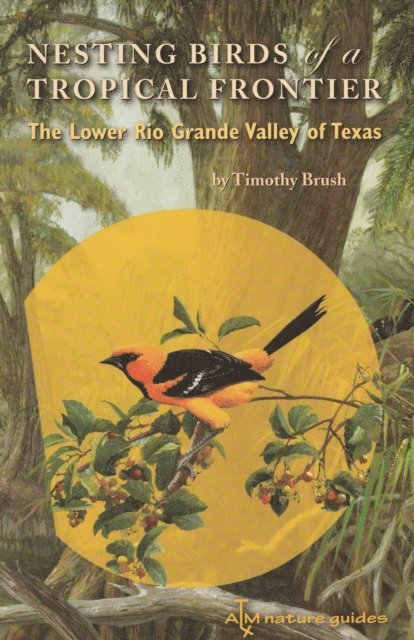
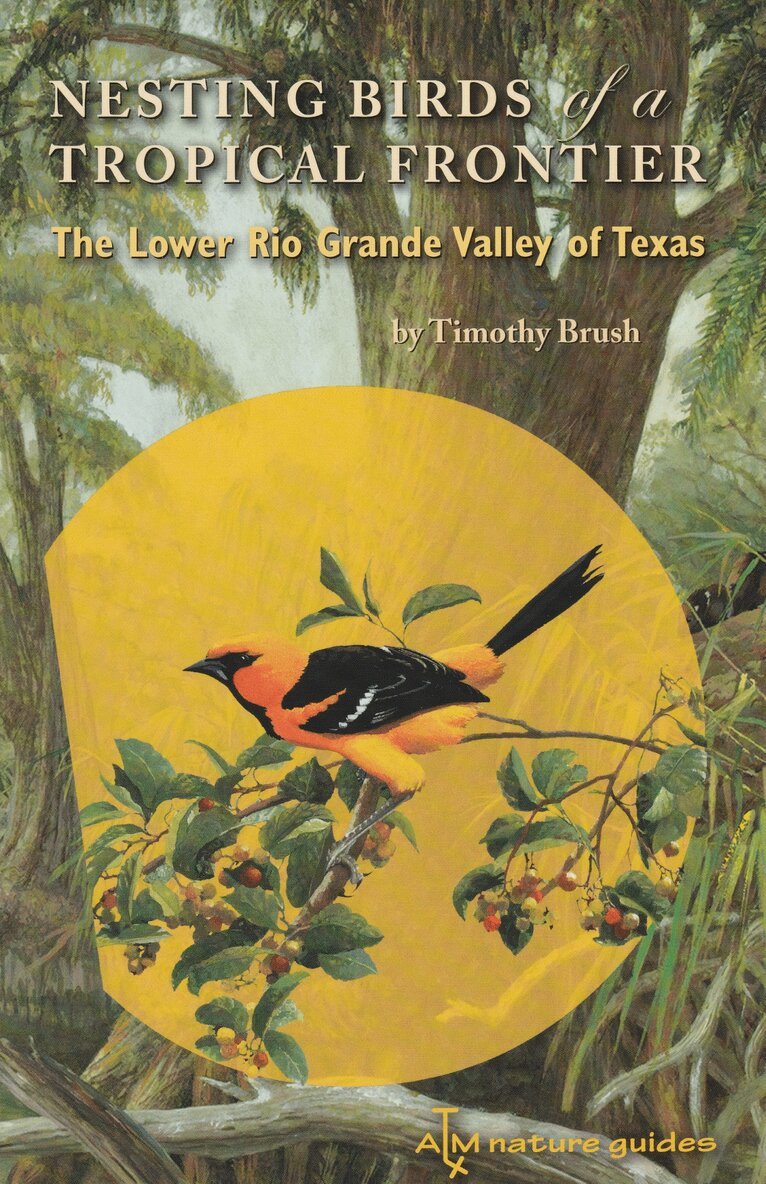
The story behind the birds everyone wants to seeHalfway between Dallas and Mexico City, along the last few hundred miles of the Rio Grande, lies a subtropical outpost where people come from all over the world to see birds. Located between the temperate north and the tropic south, with desert to the west and ocean to the east, the Lower Rio Grande Valley of Texas provides habitat for a variety of birds seen nowhere else in the United States. If you want to see a Hooked-billed Kite, Muscovy Duck, or Altamira Oriole, this is the place.Drawing on years of personal observation and study, Timothy Brush has written a classic work of natural history about the little-known breeding bird communities of the Valley and the diversity of nesting strategies and behaviors that can be seen. Brush estimates that there are more than 150 current breeding species in the Lower Rio Grande Valley. In Nesting Birds of a Tropical Frontier, he describes the habits, distribution, changes in occurrence, and general outlook of these as well as former breeders, concentrating on Valley specialties and other birds of particular interest in the Valley.The species are all dependent upon appropriate habitat, from riparian forest to mesquite savannah, and Brush describes the history of these habitats and the special features that keep the birds coming. He also discusses conservation and the need for both large-scale land acquisitions by public and private groups and small-scale restoration through urban parks and individual landscaping.Art by Gerald Sneed and color photographs by several of Texas’ top nature photographers show off some of the Valley’s famous birds. Historical maps of vegetation and geology help us gain a better perspective on the changes that have taken place along the Rio Grande and on the breeding bird communities of the U.S.–Mexico frontier.
Häftad, Engelska, 2027
410 kr
Kommande
The lowest stretch of the Rio Grande hosts a unique subtropical avian community, including many species not present in the United States outside of South Texas. Originally a mosaic of forest, woodland, thorn scrub, savannah, and wetlands, this land that often saw floods, droughts, heat, and occasional freezes, supported a versatile bird community. But conditions today are very different—the Rio Grande is an endangered river, and the habitats it supports are highly vulnerable. Ranch and farmlands that spread widely in the early to mid-twentieth century are suffering; forests and wetlands have declined substantially; and thorn forest habitats are experiencing significant, though less extreme, declines.Learning more about the habitats birds need necessitates knowledge of foraging requirements, patterns of habitat use, and nesting ecology to help us understand how birds are responding to these changes and to take steps to help declining species. In Changing Habitats and Birdlife of the Lower Rio Grande Valley of Texas, Timothy Brush evaluates bird species' responses to a warmer and drier climate, continued lack of riverine flooding, and rapid urban development that drives habitat destruction. He highlights sensitive riparian habitats and the avian communities most impacted by humanity and analyzes why some species are doing well while others are not.Building upon his earlier book, Nesting Birds of a Tropical Frontier: The Lower Rio Grande Valley of Texas, Brush updates the status of the Valley's breeding bird species, concluding with ongoing research and conservation needs, as well as suggestions to improve local and regional habitats and their avian communities. Conservationists and bird aficionados alike will find an informative resource in Changing Habitats and Birdlife of the Lower Rio Grande Valley of Texas.