Tina Kendall – författare
Visar alla böcker från författaren Tina Kendall. Handla med fri frakt och snabb leverans.
3 produkter
3 produkter
573 kr
Skickas inom 3-6 vardagar
Explosive images of sex and violence in films by directors such as Catherine Breillat, Gaspar Noé, Michael Haneke and Lars von Trier have attracted media attention for the ways in which they seek to shock and provoke the spectator into powerful affective and visceral responses.This first collection of essays devoted to the new extremism in contemporary European cinema critically interrogates this highly contentious body of work and demonstrates that these films and the controversies they engender are indispensable to the critical task of rethinking the terms of spectatorship. Through critical discussions of key films and directors, this book sheds new light on cutting-edge debates in Film Studies regarding sexuality, violence and spectatorship, affect and ethics, and the political dimensions of extreme cinema.Including important new work from internationally renowned scholars Martin Barker and Martine Beugnet, as well as combining a range of approaches to extreme cinema across audience research and theories of spectator ship, this exploration of the darkest side of cinema will be an invaluable resource for film scholars and students.
307 kr
Skickas inom 5-8 vardagar
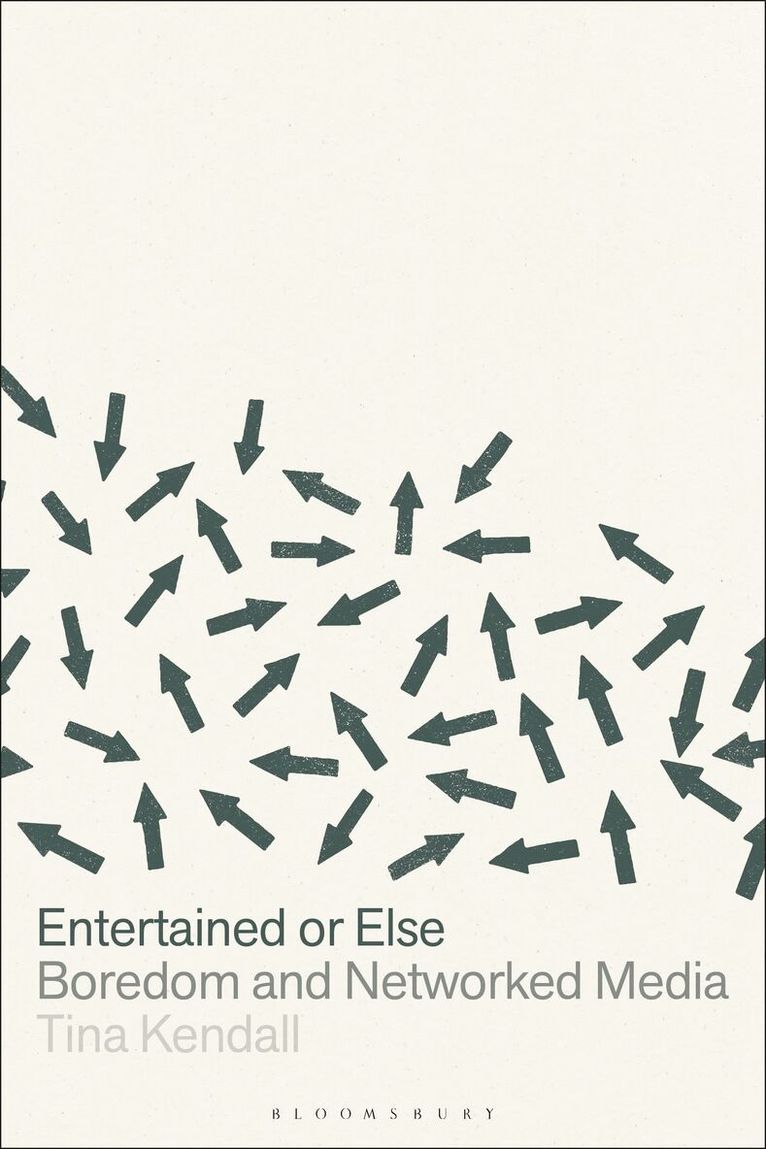
This book considers the complex and often contradictory relations that are forged between boredom and everyday media use in the twenty-first century and demonstrates how networked media have developed new technical means of capitalizing on boredom’s state of suspension to make it into a source of value creation. Focusing on the discursive, technological, and affective structures that encourage users to be entertaining and to remain entertained, the book analyses how boredom has been increasingly instrumentalized as both an individual mood and a wider structure of feeling that drives participation across media networks. It identifies the range of cultural techniques for codifying, classifying, sensing, and pre-empting boredom, as well as those that teach users, counter-intuitively, to embrace boring media as a means of coping with the intensities of always-on existence.However, if boredom is positioned in a digital network culture as a feeling that keeps driving us back to our social media feeds, it is important to ask how else it might operate. While the technological affordances of computational media have put pressure on our ability to conceive of boredom as a radical challenge to digital capitalism, this book attempts to think about the potential that might still be embedded in boredom’s capacity to temporarily suspend or to neutralize dominant structures of attention and affect. Building on the work of Giorgio Agamben, Byung-Chul Han, Roland Barthes, and from historical accounts of boredom and entertainment, the book provides a new understanding of boredom in the context of networked media.
1 250 kr
Skickas inom 10-15 vardagar
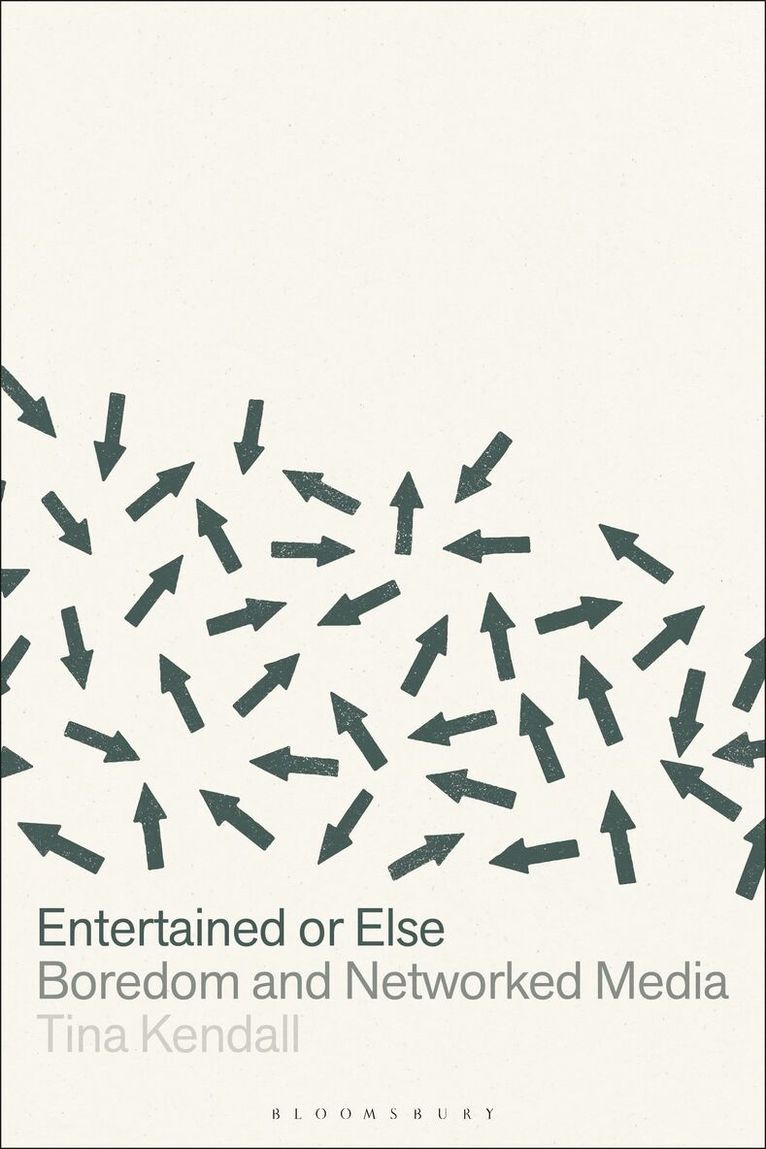
This book considers the complex and often contradictory relations that are forged between boredom and everyday media use in the twenty-first century and demonstrates how networked media have developed new technical means of capitalizing on boredom’s state of suspension to make it into a source of value creation. Focusing on the discursive, technological, and affective structures that encourage users to be entertaining and to remain entertained, the book analyses how boredom has been increasingly instrumentalized as both an individual mood and a wider structure of feeling that drives participation across media networks. It identifies the range of cultural techniques for codifying, classifying, sensing, and pre-empting boredom, as well as those that teach users, counter-intuitively, to embrace boring media as a means of coping with the intensities of always-on existence.However, if boredom is positioned in a digital network culture as a feeling that keeps driving us back to our social media feeds, it is important to ask how else it might operate. While the technological affordances of computational media have put pressure on our ability to conceive of boredom as a radical challenge to digital capitalism, this book attempts to think about the potential that might still be embedded in boredom’s capacity to temporarily suspend or to neutralize dominant structures of attention and affect. Building on the work of Giorgio Agamben, Byung-Chul Han, Roland Barthes, and from historical accounts of boredom and entertainment, the book provides a new understanding of boredom in the context of networked media.