Tissa Wijeratne – Författare
Visar alla böcker från författaren Tissa Wijeratne. Handla med fri frakt och snabb leverans.
2 produkter
2 produkter
1 521 kr
Skickas inom 7-10 vardagar
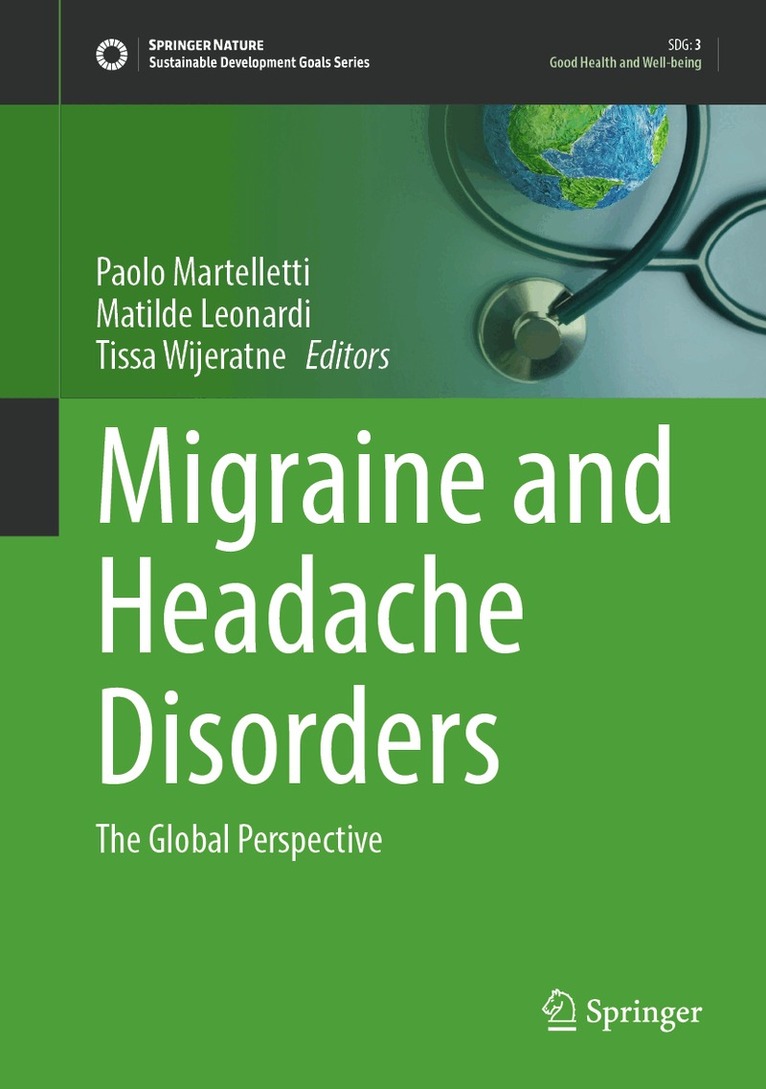
The proposed book stands as a pioneering and unique contribution in the literary landscape, addressing a critical intersection of health and sustainable development. Migraine, often relegated to the sidelines in discussions about global health, emerges as a neglected disorder with profound implications for the achievement of SDG3 – ensuring healthy lives and promoting well-being for all at all ages.What sets this book apart is its strong commitment to unraveling the complexities surrounding migraine within the context of SDG3. Migraine, despite its prevalence and debilitating impact on individuals, has long been overshadowed by other health concerns. This book challenges this neglect, providing an in-depth exploration of the socio-economic factors contributing to the oversight of migraine and proposing actionable strategies aligned with SDG3 to rectify this global health blind spot.The scope of the book extends far beyond conventional medical discourse, delving into the economic, social, and cultural dimensions of migraine's impact. It not only elucidates the physiological aspects of the disorder but also addresses the intricate web of factors hindering its recognition and adequate treatment on a global scale. By intertwining the narrative with SDG3, the book aims to ignite a paradigm shift, compelling stakeholders to recognize migraine as a pivotal player in the pursuit of universal health.This book's target readership comprises not only neurologists seeking a comprehensive understanding of migraine but also brain health advocates worldwide. By appealing to a diverse audience, it aspires to foster a collaborative approach to tackle migraine within the framework of SDG3. The book's unique blend of medical insights, global health perspectives, and advocacy strategies makes it an indispensable resource for those committed to advancing neurological health and realizing the vision of SDG3 on a global scale. In essence, this book is poised to be a catalyst for change, altering the trajectory of how migraine is perceived, treated, and integrated into the broader discourse of sustainable development.
1 521 kr
Skickas inom 7-10 vardagar
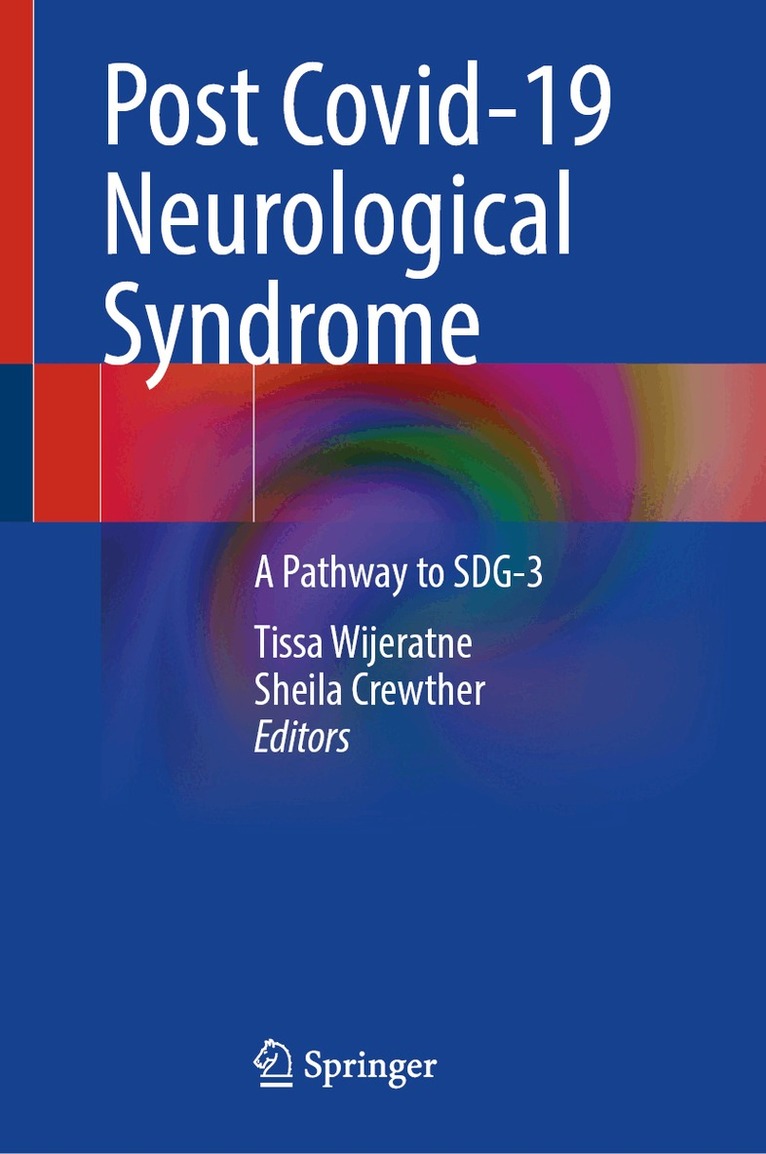
This book represents a groundbreaking contribution to the field of neurology, addressing a critical gap in our understanding of the long-term neurological effects of Covid-19. Crafted by frontline researchers, it offers invaluable insights into Post Covid-19 Neurological Syndrome (PCNS), a condition first described by the Editors themselves in 2020. Through a comprehensive synthesis, this volume explores PCNS in the context of the sustainable development goals and the 2030 agenda, providing an up-to-date overview across the spectrum of this syndrome. Comprising both general chapters delving into the pathobiological mechanisms of PCNS, the intricate relationship between Covid-19 infection and brain involvement, as well as a review of current research and barriers to accessing care, this book offers a holistic understanding of the subject matter. Furthermore, it addresses potential therapeutic options and contemporary issues within the framework of the WHO intersectoral global action plan (IGAP) and SDG-3, offering a global perspective on tackling this pressing issue. Neurologists worldwide will benefit greatly from the insights presented in this book, providing them with essential knowledge for diagnosing and treating cases of PCNS, particularly in situations where clinical experience with the condition may be limited. Additionally, international organizations, policymakers, and non-governmental organizations engaged in health and Covid-19 pandemic response efforts will find this resource invaluable. Anticipated to become an indispensable addition to neurological department libraries, this book will serve as a fundamental textbook for teaching neurology. Its profound exploration of the impact of Covid-19 on brain health ensures its relevance for generations to come, solidifying its place as a cornerstone in advancing our understanding and management of neurological sequelae associated with the pandemic.