Tom Whipple – författare
Visar alla böcker från författaren Tom Whipple. Handla med fri frakt och snabb leverans.
12 produkter
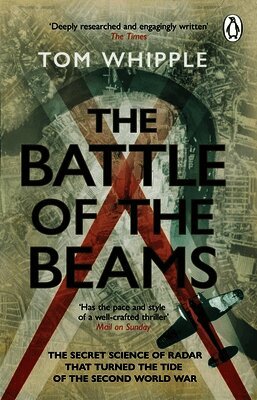
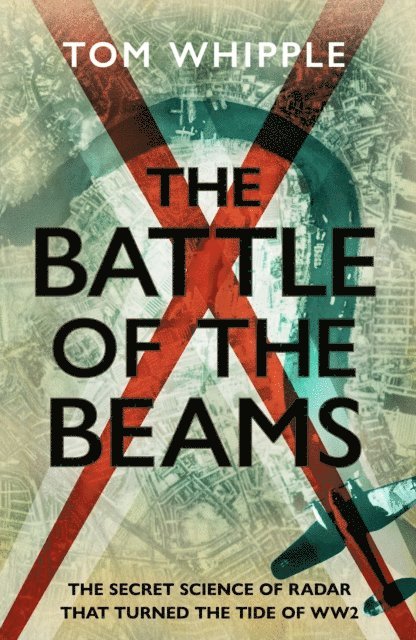
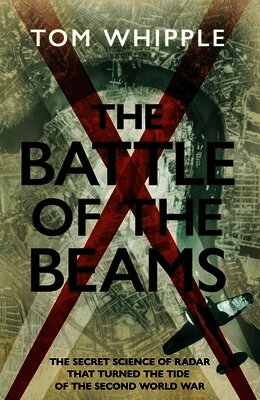
Battle of the Beams
The secret science of radar that turned the tide of the Second World War
Av Tom Whipple
Häftad, 2024
141 kr
Lägg i varukorg
'Deeply researched and engagingly written' The Times'Has the pace and style of a well-crafted thriller' Mail on Sunday'Chock full of memorable characters and written with all the drama and pace of a Robert Harris thriller' Rowland White, author of MosquitoSummer 1939. War is coming. The British …
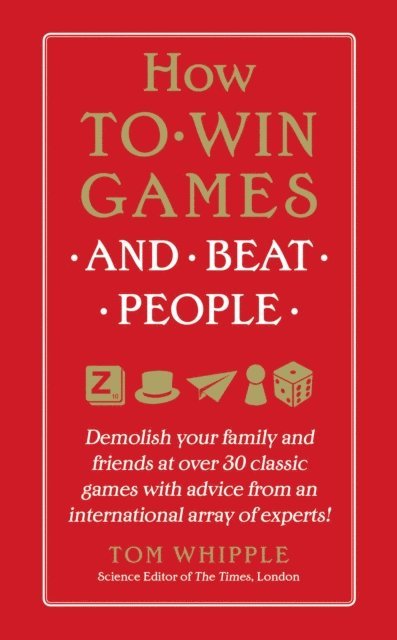
How to Win Games and Beat People
Demolish Your Family and Friends at over 30 Classic Games with Advice from an International Array of Experts
Av Tom Whipple
E-bok, 2015
114 kr
Lägg i varukorg
Destroy the competition on game night with this seriously funny guide packed with handy strategy, tricks, and tips from the experts.Games are way more fun to play when you win—especially when you crush your friends and family! In How to Win Games and Beat People, Times science editor Tom Whipple …
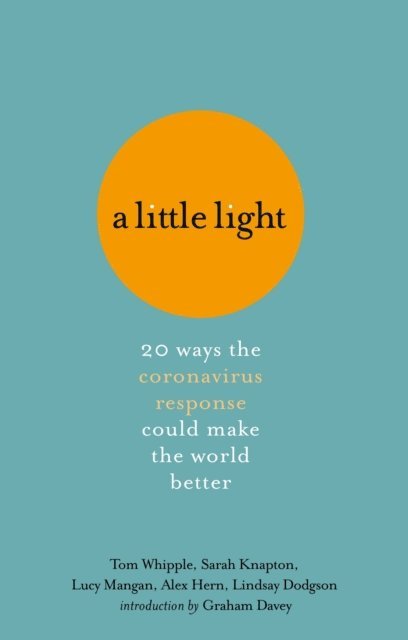
Little Light
20 ways the coronavirus response could make the world better
Av Lindsay Dodgson, Alex Hern m. fl.
E-bok, 2020
44 kr
Lägg i varukorg
At a time of fear and anxiety, leading writers offer reassurance by looking at twenty ways the response to the coronavirus pandemic could make the world a better place. The coronavirus (Covid-19) pandemic is a once-in-a-century event, a tragedy and a source of deep anxiety. But in darkness there is …
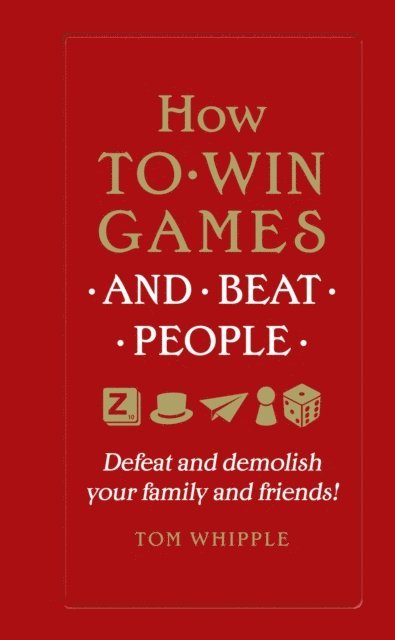
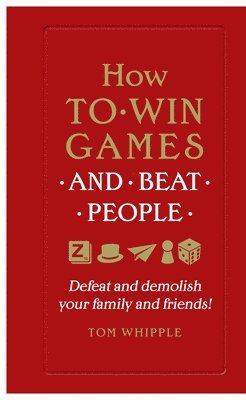
How to win games and beat people
Defeat and demolish your family and friends!
Av Tom Whipple
E-bok, 2015
147 kr
Lägg i varukorg
Are you fed up losing at family board game nights? Do you want to learn how to destroy the competition?Get the inside tips from preposterously overqualified experts on how to win a range of common family games, board games and more. * A mime artist tells you how to do the best charades* A …
How to win games and beat people
Defeat and demolish your family and friends!
Av Tom Whipple
Häftad, 2019
187 kr
Lägg i varukorg
Are you fed up losing at family board game nights? Do you want to learn how to destroy the competition?Get the inside tips from preposterously overqualified experts on how to win a range of common family games, board games and more. * A mime artist tells you how to do the best charades* A …
Spyflights
How America and Britain Hunted Russia's Nuclear Bombs
Av Tom Whipple
Inbunden, 2027
247 kr
Kommande
Spyflights reveals how the American and British secret services joined forces during the Cold War in a covert alliance to map the USSR and establish its long range nuclear bomb capabilities in a era when the threat of nuclear war was very real following Hiroshima and Nagasaki. It's hard to imagine …
Battle of the Beams
The secret science of radar that turned the tide of the Second World War
Av Tom Whipple
E-bok, 2023
108 kr
Lägg i varukorg
'Deeply researched and engagingly written' The Times'Has the pace and style of a well-crafted thriller' Mail on Sunday'Chock full of memorable characters and written with all the drama and pace of a Robert Harris thriller' Rowland White, author of MosquitoSummer 1939. War is coming. The British …
Battle of the Beams
The secret science of radar that turned the tide of the Second World War
Av Tom Whipple
Ljudbok, 2023
184 kr
Lägg i varukorg
Brought to you by Penguin. Summer 1939. War is coming. The British believe that, through ingenuity and scientific prowess, they alone have a war-winning weapon: radar. They are wrong. The Germans have it too. They believe that their unique maritime history means their pilots have no need of …
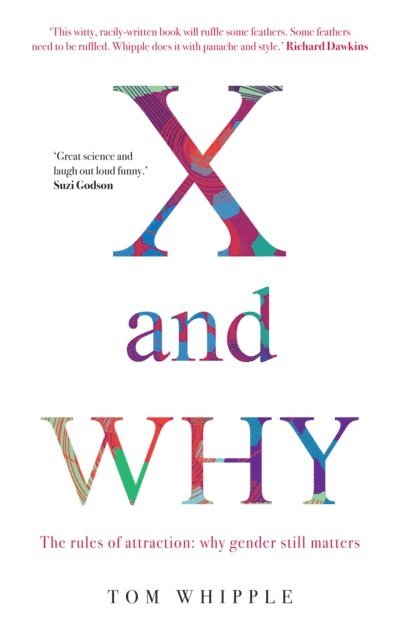
X and Why
The rules of attraction: why gender still matters
Av Tom Whipple
E-bok, 2018
51 kr
Lägg i varukorg
In the last century it was argued that men are from Mars and women are from Venus - but things have moved on a long way since then. In this timely new approach to the debate, Tom Whipple travels far and wide - from a Home Counties swingers'' party to a gay penguin sanctuary in Germany - and draws …
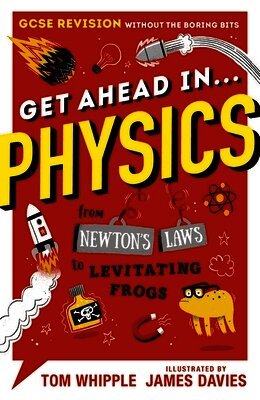
Get Ahead in ... PHYSICS
GCSE Revision without the boring bits, from Newton's Laws to levitating frogs
Av Tom Whipple
Häftad, 2020, 12-15 år
101 kr
Tillfälligt slut
Get Ahead in Physics covers the essentials for GCSE science in a book you can start and finish – without falling asleep in the middle!Each chapter is tied to a key topic for studying Physics; learn about:– The Particle Theory of Matter– Energy– Radiation – Electricity– Newton's Laws– Waves– …
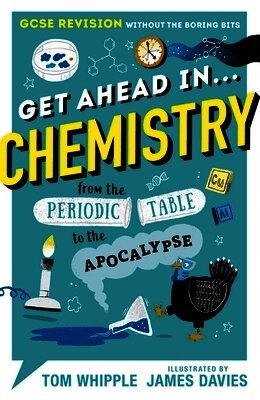
Get Ahead in ... CHEMISTRY
GCSE Revision without the boring bits, from the Periodic Table to the Apocalypse
Av Tom Whipple
Häftad, 2020, 12-15 år
103 kr
Tillfälligt slut
Get Ahead in Chemistry covers the essentials for GCSE science in a book you can start and finish – without falling asleep in the middle!Each chapter is tied to a key topic for studying Chemistry; learn about:– The Periodic Table– Bonding– Quantitative Chemistry– Acids, Alkalis and Salts– Reactions– …
Battle of the Beams
The secret science of radar that turned the tide of the Second World War
Av Tom Whipple
Inbunden, 2023
249 kr
Tillfälligt slut
'Deeply researched and engagingly written' The Times'Has the pace and style of a well-crafted thriller' Mail on Sunday'Chock full of memorable characters and written with all the drama and pace of a Robert Harris thriller' Rowland White, author of Harrier 809The radio war of 1939-45 is one of the …