Tomas Alusik – författare
Visar alla böcker från författaren Tomas Alusik. Handla med fri frakt och snabb leverans.
3 produkter
3 produkter
956 kr
Skickas inom 5-8 vardagar
531 kr
Skickas
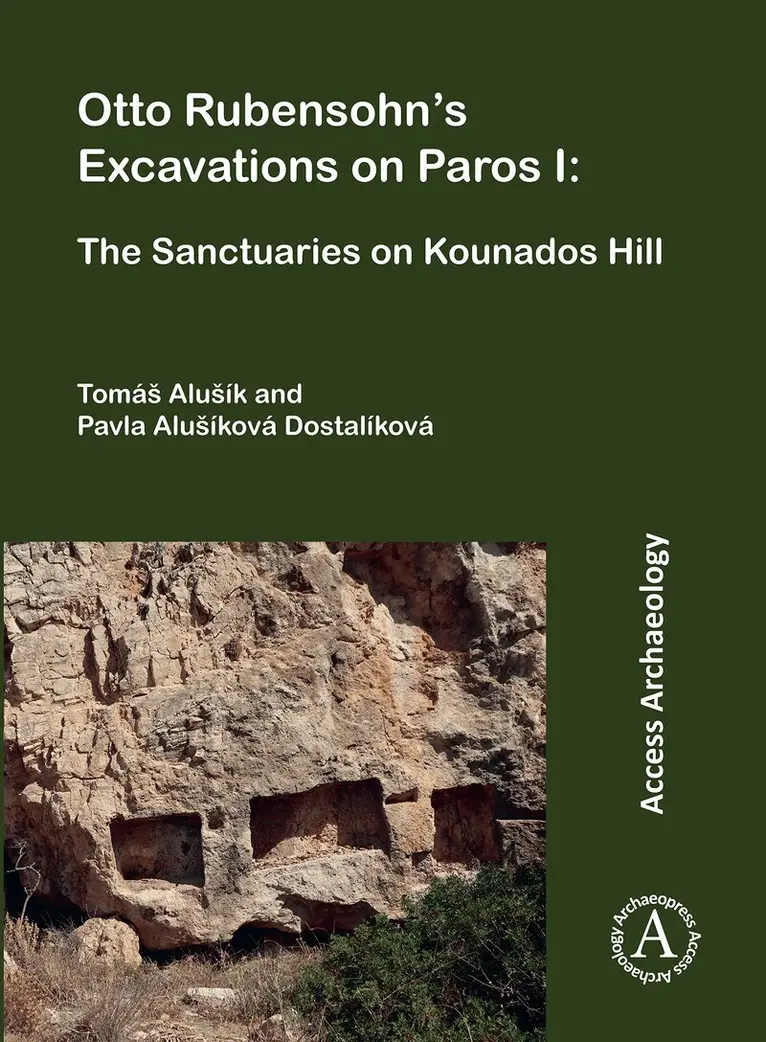
Otto Rubensohn’s Excavations on Paros I: The Sanctuaries on Kounados Hill is the first volume in a forthcoming series of editions of archival sources from the estate of the German archaeologist Otto Rubensohn, housed in the archives of the Jewish Museum in Berlin. It contains the transcription of three texts concerning the sites (small ancient sanctuaries) on Kounados Hill on the Greek island of Paros (in the Cyclades), with the original photos.Otto Rubensohn (1867-1964) was a German archaeologist of Jewish origin. Although his involvement in the field of archaeology was relatively short and he spent most of his career teaching in elementary and secondary schools, he is now one of the respected German archaeologists of the late 19th and early 20th centuries, primarily because of his excavations on the Greek island of Paros and in Egypt. Unfortunately, his importance for German and Greek Classical archaeology and Egyptology is still not fully understood and appreciated.As the sanctuaries on Kounados were rather preliminarily published by Rubensohn and haven’t been excavated (or thoroughly investigated) in the last 120 years, the transcription and publication of the unpublished texts and images will add some new information on these sites as well as on the history of archaeology in Greece at the turn of the last centuries.The book is intended for archaeologists, dealing with Greek archaeology, and historians specializing in the history of archaeology (or the history of science and intellectual history in general).
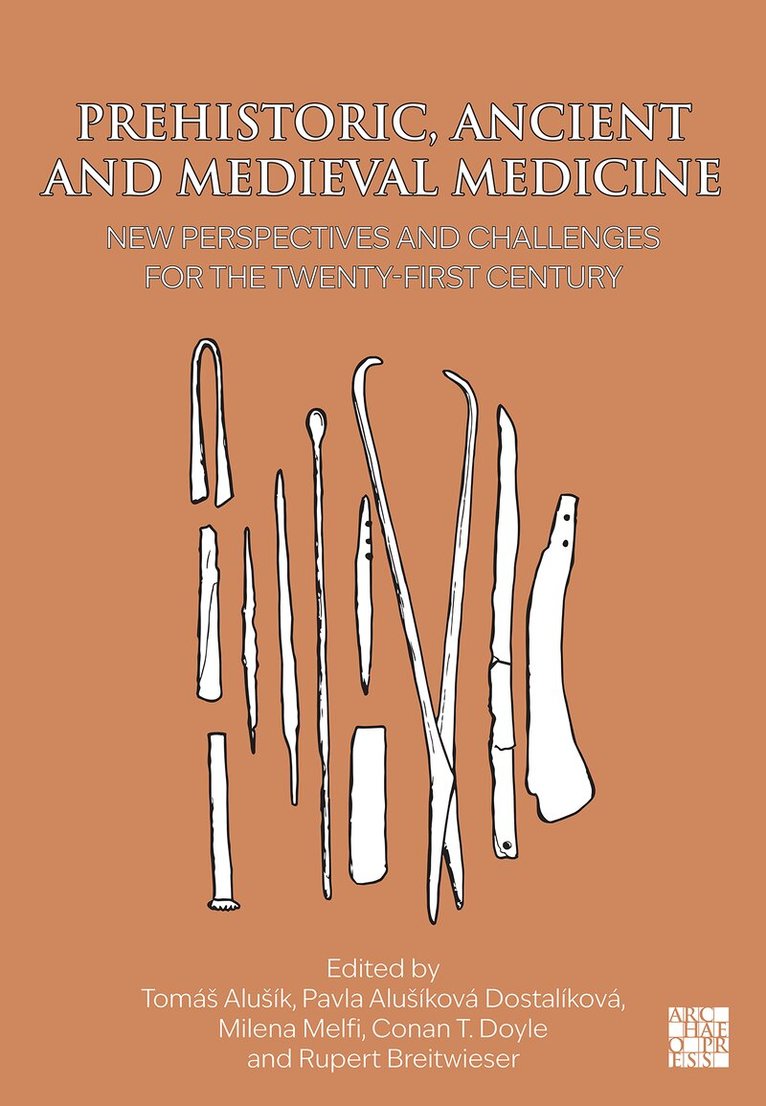
Prehistoric, Ancient and Medieval Medicine
New Perspectives and Challenges for the Twenty-First Century
Inbunden, Engelska, 2026
979 kr
Skickas
This volume contains a total of 21 chapters on prehistoric, ancient, and medieval medicine, presented from various perspectives. After a general introduction outlining the directions, possibilities, and methods of research in archaeology and the history of medicine in the period under review and arguing for the necessity of an interdisciplinary approach, there follow 20 chapters presenting specific research topics. These chapters cover a wide chronological span, from the Stone Age to more or less the end of the Middle Ages, and geographical extent, from Western Europe through the Mediterranean (including Egypt and the Levant) to the Near East (including modern Iraq). The papers in this volume are divided into three sections, roughly spanning prehistory, the Classical era and the Middle Ages respectively.