Tomas Dodds – författare
Visar alla böcker från författaren Tomas Dodds. Handla med fri frakt och snabb leverans.
5 produkter
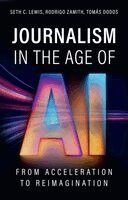
Journalism in the Age of AI
From Acceleration to Reimagination
Av Seth C. Lewis, Rodrigo Zamith m. fl.
Häftad, 2026
230 kr
Kommande
The story of journalism has been one of acceleration, marked by increasing expectations to do more with less. The rise of AI offers a constitutive moment: a junction where journalists are confronting existential questions about their roles and routines. AI is transforming how we create and access …
Journalism in the Age of AI
From Acceleration to Reimagination
Av Tomas Dodds, Rodrigo Zamith m. fl.
E-bok, 2026
261 kr
Lägg i varukorg
The story of journalism has been one of acceleration, marked by increasing expectations to do more with less to produce more news, participate on more platforms, and reach more diverse audiences. The rise of AI offers a constitutive moment, perhaps even a 'breaking point', for journalism: a …
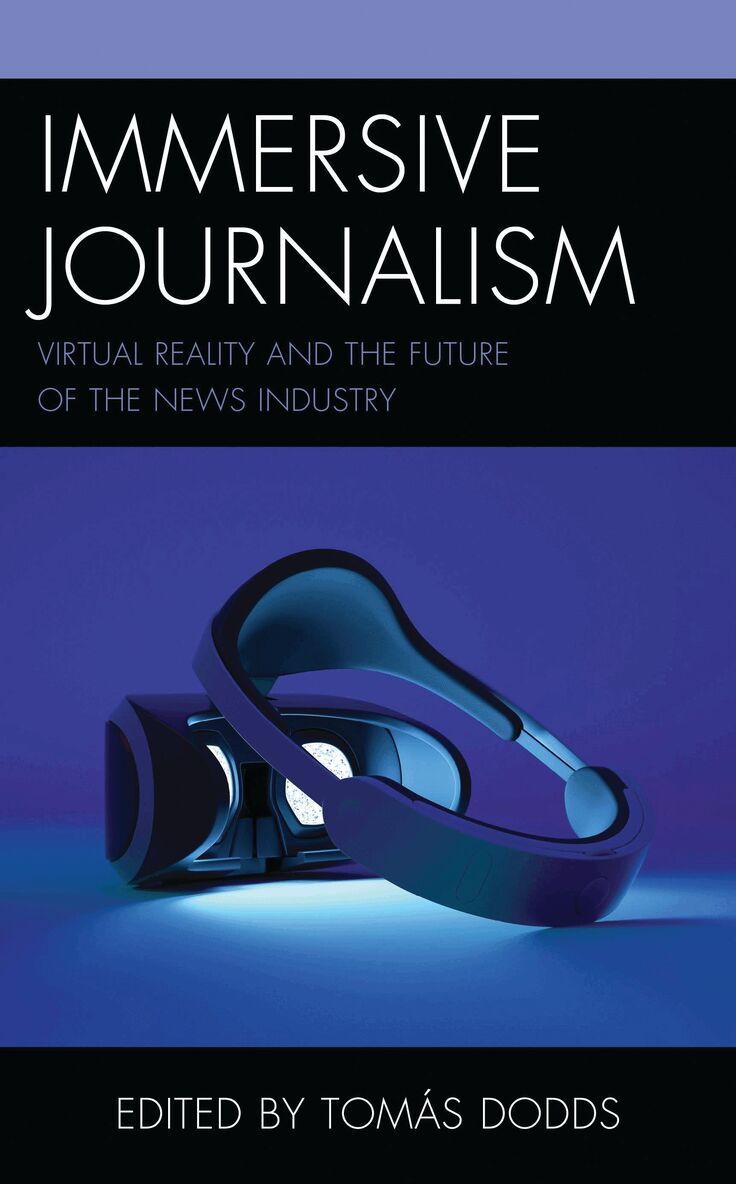
Immersive Journalism
Virtual Reality and the Future of the News Industry
Av Tomás Dodds
Inbunden, 2024
1212 kr
Lägg i varukorg
This volume explores the rise of immersive technologies such as virtual reality, augmented reality, and 360 videos in the newsroom and how they affect newsmaking for journalists, news sources, and audiences. As these technologies offer journalists new and exciting opportunities to connect more …
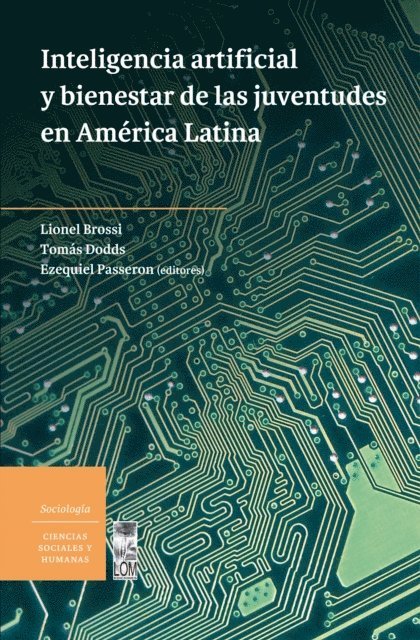
Inteligencia artificial y bienestar de las juventudes en America Latina
Av Ezequiel Passeron, Tomas Dodds m. fl.
E-bok, 2019
122 kr
Lägg i varukorg
Lo que hoy entendemos por inteligencia artificial está asociado a la planificación, la comprensión del lenguaje, el reconocimiento de objetos y sonidos, la resolución de problemas. Se trata de nuevos algoritmos que conducirían al aprendizaje acumulativo, emulando de esta manera el aprendizaje a …
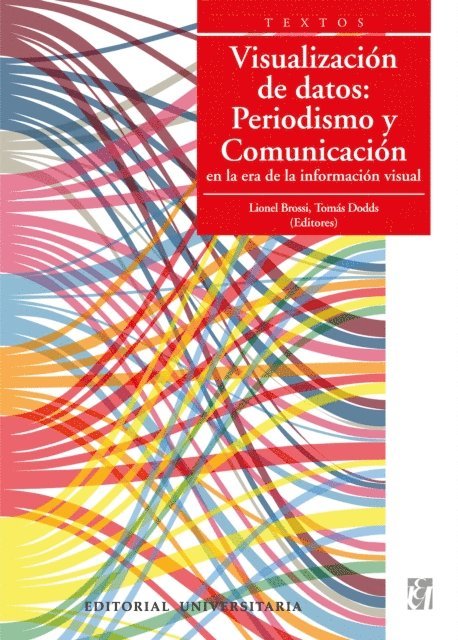
Visualización de datos: Periodismo y Comunicación en la era de la información visual
E-bok, 2022
119 kr
Lägg i varukorg
El siglo XXI vino acompañado con las oportunidades y desafíos de una era marcada por la saturación de la información. Sin embargo, la mayor cantidad de información no se tradujo necesariamente en una ciudadanía más informada y participativa. El desarrollo de las tecnologías de la información, la …