Torrance Kirby – författare
Visar alla böcker från författaren Torrance Kirby. Handla med fri frakt och snabb leverans.
6 produkter
Sermons at Paul's Cross, 1521-1642
Av Torrance Kirby, Torrance Kirby m. fl.
Inbunden, 2017
3917 kr
Lägg i varukorg
The open-air pulpit in Paul's Churchyard in the City of London, known as Paul's Cross, is one of the most important vehicles of popular public persuasion employed by government from the outset of the Henrician Reformation in the early 1530s until the opening salvos of the Civil War when the pulpit …
Reformierte Bekenntnisschriften
Bd. 3/2: 1605-1675 2. Teil 1647-1675
Av Emidio Campi, Torrance Kirby
Inbunden, 2016
1905 kr
Lägg i varukorg
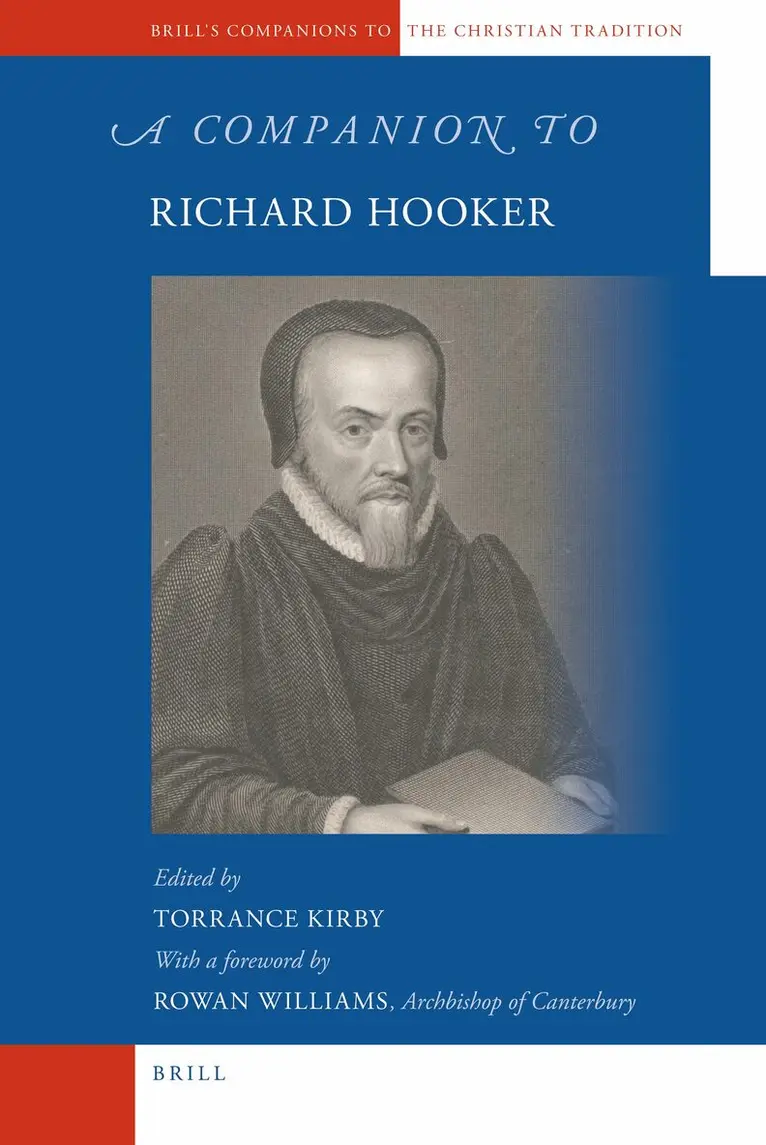
Companion to Richard Hooker
Inbunden, 2008
3365 kr
Lägg i varukorg
Richard Hooker was a learned philosophical theologian and engaged polemicist of the later sixteenth century who explained and defended the Elizabethan religious and political settlement, and shaped definitively the self-understanding of the English ecclesiastical establishment for centuries to …
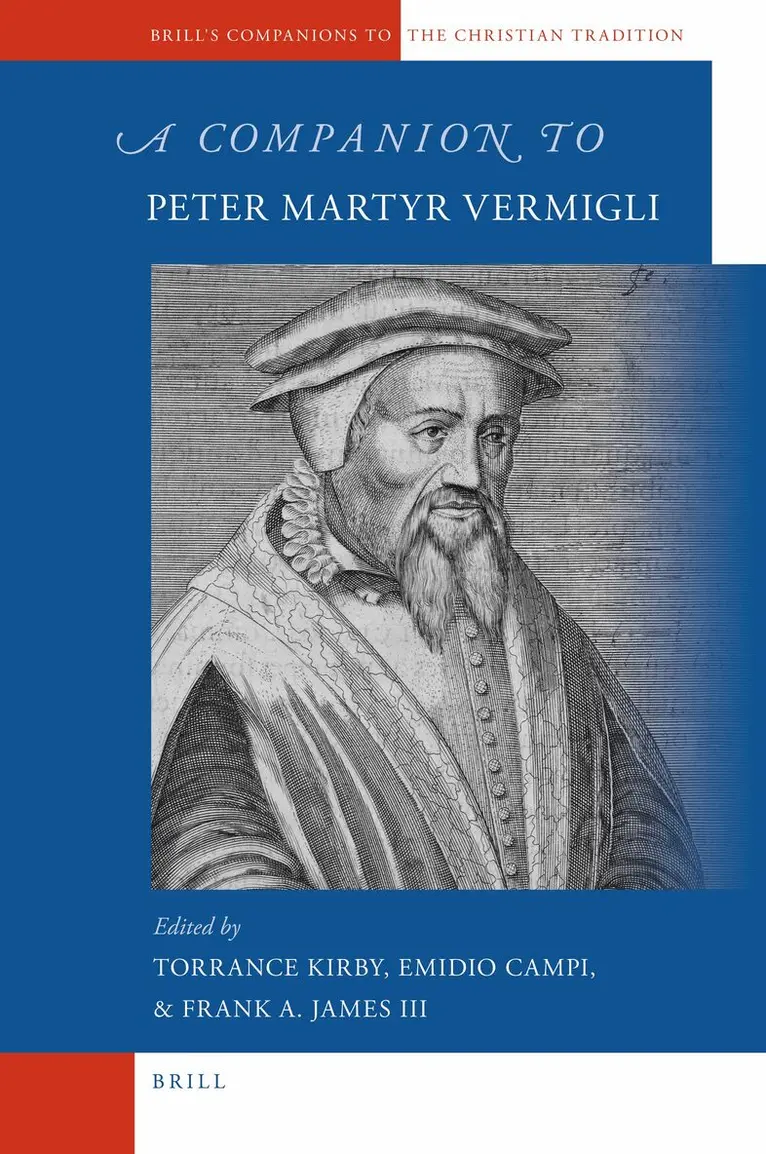
Companion to Peter Martyr Vermigli
Inbunden, 2009
4444 kr
Lägg i varukorg
The great Florentine Protestant reformer Peter Martyr Vermigli (1499-1562) made a unique contribution to the scriptural hermeneutics of the Renaissance and Reformation, where classical theories of interpretation derived from Patristic and Scholastic sources engaged with new methods drawn from …
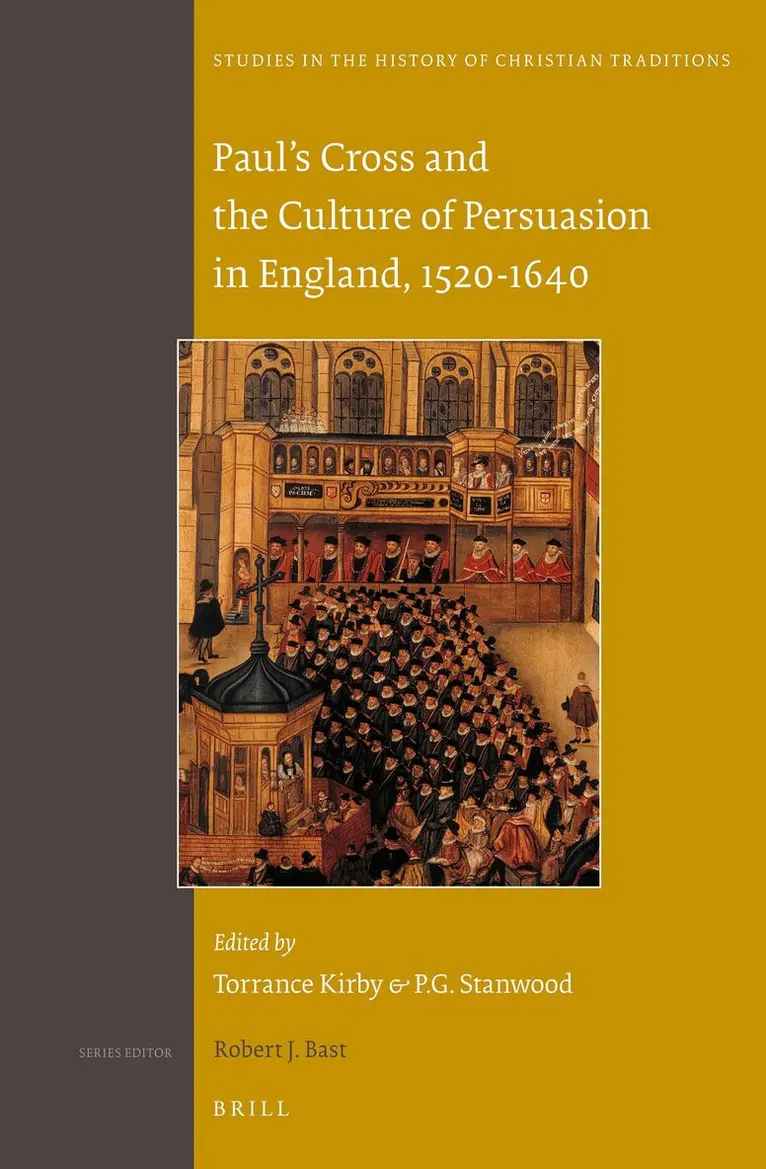
Paul's Cross and the Culture of Persuasion in England, 1520-1640
Av Torrance Kirby, P.G. (Paul) Stanwood
Inbunden, 2013
3352 kr
Lägg i varukorg
The open-air pulpit within the precincts of St. Paul’s Cathedral known as ‘Paul’s Cross’ can be reckoned among the most influential of all public venues in early-modern England. Between 1520 and the early 1640s, this pulpit and its auditory constituted a microcosm of the realm and functioned at the …
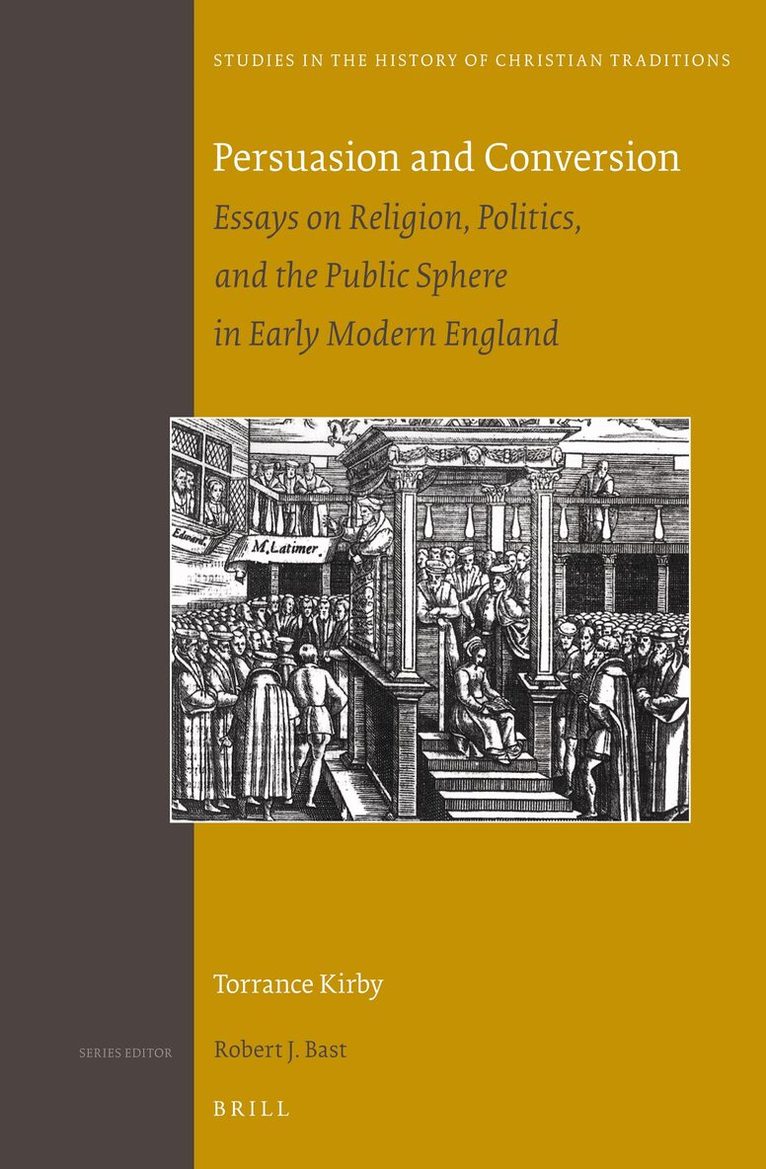
Persuasion and Conversion
Essays on Religion, Politics, and the Public Sphere in Early Modern England
Inbunden, 2013
2348 kr
Lägg i varukorg
The early modern ‘public sphere’ emerges out of a popular ‘culture of persuasion’ fostered by the Protestant Reformation. By 1600, religious identity could no longer be assumed as ‘given’ within the hierarchical institutions and elaborate apparatus of late-medieval ‘sacramental culture’. Reformers …