Tosha L. Dupras – författare
Visar alla böcker från författaren Tosha L. Dupras. Handla med fri frakt och snabb leverans.
10 produkter
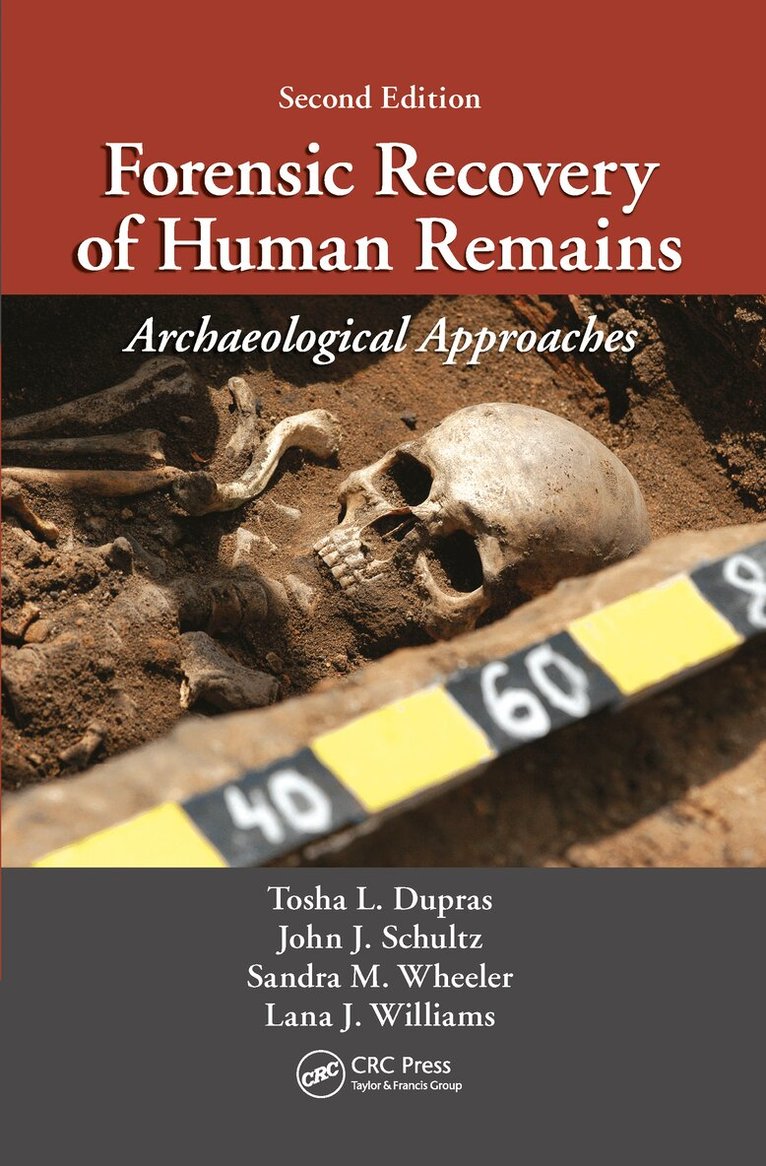
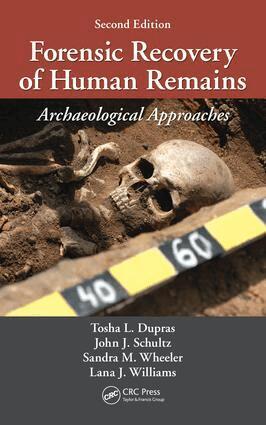
Forensic Recovery of Human Remains
Archaeological Approaches, Second Edition
Av John J. Schultz, Lana J. Williams m. fl.
Häftad, 2021
934 kr
Lägg i varukorg
This reference, now in its second edition, is a comprehensive guide that focuses on the practical aspects of excavating and recovering human remains, as well as any associated evidence, from crime scenes. It highlights the protocols and techniques that are used to successfully survey, map, recover, …
Forensic Recovery of Human Remains
Archaeological Approaches, Second Edition
Av John J. Schultz, Lana J. Williams m. fl.
E-bok, 2011
1106 kr
Lägg i varukorg
This reference, now in its second edition, is a comprehensive guide that focuses on the practical aspects of excavating and recovering human remains, as well as any associated evidence, from crime scenes. It highlights the protocols and techniques that are used to successfully survey, map, recover, …
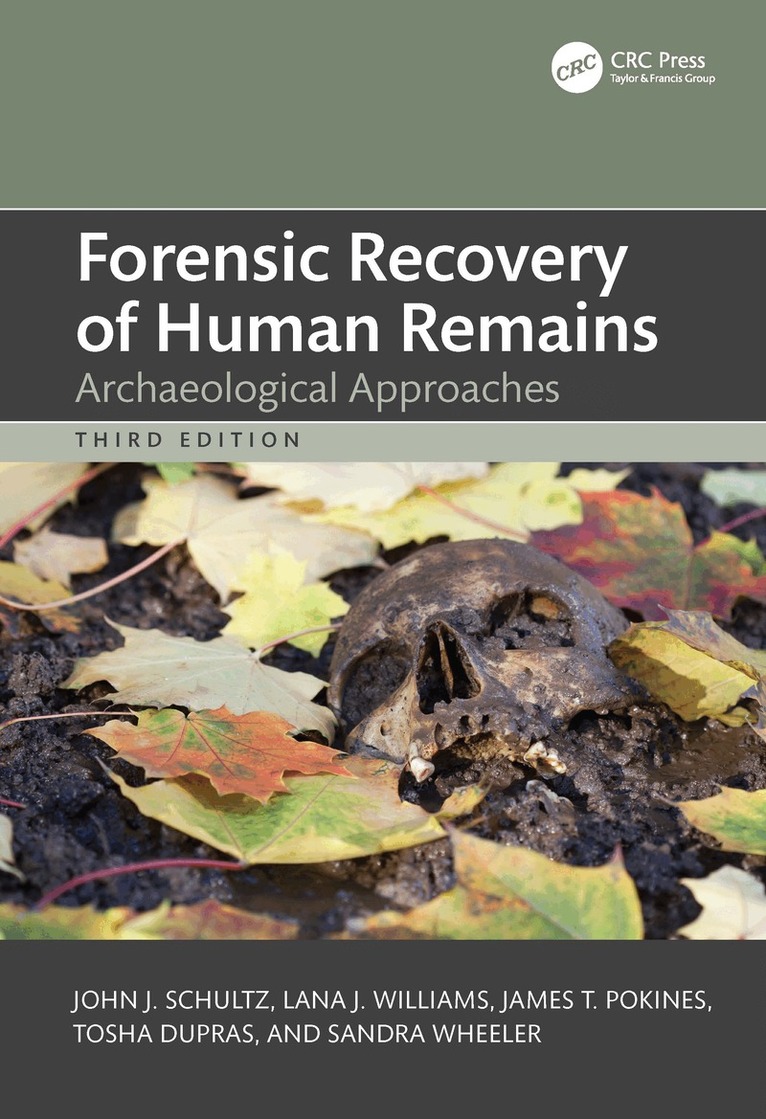
Forensic Recovery of Human Remains
Archaeological Approaches
Av John J. Schultz, Lana J. Williams m. fl.
Inbunden, 2026
1024 kr
Lägg i varukorg
Forensic Recovery of Human Remains: Archaeological Approaches provides a comprehensive and updated guide to the search, recovery, documentation, and excavation of human remains in forensic contexts. Recognizing that many crime scene and law enforcement personnel lack formal training in …
Forensic Recovery of Human Remains
Archaeological Approaches
Av Sandra M. Wheeler, Tosha L. Dupras m. fl.
E-bok, 2026
1213 kr
Lägg i varukorg
Forensic Recovery of Human Remains: Archaeological Approaches provides a comprehensive and updated guide to the search, recovery, documentation, and excavation of human remains in forensic contexts. Recognizing that many crime scene and law enforcement personnel lack formal training in …
Forensic Recovery of Human Remains
Archaeological Approaches
Av Sandra M. Wheeler, Tosha L. Dupras m. fl.
E-bok, 2026
1213 kr
Lägg i varukorg
Forensic Recovery of Human Remains: Archaeological Approaches provides a comprehensive and updated guide to the search, recovery, documentation, and excavation of human remains in forensic contexts. Recognizing that many crime scene and law enforcement personnel lack formal training in …
Forensic Recovery of Human Remains
Archaeological Approaches, Second Edition
Av John J. Schultz, Lana J. Williams m. fl.
Inbunden, 2011
1951 kr
Lägg i varukorg
This reference, now in its second edition, is a comprehensive guide that focuses on the practical aspects of excavating and recovering human remains, as well as any associated evidence, from crime scenes. It highlights the protocols and techniques that are used to successfully survey, map, recover, …
Forensic Recovery of Human Remains
Archaeological Approaches, Second Edition
Av John J. Schultz, Lana J. Williams m. fl.
E-bok, 2011
1082 kr
Lägg i varukorg
This reference, now in its second edition, is a comprehensive guide that focuses on the practical aspects of excavating and recovering human remains, as well as any associated evidence, from crime scenes. It highlights the protocols and techniques that are used to successfully survey, map, recover, …
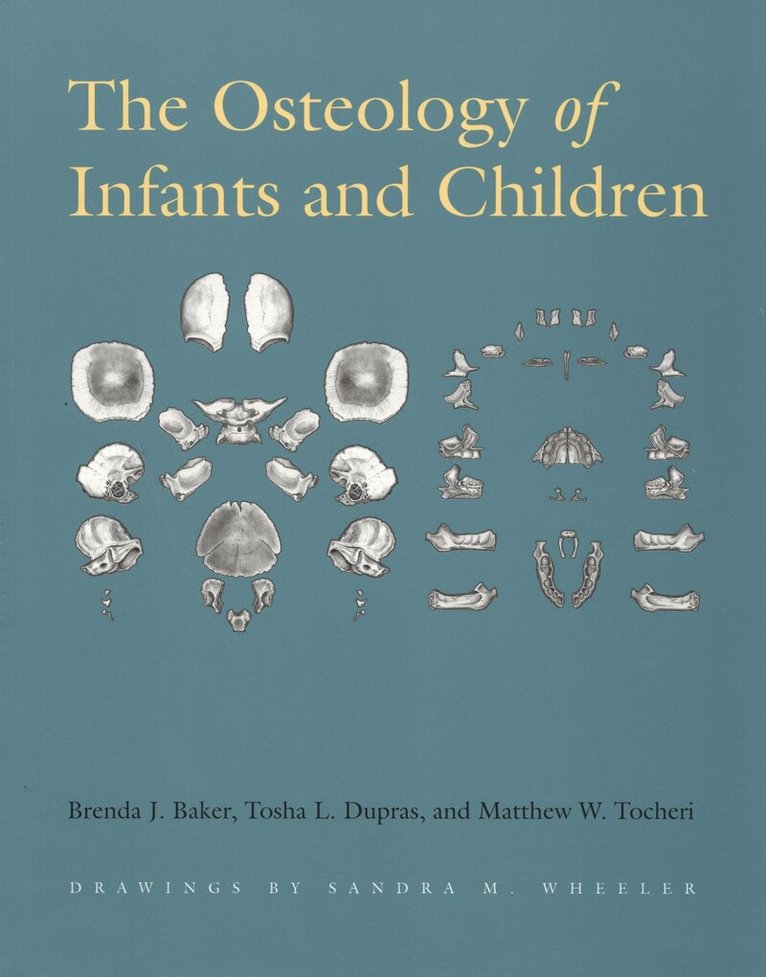
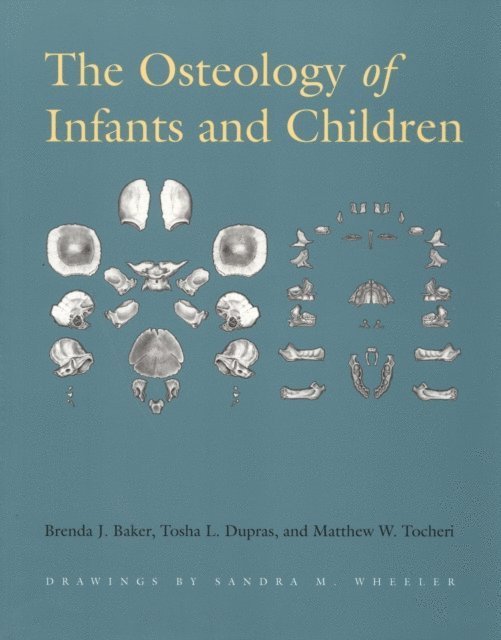
Osteology of Infants and Children
Av Brenda J. Baker, Tosha L. Dupras m. fl.
Inbunden, 2005
582 kr
Lägg i varukorg
Most archaeologists and bioarchaeologists receive little or no training in the recognition of skeletal remains of fetuses, infants, and children. Yet many research sites may contain such materials. Without a framework for identifying the bones or the excavation techniques suited to their recovery, …
Osteology of Infants and Children
Av Brenda J. Baker, Tosha L. Dupras m. fl.
Häftad, 2005
457 kr
Lägg i varukorg
Most archaeologists and bioarchaeologists receive little or no training in the recognition of skeletal remains of fetuses, infants, and children. Yet many research sites may contain such materials. Without a framework for identifying the bones or the excavation techniques suited to their recovery, …
Osteology of Infants and Children
Av Matthew W. Tocheri, Tosha L. Dupras m. fl.
E-bok, 2005
322 kr
Lägg i varukorg
Most archaeologists and bioarchaeologists receive little or no training in the recognition of skeletal remains of fetuses, infants, and children. Yet many research sites may contain such materials. Without a framework for identifying the bones or the excavation techniques suited to their recovery, …