Tracy Fessenden – författare
Visar alla böcker från författaren Tracy Fessenden. Handla med fri frakt och snabb leverans.
10 produkter
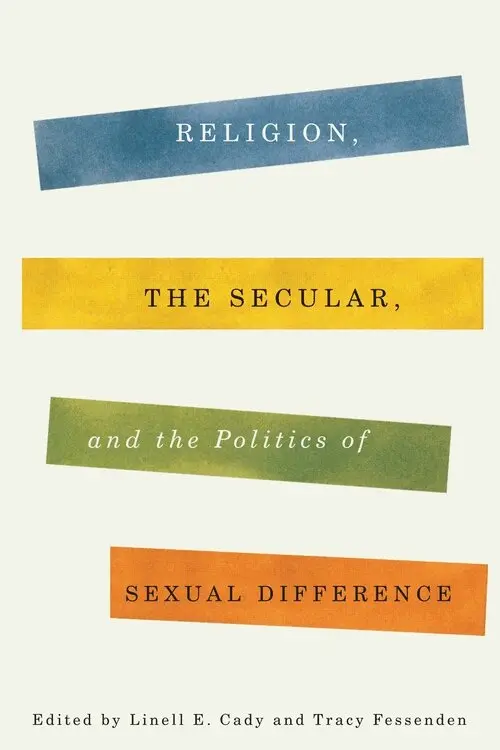
Religion, the Secular, and the Politics of Sexual Difference
Av Linell E. Cady, Tracy Fessenden
Inbunden, 2013
1209 kr
Lägg i varukorg
Global struggles over women's roles, rights, and dress increasingly cast the secular and the religious in tense if not violent opposition. When advocates for equality speak in terms of rights and modern progress, or reactionaries ground their authority in religious and scriptural appeals, both tend …
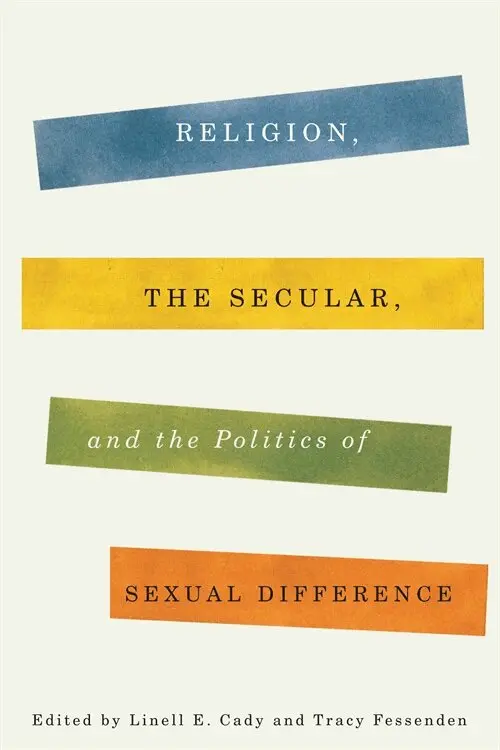
Religion, the Secular, and the Politics of Sexual Difference
Av Linell E. Cady, Tracy Fessenden
Häftad, 2013
316 kr
Lägg i varukorg
Global struggles over women's roles, rights, and dress increasingly cast the secular and the religious in tense if not violent opposition. When advocates for equality speak in terms of rights and modern progress, or reactionaries ground their authority in religious and scriptural appeals, both tend …
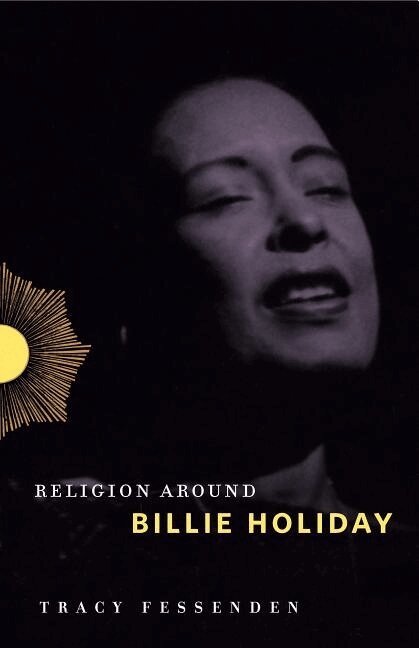
Religion Around Billie Holiday
Inbunden, 2018
202 kr
Lägg i varukorg
Soulful jazz singer Billie Holiday is remembered today for her unique sound, troubled personal history, and a catalogue that includes such resonant songs as “Strange Fruit” and “God Bless the Child.” Holiday and her music were also strongly shaped by religion, often in surprising ways. Religion …
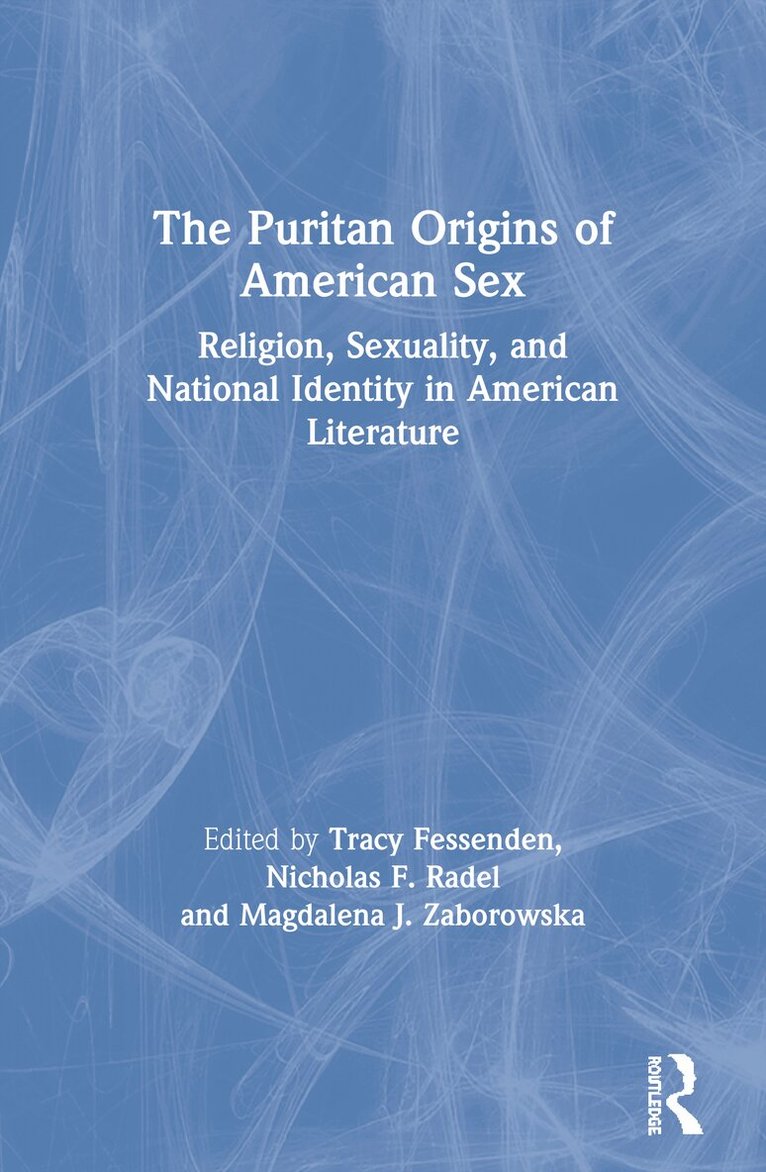
Puritan Origins of American Sex
Religion, Sexuality, and National Identity in American Literature
Av Tracy Fessenden, Nicholas F. Radel m. fl.
Inbunden, 2000
1521 kr
Lägg i varukorg
From witch trials to pickaxe murderers, from brothels to convents, and from slavery to Toni Morrison's Paradise, these essays provide fascinating and provocative insights into our sexual and religious conventions and beliefs.
Puritan Origins of American Sex
Religion, Sexuality, and National Identity in American Literature
Av Tracy Fessenden, Nicholas F. Radel m. fl.
Häftad, 2000
473 kr
Lägg i varukorg
From witch trials to pickaxe murderers, from brothels to convents, and from slavery to Toni Morrison's Paradise, these essays provide fascinating and provocative insights into our sexual and religious conventions and beliefs.
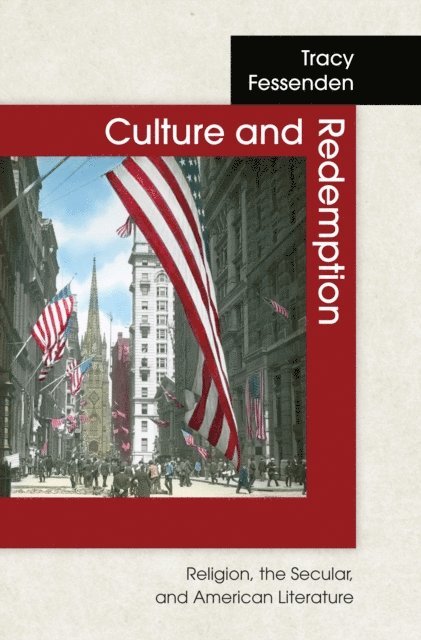
Culture and Redemption
Religion, the Secular, and American Literature
Inbunden, 2006
1485 kr
Lägg i varukorg
Many Americans wish to believe that the United States, founded in religious tolerance, has gradually and naturally established a secular public sphere that is equally tolerant of all religions--or none. Culture and Redemption suggests otherwise. Tracy Fessenden contends that the uneven separation …
Culture and Redemption
Religion, the Secular, and American Literature
Häftad, 2013
363 kr
Lägg i varukorg
Many Americans wish to believe that the United States, founded in religious tolerance, has gradually and naturally established a secular public sphere that is equally tolerant of all religions--or none. Culture and Redemption suggests otherwise. Tracy Fessenden contends that the uneven separation …
Puritan Origins of American Sex
Religion, Sexuality, and National Identity in American Literature
Av Magdalena J. Zaborowska, Nicholas F. Radel m. fl.
E-bok, 2014
637 kr
Lägg i varukorg
From witch trials to pickaxe murderers, from brothels to convents, and from slavery to Toni Morrison''s Paradise, these essays provide fascinating and provocative insights into our sexual and religious conventions and beliefs.
Puritan Origins of American Sex
Religion, Sexuality, and National Identity in American Literature
Av Magdalena J. Zaborowska, Nicholas F. Radel m. fl.
E-bok, 2014
637 kr
Lägg i varukorg
From witch trials to pickaxe murderers, from brothels to convents, and from slavery to Toni Morrison''s Paradise, these essays provide fascinating and provocative insights into our sexual and religious conventions and beliefs.
Culture and Redemption
Religion, the Secular, and American Literature
E-bok, 2011
492 kr
Lägg i varukorg
Many Americans wish to believe that the United States, founded in religious tolerance, has gradually and naturally established a secular public sphere that is equally tolerant of all religions--or none. Culture and Redemption suggests otherwise. Tracy Fessenden contends that the uneven separation …