Tricia Cusack - Böcker
Visar alla böcker från författaren Tricia Cusack. Handla med fri frakt och snabb leverans.
10 produkter
10 produkter
209 kr
Skickas inom 7-10 vardagar
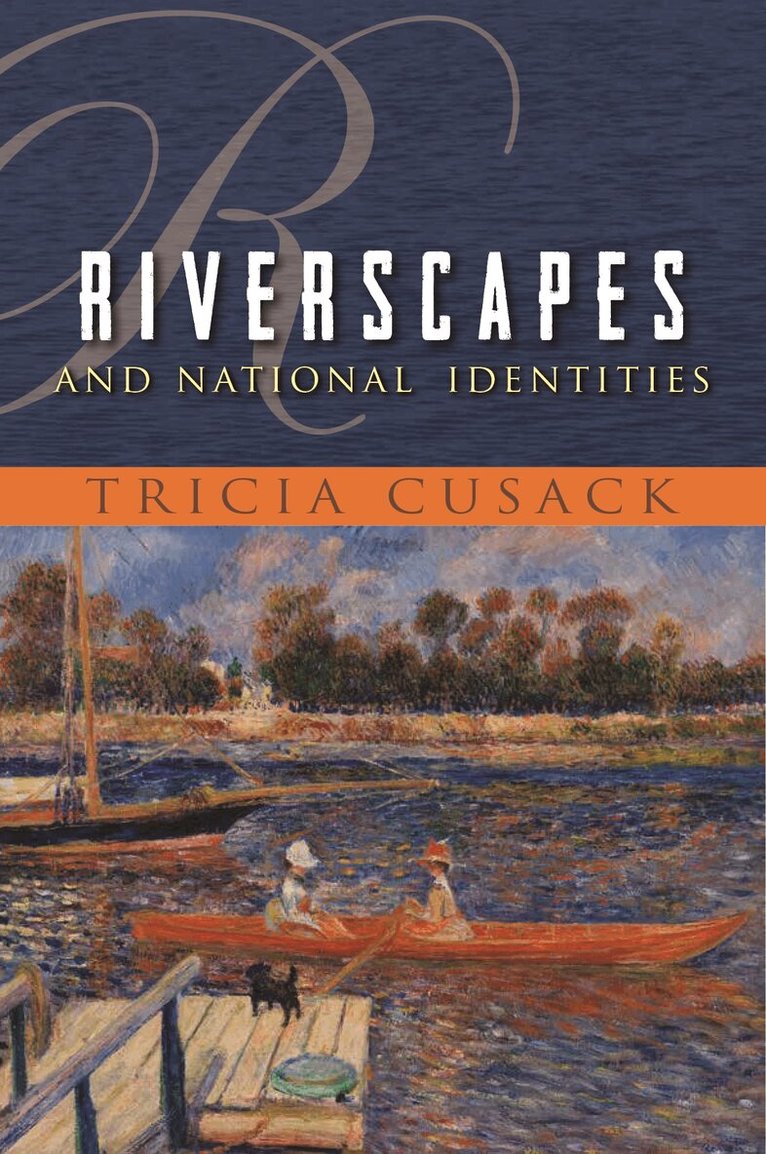
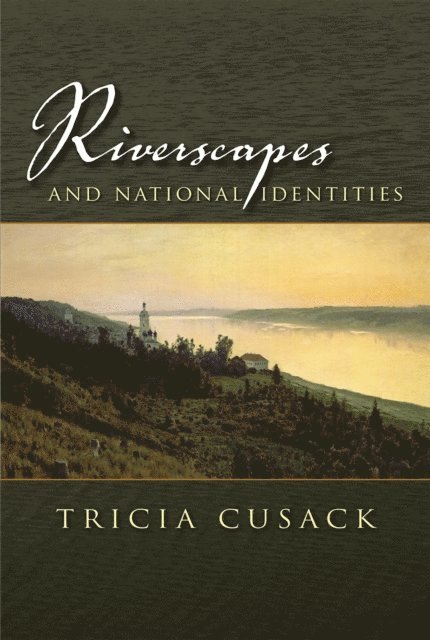
Painted riverscapes such as Claude Monet’s impressions of the Seine, Isaak Levitan’s Volga views, or Thomas Cole’s Hudson scenery became iconic not least because they embodied nationalist ideas about place and about culture. At a time when nationalism was taking root across Europe and the United States, the riverscape played an important role in transforming the abstract idea of the nation into a potent visual image. It not only offered a picture of the nation’s physical character, but through aspects such as style, the figures portrayed, and the nature of the implied spectator, it presented a cultural ideal.In this highly original book, Tricia Cusak explores significance of painted riverscapes to the creation of national identities in nineteenth and early twentieth century Europe and America. Focusing on five rivers, the Hudson, the Volga, the Seine, the Thames, and the Shannon, the author outlines the history of the development of national landscapes, elaborating on the distinctive nature of riverscapes. Drawing on the symbolic potential of rivers to represent life and time, the riverscape provided a metaphor for the mythic stream of national history flowing unimpeded out of the past and into the future.
331 kr
Skickas inom 7-10 vardagar
Painted riverscapes such as Claude Monet's impressions of the Seine, Isaak Levitan's Volga views, and Thomas Cole's Hudson scenery became iconic not least because they embodied nationalist ideas about place and about culture. At a time when nationalism was taking root across Europe and the United States, the riverscape played an important role in transforming the abstract idea of the nation into a potent visual image. It not only offered a picture of a nation's physical character, but also, through aspects such as style, the figures portrayed, and the nature of the implied spectator, it presented a cultural ideal. In this highly original book, Tricia Cusack explores the significance of painted riverscapes for the creation of national identities in nineteenth- and early twentieth-century Europe and America. Focusing on five rivers - the Hudson, the Volga, the Seine, the Thames, and the Shannon - the author shows how just as ancient river mythologies served the ends of powerful religious and political groups, modern riverscapes incorporated dominant, often religious conceptions of the nation. Drawing on the symbolic potential of rivers to represent life and time, the riverscape provided a metaphor for the mythic stream of national history flowing unimpeded out of the past and into the future.
786 kr
Skickas inom 10-15 vardagar
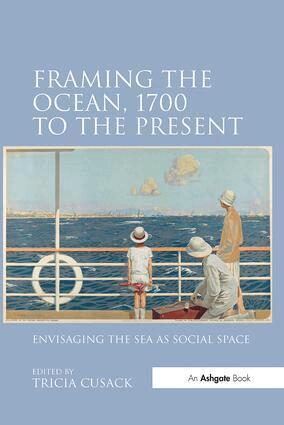
Before the eighteenth century, the ocean was regarded as a repulsive and chaotic deep. Despite reinvention as a zone of wonder and pleasure, it continued to be viewed in the West and elsewhere as ’uninhabited’, empty space. This collection, spanning the eighteenth century to the present, recasts the ocean as ’social space’, with particular reference to visual representations. Part I focuses on mappings and crossings, showing how the ocean may function as a liminal space between places and cultures but also connects and imbricates them. Part II considers ships as microcosmic societies, shaped for example by the purpose of the voyage, the mores of shipboard life, and cross-cultural encounters. Part III analyses narratives accreted to wrecks and rafts, what has sunk or floats perilously, and discusses attempts to recuperate plastic flotsam. Part IV plumbs ocean depths to consider how underwater creatures have been depicted in relation to emergent disciplines of natural history and museology, how mermaids have been reimagined as a metaphor of feminist transformation, and how the symbolism of coral is deployed by contemporary artists. This engaging and erudite volume will interest a range of scholars in humanities and social sciences, including art and cultural historians, cultural geographers, and historians of empire, travel, and tourism.
786 kr
Skickas inom 10-15 vardagar
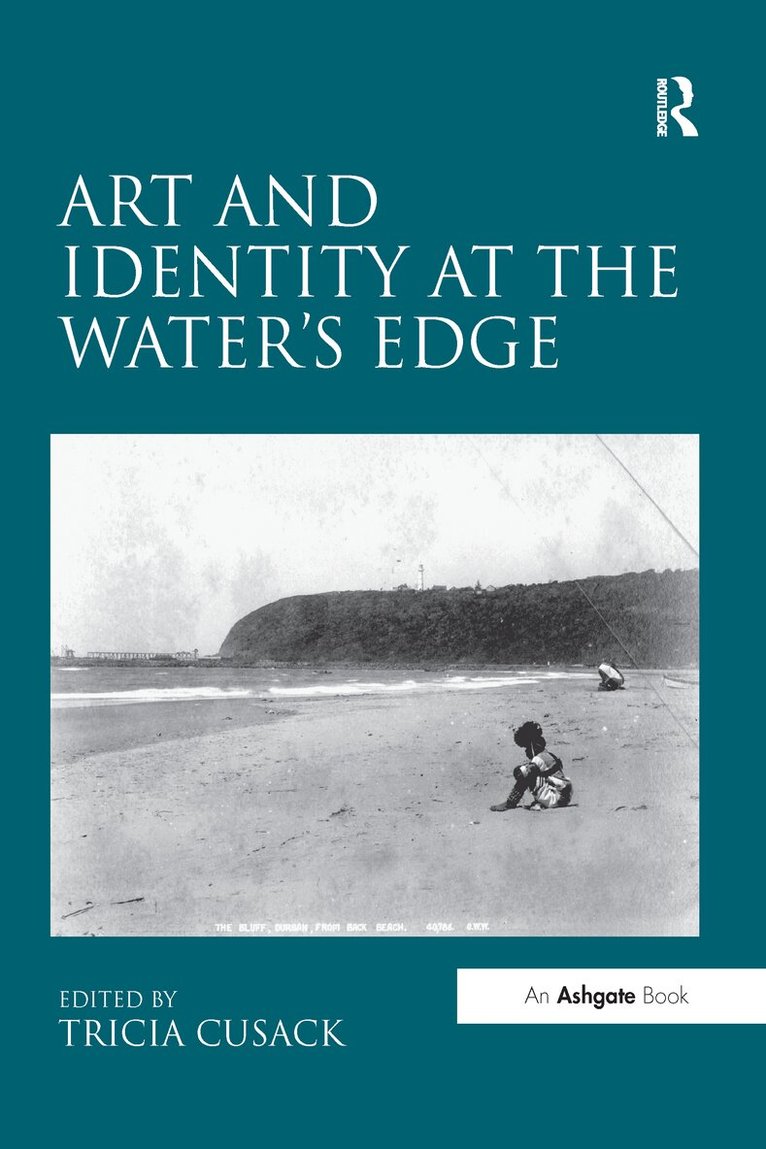
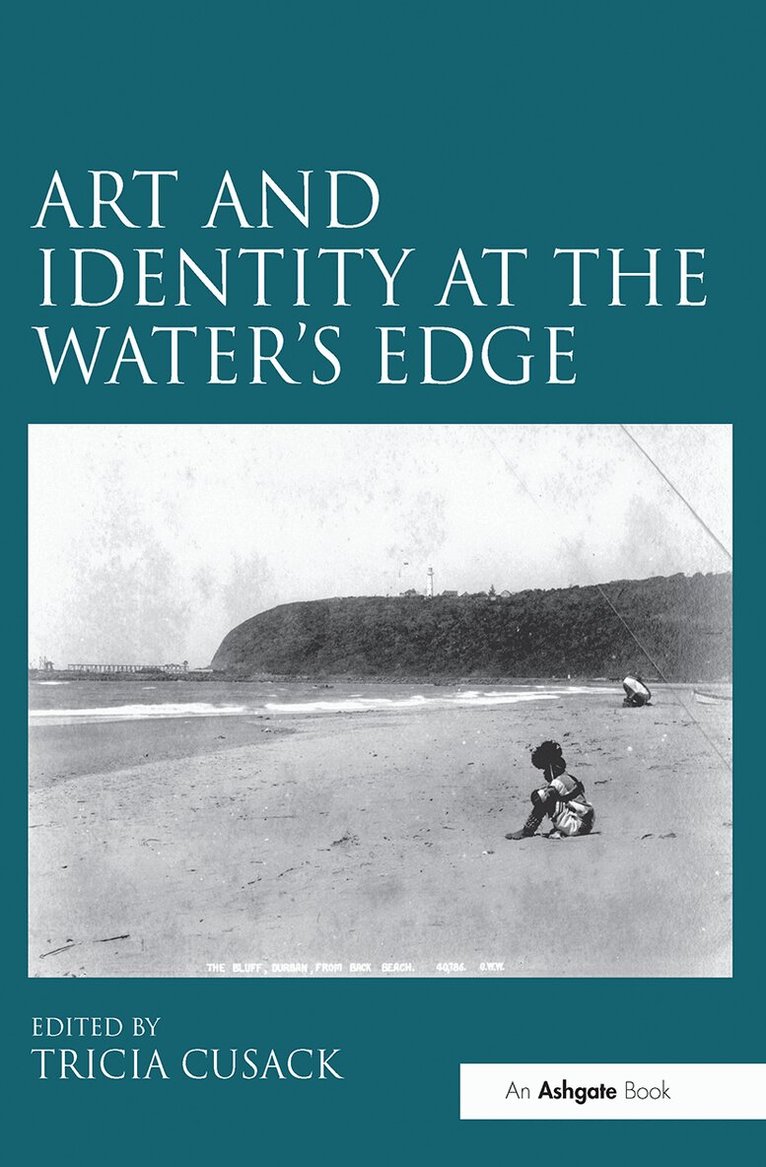
The water's edge, whether shore or riverbank, is a marginal territory that becomes invested with layers of meaning. The essays in this collection present intriguing perspectives on how the water's edge has been imagined and represented in different places at various times and how this process contributed to the formation of social identities. Art and Identity at the Water's Edge focuses upon national coastlines and maritime heritage; on rivers and seashore as regions of liminality and sites of conflicting identities; and on the edge as a tourist setting. Such themes are related to diverse forms of art, including painting, architecture, maps, photography, and film. Topics range from the South African seaside resort of Durban to the French Riviera. The essays explore successive ideological mappings of the Jordan River, and how Czech cubist architecture and painting shaped a new nationalist reading of the Vltava riverbanks. They examine post-Hurricane Katrina New Orleans as a filmic spectacle that questions assumptions about American identity, and the coast depicted as a site of patriotism in nineteenth-century British painting. The collection demonstrates how waterside structures such as maritime museums and lighthouses, and visual images of the water's edge, have contributed to the construction of cultural and national identities.
508 kr
Skickas inom 10-15 vardagar
This title was first published in 2003. The essay collection explores the conjunctions of nation, gender, and visual representation in a number of countries-including Ireland, Scotland, Britain, Canada, Finland, Russia and Germany-during the nineteenth and twentieth centuries. The contributors show visual imagery to be a particularly productive focus for analysing the intersections of nation and gender, since the nation and nationalism, as abstract concepts, have to be "embodied" in ways that make them imaginable, especially through the means of art. They explore how allegorical female figures personify the nation across a wide range of visual media, from sculpture to political cartoons and how national architectures may also be gendered. They show how through such representations, art reveals the ethno-cultural bases of nationalisms. Through the study of such images, the essays in this volume cast new light on the significance of gender in the construction of nationalist ideology and the constitution of the nation-state. In tackling the conjunctions of nation, gender and visual representation, the case studies presented in this publication can be seen to provide exciting new perspectives on the study of nations, of gender and the history of art. The range of countries chosen and the variety of images scrutinised create a broad arena for further debate.
1 676 kr
Skickas inom 10-15 vardagar
This title was first published in 2003. The essay collection explores the conjunctions of nation, gender, and visual representation in a number of countries-including Ireland, Scotland, Britain, Canada, Finland, Russia and Germany-during the nineteenth and twentieth centuries. The contributors show visual imagery to be a particularly productive focus for analysing the intersections of nation and gender, since the nation and nationalism, as abstract concepts, have to be "embodied" in ways that make them imaginable, especially through the means of art. They explore how allegorical female figures personify the nation across a wide range of visual media, from sculpture to political cartoons and how national architectures may also be gendered. They show how through such representations, art reveals the ethno-cultural bases of nationalisms. Through the study of such images, the essays in this volume cast new light on the significance of gender in the construction of nationalist ideology and the constitution of the nation-state. In tackling the conjunctions of nation, gender and visual representation, the case studies presented in this publication can be seen to provide exciting new perspectives on the study of nations, of gender and the history of art. The range of countries chosen and the variety of images scrutinised create a broad arena for further debate.
2 232 kr
Skickas inom 10-15 vardagar
The water's edge, whether shore or riverbank, is a marginal territory that becomes invested with layers of meaning. The essays in this collection present intriguing perspectives on how the water's edge has been imagined and represented in different places at various times and how this process contributed to the formation of social identities. Art and Identity at the Water's Edge focuses upon national coastlines and maritime heritage; on rivers and seashore as regions of liminality and sites of conflicting identities; and on the edge as a tourist setting. Such themes are related to diverse forms of art, including painting, architecture, maps, photography, and film. Topics range from the South African seaside resort of Durban to the French Riviera. The essays explore successive ideological mappings of the Jordan River, and how Czech cubist architecture and painting shaped a new nationalist reading of the Vltava riverbanks. They examine post-Hurricane Katrina New Orleans as a filmic spectacle that questions assumptions about American identity, and the coast depicted as a site of patriotism in nineteenth-century British painting. The collection demonstrates how waterside structures such as maritime museums and lighthouses, and visual images of the water's edge, have contributed to the construction of cultural and national identities.
2 232 kr
Skickas inom 10-15 vardagar
Before the eighteenth century, the ocean was regarded as a repulsive and chaotic deep. Despite reinvention as a zone of wonder and pleasure, it continued to be viewed in the West and elsewhere as ’uninhabited’, empty space. This collection, spanning the eighteenth century to the present, recasts the ocean as ’social space’, with particular reference to visual representations. Part I focuses on mappings and crossings, showing how the ocean may function as a liminal space between places and cultures but also connects and imbricates them. Part II considers ships as microcosmic societies, shaped for example by the purpose of the voyage, the mores of shipboard life, and cross-cultural encounters. Part III analyses narratives accreted to wrecks and rafts, what has sunk or floats perilously, and discusses attempts to recuperate plastic flotsam. Part IV plumbs ocean depths to consider how underwater creatures have been depicted in relation to emergent disciplines of natural history and museology, how mermaids have been reimagined as a metaphor of feminist transformation, and how the symbolism of coral is deployed by contemporary artists. This engaging and erudite volume will interest a range of scholars in humanities and social sciences, including art and cultural historians, cultural geographers, and historians of empire, travel, and tourism.
1 291 kr
Skickas inom 5-8 vardagar
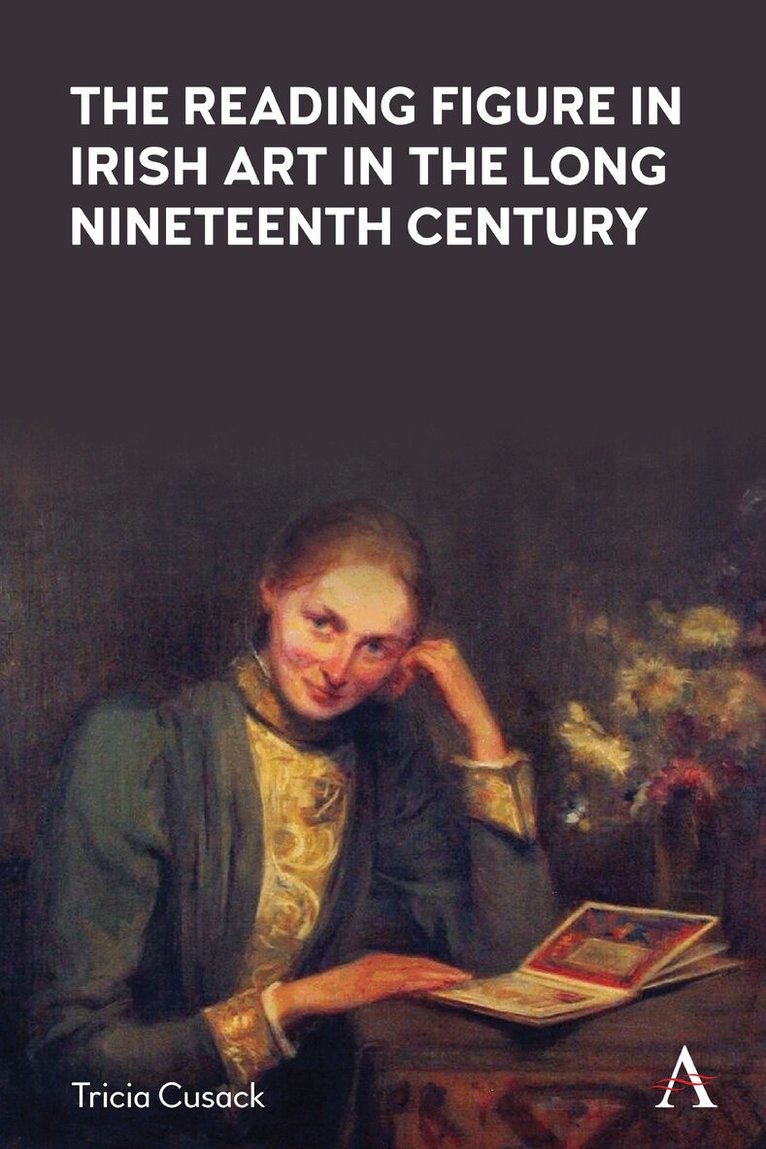
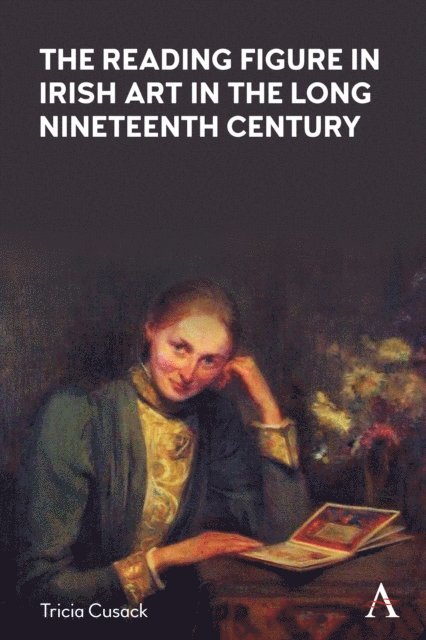
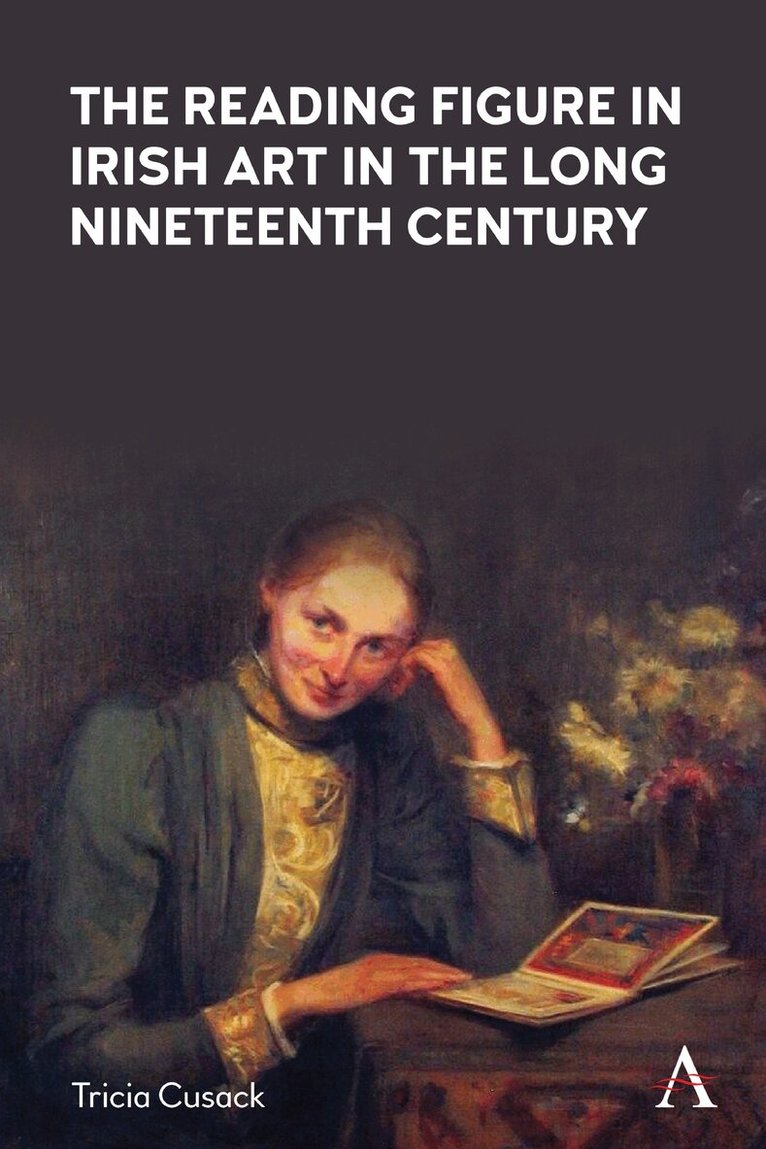
The reading figure has been a recurrent theme in Western art but especially from the nineteenth century. This book examines Irish portraits during the long nineteenth century in which people are shown reading or holding a book. It explores different values ascribed to reading and contemporary constructions of the reader. The selected pictures are by artists born, trained, or practising in Ireland. 'Irish art' is, therefore, used broadly to include work framed in some way by experience of Ireland and its history, culture, and politics. This was a time of large social and cultural shifts for Ireland, and a period when books and other reading, including Irish novels, were often published in London. Many of the artists and sitters discussed were Anglo-Irish Protestants. Both Imperial and nationalist ideologues tended to devalue reading, especially fiction, as an unmanly occupation. Nonetheless, some men are depicted reading and failing to embody a manly attitude. The spread of the novel, and the introduction of ‘silent reading’ allowed women of the middle and upper classes, often Anglo-Irish, to engage with a range of imaginative reading materials, secure from patriarchal surveillance. Visual images of women as serious readers drew on and contributed to the emergence of the ‘New Woman’ in Ireland.
414 kr
Skickas inom 5-8 vardagar
The reading figure has been a recurrent theme in Western art but especially from the nineteenth century. This book examines Irish portraits during the long nineteenth century in which people are shown reading or holding a book. It explores different values ascribed to reading and contemporary constructions of the reader. The selected pictures are by artists born, trained, or practising in Ireland. 'Irish art' is, therefore, used broadly to include work framed in some way by experience of Ireland and its history, culture, and politics. This was a time of large social and cultural shifts for Ireland, and a period when books and other reading, including Irish novels, were often published in London. Many of the artists and sitters discussed were Anglo-Irish Protestants. Both Imperial and nationalist ideologues tended to devalue reading, especially fiction, as an unmanly occupation. Nonetheless, some men are depicted reading and failing to embody a manly attitude. The spread of the novel, and the introduction of ‘silent reading’ allowed women of the middle and upper classes, often Anglo-Irish, to engage with a range of imaginative reading materials, secure from patriarchal surveillance. Visual images of women as serious readers drew on and contributed to the emergence of the ‘New Woman’ in Ireland.