TURNBULL - Böcker
Visar alla böcker från författaren TURNBULL. Handla med fri frakt och snabb leverans.
4 produkter
4 produkter
2 351 kr
Skickas inom 7-10 vardagar
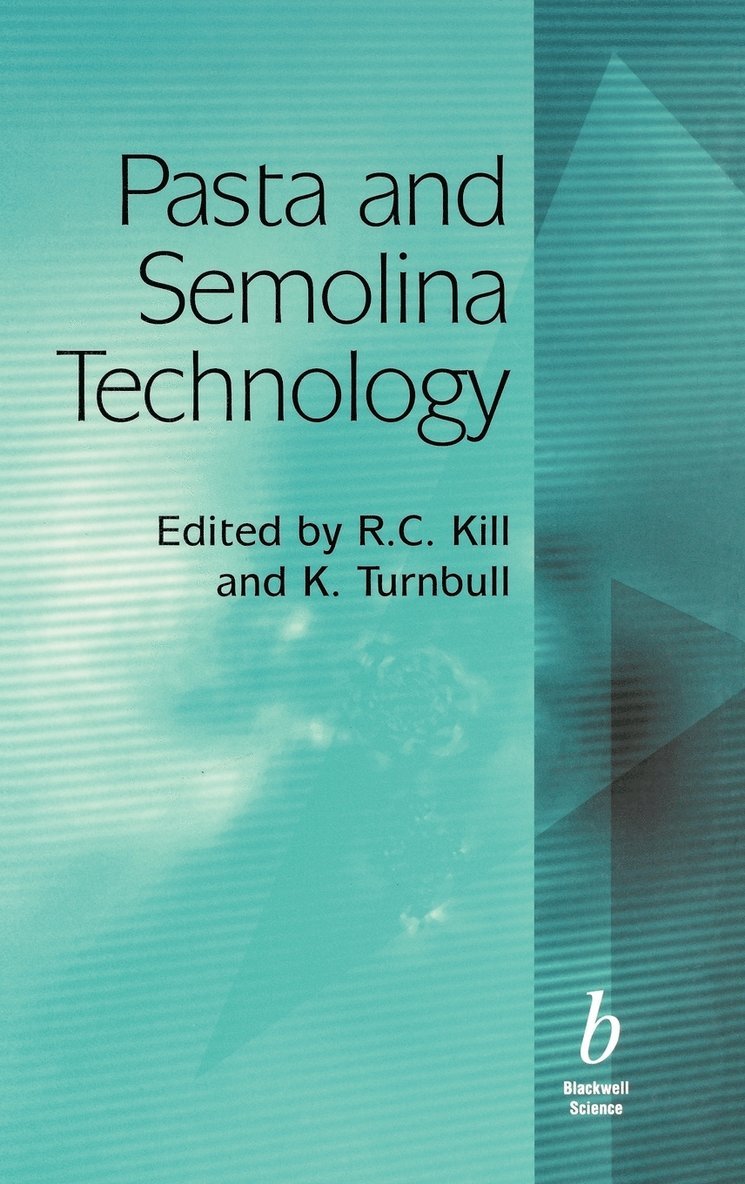
Over the last few years the technologies employed in the production of dry pasta and semolina have changed dramatically. This highly practical book examines these changes and gives commercially relevant information to the reader in the areas of durum wheat, semolina production, pasta mixing and extrusion, shape design and quality assurance. Written principally for food technologists working with pasta as an end product or as an ingredient, this book is also an essential reference source for academic, research and teaching institutions.
808 kr
Skickas inom 7-10 vardagar
Learning disability nurses play a leading role in the care and support of people with learning disabilities. Learning Disability Nursing explores the theory and practice of learning disability nursing, with an emphasis on understanding the experiences of learning disability nurses as they seek to practice effectively. It examines key issues faced by people with learning disabilities and those who support them and promotes the role of knowledgeable and reflective practitioners. * Develops a framework for learning disability nursing practice* Examines key issues for people with learning disabilities* Identifies distinctive features of learning disability nursing* Supports learning disability nurses in developing their roles and to support those with learning disabilities in exercising their rights.* Explores ethical and moral dilemmas, challenges and successes
207 kr
Skickas inom 10-15 vardagar
Del 25 - Annual Plant Reviews
Annual Plant Reviews, Plant Architecture and its Manipulation
Inbunden, Engelska, 2005
3 070 kr
Skickas inom 7-10 vardagar
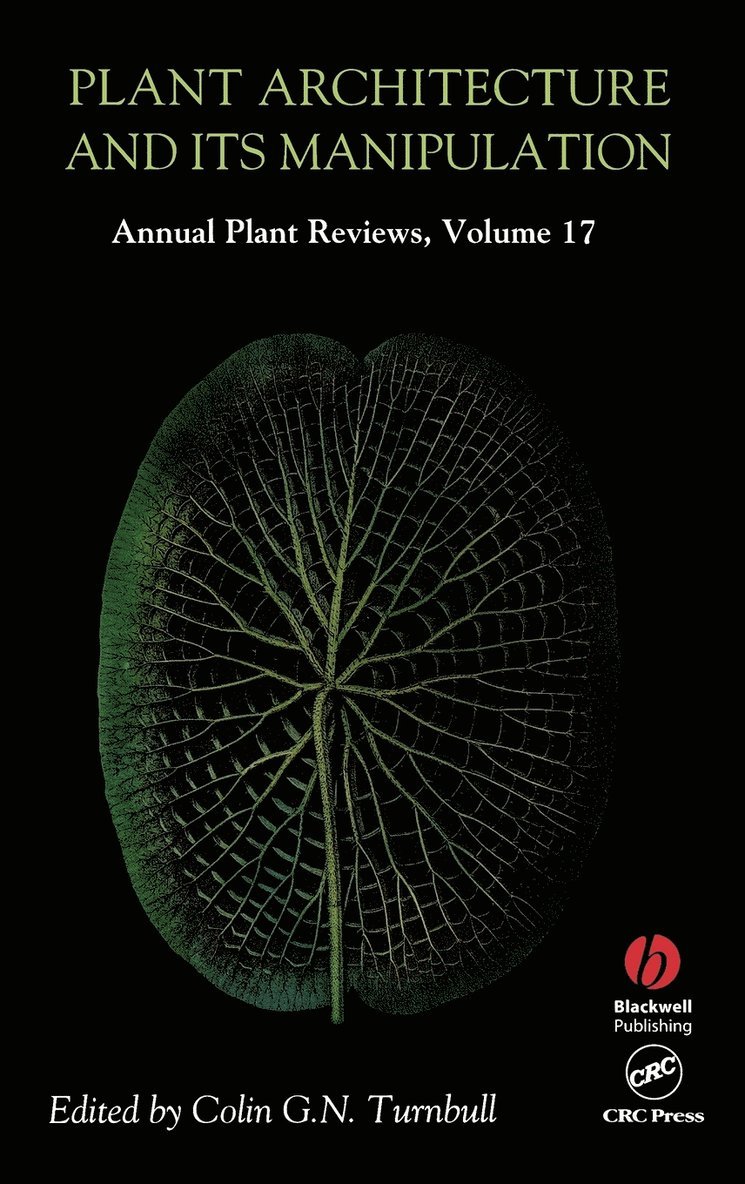
Annual Plant Reviews, Volume 17Conventionally, architecture relates to buildings, embracing both art and science, and specifying both form and function. In scope, this closely matches the study of plant architecture. From an artistic perspective, we might marvel at the astonishing diversity of aesthetically pleasing plant structures, yet as scientists we know that, through natural selection, very little of form is dissociated from function. The origins of studies of plant architecture and their influences on human existence are steeped in history, but, from a twenty-first century perspective, the field has been transformed from a discipline of observation and description into one in which complex networks of genetic, chemical and environmental factors can be directly manipulated and modelled. Arguably, manipulation of plant architecture has been one of the greatest mainstays of plant improvement - perhaps second only to the discoveries of the nutritional requirements of plants. With the advent of the ‘gene revolution’, there are countless new opportunities for selective modification of plant architecture. This book provides a broad coverage of our current understanding of plant architecture and its manipulation, ranging from the architecture of the individual cell to that of the whole plant. It is directed at researchers and professionals in plant physiology, developmental biology, molecular biology, genetics and biotechnology.