Ujjaini Mukhopadhyay - Böcker
Visar alla böcker från författaren Ujjaini Mukhopadhyay. Handla med fri frakt och snabb leverans.
6 produkter
6 produkter
1 092 kr
Skickas inom 10-15 vardagar
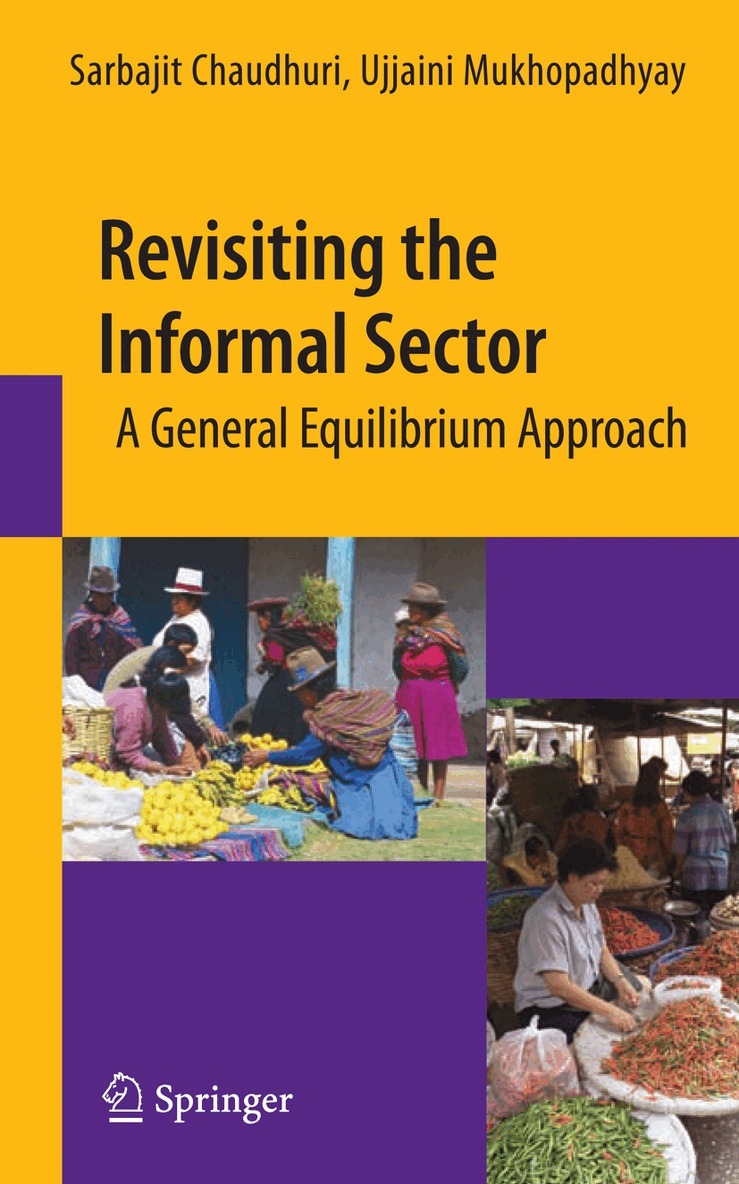
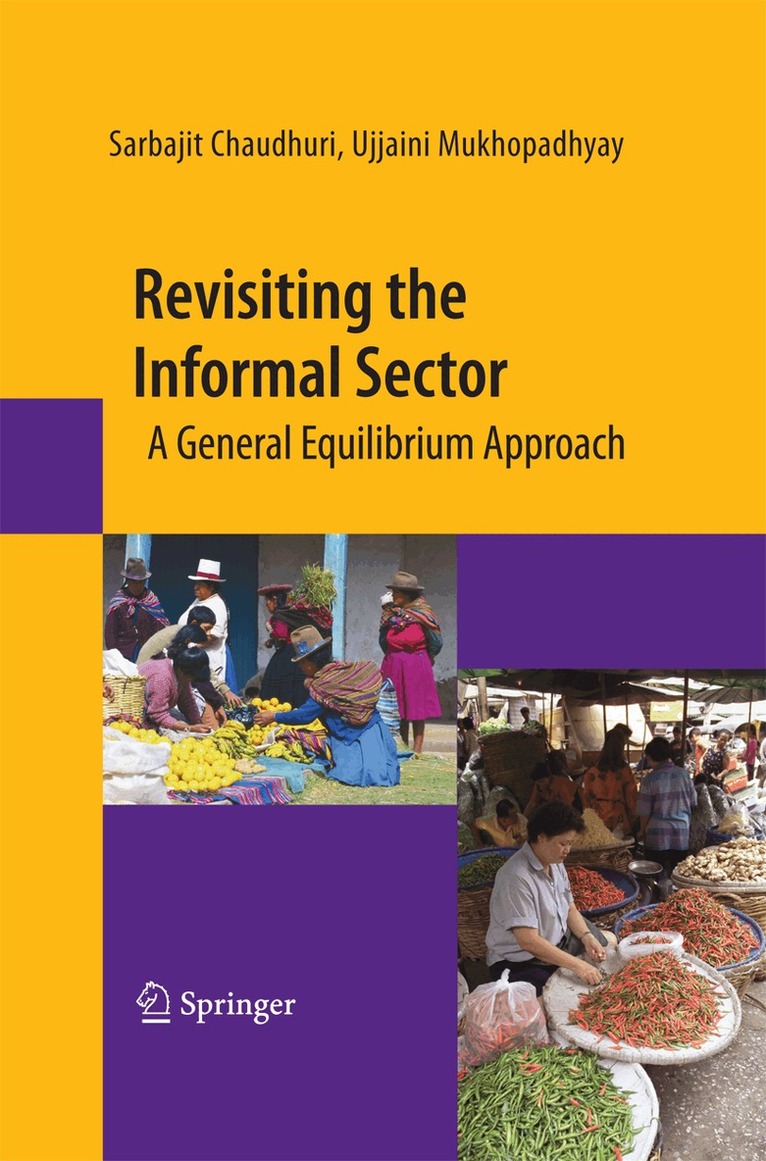
Informal sector has emerged as a critical element in the development process of theentiredevelopingworld.Itisnowwellrecognisedthatsuchasectorprovides employmenttothemajorityoftheworkforceinthepoorcountries.Sometimesthe shareofemploymentintheseactivitiesgoeswaybeyond50%oftotalemployment. Informalusuallyreferstoextra-legalandnon-recordedeconomicactivitiesandcan captureawholearrayofdiverseoccupations,productsandservices.Development Economicsasadisciplinehasnottreatedsuchtopicswithadequatereverence.Text booksdealingwitheconomicdevelopmentdonothaveexclusivesectionsdevoted to the discussion of growth, dynamics and sustenance of informal activities. In particular how informal transactions in?uence employment, output, productivity, wagesandenvironmentisseldomdiscussedformallyintermsofanalyticalm- els. Informal sector does not operate in a vacuum. Thus the general equilibrium linkages involving the informal and formal activities also need to be explored in detailifdevelopmentpoliciesaretobeproperlyevaluated.Thisvolumesuccessfully addressesboththeseissuesanddoesitwithcompetenceandrigour.Authorsofthisvolumehavebeenworkingonthefrontiersofdevelopmentpolicy researchinthecontextofopendevelopingeconomies,focusingmainlyongeneral equilibriumimplicationsofsuchpolicies.Infactoneoftheauthorshaswrittenat length on informal credit market. Sustained research programme on such a topic ofgreatsigni?cancelendscredibilitytothisvolume.Itisalsohightimethats- eralinternationalpublicationsoftheauthorsinrelatedareasareputtogetherina comprehensivemonograph.Iamde?nitesuchavolumewillbeveryhelpfultos- dents, researchers, policy makers and anyone seriously interested in development economics. CentreforStudiesinSocialSciences,Calcutta,India SugataMarjit vii Preface In the last few decades informal sector has drawn serious cognizance among economists in view of its role in developing economies. The earlier contention that the informal sector epitomises the 'residual' sector or a sector of last resort has been belied by a plethora of evidences indicating its dynamic character and its instrumental role in ameliorating unemployment and in propelling the dev- oping economies towards growth and prosperity.This conceptual metamorphosis regarding the informal sector has stimulated revived interest in the phenomenon amongdevelopmenteconomists.Thereexistmanybooksthatdealwiththesector analyticallyorempirically. However, the theoretical analysis of the different aspects of the sector is equally important, especially for formulation of appropriate policy prescriptions. Comparativestaticresults,inmanycases,divergefromtheconventionalresults.We noticedthatalthoughvariousauthorshavepublishedtheoreticalpapersindifferent journals, there are very few books that try to understand the informal sector in a theoreticalframework.Thislacunainculcatedinusaninteresttowritethisbook.
1 092 kr
Skickas inom 10-15 vardagar
Informal sector has emerged as a critical element in the development process of theentiredevelopingworld.Itisnowwellrecognisedthatsuchasectorprovides employmenttothemajorityoftheworkforceinthepoorcountries.Sometimesthe shareofemploymentintheseactivitiesgoeswaybeyond50%oftotalemployment. Informalusuallyreferstoextra-legalandnon-recordedeconomicactivitiesandcan captureawholearrayofdiverseoccupations,productsandservices.Development Economicsasadisciplinehasnottreatedsuchtopicswithadequatereverence.Text booksdealingwitheconomicdevelopmentdonothaveexclusivesectionsdevoted to the discussion of growth, dynamics and sustenance of informal activities. In particular how informal transactions in?uence employment, output, productivity, wagesandenvironmentisseldomdiscussedformallyintermsofanalyticalm- els. Informal sector does not operate in a vacuum. Thus the general equilibrium linkages involving the informal and formal activities also need to be explored in detailifdevelopmentpoliciesaretobeproperlyevaluated.Thisvolumesuccessfully addressesboththeseissuesanddoesitwithcompetenceandrigour.Authorsofthisvolumehavebeenworkingonthefrontiersofdevelopmentpolicy researchinthecontextofopendevelopingeconomies,focusingmainlyongeneral equilibriumimplicationsofsuchpolicies.Infactoneoftheauthorshaswrittenat length on informal credit market. Sustained research programme on such a topic ofgreatsigni?cancelendscredibilitytothisvolume.Itisalsohightimethats- eralinternationalpublicationsoftheauthorsinrelatedareasareputtogetherina comprehensivemonograph.Iamde?nitesuchavolumewillbeveryhelpfultos- dents, researchers, policy makers and anyone seriously interested in development economics. CentreforStudiesinSocialSciences,Calcutta,India SugataMarjit vii Preface In the last few decades informal sector has drawn serious cognizance among economists in view of its role in developing economies. The earlier contention that the informal sector epitomises the 'residual' sector or a sector of last resort has been belied by a plethora of evidences indicating its dynamic character and its instrumental role in ameliorating unemployment and in propelling the dev- oping economies towards growth and prosperity.This conceptual metamorphosis regarding the informal sector has stimulated revived interest in the phenomenon amongdevelopmenteconomists.Thereexistmanybooksthatdealwiththesector analyticallyorempirically. However, the theoretical analysis of the different aspects of the sector is equally important, especially for formulation of appropriate policy prescriptions. Comparativestaticresults,inmanycases,divergefromtheconventionalresults.We noticedthatalthoughvariousauthorshavepublishedtheoreticalpapersindifferent journals, there are very few books that try to understand the informal sector in a theoreticalframework.Thislacunainculcatedinusaninteresttowritethisbook.
1 092 kr
Skickas inom 10-15 vardagar
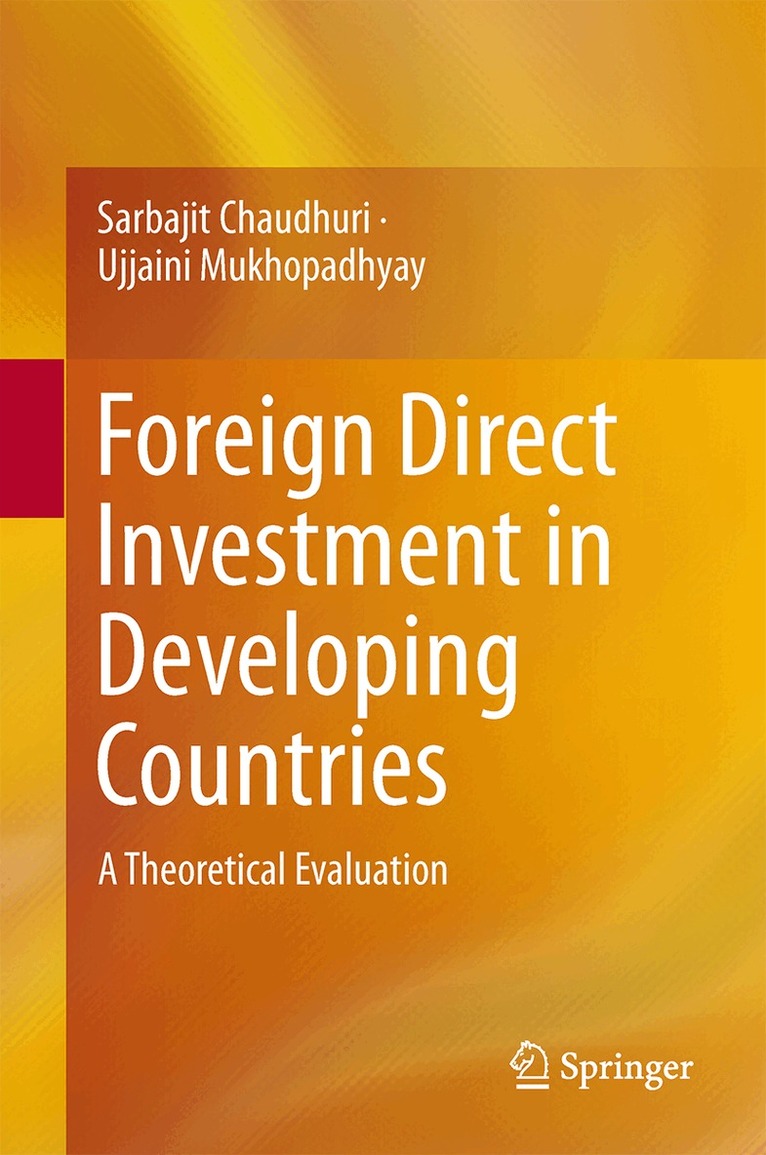
In development literature Foreign Direct Investment (FDI) is traditionally considered to be instrumental for the economic growth of all countries, particularly the developing ones.
1 092 kr
Skickas inom 10-15 vardagar
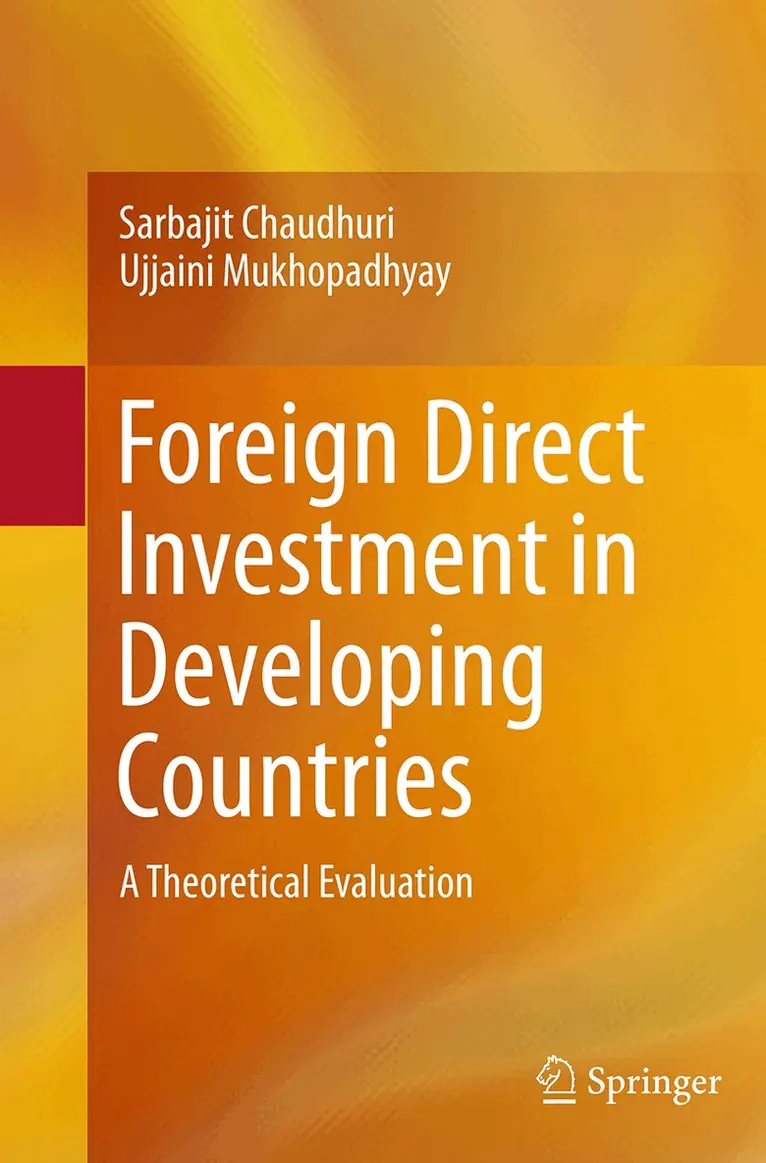
In development literature Foreign Direct Investment (FDI) is traditionally considered to be instrumental for the economic growth of all countries, particularly the developing ones.
955 kr
Skickas inom 10-15 vardagar
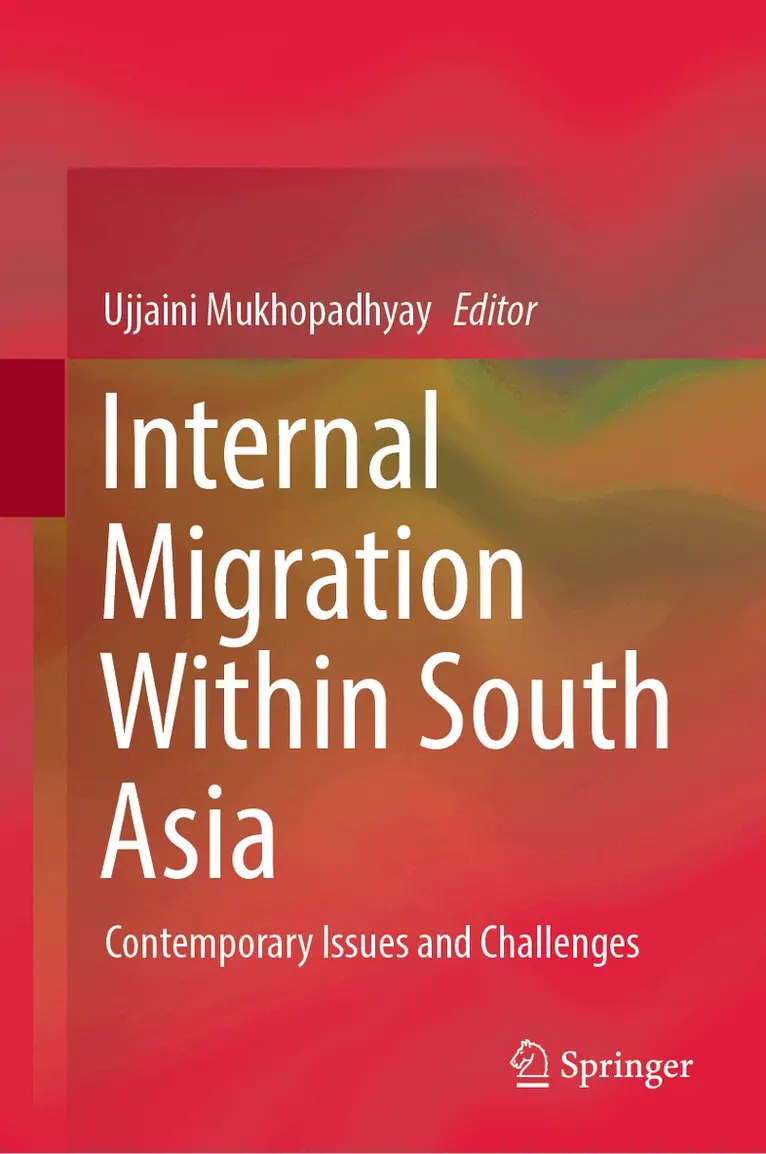
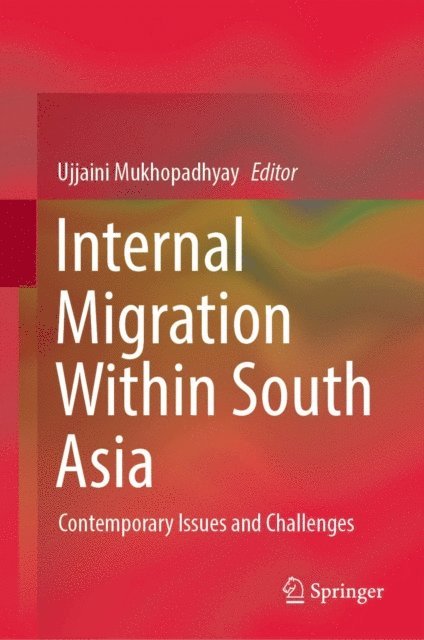
This book critically discusses the multi-dimensional contemporary issues within the ambit of the driving forces, mechanisms, vulnerability, and opportunities of the intra-region human movement in South Asia. It covers different dimensions of cross-border migration within South Asia as well as internal migration particularly in India, reflecting upon both voluntary and forced movements. It traces the trajectory and past trends in migration in the South Asian countries. It evaluates the vulnerability of refugees and stateless vis-à-vis state policies. Issues regarding Rohingya refugees from Myanmar to Bangladesh, Nepalese immigration to India, the crisis around Sri Lankan Tamil refugees, Afghan returnee refugees from Pakistan and Iran, resettlement of Bhutanese refugees are explored in the chapters. It also analyzes the impact on wage inequality due to emigration, the crucial role of social capital in migration decisions, and socio-economic vulnerabilities of women migrants in India.This book provides a clear understanding of international and internal migration in South Asia for students and academics, and a valuable resource for policy-makers and planners in development studies, regional development, and South Asian studies.
955 kr
Skickas inom 10-15 vardagar
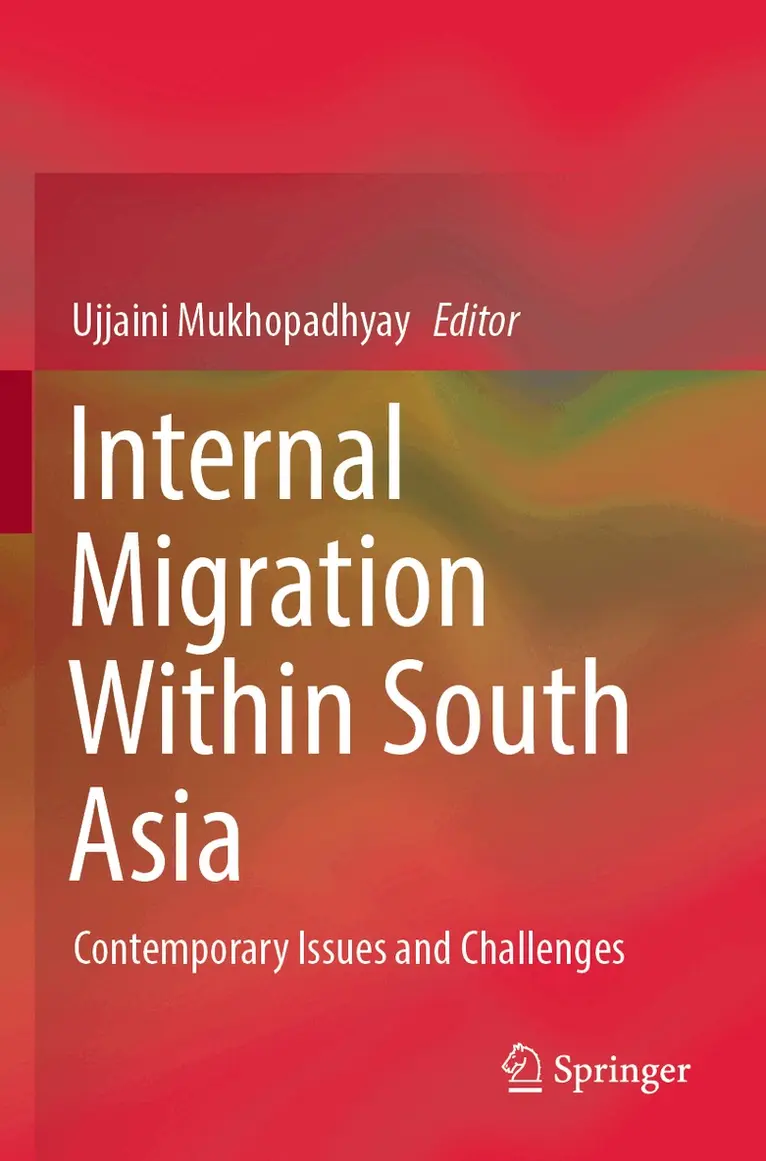
This book critically discusses the multi-dimensional contemporary issues within the ambit of the driving forces, mechanisms, vulnerability, and opportunities of the intra-region human movement in South Asia. It covers different dimensions of cross-border migration within South Asia as well as internal migration particularly in India, reflecting upon both voluntary and forced movements. It traces the trajectory and past trends in migration in the South Asian countries. It evaluates the vulnerability of refugees and stateless vis-à-vis state policies. Issues regarding Rohingya refugees from Myanmar to Bangladesh, Nepalese immigration to India, the crisis around Sri Lankan Tamil refugees, Afghan returnee refugees from Pakistan and Iran, resettlement of Bhutanese refugees are explored in the chapters. It also analyzes the impact on wage inequality due to emigration, the crucial role of social capital in migration decisions, and socio-economic vulnerabilities of women migrants in India.This book provides a clear understanding of international and internal migration in South Asia for students and academics, and a valuable resource for policy-makers and planners in development studies, regional development, and South Asian studies.