Ulrich Gotter – författare
Visar alla böcker från författaren Ulrich Gotter. Handla med fri frakt och snabb leverans.
6 produkter
Der Diktator ist tot!
Politik in Rom zwischen den Iden des März und der Begründung des Zweiten Triumvirats
E-bok, 2017
853 kr
Lägg i varukorg
An den Iden des März 44 v. Chr. scheiterte mit der Ermordung Caesars der erste Versuch, in Rom eine dauerhafte Alleinherrschaft zu errichten. Die Begründung des Zweiten Triumvirats im November 43 v. Chr. markiert das definitive Ende der römischen Republik. In den dazwischen liegenden eineinhalb …
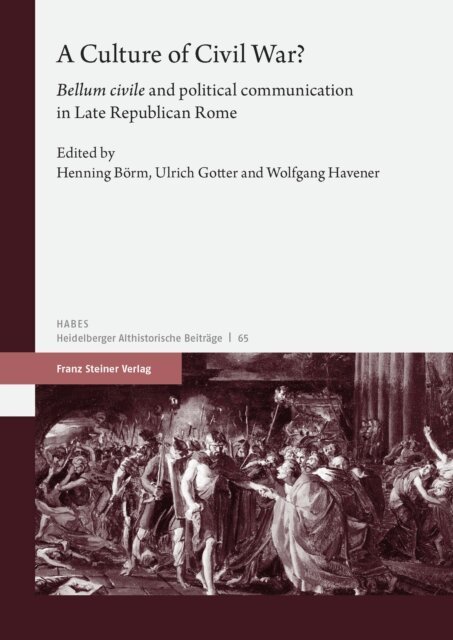
Culture of Civil War
"e;bellum civile"e; and Political Communication in Late Republican Rome
Av Wolfgang Havener, Ulrich Gotter m. fl.
E-bok, 2023
761 kr
Lägg i varukorg
The civil wars of the first century BCE disrupted Roman society, which in turn was a major cause of the destabilisation of the political system. While this has of course long been recognised, the cultural dimension of the disintegration of the res publica demands equal attention. The present volume …
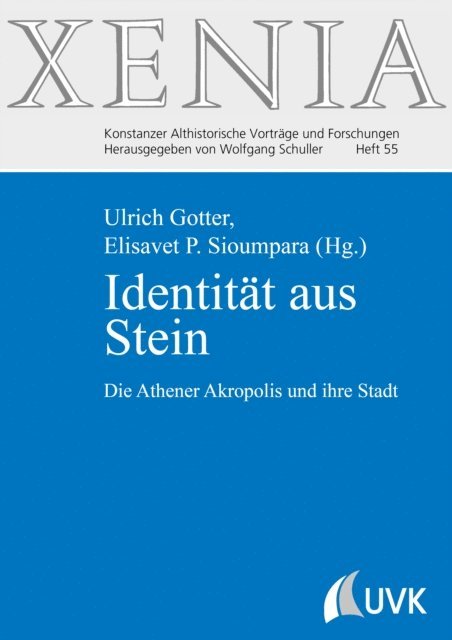
Identität aus Stein
Die Athener Akropolis und ihre Stadt
Av Elisavet P. Sioumpara, Ulrich Gotter
E-bok, 2022
918 kr
Lägg i varukorg
Die meisten antiken griechischen Städte hatten, soweit es die Topographie auch nur irgendwie zuließ, eine "Oberstadt". Dass "Akropolis" gleichwohl und oft genug im Singular mit bestimmtem Artikel firmiert und dann unausweichlich nach Athen gehört, ist mehr als ein historischer Zufall. Denn …
From Temple to Church
Destruction and Renewal of Local Cultic Topography in Late Antiquity
Av Stephen Emmel, Johannes Hahn m. fl.
Inbunden, 2008
3143 kr
Lägg i varukorg
Destruction of temples and their transformation into churches are central symbols of late antique change in religious environment, socio-political system, and public perception. Contemporaries were aware of these events’ far-reaching symbolic significance and of their immediate impact as …
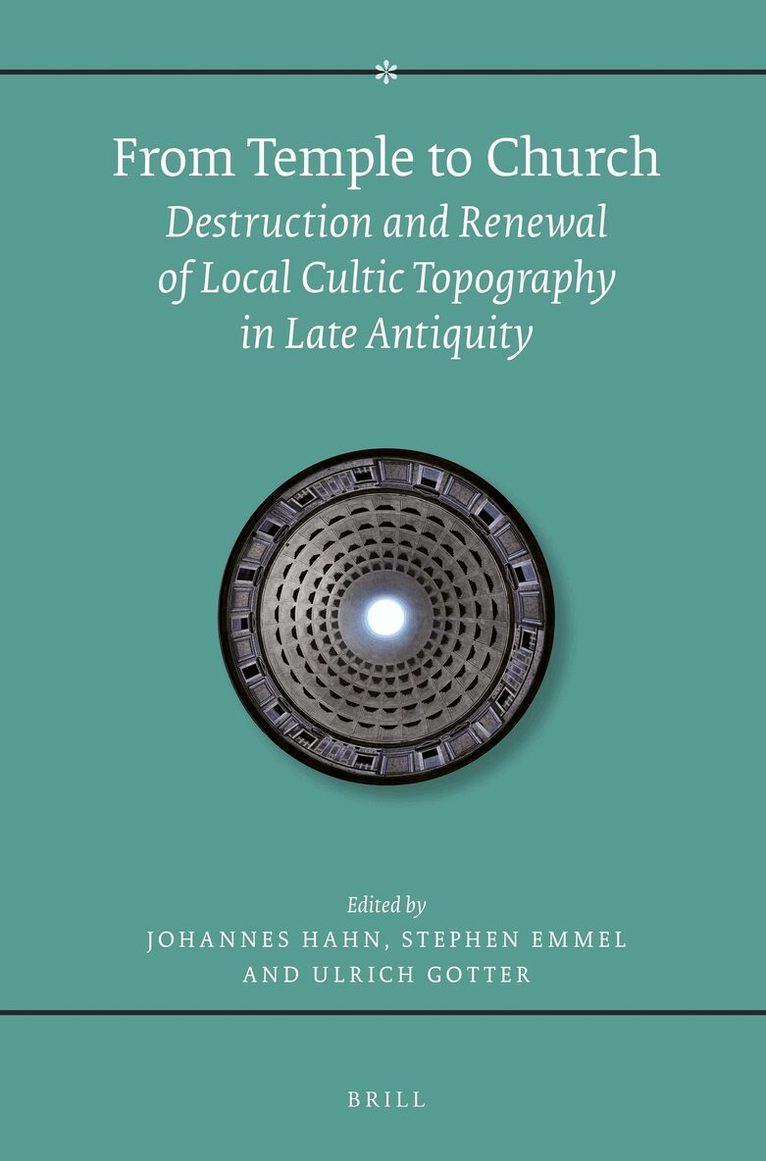
From Temple to Church
Destruction and Renewal of Local Cultic Topography in Late Antiquity
Av Stephen Emmel, Johannes Hahn m. fl.
Häftad, 2015
984 kr
Lägg i varukorg
Destruction of temples and their transformation into churches are central symbols of late antique change in religious environment, socio-political system, and public perception. Contemporaries were aware of these events’ far-reaching symbolic significance and of their immediate impact as …
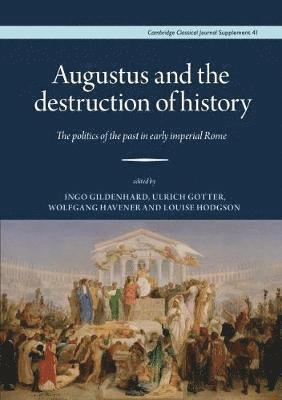
Augustus and the Destruction of History
The politics of the past in early imperial Rome
Av Ingo Gildenhard, Ulrich Gotter m. fl.
Inbunden, 2019
845 kr
Tillfälligt slut
Augustus and the Destruction of History explores the intense controversies over the meaning and profile of the past that accompanied the violent transformation of the Roman Republic into the Augustan principate. The ten case studies collected here analyse how different authors and agents …