Ulrich Herbert – författare
Visar alla böcker från författaren Ulrich Herbert. Handla med fri frakt och snabb leverans.
15 produkter
15 produkter
Inbunden, Engelska, 2019
681 kr
Skickas inom 5-8 vardagar
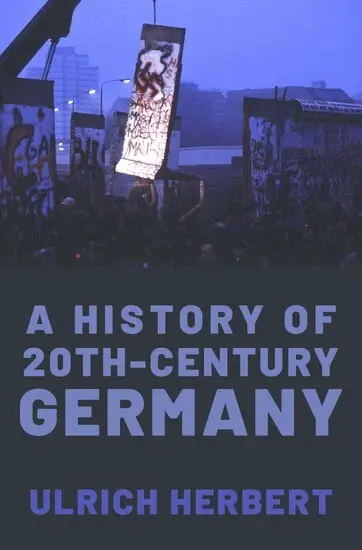
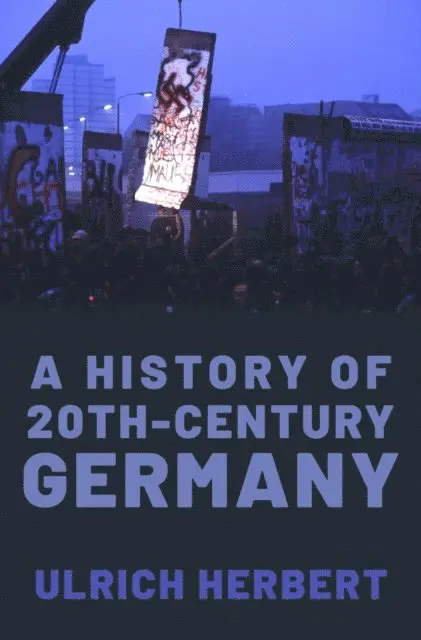
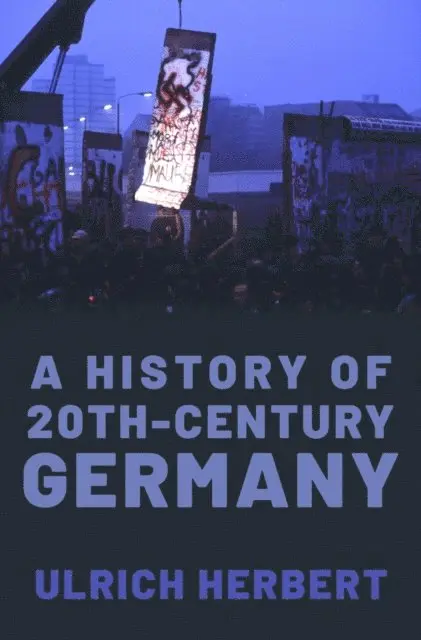
Germany in the 20th century endured two world wars, a failed democracy, Hitler's dictatorship, the Holocaust, and a country divided for 40 years after World War II. But it has also boasted a strong welfare state, affluence, liberalization and globalization, a successful democracy, and the longest period of peace in European history. A History of Twentieth-Century Germany provides a survey of German history during a century of extremes. Ulrich Herbert sees German history in the 20th century as determined by two contradictory perspectives. On one hand, there are the world wars and great catastrophes that divide the country's history into two parts-before and after 1945. Germany is the birthplace of radical ideologies of the left and right and the only country in which each ideology became the foundation of government. This pattern left its stamp on both the first and second halves of the century. On the other hand, the rise of modern industrial society led to decades of conflict over the social and political order regardless of which political system was in force. Considering these contradictory developments, Herbert tackles the questions of both the collapse in the first half of the century and the development from a post-fascist, ruined society to one of the most stable liberal democracies in the world in the latter half.Herbert's analysis brings together wars and terror, utopia and politics, capitalism and the welfare state, socialism and liberal democratic society, gender and generations, culture and lifestyles, European integration and globalization. The resulting book sets a standard by which historians of the period will be measured in the future.
E-bok
PDF, Engelska, 2019532 kr
Läs direkt efter köp
Germany in the 20th century endured two world wars, a failed democracy, Hitler''s dictatorship, the Holocaust, and a country divided for 40 years after World War II. But it has also boasted a strong welfare state, affluence, liberalization and globalization, a successful democracy, and the longest period of peace in European history.A History of Twentieth-Century Germany provides a survey of German history during a century of extremes. Ulrich Herbert sees German history in the 20th century as determined by two contradictory perspectives. On one hand, there are the world wars and great catastrophes that divide the country''s history into two parts-before and after 1945. Germany is the birthplace of radical ideologies of the left and right and the only country in which each ideology became the foundation of government. This pattern left its stamp on both the first and second halves of the century. On the other hand, the rise of modern industrial society led to decades of conflict over the social and political order regardless of which political system was in force. Considering these contradictory developments, Herbert tackles the questions of both the collapse in the first half of the century and the development from a post-fascist, ruined society to one of the most stable liberal democracies in the world in the latter half.Herbert''s analysis brings together wars and terror, utopia and politics, capitalism and the welfare state, socialism and liberal democratic society, gender and generations, culture and lifestyles, European integration and globalization. The resulting book sets a standard by which historians of the period will be measured in the future.
E-bok
Engelska, 2019518 kr
Läs direkt efter köp
Germany in the 20th century endured two world wars, a failed democracy, Hitler''s dictatorship, the Holocaust, and a country divided for 40 years after World War II. But it has also boasted a strong welfare state, affluence, liberalization and globalization, a successful democracy, and the longest period of peace in European history.A History of Twentieth-Century Germany provides a survey of German history during a century of extremes. Ulrich Herbert sees German history in the 20th century as determined by two contradictory perspectives. On one hand, there are the world wars and great catastrophes that divide the country''s history into two parts-before and after 1945. Germany is the birthplace of radical ideologies of the left and right and the only country in which each ideology became the foundation of government. This pattern left its stamp on both the first and second halves of the century. On the other hand, the rise of modern industrial society led to decades of conflict over the social and political order regardless of which political system was in force. Considering these contradictory developments, Herbert tackles the questions of both the collapse in the first half of the century and the development from a post-fascist, ruined society to one of the most stable liberal democracies in the world in the latter half.Herbert''s analysis brings together wars and terror, utopia and politics, capitalism and the welfare state, socialism and liberal democratic society, gender and generations, culture and lifestyles, European integration and globalization. The resulting book sets a standard by which historians of the period will be measured in the future.
Inbunden, Engelska, 2000
2 058 kr
Skickas inom 3-6 vardagar
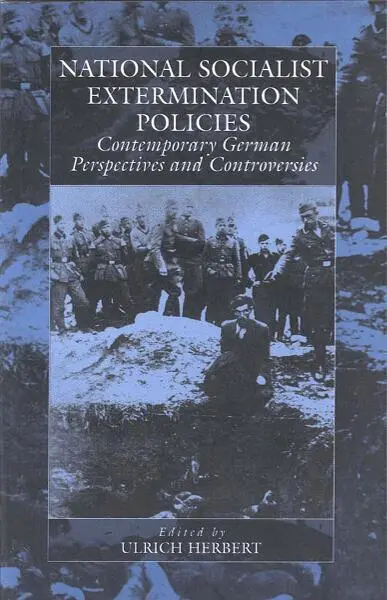
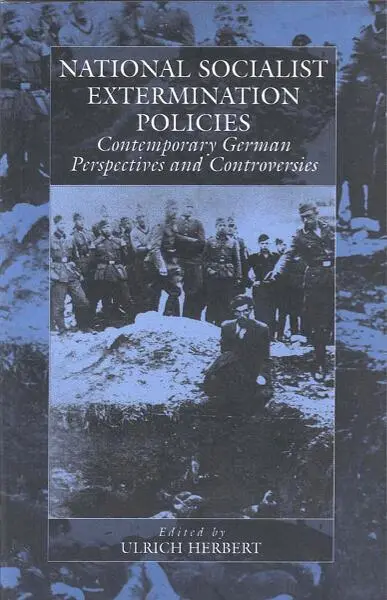
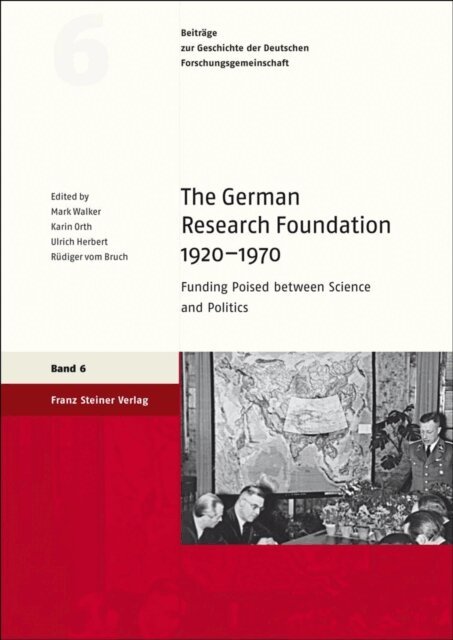
Moving beyond the well-established problems and public discussions of the Holocaust, this collection of essays, written by some of the leading German historians of the younger generation, leaves behind the increasingly agitated arguments of the last years and substantially broadens, and in many areas revises, our knowledge of the Holocaust. Unlike previous studies, which have focused on whether the Holocaust could best be understood as the "fulfilment of a world view or as a process of "cumulative radicalisation," these articles provide an overview of how situational elements and gradual processes of radicalisation were variously combined with ever-changing objectives and fundamental ideological convictions.Focusing on the developments in Poland, the Soviet Union, Serbia, and France the authors find that heretofore we have actually had very little knowledge of many aspects of this history, particularly with regards to the specific forces that motivated German policy in the individual regions of Central and Eastern Europe. Thus the National-Socialist extermination policy is not seen as a secret undertaking but rather as part of the German conquest and occupation policy in Europe.
Häftad, Engelska, 2000
521 kr
Skickas inom 3-6 vardagar
Moving beyond the well-established problems and public discussions of the Holocaust, this collection of essays, written by some of the leading German historians of the younger generation, leaves behind the increasingly agitated arguments of the last years and substantially broadens, and in many areas revises, our knowledge of the Holocaust. Unlike previous studies, which have focused on whether the Holocaust could best be understood as the "fulfilment of a world view or as a process of "cumulative radicalisation," these articles provide an overview of how situational elements and gradual processes of radicalisation were variously combined with ever-changing objectives and fundamental ideological convictions.Focusing on the developments in Poland, the Soviet Union, Serbia, and France the authors find that heretofore we have actually had very little knowledge of many aspects of this history, particularly with regards to the specific forces that motivated German policy in the individual regions of Central and Eastern Europe. Thus the National-Socialist extermination policy is not seen as a secret undertaking but rather as part of the German conquest and occupation policy in Europe.
Inbunden, Tyska, 2016
485 kr
Skickas inom 3-6 vardagar
Häftad, Tyska, 2017
334 kr
Skickas inom 3-6 vardagar
Häftad, Tyska, 2017
356 kr
Skickas inom 3-6 vardagar
Inbunden, Tyska, 2021
289 kr
Skickas inom 3-6 vardagar
Inbunden, Tyska, 2023
562 kr
Skickas inom 3-6 vardagar
Del 2859 - C. H. Beck Wissen
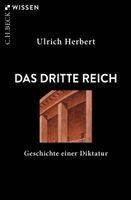
Das Dritte Reich
Häftad, Tyska, 2025
153 kr
Skickas inom 3-6 vardagar
Del 38 - Moderne Zeit
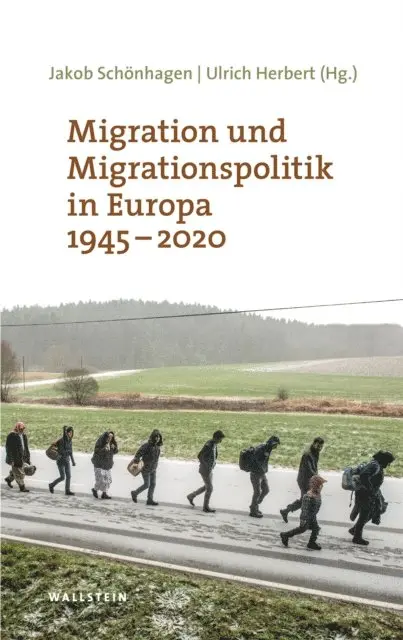
Migration und Migrationspolitik in Europa 1945-2020
Inbunden, Tyska, 2023
493 kr
Skickas inom 3-6 vardagar
E-bok
PDF, Tyska, 2023476 kr
Läs direkt efter köp
Was bedeutete Migration in Europa nach 1945?Bisherige Arbeiten zur Migrationsgeschichte verbleiben entweder im nationalen Rahmen oder untersuchen transnationale Organisationen und Prozesse. Kaum finden sich Studien, die diese Ebenen kombinieren.Im vorliegenden Band werden nun Migrationsprozesse und Migrationspolitik in 13 Ländern Europas von der Nachkriegszeit bis in die Gegenwart untersucht. Dabei geht es zum einen um die Migrationsprozesse selbst, um staatliche und behördliche Regulierungsversuche und deren Auswirkungen sowie um die Reaktionen der Einwanderungsgesellschaften und die der Migranten. Der Schwerpunkt liegt dabei auf der Perspektive der Nationalstaaten, um Gemeinsamkeiten und Unterschiede, Parallelen und Sonderwege zu identifizieren, Vergleiche zu ermöglichen und transnationale Prozesse zu erkennen.Vor allem zwischen den west- und osteuropäischen Ländern lassen sich dabei unterschiedliche Phasen erkennen zwischen Nachkriegs- und postkolonialer Migration, Arbeitsmigration, Binnenmigration, vor allem in der Sowjetunion, Ein- und Auswanderungsprozessen nach dem Zusammenbruch der Sowjetimperiums und der Migration aus den Bürgerkriegsstaaten, vor allem aus Syrien und Afghanistan, nach 2010.
E-bok
Spanska, 2024102 kr
Läs direkt efter köp
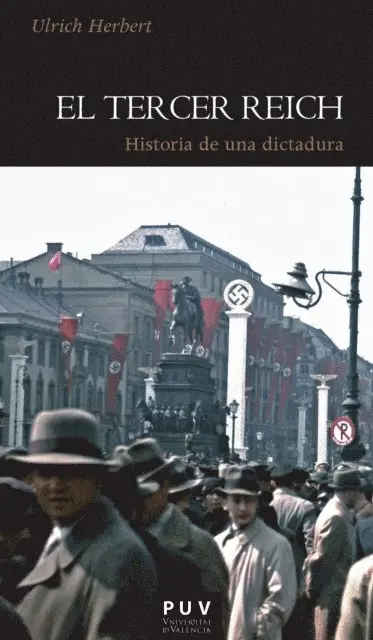
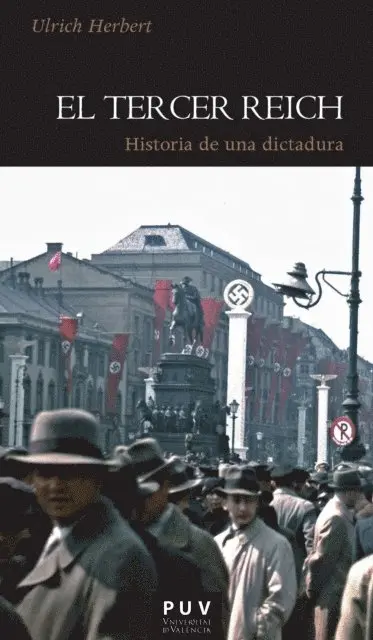
Este primer libro traducido al castellano del prestigioso historiador Ulrich Herbert ofrece, basándose en las investigaciones más recientes, una concisa panorámica del Tercer Reich. Tras analizar los factores que hicieron posible el ascenso del nacionalsocialismo y la instauración de la dictadura, la parte principal del ensayo se dedica a los años que van de 1939 a 1945, un periodo en el que la historia alemana se expande hacia una dimensión europea y mundial. Con una opinión clara y precisa, el autor analiza, entre otros aspectos, el surgimiento de la extrema derecha, la crisis de la primera democracia alemana, la colaboración de las elites tradicionales en la llegada del NSDAP al poder, la política antisemita nazi, la guerra de Hitler contra la Unión Soviética, las actitudes sociales de la población alemana, las políticas de ocupación en la Europa dominada por los alemanes y el exterminio de los judíos europeos.
E-bok
PDF, Spanska, 202499 kr
Läs direkt efter köp
Este primer libro traducido al castellano del prestigioso historiador Ulrich Herbert ofrece, basándose en las investigaciones más recientes, una concisa panorámica del Tercer Reich. Tras analizar los factores que hicieron posible el ascenso del nacionalsocialismo y la instauración de la dictadura, la parte principal del ensayo se dedica a los años que van de 1939 a 1945, un periodo en el que la historia alemana se expande hacia una dimensión europea y mundial. Con una opinión clara y precisa, el autor analiza, entre otros aspectos, el surgimiento de la extrema derecha, la crisis de la primera democracia alemana, la colaboración de las elites tradicionales en la llegada del NSDAP al poder, la política antisemita nazi, la guerra de Hitler contra la Unión Soviética, las actitudes sociales de la población alemana, las políticas de ocupación en la Europa dominada por los alemanes y el exterminio de los judíos europeos.