Ulrich Joger – författare
4 671 kr
Skickas inom 3-6 vardagar
3 655 kr
Läs direkt efter köp
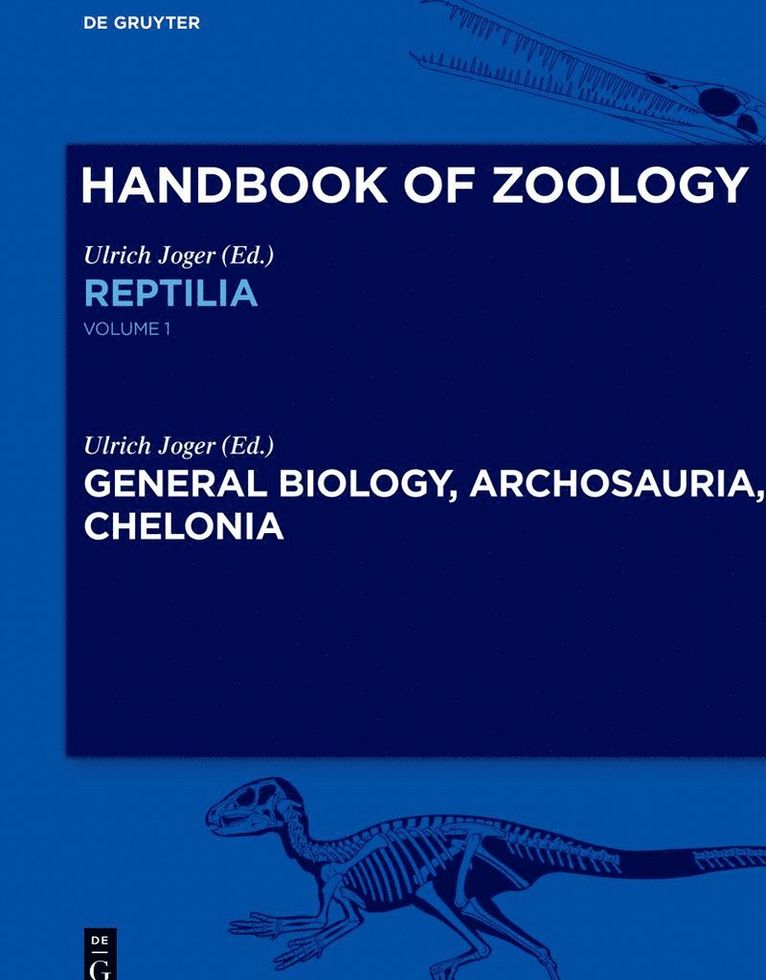
With more than 10,000 known species, recent reptiles (excluding birds) are the most specious tetrapod class. Their diversity is high, and many of them are frequently used as model organisms in phylogeographic and ecological studies. On the other hand, unique aspects of their biology are still being studied and important contributions to their understanding have just been issued. These aspects include the evolution of viviparity and of venom glands, metabolic regulation in poikilotherms, their ecophysiological tolerance and neurobiological and sensorial capacities such as infrared imaging and chemosensitivity. Genetic and developmental phenomena such as parthenogenesis and temperature-dependent sex determination are also special to reptiles. They are generally important for understanding evolutionary processes in vertebrates.The latest results of worldwide research on dinosaurs and other fossil reptiles, crocodiles and turtles conclude this first volume of Reptilia in the Handbook of Zoology.
3 527 kr
Läs direkt efter köp
With more than 10,000 known species, recent reptiles (excluding birds) are the most specious tetrapod class. Their diversity is high, and many of them are frequently used as model organisms in phylogeographic and ecological studies. On the other hand, unique aspects of their biology are still being studied and important contributions to their understanding have just been issued. These aspects include the evolution of viviparity and of venom glands, metabolic regulation in poikilotherms, their ecophysiological tolerance and neurobiological and sensorial capacities such as infrared imaging and chemosensitivity. Genetic and developmental phenomena such as parthenogenesis and temperature-dependent sex determination are also special to reptiles. They are generally important for understanding evolutionary processes in vertebrates.The latest results of worldwide research on dinosaurs and other fossil reptiles, crocodiles and turtles conclude this first volume of Reptilia in the Handbook of Zoology.
3 583 kr
Skickas inom 10-15 vardagar
4 422 kr
Läs direkt efter köp
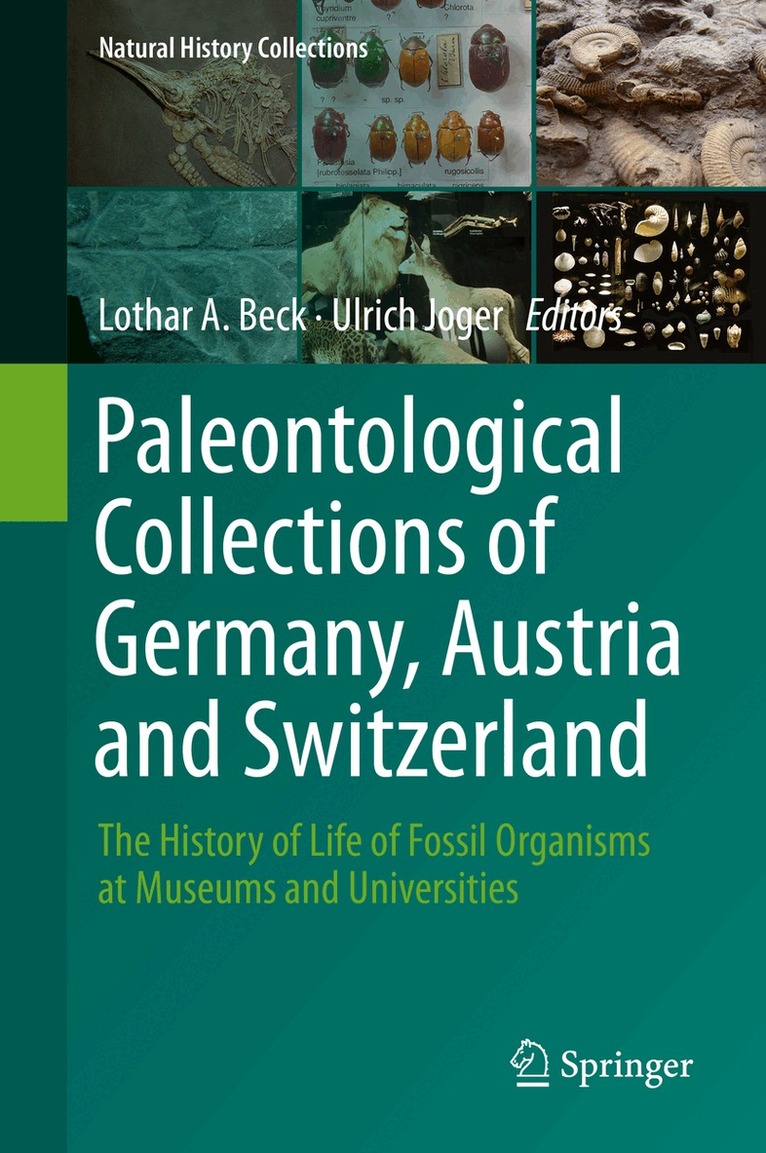
This book is devoted to 250 years of collecting, organizing and preserving paleontological specimens by generations of scientists. Paleontological collections are a huge resource for modern research and should be available for national and international scientists and institutions, as well as prospective public and private customers. These collections are an important part of the scientific enterprise, supporting research, public education, and the documentation of past biodiversity. Much of what we are beginning to understand about our world, we owe to the collection, preservation, and ongoing study of natural specimens. Properly preserved collections of fossil marine or terrestrial plants and animals are archives of Earth''s history and vital to our ability to learn about our place in its future.
The approach employed by the editors involves not only an introduction to the paleontological collections in general, but also information on the international and national collection networks. Particular attention is given to new exhibition concepts and approaches of sorting, preserving and researching in paleontological collections and also their neglect and/or threat. In addition, the book provides information on all big public museums, on important state museums and regional Museums, and also on university collections.
This is a highly informative and carefully presented book, providing scientific insight for readers with an interest in fossil record, biodiversity, taxonomy, or evolution, as well as natural history collections at large.