Ulrika Morth – författare
732 kr
Läs direkt efter köp
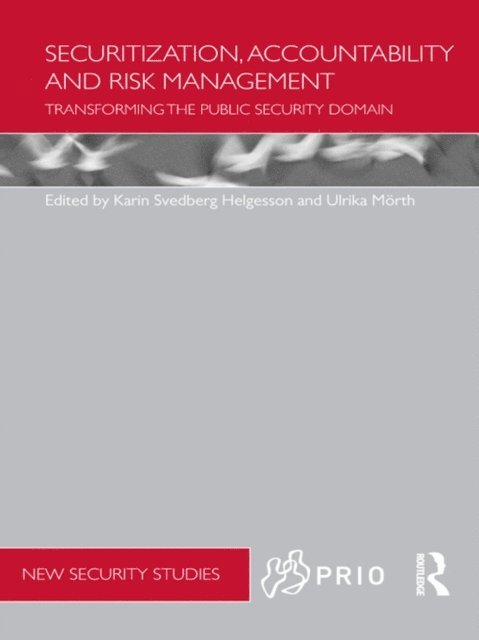
This edited volume examines the reconstitution of the public security domain since the 9/11 attacks, focusing on the banking sector and anti-money laundering (AML) activity in particular.
Since the inception of the ‘Financial Action Taskforce’ (FATF) in 1989, AML has been viewed as a global problem. This text argues that the securitization of the financial sector as a result of AML has entailed the emergence of a new public security domain, which transcends the classic public-private divide.
The analysis in the volume is multidisciplinary and combines concepts and theories from the literature on securitization, the public-private divide, and business/management. The authors argue that the state is under transformation and that the developments in the security field are part of an ongoing renegotiation of the relationship between the state and the business sector. Securitization, Accountability and Risk Management therefore contributes to a deeper understanding of how the power relationships have changed between the public and the private sectors after 9/11.
This interdisciplinary book will be of much interest to students of critical security, risk management, business studies, critical legal studies and IR in general.
738 kr
Läs direkt efter köp
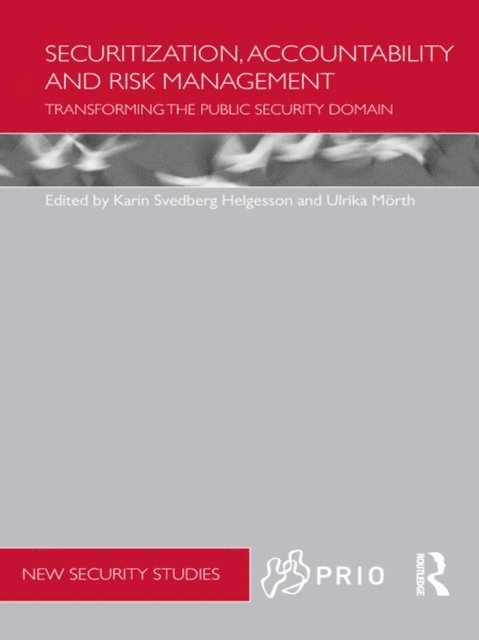
This edited volume examines the reconstitution of the public security domain since the 9/11 attacks, focusing on the banking sector and anti-money laundering (AML) activity in particular.
Since the inception of the ‘Financial Action Taskforce’ (FATF) in 1989, AML has been viewed as a global problem. This text argues that the securitization of the financial sector as a result of AML has entailed the emergence of a new public security domain, which transcends the classic public-private divide.
The analysis in the volume is multidisciplinary and combines concepts and theories from the literature on securitization, the public-private divide, and business/management. The authors argue that the state is under transformation and that the developments in the security field are part of an ongoing renegotiation of the relationship between the state and the business sector. Securitization, Accountability and Risk Management therefore contributes to a deeper understanding of how the power relationships have changed between the public and the private sectors after 9/11.
This interdisciplinary book will be of much interest to students of critical security, risk management, business studies, critical legal studies and IR in general.
759 kr
Läs direkt efter köp
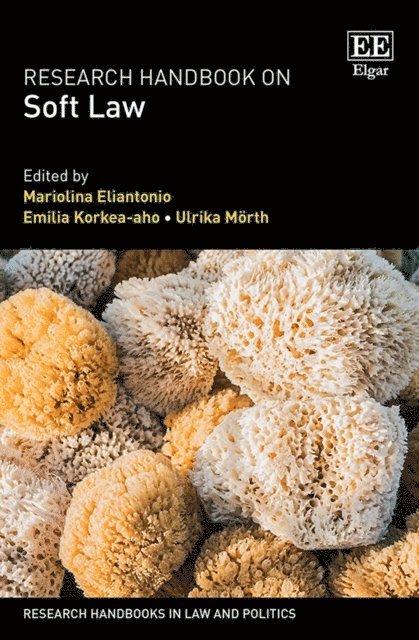
Organized into four broad themes, the Research Handbook offers important and unique insights into the dynamic and complex nature of soft law. The first section delves into the conceptual history and development of soft law. Second, the Handbook explores the disciplinary understandings of soft law, examining how scholars from different fields investigate the topic. The third theme focuses on the public and private actors and institutions involved in soft law-making, providing a detailed analysis of the complex relationships that shape soft law. Finally, the fourth theme explores the role of soft law in addressing major global societal challenges, including among others climate change, gender inequality, and the regulation of artificial intelligence.
This Research Handbook will be a key resource for students and scholars in constitutional and administrative law, public international law, regulation and governance, public administration and policy, and law and politics. Practitioners and policymakers seeking to better understand the role of soft law in domestic and international law, policy and governance will also find this book beneficial.