
UN Millennium Project – författare
597 kr
Läs direkt efter köp
597 kr
Läs direkt efter köp
557 kr
Läs direkt efter köp
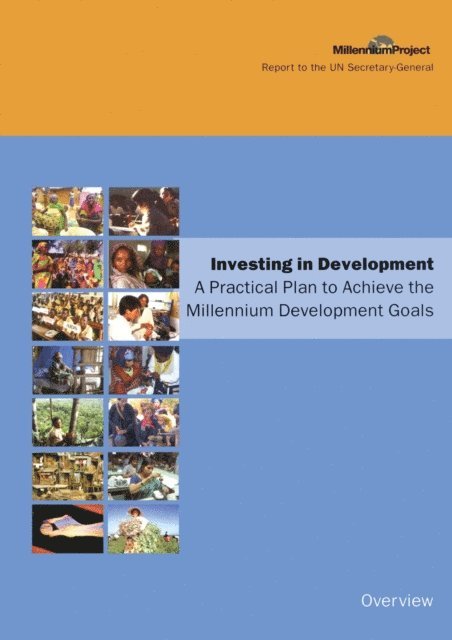
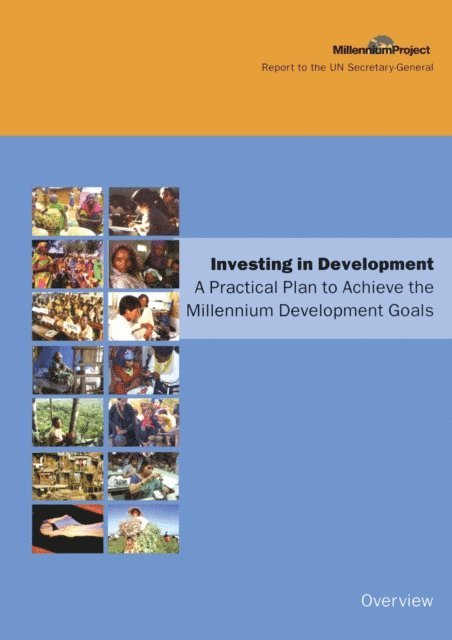
The Millennium Development Goals, adopted at the UN Millennium Summit in 2000, are the world''s targets for dramatically reducing extreme poverty in its many dimensions by 2015 income poverty, hunger, disease, exclusion, lack of infrastructure and shelter while promoting gender equality, education, health and environmental sustainability. These bold goals can be met in all parts of the world if nations follow through on their commitments to work together to meet them. Achieving the Millennium Development Goals offers the prospect of a more secure, just, and prosperous world for all.
The UN Millennium Project was commissioned by United Nations Secretary-General Kofi Annan to develop a practical plan of action to meet the Millennium Development Goals. As an independent advisory body directed by Professor Jeffrey D. Sachs, the UN Millennium Project submitted its recommendations to the UN Secretary General in January 2005. The core of the UN Millennium Project''s work has been carried out by 10 thematic Task Forces comprising more than 250 experts from around the world, including scientists, development practitioners, parliamentarians, policymakers, and representatives from civil society, UN agencies, the World Bank, the IMF, and the private sector.
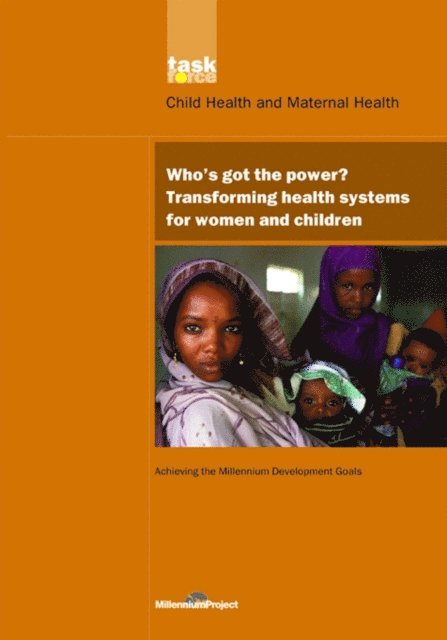
This report lays out the recommendations of the UN Millennium Project Task Force on Child and Maternal Health. The Task Force recommends the rapid and equitable scale-up of interventions like the Integrated Management of Childhood Illness, the universal provision of emergency obstetric care, and sexual and reproductive health services and rights be provided through strengthened health systems. This will require that health systems be seen as social institutions to which all members of society have a fundamental right. This bold yet practical approach will enable every country to reduce the under-five mortality rate by two-thirds and the maternal mortality rate by three-quarters by 2015.
557 kr
Läs direkt efter köp
The Millennium Development Goals, adopted at the UN Millennium Summit in 2000, are the world''s targets for dramatically reducing extreme poverty in its many dimensions by 2015 income poverty, hunger, disease, exclusion, lack of infrastructure and shelter while promoting gender equality, education, health and environmental sustainability. These bold goals can be met in all parts of the world if nations follow through on their commitments to work together to meet them. Achieving the Millennium Development Goals offers the prospect of a more secure, just, and prosperous world for all.
The UN Millennium Project was commissioned by United Nations Secretary-General Kofi Annan to develop a practical plan of action to meet the Millennium Development Goals. As an independent advisory body directed by Professor Jeffrey D. Sachs, the UN Millennium Project submitted its recommendations to the UN Secretary General in January 2005. The core of the UN Millennium Project''s work has been carried out by 10 thematic Task Forces comprising more than 250 experts from around the world, including scientists, development practitioners, parliamentarians, policymakers, and representatives from civil society, UN agencies, the World Bank, the IMF, and the private sector.
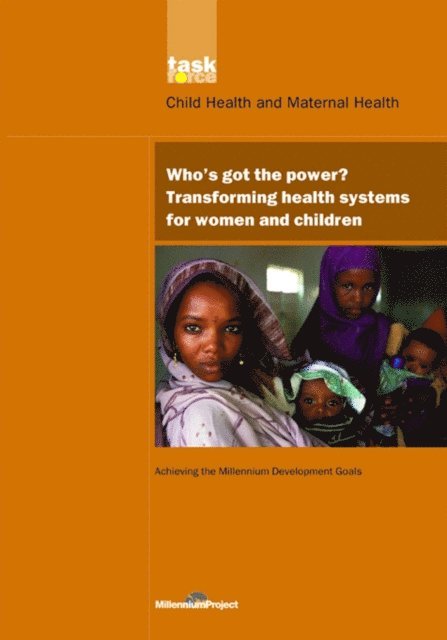
This report lays out the recommendations of the UN Millennium Project Task Force on Child and Maternal Health. The Task Force recommends the rapid and equitable scale-up of interventions like the Integrated Management of Childhood Illness, the universal provision of emergency obstetric care, and sexual and reproductive health services and rights be provided through strengthened health systems. This will require that health systems be seen as social institutions to which all members of society have a fundamental right. This bold yet practical approach will enable every country to reduce the under-five mortality rate by two-thirds and the maternal mortality rate by three-quarters by 2015.
605 kr
Läs direkt efter köp
The Millennium Development Goals, adopted at the UN Millennium Summit in 2000, are the world''s targets for dramatically reducing extreme poverty in its many dimensions by 2015 income poverty, hunger, disease, exclusion, lack of infrastructure and shelter while promoting gender equality, education, health and environmental sustainability. These bold goals can be met in all parts of the world if nations follow through on their commitments to work together to meet them. Achieving the Millennium Development Goals offers the prospect of a more secure, just, and prosperous world for all.
The UN Millennium Project was commissioned by United Nations Secretary-General Kofi Annan to develop a practical plan of action to meet the Millennium Development Goals. As an independent advisory body directed by Professor Jeffrey D. Sachs, the UN Millennium Project submitted its recommendations to the UN Secretary General in January 2005. The core of the UN Millennium Project''s work has been carried out by 10 thematic Task Forces comprising more than 250 experts from around the world, including scientists, development practitioners, parliamentarians, policymakers, and representatives from civil society, UN agencies, the World Bank, the IMF, and the private sector.
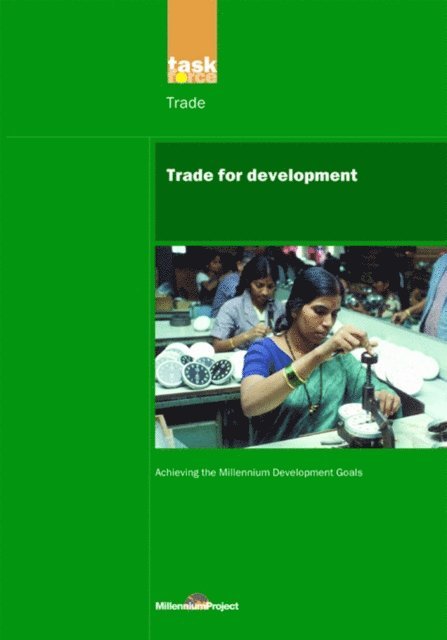
The trading system is unbalanced against developing countries. Correcting the imbalance will give developing countries greater economic growth potential and a more effective capacity to defeat poverty. The progressive elimination of remaining trade barriers in goods and services, with rich counties leading by example, coupled with enough support for poor countries to bear adjustment costs and build export capacity must be part of the international pursuit to overcome poverty.
605 kr
Läs direkt efter köp
The Millennium Development Goals, adopted at the UN Millennium Summit in 2000, are the world''s targets for dramatically reducing extreme poverty in its many dimensions by 2015 income poverty, hunger, disease, exclusion, lack of infrastructure and shelter while promoting gender equality, education, health and environmental sustainability. These bold goals can be met in all parts of the world if nations follow through on their commitments to work together to meet them. Achieving the Millennium Development Goals offers the prospect of a more secure, just, and prosperous world for all.
The UN Millennium Project was commissioned by United Nations Secretary-General Kofi Annan to develop a practical plan of action to meet the Millennium Development Goals. As an independent advisory body directed by Professor Jeffrey D. Sachs, the UN Millennium Project submitted its recommendations to the UN Secretary General in January 2005. The core of the UN Millennium Project''s work has been carried out by 10 thematic Task Forces comprising more than 250 experts from around the world, including scientists, development practitioners, parliamentarians, policymakers, and representatives from civil society, UN agencies, the World Bank, the IMF, and the private sector.
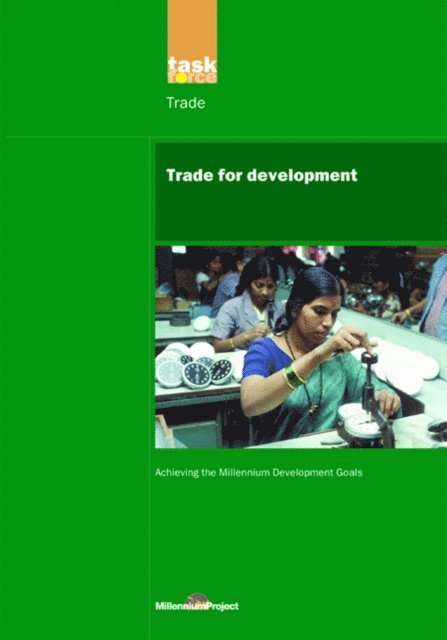
The trading system is unbalanced against developing countries. Correcting the imbalance will give developing countries greater economic growth potential and a more effective capacity to defeat poverty. The progressive elimination of remaining trade barriers in goods and services, with rich counties leading by example, coupled with enough support for poor countries to bear adjustment costs and build export capacity must be part of the international pursuit to overcome poverty.
874 kr
Läs direkt efter köp
The Millennium Development Goals, adopted at the UN Millennium Summit in 2000, are the world''s targets for dramatically reducing extreme poverty in its many dimensions by 2015 income poverty, hunger, disease, exclusion, lack of infrastructure and shelter while promoting gender equality, education, health and environmental sustainability. These bold goals can be met in all parts of the world if nations follow through on their commitments to work together to meet them. Achieving the Millennium Development Goals offers the prospect of a more secure, just, and prosperous world for all.
The UN Millennium Project was commissioned by United Nations Secretary-General Kofi Annan to develop a practical plan of action to meet the Millennium Development Goals. As an independent advisory body directed by Professor Jeffrey D. Sachs, the UN Millennium Project submitted its recommendations to the UN Secretary General in January 2005. The core of the UN Millennium Project''s work has been carried out by 10 thematic Task Forces comprising more than 250 experts from around the world, including scientists, development practitioners, parliamentarians, policymakers, and representatives from civil society, UN agencies, the World Bank, the IMF, and the private sector.
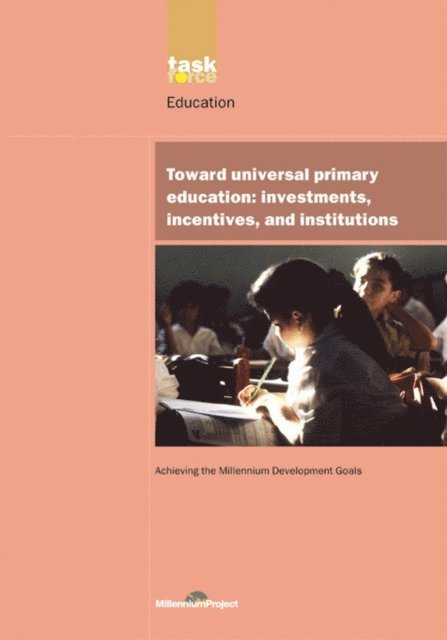
This report lays out the recommendations of the UN Millennium Project Task Force on Education and Gender Equality. In the education sector, the Task Force recommends that countries nowoff track expand access, overcome demand-side barriers, and implement institutional changes to make the education system more responsive and accountable. As part of a compact with low-income countries working toward the goal of 100% primary school completion by 2015, donors and the international community must fulfill commitments already made under the Fast Track Initiative, and commit to still greater levels of support.
874 kr
Läs direkt efter köp
The Millennium Development Goals, adopted at the UN Millennium Summit in 2000, are the world''s targets for dramatically reducing extreme poverty in its many dimensions by 2015 income poverty, hunger, disease, exclusion, lack of infrastructure and shelter while promoting gender equality, education, health and environmental sustainability. These bold goals can be met in all parts of the world if nations follow through on their commitments to work together to meet them. Achieving the Millennium Development Goals offers the prospect of a more secure, just, and prosperous world for all.
The UN Millennium Project was commissioned by United Nations Secretary-General Kofi Annan to develop a practical plan of action to meet the Millennium Development Goals. As an independent advisory body directed by Professor Jeffrey D. Sachs, the UN Millennium Project submitted its recommendations to the UN Secretary General in January 2005. The core of the UN Millennium Project''s work has been carried out by 10 thematic Task Forces comprising more than 250 experts from around the world, including scientists, development practitioners, parliamentarians, policymakers, and representatives from civil society, UN agencies, the World Bank, the IMF, and the private sector.
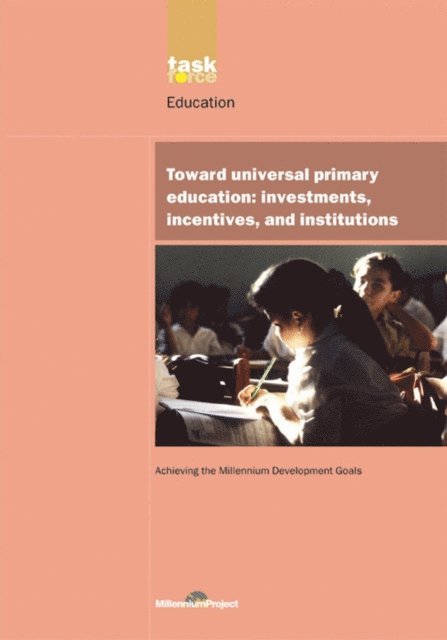
This report lays out the recommendations of the UN Millennium Project Task Force on Education and Gender Equality. In the education sector, the Task Force recommends that countries nowoff track expand access, overcome demand-side barriers, and implement institutional changes to make the education system more responsive and accountable. As part of a compact with low-income countries working toward the goal of 100% primary school completion by 2015, donors and the international community must fulfill commitments already made under the Fast Track Initiative, and commit to still greater levels of support.
1 021 kr
Läs direkt efter köp
The Millennium Development Goals, adopted at the UN Millennium Summit in 2000, are the world''s targets for dramatically reducing extreme poverty in its many dimensions by 2015 income poverty, hunger, disease, exclusion, lack of infrastructure and shelter while promoting gender equality, education, health and environmental sustainability. These bold goals can be met in all parts of the world if nations follow through on their commitments to work together to meet them. Achieving the Millennium Development Goals offers the prospect of a more secure, just, and prosperous world for all.
The UN Millennium Project was commissioned by United Nations Secretary-General Kofi Annan to develop a practical plan of action to meet the Millennium Development Goals. As an independent advisory body directed by Professor Jeffrey D. Sachs, the UN Millennium Project submitted its recommendations to the UN Secretary General in January 2005. The core of the UN Millennium Project''s work has been carried out by 10 thematic Task Forces comprising more than 250 experts from around the world, including scientists, development practitioners, parliamentarians, policymakers, and representatives from civil society, UN agencies, the World Bank, the IMF, and the private sector.
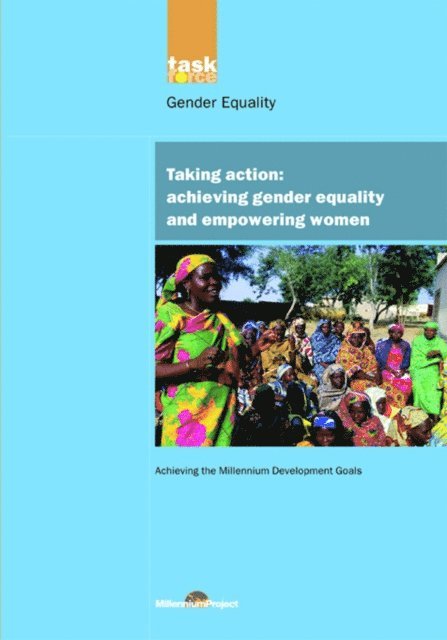
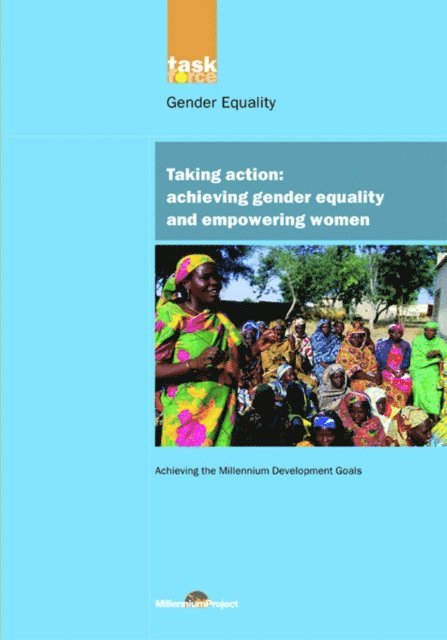
This report lays out the recommendations of the UN Millennium Project Task Force on Education and Gender Equality. The Task Force recommends seven strategic priorities: strengthen postprimary education for girls while ensuring universal primary education; guarantee sexual and reproductive health and rights; reduce women''s and girls'' time burdens; guarantee property and inheritance rights; eliminate gender inequality in employment; increase women''s participation in government; and significantly reduce violence against women. Action on these priorities will enable countries in every region of the world to achieve gender equality and women''s empowerment by 2015.
1 021 kr
Läs direkt efter köp
The Millennium Development Goals, adopted at the UN Millennium Summit in 2000, are the world''s targets for dramatically reducing extreme poverty in its many dimensions by 2015 income poverty, hunger, disease, exclusion, lack of infrastructure and shelter while promoting gender equality, education, health and environmental sustainability. These bold goals can be met in all parts of the world if nations follow through on their commitments to work together to meet them. Achieving the Millennium Development Goals offers the prospect of a more secure, just, and prosperous world for all.
The UN Millennium Project was commissioned by United Nations Secretary-General Kofi Annan to develop a practical plan of action to meet the Millennium Development Goals. As an independent advisory body directed by Professor Jeffrey D. Sachs, the UN Millennium Project submitted its recommendations to the UN Secretary General in January 2005. The core of the UN Millennium Project''s work has been carried out by 10 thematic Task Forces comprising more than 250 experts from around the world, including scientists, development practitioners, parliamentarians, policymakers, and representatives from civil society, UN agencies, the World Bank, the IMF, and the private sector.
This report lays out the recommendations of the UN Millennium Project Task Force on Education and Gender Equality. The Task Force recommends seven strategic priorities: strengthen postprimary education for girls while ensuring universal primary education; guarantee sexual and reproductive health and rights; reduce women''s and girls'' time burdens; guarantee property and inheritance rights; eliminate gender inequality in employment; increase women''s participation in government; and significantly reduce violence against women. Action on these priorities will enable countries in every region of the world to achieve gender equality and women''s empowerment by 2015.
605 kr
Läs direkt efter köp
The Millennium Development Goals, adopted at the UN Millennium Summit in 2000, are the world''s targets for dramatically reducing extreme poverty in its many dimensions by 2015 income poverty, hunger, disease, exclusion, lack of infrastructure and shelter while promoting gender equality, education, health and environmental sustainability. These bold goals can be met in all parts of the world if nations follow through on their commitments to work together to meet them. Achieving the Millennium Development Goals offers the prospect of a more secure, just, and prosperous world for all.
The UN Millennium Project was commissioned by United Nations Secretary-General Kofi Annan to develop a practical plan of action to meet the Millennium Development Goals. As an independent advisory body directed by Professor Jeffrey D. Sachs, the UN Millennium Project submitted its recommendations to the UN Secretary General in January 2005. The core of the UN Millennium Project''s work has been carried out by 10 thematic Task Forces comprising more than 250 experts from around the world, including scientists, development practitioners, parliamentarians, policymakers, and representatives from civil society, UN agencies, the World Bank, the IMF, and the private sector.
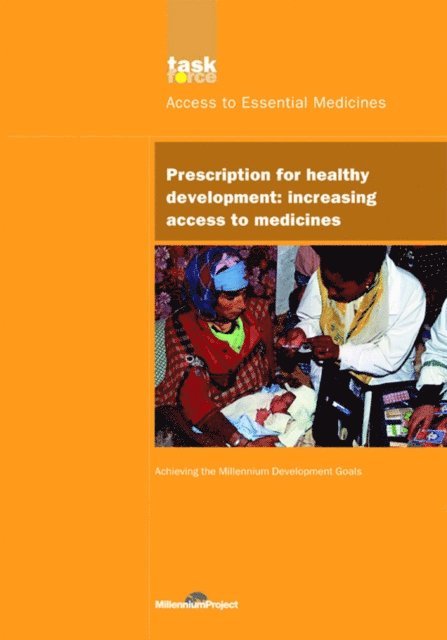
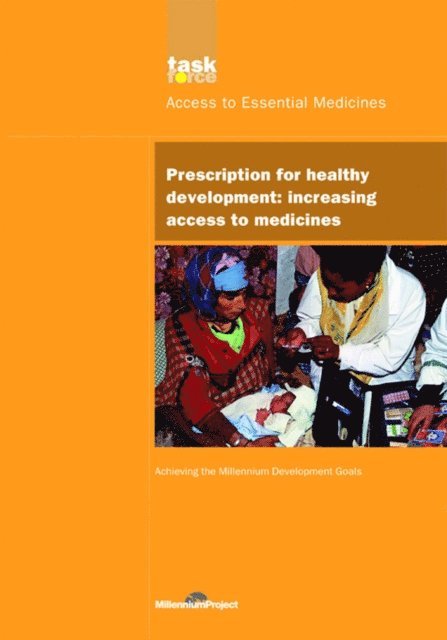
This report lays out the recommendations of the UN Millennium Project Task Force 5 Working Group on Access to Essential Medicine. The Working Group recommends increasing the availability, affordability, and appropriate use of medicines in developing countries. This will require new incentives for research; better procurement, supply and distribution; strengthened primary health systems; pro-poor planning and budgeting; close collaboration with communities; and large increases in funding and the number of health workers. These bold yet practical approaches will ensure that substantially more people living in developing countries will have access to essential medicines by 2015.
605 kr
Läs direkt efter köp
The Millennium Development Goals, adopted at the UN Millennium Summit in 2000, are the world''s targets for dramatically reducing extreme poverty in its many dimensions by 2015 income poverty, hunger, disease, exclusion, lack of infrastructure and shelter while promoting gender equality, education, health and environmental sustainability. These bold goals can be met in all parts of the world if nations follow through on their commitments to work together to meet them. Achieving the Millennium Development Goals offers the prospect of a more secure, just, and prosperous world for all.
The UN Millennium Project was commissioned by United Nations Secretary-General Kofi Annan to develop a practical plan of action to meet the Millennium Development Goals. As an independent advisory body directed by Professor Jeffrey D. Sachs, the UN Millennium Project submitted its recommendations to the UN Secretary General in January 2005. The core of the UN Millennium Project''s work has been carried out by 10 thematic Task Forces comprising more than 250 experts from around the world, including scientists, development practitioners, parliamentarians, policymakers, and representatives from civil society, UN agencies, the World Bank, the IMF, and the private sector.
This report lays out the recommendations of the UN Millennium Project Task Force 5 Working Group on Access to Essential Medicine. The Working Group recommends increasing the availability, affordability, and appropriate use of medicines in developing countries. This will require new incentives for research; better procurement, supply and distribution; strengthened primary health systems; pro-poor planning and budgeting; close collaboration with communities; and large increases in funding and the number of health workers. These bold yet practical approaches will ensure that substantially more people living in developing countries will have access to essential medicines by 2015.
925 kr
Läs direkt efter köp
The Millennium Development Goals, adopted at the UN Millennium Summit in 2000, are the world''s targets for dramatically reducing extreme poverty in its many dimensions by 2015 income poverty, hunger, disease, exclusion, lack of infrastructure and shelter while promoting gender equality, education, health and environmental sustainability. These bold goals can be met in all parts of the world if nations follow through on their commitments to work together to meet them. Achieving the Millennium Development Goals offers the prospect of a more secure, just, and prosperous world for all.
The UN Millennium Project was commissioned by United Nations Secretary-General Kofi Annan to develop a practical plan of action to meet the Millennium Development Goals. As an independent advisory body directed by Professor Jeffrey D. Sachs, the UN Millennium Project submitted its recommendations to the UN Secretary General in January 2005. The core of the UN Millennium Project''s work has been carried out by 10 thematic Task Forces comprising more than 250 experts from around the world, including scientists, development practitioners, parliamentarians, policymakers, and representatives from civil society, UN agencies, the World Bank, the IMF, and the private sector.
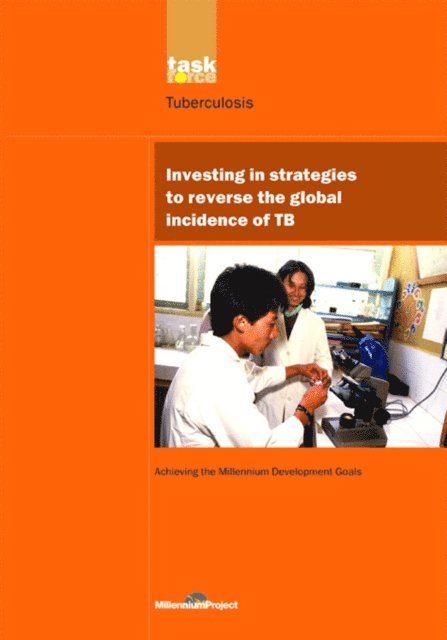
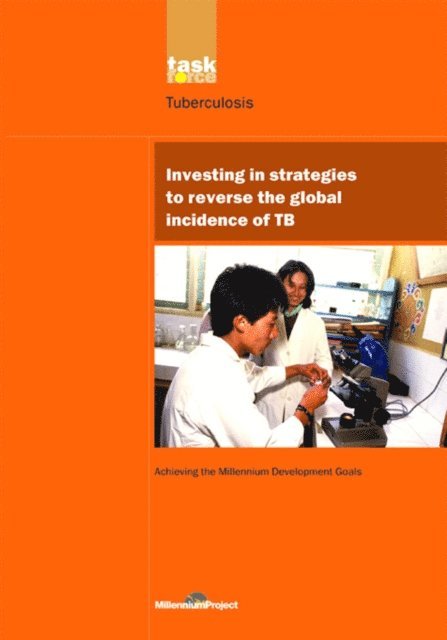
This report lays out the recommendations of the UN Millennium Project Task Force 5 Working Group on TB. The Working Group''s recommendations include expanding access to DOTS programs, implementing efforts against HIV-related TB and multidrug-resistant (MDR) TB, engaging all primary care providers and communities in high quality TB care, and developing new diagnostics, drugs and vaccines. These bold yet practical approaches will enable countries in every region of the world to halve the prevalence of TB by 2015.
925 kr
Läs direkt efter köp
The Millennium Development Goals, adopted at the UN Millennium Summit in 2000, are the world''s targets for dramatically reducing extreme poverty in its many dimensions by 2015 income poverty, hunger, disease, exclusion, lack of infrastructure and shelter while promoting gender equality, education, health and environmental sustainability. These bold goals can be met in all parts of the world if nations follow through on their commitments to work together to meet them. Achieving the Millennium Development Goals offers the prospect of a more secure, just, and prosperous world for all.
The UN Millennium Project was commissioned by United Nations Secretary-General Kofi Annan to develop a practical plan of action to meet the Millennium Development Goals. As an independent advisory body directed by Professor Jeffrey D. Sachs, the UN Millennium Project submitted its recommendations to the UN Secretary General in January 2005. The core of the UN Millennium Project''s work has been carried out by 10 thematic Task Forces comprising more than 250 experts from around the world, including scientists, development practitioners, parliamentarians, policymakers, and representatives from civil society, UN agencies, the World Bank, the IMF, and the private sector.
This report lays out the recommendations of the UN Millennium Project Task Force 5 Working Group on TB. The Working Group''s recommendations include expanding access to DOTS programs, implementing efforts against HIV-related TB and multidrug-resistant (MDR) TB, engaging all primary care providers and communities in high quality TB care, and developing new diagnostics, drugs and vaccines. These bold yet practical approaches will enable countries in every region of the world to halve the prevalence of TB by 2015.
874 kr
Läs direkt efter köp
The Millennium Development Goals, adopted at the UN Millennium Summit in 2000, are the world''s targets for dramatically reducing extreme poverty in its many dimensions by 2015 income poverty, hunger, disease, exclusion, lack of infrastructure and shelter while promoting gender equality, education, health and environmental sustainability. These bold goals can be met in all parts of the world if nations follow through on their commitments to work together to meet them. Achieving the Millennium Development Goals offers the prospect of a more secure, just, and prosperous world for all.
The UN Millennium Project was commissioned by United Nations Secretary-General Kofi Annan to develop a practical plan of action to meet the Millennium Development Goals. As an independent advisory body directed by Professor Jeffrey D. Sachs, the UN Millennium Project submitted its recommendations to the UN Secretary General in January 2005. The core of the UN Millennium Project''s work has been carried out by 10 thematic Task Forces comprising more than 250 experts from around the world, including scientists, development practitioners, parliamentarians, policymakers, and representatives from civil society, UN agencies, the World Bank, the IMF, and the private sector.
This report argues that meeting the Millennium Development Goals will require a substantial reorientation of development policies to focus on key sources of economic growth, particularly the use of scientific and technological knowledge and related institutional adjustments. It outlines key areas for policy action, including focusing on platform or generic technologies; defining infrastructure services as a foundation for technology; improving higher education in science and placing universities at the center of local development; spurring entrepreneurial activities; improving the policy environment; and focusing on areas of under-funded research for development.
874 kr
Läs direkt efter köp
The Millennium Development Goals, adopted at the UN Millennium Summit in 2000, are the world''s targets for dramatically reducing extreme poverty in its many dimensions by 2015 income poverty, hunger, disease, exclusion, lack of infrastructure and shelter while promoting gender equality, education, health and environmental sustainability. These bold goals can be met in all parts of the world if nations follow through on their commitments to work together to meet them. Achieving the Millennium Development Goals offers the prospect of a more secure, just, and prosperous world for all.
The UN Millennium Project was commissioned by United Nations Secretary-General Kofi Annan to develop a practical plan of action to meet the Millennium Development Goals. As an independent advisory body directed by Professor Jeffrey D. Sachs, the UN Millennium Project submitted its recommendations to the UN Secretary General in January 2005. The core of the UN Millennium Project''s work has been carried out by 10 thematic Task Forces comprising more than 250 experts from around the world, including scientists, development practitioners, parliamentarians, policymakers, and representatives from civil society, UN agencies, the World Bank, the IMF, and the private sector.
This report argues that meeting the Millennium Development Goals will require a substantial reorientation of development policies to focus on key sources of economic growth, particularly the use of scientific and technological knowledge and related institutional adjustments. It outlines key areas for policy action, including focusing on platform or generic technologies; defining infrastructure services as a foundation for technology; improving higher education in science and placing universities at the center of local development; spurring entrepreneurial activities; improving the policy environment; and focusing on areas of under-funded research for development.
605 kr
Läs direkt efter köp
The Millennium Development Goals, adopted at the UN Millennium Summit in 2000, are the world''s targets for dramatically reducing extreme poverty in its many dimensions by 2015 income poverty, hunger, disease, exclusion, lack of infrastructure and shelter while promoting gender equality, education, health and environmental sustainability. These bold goals can be met in all parts of the world if nations follow through on their commitments to work together to meet them. Achieving the Millennium Development Goals offers the prospect of a more secure, just, and prosperous world for all.
The UN Millennium Project was commissioned by United Nations Secretary-General Kofi Annan to develop a practical plan of action to meet the Millennium Development Goals. As an independent advisory body directed by Professor Jeffrey D. Sachs, the UN Millennium Project submitted its recommendations to the UN Secretary General in January 2005. The core of the UN Millennium Project''s work has been carried out by 10 thematic Task Forces comprising more than 250 experts from around the world, including scientists, development practitioners, parliamentarians, policymakers, and representatives from civil society, UN agencies, the World Bank, the IMF, and the private sector.
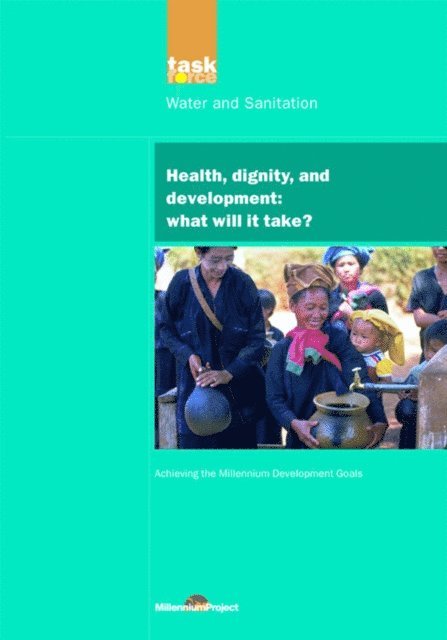
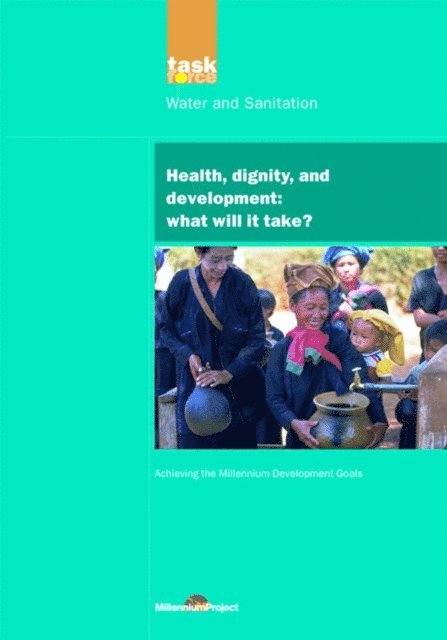
In this report the UN Millennium Project Task Force on Water and Sanitation outlines the bold yet practical actions that are needed to increase access to water and sanitation. The report underscores the need to focus on the global sanitation crisis, which contributes to the death of 3900 children each day, improve domestic water supply, and invest in integrated development and management of water resources, all of which are necessary for countries to reduce poverty and hunger, improve health, advance gender equality and ensure environmental sustainability. Implementing the recommendations of this report will allow all countries to halve the proportion of people without access to safe water and sanitation by 2015.
605 kr
Läs direkt efter köp
The Millennium Development Goals, adopted at the UN Millennium Summit in 2000, are the world''s targets for dramatically reducing extreme poverty in its many dimensions by 2015 income poverty, hunger, disease, exclusion, lack of infrastructure and shelter while promoting gender equality, education, health and environmental sustainability. These bold goals can be met in all parts of the world if nations follow through on their commitments to work together to meet them. Achieving the Millennium Development Goals offers the prospect of a more secure, just, and prosperous world for all.
The UN Millennium Project was commissioned by United Nations Secretary-General Kofi Annan to develop a practical plan of action to meet the Millennium Development Goals. As an independent advisory body directed by Professor Jeffrey D. Sachs, the UN Millennium Project submitted its recommendations to the UN Secretary General in January 2005. The core of the UN Millennium Project''s work has been carried out by 10 thematic Task Forces comprising more than 250 experts from around the world, including scientists, development practitioners, parliamentarians, policymakers, and representatives from civil society, UN agencies, the World Bank, the IMF, and the private sector.
In this report the UN Millennium Project Task Force on Water and Sanitation outlines the bold yet practical actions that are needed to increase access to water and sanitation. The report underscores the need to focus on the global sanitation crisis, which contributes to the death of 3900 children each day, improve domestic water supply, and invest in integrated development and management of water resources, all of which are necessary for countries to reduce poverty and hunger, improve health, advance gender equality and ensure environmental sustainability. Implementing the recommendations of this report will allow all countries to halve the proportion of people without access to safe water and sanitation by 2015.
878 kr
Läs direkt efter köp
The Millennium Development Goals, adopted at the UN Millennium Summit in 2000, are the world''s targets for dramatically reducing extreme poverty in its many dimensions by 2015 income poverty, hunger, disease, exclusion, lack of infrastructure and shelter while promoting gender equality, education, health and environmental sustainability. These bold goals can be met in all parts of the world if nations follow through on their commitments to work together to meet them. Achieving the Millennium Development Goals offers the prospect of a more secure, just, and prosperous world for all.
The UN Millennium Project was commissioned by United Nations Secretary-General Kofi Annan to develop a practical plan of action to meet the Millennium Development Goals. As an independent advisory body directed by Professor Jeffrey D. Sachs, the UN Millennium Project submitted its recommendations to the UN Secretary General in January 2005. The core of the UN Millennium Project''s work has been carried out by 10 thematic Task Forces comprising more than 250 experts from around the world, including scientists, development practitioners, parliamentarians, policymakers, and representatives from civil society, UN agencies, the World Bank, the IMF, and the private sector.
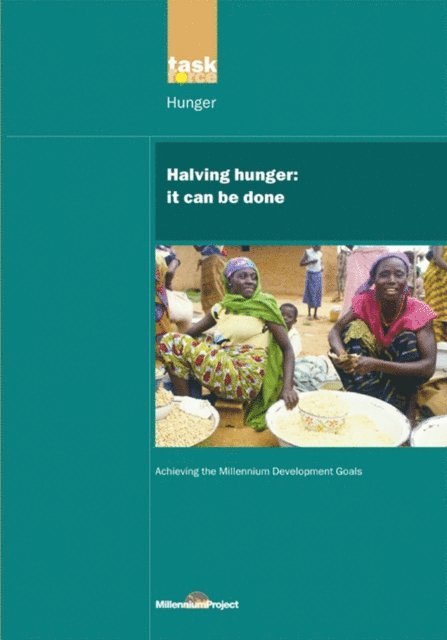
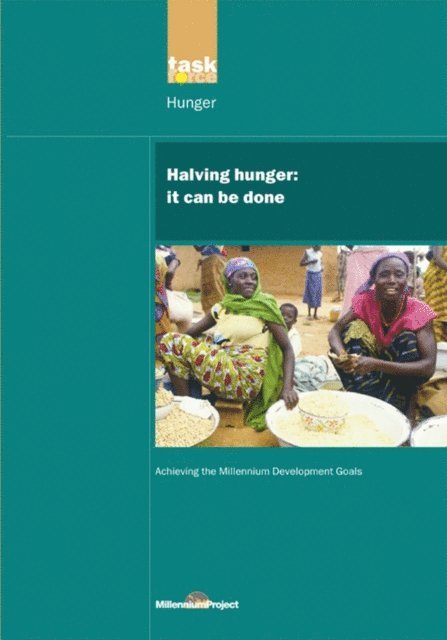
This report lays out the recommendations of the UN Millennium Project Task Force on Hunger in seven major categories: political action; national policy reforms; increased agricultural productivity for food insecure farmers; improved nutrition for the chronically hungry; productive safety nets for the acutely hungry; improved rural incomes and markets; and restoration and conservation of natural resources essential for food security. The task force strongly endorses the Secretary General''s call for a 21st Century African Green Revolution. These bold yet practical approaches will enable countries in every region of the world to halve world hunger by 2015.
878 kr
Läs direkt efter köp
The Millennium Development Goals, adopted at the UN Millennium Summit in 2000, are the world''s targets for dramatically reducing extreme poverty in its many dimensions by 2015 income poverty, hunger, disease, exclusion, lack of infrastructure and shelter while promoting gender equality, education, health and environmental sustainability. These bold goals can be met in all parts of the world if nations follow through on their commitments to work together to meet them. Achieving the Millennium Development Goals offers the prospect of a more secure, just, and prosperous world for all.
The UN Millennium Project was commissioned by United Nations Secretary-General Kofi Annan to develop a practical plan of action to meet the Millennium Development Goals. As an independent advisory body directed by Professor Jeffrey D. Sachs, the UN Millennium Project submitted its recommendations to the UN Secretary General in January 2005. The core of the UN Millennium Project''s work has been carried out by 10 thematic Task Forces comprising more than 250 experts from around the world, including scientists, development practitioners, parliamentarians, policymakers, and representatives from civil society, UN agencies, the World Bank, the IMF, and the private sector.
This report lays out the recommendations of the UN Millennium Project Task Force on Hunger in seven major categories: political action; national policy reforms; increased agricultural productivity for food insecure farmers; improved nutrition for the chronically hungry; productive safety nets for the acutely hungry; improved rural incomes and markets; and restoration and conservation of natural resources essential for food security. The task force strongly endorses the Secretary General''s call for a 21st Century African Green Revolution. These bold yet practical approaches will enable countries in every region of the world to halve world hunger by 2015.
555 kr
Läs direkt efter köp
The Millennium Development Goals, adopted at the UN Millennium Summit in 2000, are the world''s targets for dramatically reducing extreme poverty in its many dimensions by 2015 income poverty, hunger, disease, exclusion, lack of infrastructure and shelter while promoting gender equality, education, health and environmental sustainability. These bold goals can be met in all parts of the world if nations follow through on their commitments to work together to meet them. Achieving the Millennium Development Goals offers the prospect of a more secure, just, and prosperous world for all.
The UN Millennium Project was commissioned by United Nations Secretary-General Kofi Annan to develop a practical plan of action to meet the Millennium Development Goals. As an independent advisory body directed by Professor Jeffrey D. Sachs, the UN Millennium Project submitted its recommendations to the UN Secretary General in January 2005. The core of the UN Millennium Project''s work has been carried out by 10 thematic Task Forces comprising more than 250 experts from around the world, including scientists, development practitioners, parliamentarians, policymakers, and representatives from civil society, UN agencies, the World Bank, the IMF, and the private sector.
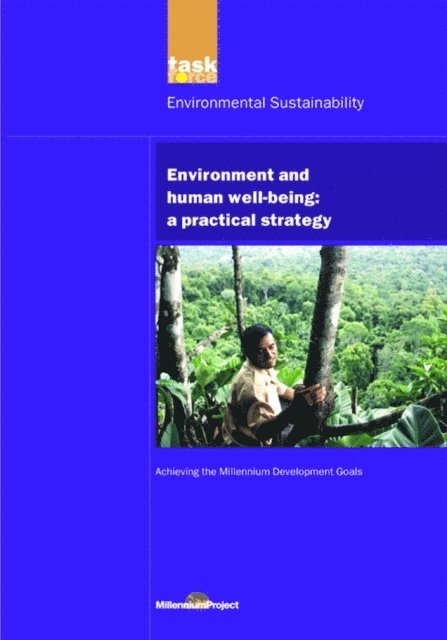
This report lays out the recommendations of the UN Millennium Project Task Force on Environmental Sustainability. It identifies key environmental challenges, such as degradation of land, watersheds and marine fisheries, deforestation, pollution, and climate change. The Task Force proposes specific interventions and policy changes required to improve environmental management at the country, regional and international level. These bold yet practical approaches will help countries make progress towards environmental sustainability by 2015.
555 kr
Läs direkt efter köp
The Millennium Development Goals, adopted at the UN Millennium Summit in 2000, are the world''s targets for dramatically reducing extreme poverty in its many dimensions by 2015 income poverty, hunger, disease, exclusion, lack of infrastructure and shelter while promoting gender equality, education, health and environmental sustainability. These bold goals can be met in all parts of the world if nations follow through on their commitments to work together to meet them. Achieving the Millennium Development Goals offers the prospect of a more secure, just, and prosperous world for all.
The UN Millennium Project was commissioned by United Nations Secretary-General Kofi Annan to develop a practical plan of action to meet the Millennium Development Goals. As an independent advisory body directed by Professor Jeffrey D. Sachs, the UN Millennium Project submitted its recommendations to the UN Secretary General in January 2005. The core of the UN Millennium Project''s work has been carried out by 10 thematic Task Forces comprising more than 250 experts from around the world, including scientists, development practitioners, parliamentarians, policymakers, and representatives from civil society, UN agencies, the World Bank, the IMF, and the private sector.
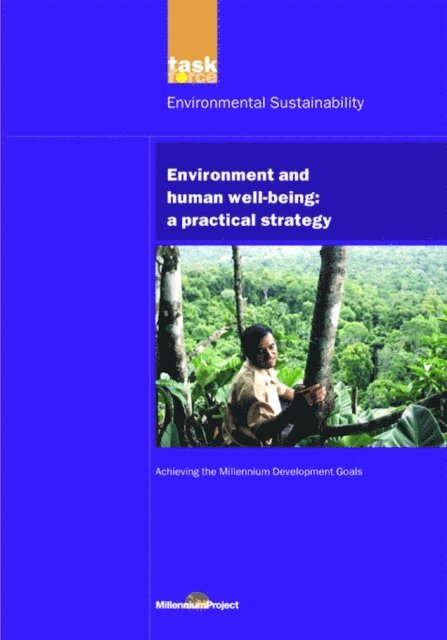
This report lays out the recommendations of the UN Millennium Project Task Force on Environmental Sustainability. It identifies key environmental challenges, such as degradation of land, watersheds and marine fisheries, deforestation, pollution, and climate change. The Task Force proposes specific interventions and policy changes required to improve environmental management at the country, regional and international level. These bold yet practical approaches will help countries make progress towards environmental sustainability by 2015.
891 kr
Läs direkt efter köp
The Millennium Development Goals, adopted at the UN Millennium Summit in 2000, are the world''s targets for dramatically reducing extreme poverty in its many dimensions by 2015 income poverty, hunger, disease, exclusion, lack of infrastructure and shelter while promoting gender equality, education, health and environmental sustainability. These bold goals can be met in all parts of the world if nations follow through on their commitments to work together to meet them. Achieving the Millennium Development Goals offers the prospect of a more secure, just, and prosperous world for all.
The UN Millennium Project was commissioned by United Nations Secretary-General Kofi Annan to develop a practical plan of action to meet the Millennium Development Goals. As an independent advisory body directed by Professor Jeffrey D. Sachs, the UN Millennium Project submitted its recommendations to the UN Secretary General in January 2005. The core of the UN Millennium Project''s work has been carried out by 10 thematic Task Forces comprising more than 250 experts from around the world, including scientists, development practitioners, parliamentarians, policymakers, and representatives from civil society, UN agencies, the World Bank, the IMF, and the private sector.
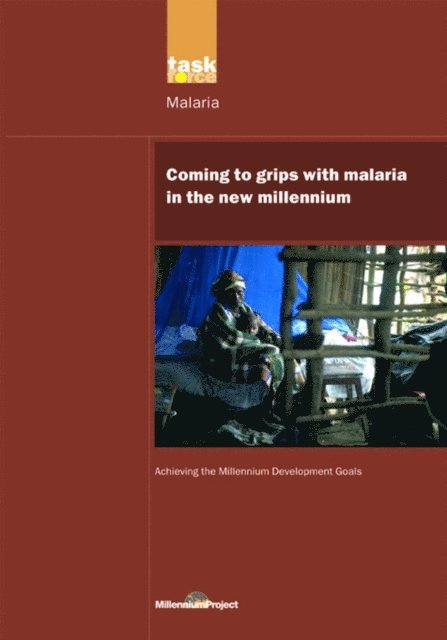
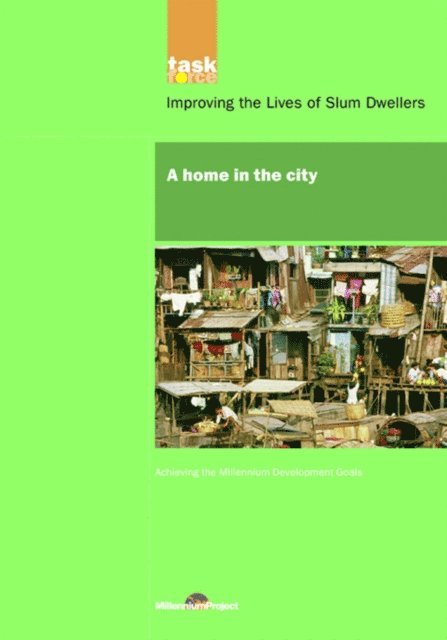
Coming to Grips with Malaria in the New Millennium presents an innovative strategic framework for relieving the burden that malaria imposes on society through the implementation of tried and tested anti-malarial interventions designed to improve health nationally and to promote economic development locally. Recommendations include early diagnosis, treatment with effective anti-malarial medicines, the use of insecticide treated nets, indoor residual spraying, managing the environment, improving housing, extending health education and improving monitoring and evaluation systems.
891 kr
Läs direkt efter köp
The Millennium Development Goals, adopted at the UN Millennium Summit in 2000, are the world''s targets for dramatically reducing extreme poverty in its many dimensions by 2015 income poverty, hunger, disease, exclusion, lack of infrastructure and shelter while promoting gender equality, education, health and environmental sustainability. These bold goals can be met in all parts of the world if nations follow through on their commitments to work together to meet them. Achieving the Millennium Development Goals offers the prospect of a more secure, just, and prosperous world for all.
The UN Millennium Project was commissioned by United Nations Secretary-General Kofi Annan to develop a practical plan of action to meet the Millennium Development Goals. As an independent advisory body directed by Professor Jeffrey D. Sachs, the UN Millennium Project submitted its recommendations to the UN Secretary General in January 2005. The core of the UN Millennium Project''s work has been carried out by 10 thematic Task Forces comprising more than 250 experts from around the world, including scientists, development practitioners, parliamentarians, policymakers, and representatives from civil society, UN agencies, the World Bank, the IMF, and the private sector.
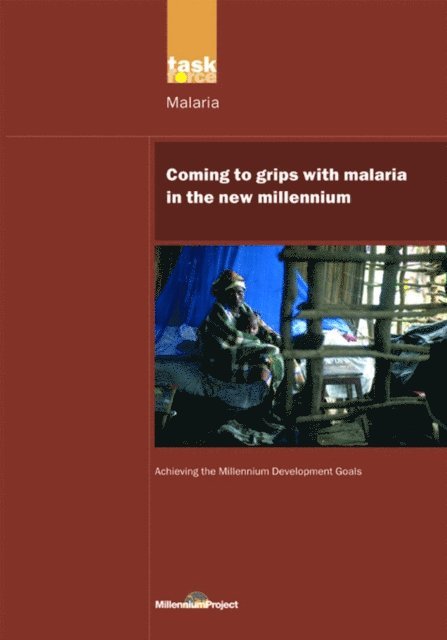
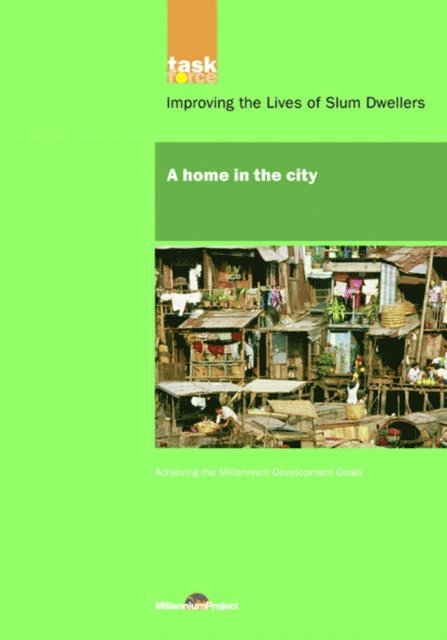
Coming to Grips with Malaria in the New Millennium presents an innovative strategic framework for relieving the burden that malaria imposes on society through the implementation of tried and tested anti-malarial interventions designed to improve health nationally and to promote economic development locally. Recommendations include early diagnosis, treatment with effective anti-malarial medicines, the use of insecticide treated nets, indoor residual spraying, managing the environment, improving housing, extending health education and improving monitoring and evaluation systems.
605 kr
Läs direkt efter köp
The Millennium Development Goals, adopted at the UN Millennium Summit in 2000, are the world''s targets for dramatically reducing extreme poverty in its many dimensions by 2015 income poverty, hunger, disease, exclusion, lack of infrastructure and shelter while promoting gender equality, education, health and environmental sustainability. These bold goals can be met in all parts of the world if nations follow through on their commitments to work together to meet them. Achieving the Millennium Development Goals offers the prospect of a more secure, just, and prosperous world for all.
The UN Millennium Project was commissioned by United Nations Secretary-General Kofi Annan to develop a practical plan of action to meet the Millennium Development Goals. As an independent advisory body directed by Professor Jeffrey D. Sachs, the UN Millennium Project submitted its recommendations to the UN Secretary General in January 2005. The core of the UN Millennium Project''s work has been carried out by 10 thematic Task Forces comprising more than 250 experts from around the world, including scientists, development practitioners, parliamentarians, policymakers, and representatives from civil society, UN agencies, the World Bank, the IMF, and the private sector.
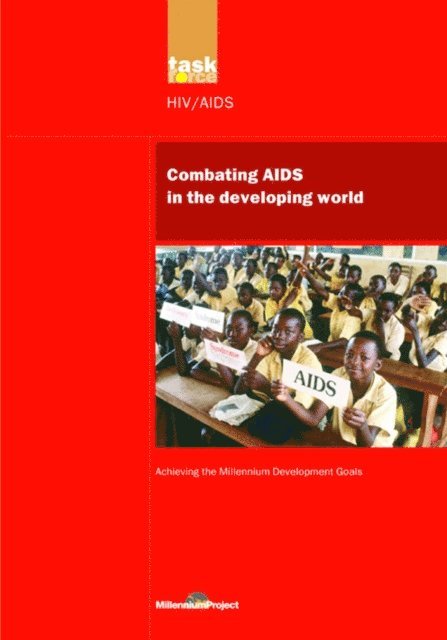
This report lays out the recommendations of the UN Millennium Project Task Force 5 Working Group on HIV/AIDS. The Working Group urges the intensification and revitalization of prevention efforts, a stronger focus on vulnerable populations, and the expansion of antiretroviral therapy to reach 75% of those in need by 2015. Simultaneous expansion of prevention and treatment, accompanied by sustained investment in health systems, will enable countries to reverse the spread of HIV by 2015.
605 kr
Läs direkt efter köp
The Millennium Development Goals, adopted at the UN Millennium Summit in 2000, are the world''s targets for dramatically reducing extreme poverty in its many dimensions by 2015 income poverty, hunger, disease, exclusion, lack of infrastructure and shelter while promoting gender equality, education, health and environmental sustainability. These bold goals can be met in all parts of the world if nations follow through on their commitments to work together to meet them. Achieving the Millennium Development Goals offers the prospect of a more secure, just, and prosperous world for all.
The UN Millennium Project was commissioned by United Nations Secretary-General Kofi Annan to develop a practical plan of action to meet the Millennium Development Goals. As an independent advisory body directed by Professor Jeffrey D. Sachs, the UN Millennium Project submitted its recommendations to the UN Secretary General in January 2005. The core of the UN Millennium Project''s work has been carried out by 10 thematic Task Forces comprising more than 250 experts from around the world, including scientists, development practitioners, parliamentarians, policymakers, and representatives from civil society, UN agencies, the World Bank, the IMF, and the private sector.
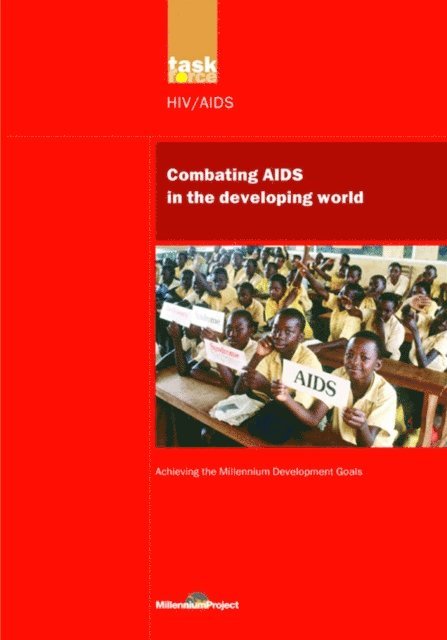
This report lays out the recommendations of the UN Millennium Project Task Force 5 Working Group on HIV/AIDS. The Working Group urges the intensification and revitalization of prevention efforts, a stronger focus on vulnerable populations, and the expansion of antiretroviral therapy to reach 75% of those in need by 2015. Simultaneous expansion of prevention and treatment, accompanied by sustained investment in health systems, will enable countries to reverse the spread of HIV by 2015.
891 kr
Läs direkt efter köp
891 kr
Läs direkt efter köp
2 834 kr
Skickas inom 10-15 vardagar
2 773 kr
Skickas inom 10-15 vardagar