Uranchimeg Tsultemin – författare
Visar alla böcker från författaren Uranchimeg Tsultemin. Handla med fri frakt och snabb leverans.
3 produkter
3 produkter
Inbunden, Engelska, 2026
1 135 kr
Skickas inom 5-8 vardagar
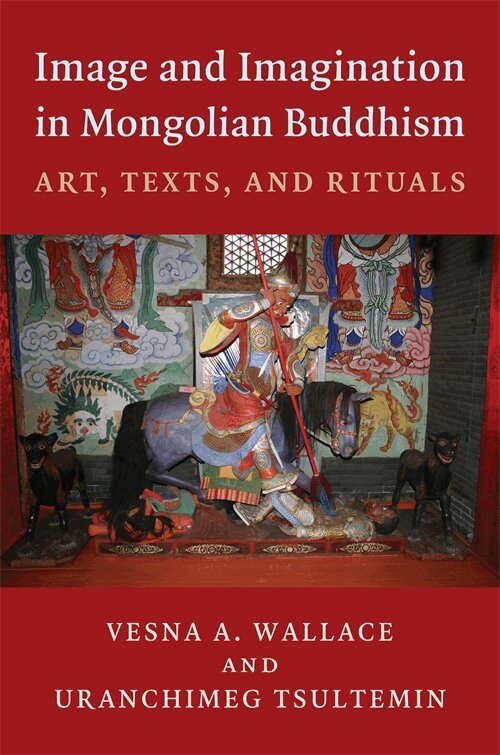
In Mongolian Buddhism, texts, rituals, and images are deeply interwoven, yet they are typically studied separately. This book is a groundbreaking interdisciplinary exploration of Mongolian Buddhism of the late nineteenth and early twentieth centuries, drawing on previously unexamined writings and artworks to shed new light on the intricate interrelationships that define this tradition.Vesna A. Wallace and Uranchimeg Tsultemin—a religious studies scholar and an art historian—combine their expertise to demonstrate how textual and visual imagery have built and maintained Mongolian Buddhist community and identity over time. They show that individual and collective acts of imagination are central to a vast range of contemplative, ritual, liturgical, and artistic practices, shaping religious and cultural experience and tradition. Wallace and Tsultemin track the transmission and development of Buddhist belief and practice through a vast range of textual and visual sources. This book also considers how Mongolian Buddhist scholars, contemplatives, and artists expressed their religious views and social concerns in response to the political events of their times. Highlighting little-known treasures of Mongolian culture and featuring extensive illustrations, Art and Imagination develops pioneering insights into Mongolian Buddhist texts, objects, and practices.
Häftad, Engelska, 2026
289 kr
Skickas inom 5-8 vardagar
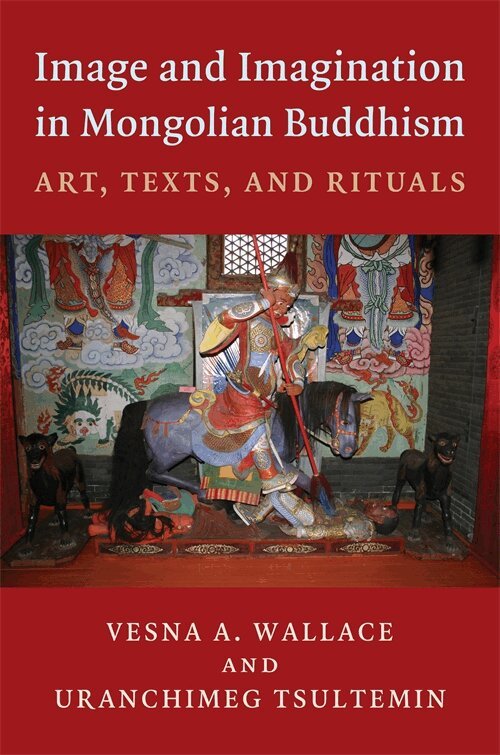
In Mongolian Buddhism, texts, rituals, and images are deeply interwoven, yet they are typically studied separately. This book is a groundbreaking interdisciplinary exploration of Mongolian Buddhism of the late nineteenth and early twentieth centuries, drawing on previously unexamined writings and artworks to shed new light on the intricate interrelationships that define this tradition.Vesna A. Wallace and Uranchimeg Tsultemin—a religious studies scholar and an art historian—combine their expertise to demonstrate how textual and visual imagery have built and maintained Mongolian Buddhist community and identity over time. They show that individual and collective acts of imagination are central to a vast range of contemplative, ritual, liturgical, and artistic practices, shaping religious and cultural experience and tradition. Wallace and Tsultemin track the transmission and development of Buddhist belief and practice through a vast range of textual and visual sources. This book also considers how Mongolian Buddhist scholars, contemplatives, and artists expressed their religious views and social concerns in response to the political events of their times. Highlighting little-known treasures of Mongolian culture and featuring extensive illustrations, Art and Imagination develops pioneering insights into Mongolian Buddhist texts, objects, and practices.
Inbunden, Engelska, 2020
780 kr
Skickas inom 5-8 vardagar
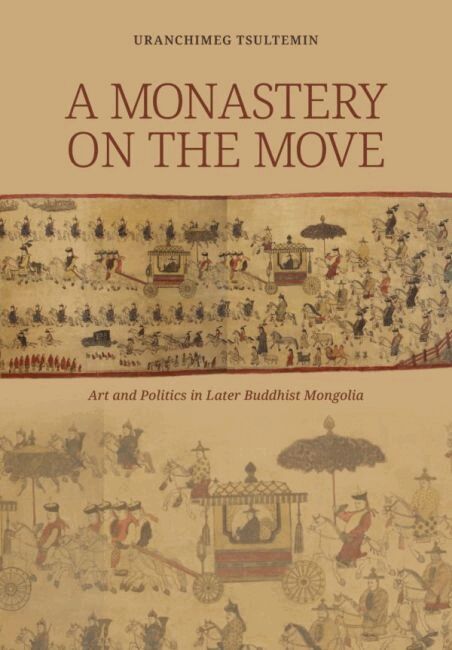
In 1639, while the Géluk School of the Fifth Dalai Lama and Qing emperors vied for supreme authority in Inner Asia, Zanabazar (1635-1723), a young descendent of Chinggis Khaan, was proclaimed the new Jebtsundampa ruler of the Khalkha Mongols. Over the next three centuries, the ger (yurt) erected to commemorate this event would become the mobile monastery Ikh Khüree, the political seat of the Jebtsundampas and a major center of Mongolian Buddhism. When the monastery and its surrounding structures were destroyed in the 1930s, they were rebuilt and renamed Ulaanbaatar, the modern-day capital of Mongolia.Based on little-known works of Mongolian Buddhist art and architecture, A Monastery on the Move presents the intricate and colorful history of Ikh Khüree and of Zanabazar, himself an eminent artist. Author Uranchimeg Tsultemin makes the case for a multifaceted understanding of Mongol agency during the Géluk’s political ascendancy and the Qing appropriation of the Mongol concept of dual rulership (shashin tör) as the nominal "Buddhist Government." In rich conversation with heretofore unpublished textual, archaeological, and archival sources (including ritualized oral histories), Uranchimeg argues that the Qing emperors' "Buddhist Government" was distinctly different from the Mongol vision of sovereignty, which held Zanabazar and his succeeding Jebtsundampa reincarnates to be Mongolia's rightful rulers. This vision culminated in their independence from the Qing and the establishment of the Jebtsundampa's theocractic government in 1911. A ground-breaking work, A Monastery on the Move provides a fascinating, in-depth analysis and interpretation of Mongolian Buddhist art and its role in shaping borders and shifting powers in Inner Asia.