Urs App – författare
Visar alla böcker från författaren Urs App. Handla med fri frakt och snabb leverans.
20 produkter
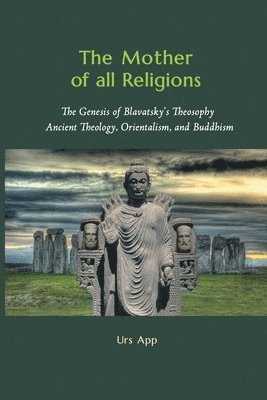
Mother of All Religions
The Genesis of Blavatsky's Theosophy: Ancient Theology, Orientalism, and Buddhism
Av Urs App
Häftad, 2025
469 kr
Lägg i varukorg
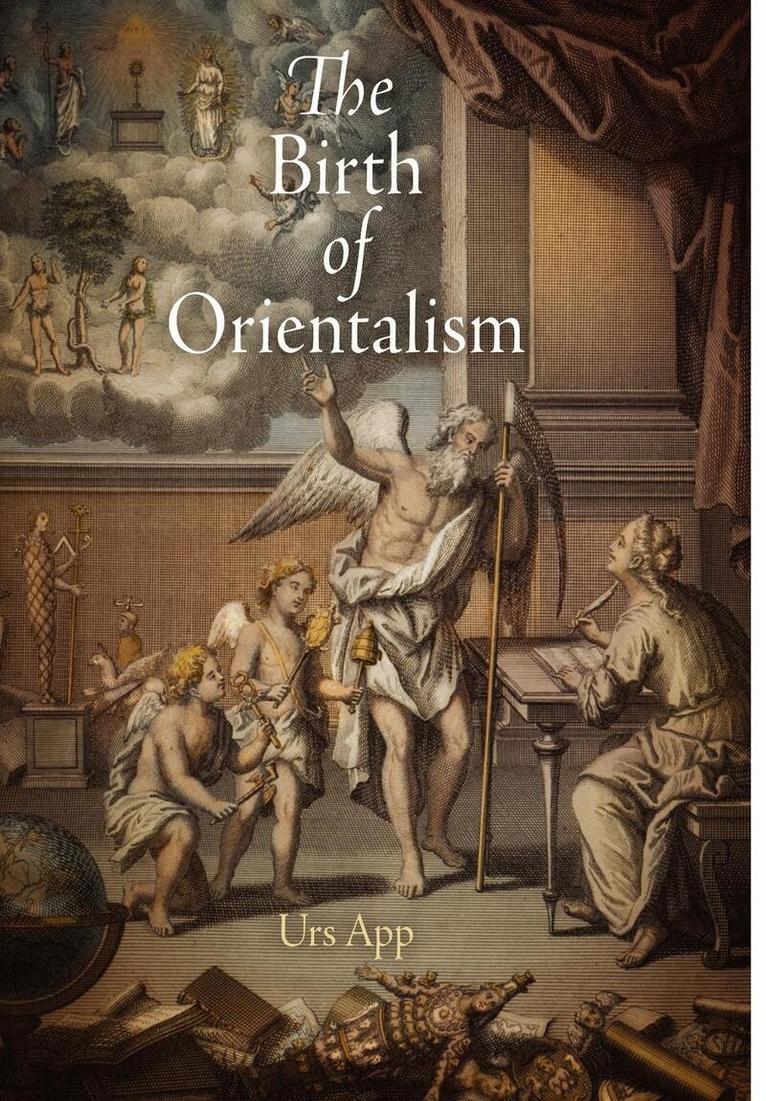
Birth of Orientalism
Av Urs App
E-bok, 2011
978 kr
Lägg i varukorg
Modern Orientalism is not a brainchild of nineteenth-century European imperialists and colonialists, but, as Urs App demonstrates, was born in the eighteenth century after a very long gestation period defined less by economic or political motives than by religious ideology.Based on sources from a …
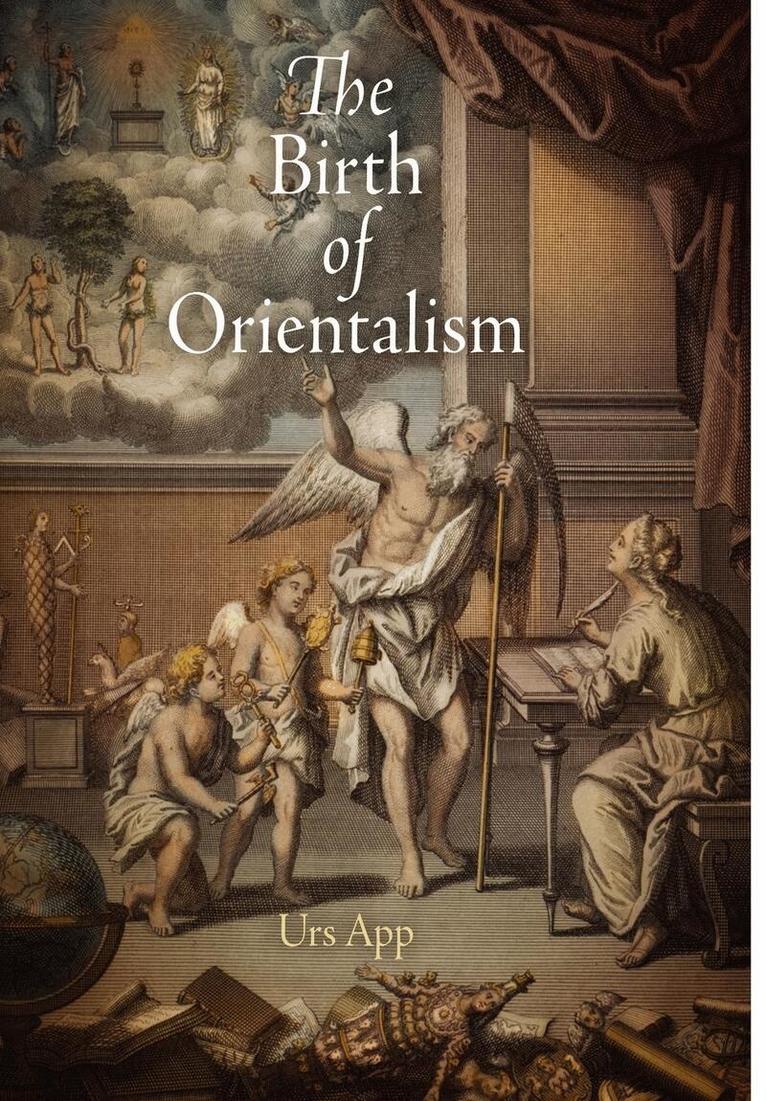
Birth of Orientalism
Av Urs App
Häftad, 2015
659 kr
Lägg i varukorg
Modern Orientalism is not a brainchild of nineteenth-century European imperialists and colonialists, but, as Urs App demonstrates, was born in the eighteenth century after a very long gestation period defined less by economic or political motives than by religious ideology.Based on sources from a …
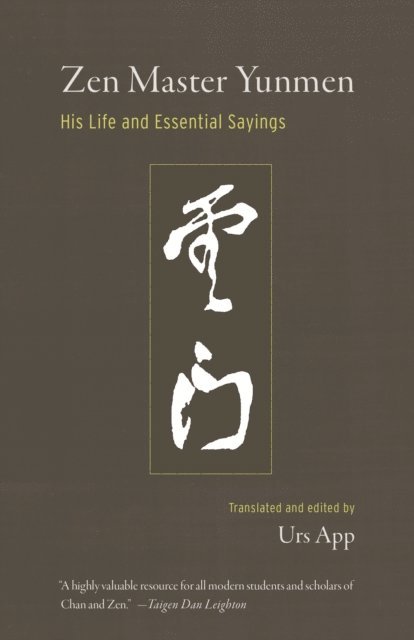
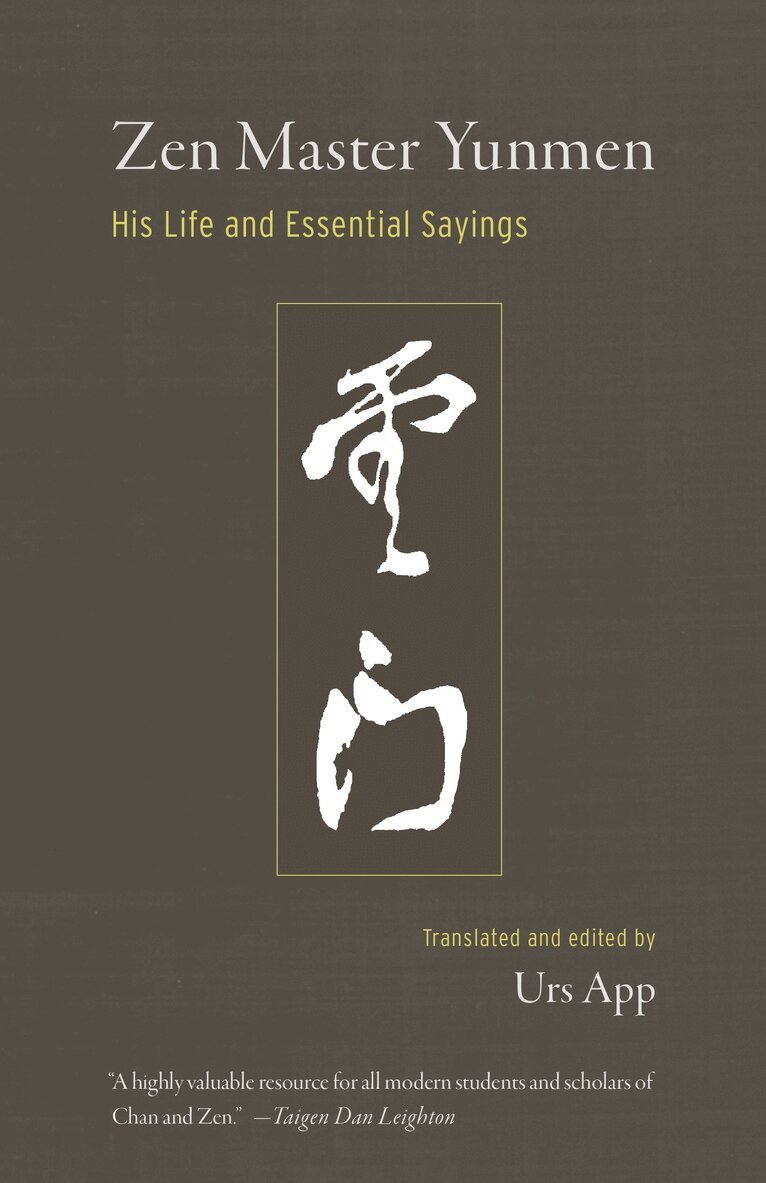
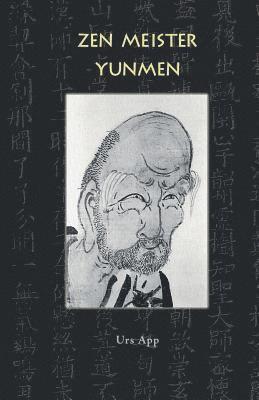
Zen Master Yunmen
His Life and Essential Sayings
Av Urs App
E-bok, 2018
223 kr
Lägg i varukorg
A modern Zen classic--reissued with new material: An introduction to the great tenth-century Chinese master, with translations of his key works. Yunmen Wenyan (c. 864–949) was a master of the Chinese Zen ( Chan ) tradition and one of the most influential teachers in its history, showing up in many …
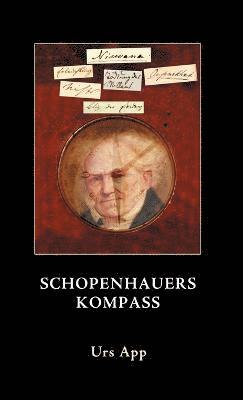
Schopenhauer's Compass. An Introduction to Schopenhauer's Philosophy and its Origins
Av Urs App
Häftad, 2014
502 kr
Lägg i varukorg
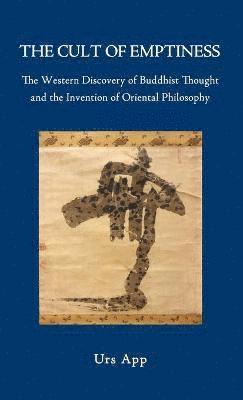
Cult of Emptiness. the Western Discovery of Buddhist Thought and the Invention of Oriental Philosophy
Av Urs App
Inbunden, 2012
655 kr
Lägg i varukorg
Cult of Emptiness. the Western Discovery of Buddhist Thought and the Invention of Oriental Philosophy
Av Urs App
Häftad, 2014
507 kr
Lägg i varukorg
Blavatsky on Buddhism
Interviews, Letters, and Papers
Av Helena P Blavatsky, Urs App
Inbunden, 2023
691 kr
Lägg i varukorg
First Western Book on Buddhism and Buddha
Ozeray's Recherches sur Buddou of 1817
Av Urs App
Häftad, 2017
441 kr
Lägg i varukorg
Zen Meister Yunmen
Leben und Lehre des letzten Giganten der Zen-Klassik
Av Urs App, Wenyan Yunmen
Häftad, 2018
287 kr
Lägg i varukorg
culte du vide
la découverte occidentale de la pensée bouddhiste et l'invention de la philosophie orientale
Av Urs App
Häftad, 2026
477 kr
Lägg i varukorg
Blavatsky on Buddhism
Interviews, Letters, and Papers
Av Helena P Blavatsky, Urs App
Häftad, 2023
502 kr
Lägg i varukorg
Wagner e il buddismo, insieme al suo plagio in Wagner e il nirvana
Av Urs App
Häftad, 2024
280 kr
Lägg i varukorg
Mother of All Religions
The Genesis of Blavatsky's Theosophy: Ancient Theology, Orientalism, and Buddhism
Av Urs App
Inbunden, 2025
665 kr
Lägg i varukorg
culte du vide
la découverte occidentale de la pensée bouddhiste et l'invention de la philosophie orientale
Av Urs App
Inbunden, 2026
650 kr
Lägg i varukorg