Valli Rajah – författare
Visar alla böcker från författaren Valli Rajah. Handla med fri frakt och snabb leverans.
2 produkter
2 produkter
1 033 kr
Kommande
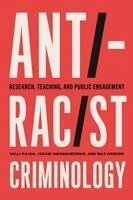
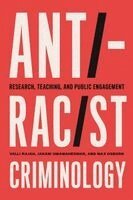
Anti-Racist Criminology is the first book to reckon with issues of race, racism, and anti-racism in the field, both at the individual level and at the institutional level within the university and the criminal justice system writ large. The authors provide an overview and historical understanding of the field's engagement with racist practices, starting with the slave codes and how that connects to the abuses of "stop and frisk." Given the influence that criminological reporting, statistics, and modeling can have on public debates about crime, the authors stress the field's important role in shaping these debates. The book addresses three central questions the authors call the "3 Ws" of anti-racist criminology: why it is important that criminologists take up the goal of anti-racism; what anti-racist principles should criminologists aim to incorporate into their work; and who should take up what roles in the endeavor.The authors explore how these questions apply to research, teaching, and public engagement, and provide "how-tos" for academics interested in anti-racist work. They also offer readers resources to draw upon as they refine their anti-racist ideas and practices. The book closes with a discussion of how anti-racist criminology enhances our understanding of crime, punishment, and harm. Ultimately, Anti-Racist Criminology empowers readers to reimagine how they design research projects, teach, and interact with communities as they participate in a broader movement for social justice and equity.
287 kr
Kommande
A long overdue reckoningWith one critical eye on criminology's problematic past and a second hopeful eye on a better future, Anti-Racist Criminology offers a clear vision for how criminologists can transform their work while resisting the racist logics that have informed harmful policies and practices in the criminal legal system.Drawing a historical line from the eugenicist ideas of Cesare Lombroso and other foundational theorists to contemporary crime control measures such as "stop and frisk," the authors demonstrate how criminological ideas, statistics, and modeling have long shaped – and distorted – public understanding of crime and punishment, with lasting consequences for communities of color.The authors go on to offer a "how-to" for academics interested in anti-racist work by answering three central questions: why it's important for criminologists to embrace anti-racism, what anti-racist principles criminologists should incorporate into their work, and who should take on this work and in what contexts. Ultimately, Anti-Racist Criminology empowers readers to reimagine how they design research projects, teach, and interact with communities as they participate in a broader movement for social justice and equity.