Vejas Gabriel Liulevicius – författare
Visar alla böcker från författaren Vejas Gabriel Liulevicius. Handla med fri frakt och snabb leverans.
8 produkter
8 produkter
E-bok
PDF, Engelska, 2009619 kr
Läs direkt efter köp
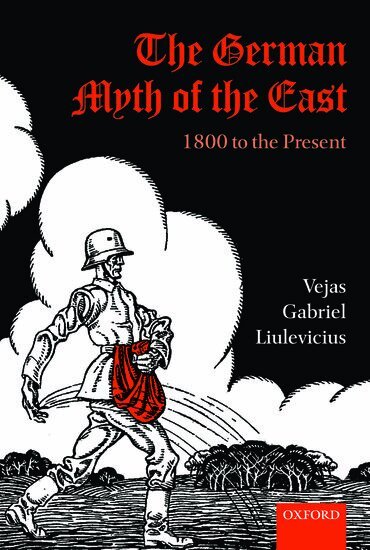
Over the last two centuries and indeed up to the present day, Eastern Europe''s lands and peoples have conjured up a complex mixture of fascination, anxiety, promise, and peril for Germans looking eastwards.Across the generations, a varied cast of German writers, artists, philosophers, diplomats, political leaders, generals, and Nazi racial fanatics have imagined (often in very different ways) a special German mission in the East, forging a frontier myth that paralleled the American myths of the ''Wild West'' and ''Manifest Destiny''. Through close analysis of German views of the East from 1800 to our own times, The German Myth of the East reveals that this crucial international relationshiphas in fact been integral to how Germans have defined (and repeatedly redefined) themselves and their own national identity. In particular, what was ultimately at stake for Germans was their own uncertain position in Europe, between East and West. Paradoxically, the East came to be viewed as both anattractive land of unlimited potential for the future and as a place undeveloped, dangerous, wild, dirty, and uncultured.Running the gamut from the messages of international understanding announced by generations of German scholars and sympathetic writers, to the violent racial utopia envisaged by the Nazis, German imaginings of the East represent a crucial, yet unfamiliar, part of modern European history, and one that remains fundamentally important today in the context of an expanded European Union.
E-bok
Engelska, 2010598 kr
Läs direkt efter köp
Over the last two centuries and indeed up to the present day, Eastern Europe''s lands and peoples have conjured up a complex mixture of fascination, anxiety, promise, and peril for Germans looking eastwards.Across the generations, a varied cast of German writers, artists, philosophers, diplomats, political leaders, generals, and Nazi racial fanatics have imagined (often in very different ways) a special German mission in the East, forging a frontier myth that paralleled the American myths of the ''Wild West'' and ''Manifest Destiny''. Through close analysis of German views of the East from 1800 to our own times, The German Myth of the East reveals that this crucial international relationshiphas in fact been integral to how Germans have defined (and repeatedly redefined) themselves and their own national identity. In particular, what was ultimately at stake for Germans was their own uncertain position in Europe, between East and West. Paradoxically, the East came to be viewed as both anattractive land of unlimited potential for the future and as a place undeveloped, dangerous, wild, dirty, and uncultured.Running the gamut from the messages of international understanding announced by generations of German scholars and sympathetic writers, to the violent racial utopia envisaged by the Nazis, German imaginings of the East represent a crucial, yet unfamiliar, part of modern European history, and one that remains fundamentally important today in the context of an expanded European Union.
Inbunden, Engelska, 2009
970 kr
Skickas inom 5-8 vardagar
Over the last two centuries and indeed up to the present day, Eastern Europe's lands and peoples have conjured up a complex mixture of fascination, anxiety, promise, and peril for Germans looking eastwards. Across the generations, a varied cast of German writers, artists, philosophers, diplomats, political leaders, generals, and Nazi racial fanatics have imagined (often in very different ways) a special German mission in the East, forging a frontier myth that paralleled the American myths of the 'Wild West' and 'Manifest Destiny'. Through close analysis of German views of the East from 1800 to our own times, The German Myth of the East reveals that this crucial international relationship has in fact been integral to how Germans have defined (and repeatedly redefined) themselves and their own national identity. In particular, what was ultimately at stake for Germans was their own uncertain position in Europe, between East and West. Paradoxically, the East came to be viewed as both an attractive land of unlimited potential for the future and as a place undeveloped, dangerous, wild, dirty, and uncultured. Running the gamut from the messages of international understanding announced by generations of German scholars and sympathetic writers, to the violent racial utopia envisaged by the Nazis, German imaginings of the East represent a crucial, yet unfamiliar, part of modern European history, and one that remains fundamentally important today in the context of an expanded European Union.
Häftad, Engelska, 2010
750 kr
Skickas inom 7-10 vardagar
Over the last two centuries and indeed up to the present day, Eastern Europe's lands and peoples have conjured up a complex mixture of fascination, anxiety, promise, and peril for Germans looking eastwards. Across the generations, a varied cast of German writers, artists, philosophers, diplomats, political leaders, generals, and Nazi racial fanatics have imagined (often in very different ways) a special German mission in the East, forging a frontier myth that paralleled the American myths of the 'Wild West' and 'Manifest Destiny'. Through close analysis of German views of the East from 1800 to our own times, The German Myth of the East reveals that this crucial international relationship has in fact been integral to how Germans have defined (and repeatedly redefined) themselves and their own national identity. In particular, what was ultimately at stake for Germans was their own uncertain position in Europe, between East and West. Paradoxically, the East came to be viewed as both an attractive land of unlimited potential for the future and as a place undeveloped, dangerous, wild, dirty, and uncultured. Running the gamut from the messages of international understanding announced by generations of German scholars and sympathetic writers, to the violent racial utopia envisaged by the Nazis, German imaginings of the East represent a crucial, yet unfamiliar, part of modern European history, and one that remains fundamentally important today in the context of an expanded European Union.
Del 9 - Studies in the Social and Cultural History of Modern Warfare
War Land on the Eastern Front
Culture, National Identity, and German Occupation in World War I
Häftad, Engelska, 2005
686 kr
Skickas inom 7-10 vardagar
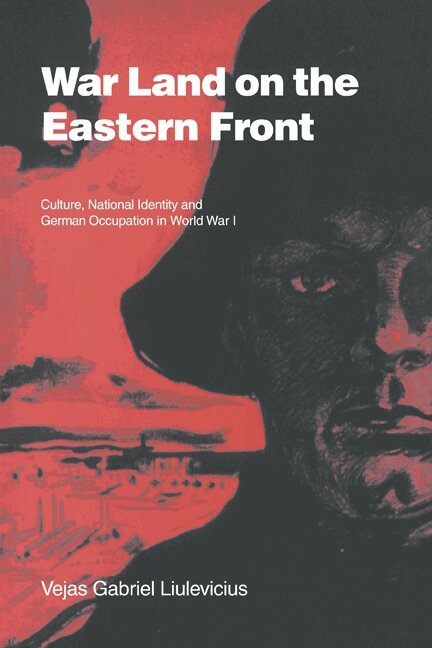
War Land on the Eastern Front is a study of a hidden legacy of World War I: the experience of German soldiers on the Eastern front and the long-term effects of their encounter with Eastern Europe. It presents an 'anatomy of an occupation', charting the ambitions and realities of the new German military state there. Using hitherto neglected sources from both occupiers and occupied, official documents, propaganda, memoirs, and novels, it reveals how German views of the East changed during total war. New categories for viewing the East took root along with the idea of a German cultural mission in these supposed wastelands. After Germany's defeat, the Eastern front's 'lessons' were taken up by the Nazis, radicalized, and enacted when German armies returned to the East in World War II. Vejas Gabriel Liulevicius's persuasive and compelling study fills a yawning gap in the literature of the Great War.
Del 9 - Studies in the Social and Cultural History of Modern Warfare
War Land on the Eastern Front
Culture, National Identity, and German Occupation in World War I
Inbunden, Engelska, 2000
1 475 kr
Skickas inom 7-10 vardagar
War Land on the Eastern Front is a study of a hidden legacy of World War I: the experience of German soldiers on the Eastern front and the long-term effects of their encounter with Eastern Europe. It presents an 'anatomy of an occupation', charting the ambitions and realities of the new German military state there. Using hitherto neglected sources from both occupiers and occupied, official documents, propaganda, memoirs, and novels, it reveals how German views of the East changed during total war. New categories for viewing the East took root along with the idea of a German cultural mission in these supposed wastelands. After Germany's defeat, the Eastern front's 'lessons' were taken up by the Nazis, radicalized, and enacted when German armies returned to the East in World War II. Vejas Gabriel Liulevicius's persuasive and compelling study fills a yawning gap in the literature of the Great War.
Häftad, Tyska, 2018
239 kr
Skickas inom 3-6 vardagar
E-bok
PDF, Tyska, 2018181 kr
Läs direkt efter köp
Schon im Ersten Weltkrieg war die Eroberung und Kolonisierung des Ostens eines der wichtigsten militärpolitischen Ziele Deutschlands.Wie reagierten die dort lebenden Völker auf diesen Herrschaftsanspruch, mit dem angeblich ein historisches Vermächtnis eingelöst und ein kultureller Auftrag erfüllt werden sollte? Und wie gingen die Besatzer mit den Reaktionen um?Mit der Beantwortung dieser Fragen, zeigt Liulevicius zugleich, wie auf deutscher Seite ein Bild vom Osten und seiner Bevölkerung entstand, das sich, getragen und gefestigt durch bestimmte Mentalitäten und Ideologien, im nächsten Krieg auf so verhängnisvolle Weise auswirken sollte.