Vera Dika – författare
Visar alla böcker från författaren Vera Dika. Handla med fri frakt och snabb leverans.
9 produkter
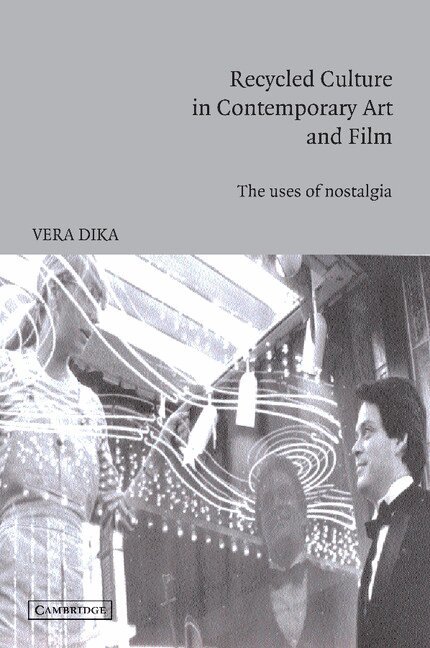
Recycled Culture in Contemporary Art and Film
The Uses of Nostalgia
Av Vera Dika, William Rothman m. fl.
Häftad, 2003
638 kr
Lägg i varukorg
The reuse of images, plots and genres from film history has become prominent in contemporary culture. In this study, Vera Dika explores this phenomenon from a broad range of critical perspectives, examining works of art and film that resist the pull of the past. Dika provides an in-depth analysis …
Recycled Culture in Contemporary Art and Film
The Uses of Nostalgia
Av Vera Dika
Inbunden, 2003
1728 kr
Lägg i varukorg
The reuse of images, plots and genres from film history has become prominent in contemporary culture. In this study, Vera Dika explores this phenomenon from a broad range of critical perspectives, examining works of art and film that resist the pull of the past. Dika provides an in-depth analysis …
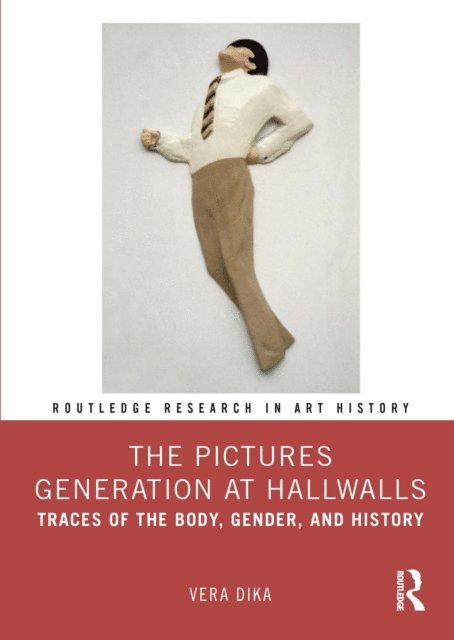
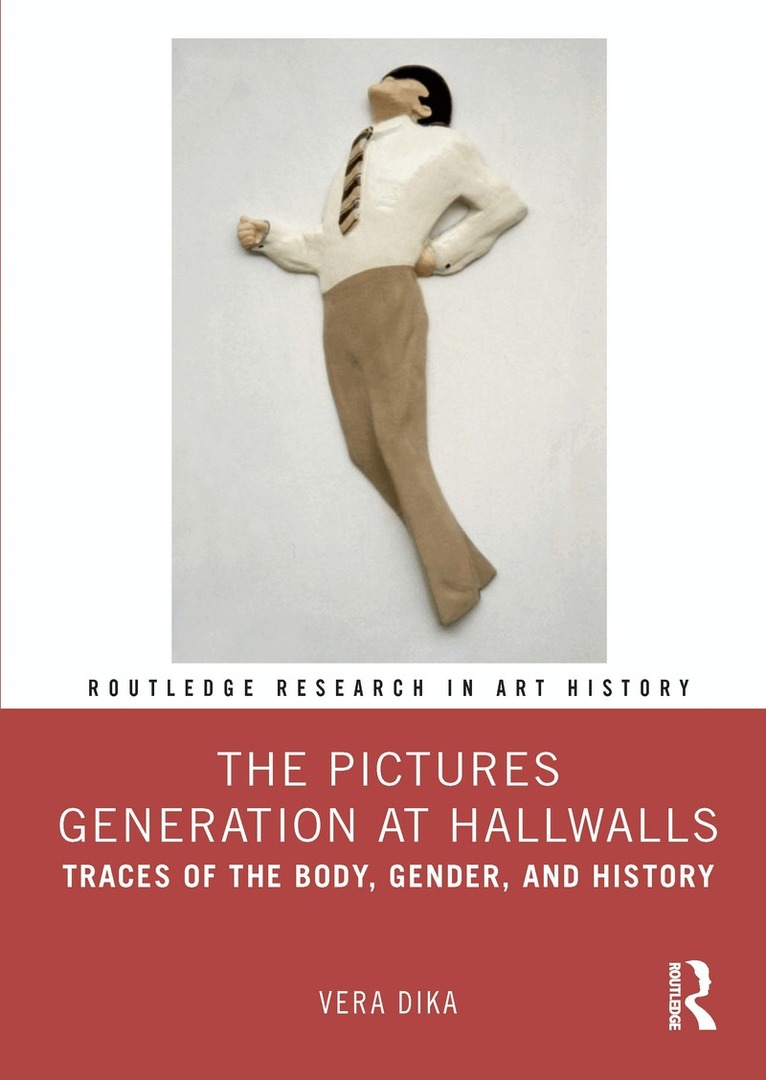
Pictures Generation at Hallwalls
Traces of the Body, Gender, and History
Av Vera Dika
E-bok, 2023
838 kr
Lägg i varukorg
In this book, Vera Dika rewrites the story of the Pictures Generation from the perspective of the Hallwalls Contemporary Arts Center in Buffalo, NY. Her work is based on interviews with living artists, archival research, and personal collections, including films, videotapes, and sound recordings. …
Pictures Generation at Hallwalls
Traces of the Body, Gender, and History
Av Vera Dika
E-bok, 2023
838 kr
Lägg i varukorg
In this book, Vera Dika rewrites the story of the Pictures Generation from the perspective of the Hallwalls Contemporary Arts Center in Buffalo, NY. Her work is based on interviews with living artists, archival research, and personal collections, including films, videotapes, and sound recordings. …
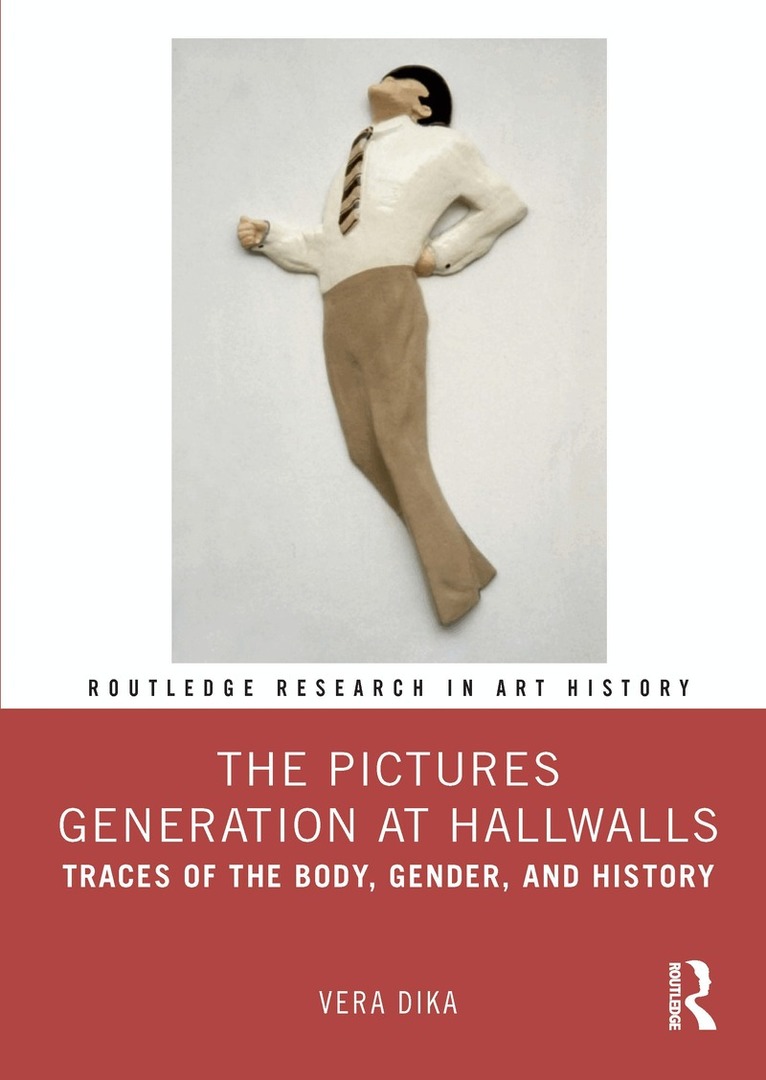
Pictures Generation at Hallwalls
Traces of the Body, Gender, and History
Av Vera Dika
Inbunden, 2023
2588 kr
Lägg i varukorg
In this book, Vera Dika rewrites the story of the Pictures Generation from the perspective of the Hallwalls Contemporary Arts Center in Buffalo, NY. Her work is based on interviews with living artists, archival research, and personal collections, including films, videotapes, and sound recordings. …
Pictures Generation at Hallwalls
Traces of the Body, Gender, and History
Av Vera Dika
Häftad, 2024
712 kr
Lägg i varukorg
In this book, Vera Dika rewrites the story of the Pictures Generation from the perspective of the Hallwalls Contemporary Arts Center in Buffalo, NY. Her work is based on interviews with living artists, archival research, and personal collections, including films, videotapes, and sound recordings. …
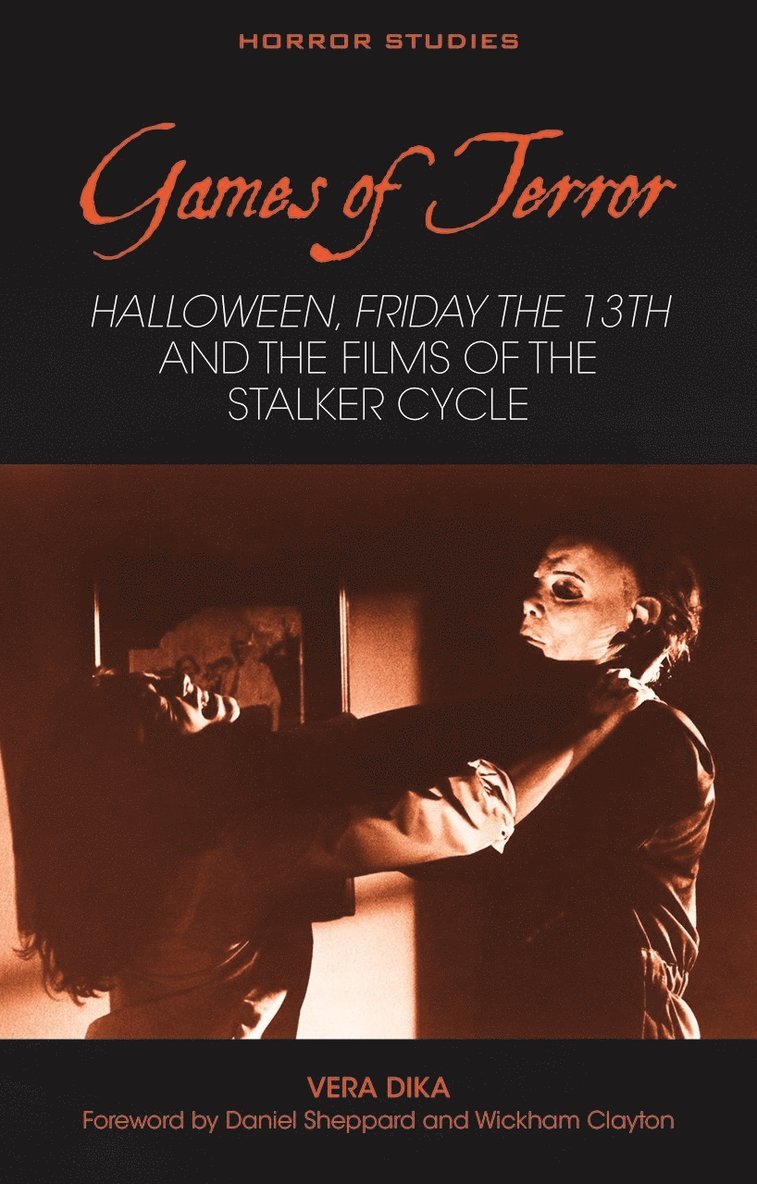
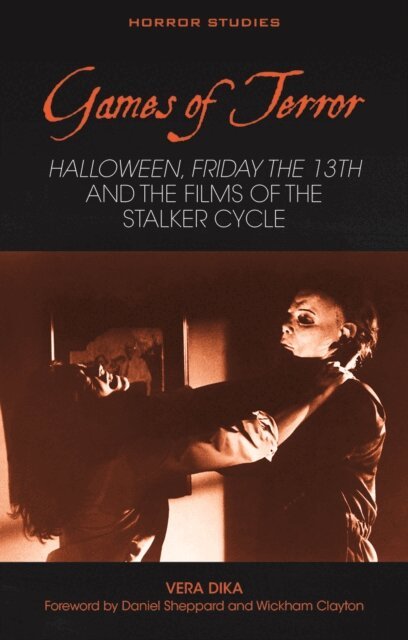
Games of Terror
Halloween, Friday the 13th and the Films of the Stalker Cycle
Av Vera Dika
Inbunden, 2025
1135 kr
Lägg i varukorg
This is a historical and structural study of the Stalker Film. As a subcategory of the more general Slasher Film, the Stalker Film is often characterised by an off-screen presence that dominates the visual field, and by a recuring combination of character and plot functions. The Stalker Film …
Games of Terror
Halloween, Friday the 13th and the Films of the Stalker Cycle
Av Vera Dika
E-bok, 2025
1217 kr
Lägg i varukorg
This is a historical and structural study of the Stalker Film. As a subcategory of the more general Slasher Film, the Stalker Film is often characterised by an off-screen presence that dominates the visual field, and by a recuring combination of character and plot functions. The Stalker Film …
Games of Terror
Halloween, Friday the 13th and the Films of the Stalker Cycle
Av Vera Dika
E-bok, 2025
406 kr
Lägg i varukorg
This is a historical and structural study of the Stalker Film. As a subcategory of the more general Slasher Film, the Stalker Film is often characterised by an off-screen presence that dominates the visual field, and by a recuring combination of character and plot functions. The Stalker Film …