Véronique Richard – författare
Visar alla böcker från författaren Véronique Richard. Handla med fri frakt och snabb leverans.
4 produkter
4 produkter
Häftad, Engelska, 2020
665 kr
Skickas inom 10-15 vardagar
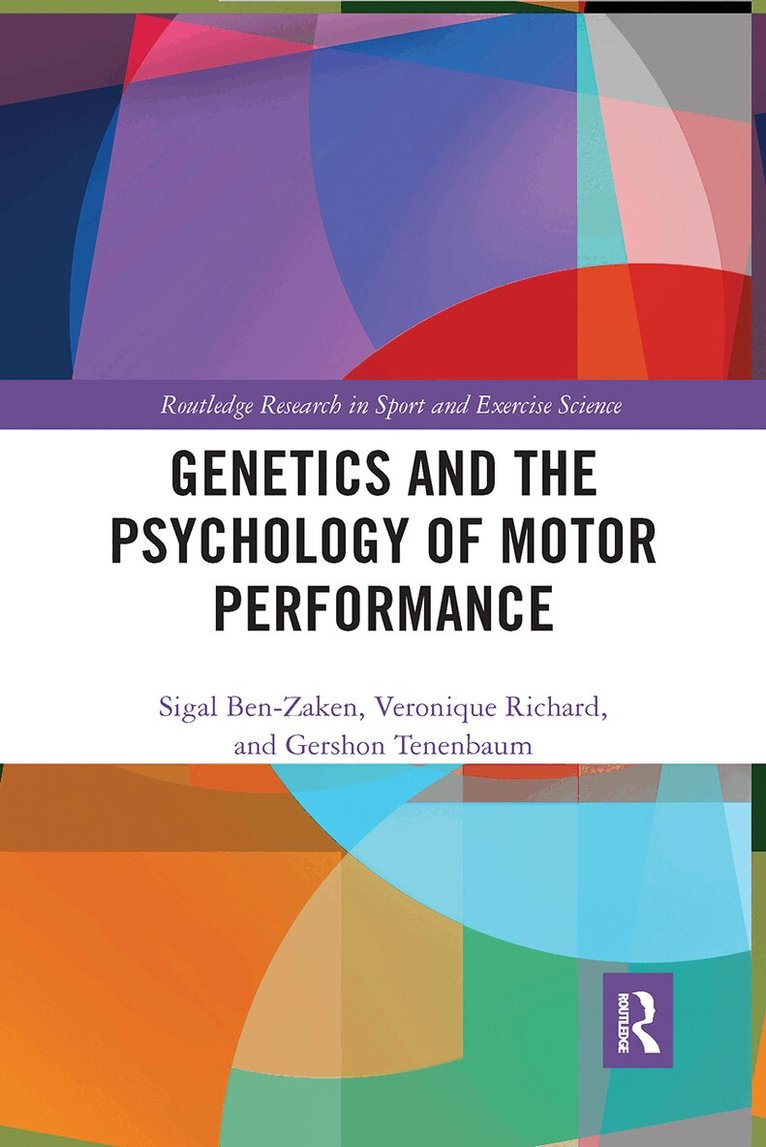
Despite the prevalence of behavioral research conducted through genetic studies, there is an absence of literature pertaining to the genetics of motor behavior. Genetics and the Psychology of Motor Performance is the first book to integrate cutting-edge genetic research into the study of the psychological aspects of motor learning and control.The book’s central line of enquiry revolves around the extent to which psychological factors central to motor proficiency – including personality, emotion, self-regulation, motivation, and perceptual-cognitive skills – are acquired or inherited. It explains how these factors affect motor performance, distilling the latest research into their genetic underpinnings and, in doing so, assessing the magnitude of the role genetics plays in the stages of motor development, from early proficiency through to expertise.Written by leading experts in the genetics of human performance and exercise psychology, and thoroughly illustrated throughout, Genetics and the Psychology of Motor Performance is a crucial resource for any upper-level student or researcher seeking a deeper understanding of motor learning. It is an important book for anyone studying or working in exercise psychology, motor development, exercise genetics, or exercise physiology more broadly.
Inbunden, Engelska, 2019
2 179 kr
Skickas inom 10-15 vardagar
Despite the prevalence of behavioral research conducted through genetic studies, there is an absence of literature pertaining to the genetics of motor behavior. Genetics and the Psychology of Motor Performance is the first book to integrate cutting-edge genetic research into the study of the psychological aspects of motor learning and control.The book’s central line of enquiry revolves around the extent to which psychological factors central to motor proficiency – including personality, emotion, self-regulation, motivation, and perceptual-cognitive skills – are acquired or inherited. It explains how these factors affect motor performance, distilling the latest research into their genetic underpinnings and, in doing so, assessing the magnitude of the role genetics plays in the stages of motor development, from early proficiency through to expertise.Written by leading experts in the genetics of human performance and exercise psychology, and thoroughly illustrated throughout, Genetics and the Psychology of Motor Performance is a crucial resource for any upper-level student or researcher seeking a deeper understanding of motor learning. It is an important book for anyone studying or working in exercise psychology, motor development, exercise genetics, or exercise physiology more broadly.
Inbunden, Engelska, 2026
2 956 kr
Skickas inom 10-15 vardagar
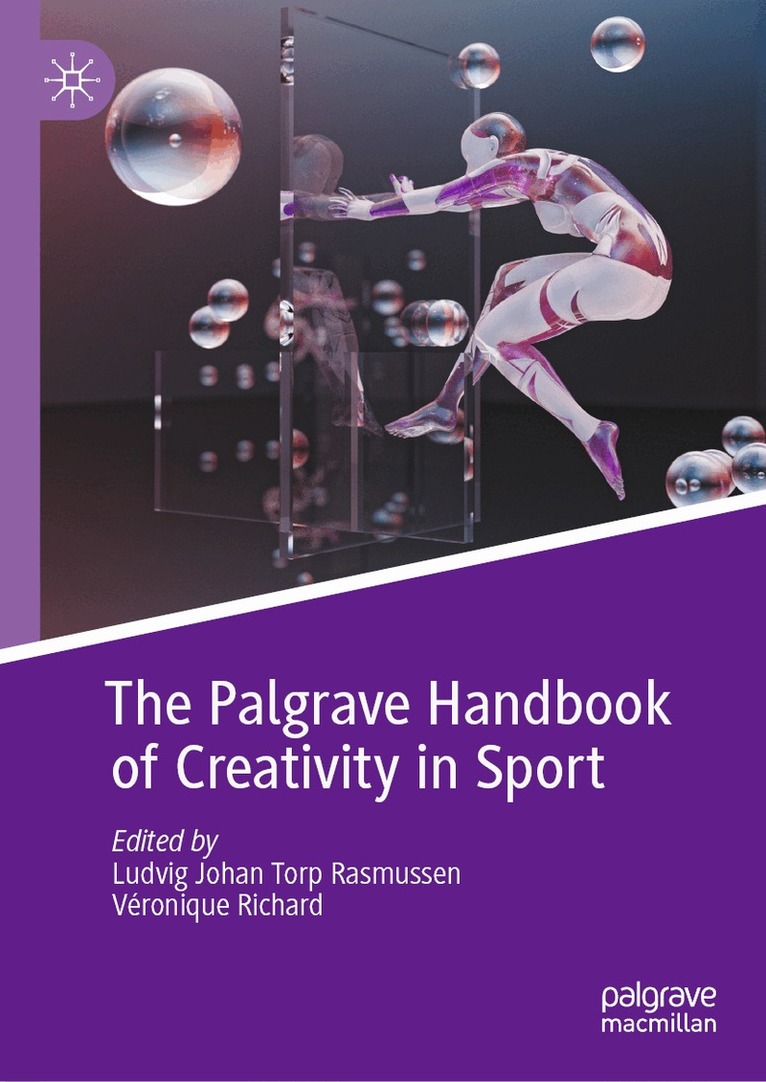
This handbook is an extensive scholarly resource comprising thirty-two chapters written by respected researchers and educators working at the intersection of sport and creativity research. Showcasing a wide range of topics relevant to this emerging interdisciplinary field, the Handbook is organised into three parts:Theoretical Positions: The Nature of Creativity in SportContextual Perspectives: The Role of Creativity in SportApplied Approaches: The Promotion of Creativity in SportAcross these parts, readers are invited to navigate the varied terrain of creativity research, reconsider their assumptions about the meaning of creativity, and critically engage with the multifaceted possibilities and dilemmas of fostering creativity. Encouraging readers to move with creativity in novel ways, the Handbook provides the conceptual frameworks and applied tools to understand and work with creativity a dynamic, context-sensitive phenomenon central to growth, wellbeing, performance and innovation in sport. As such, the Handbook is a vital resource for researchers, students, and practitioners across the realms of sport – particularly those concerned with psychology, philosophy, pedagogy, coaching, youth development, sport participation, talent development, skill acquisition, and expert performance.
E-bok
Engelska, 20263 923 kr
Läs direkt efter köp
This handbook is an extensive scholarly resource comprising thirty-two chapters written by respected researchers and educators working at the intersection of sport and creativity research. Showcasing a wide range of topics relevant to this emerging interdisciplinary field, the Handbook is organised into three parts:Theoretical Positions: The Nature of Creativity in SportContextual Perspectives: The Role of Creativity in SportApplied Approaches: The Promotion of Creativity in SportAcross these parts, readers are invited to navigate the varied terrain of creativity research, reconsider their assumptions about the meaning of creativity, and critically engage with the multifaceted possibilities and dilemmas of fostering creativity. Encouraging readers to move with creativity in novel ways, the Handbook provides the conceptual frameworks and applied tools to understand and work with creativity a dynamic, context-sensitive phenomenon central to growth, wellbeing, performance and innovation in sport. As such, the Handbook is a vital resource for researchers, students, and practitioners across the realms of sport – particularly those concerned with psychology, philosophy, pedagogy, coaching, youth development, sport participation, talent development, skill acquisition, and expert performance.