Victor Oguejiofor Okafor – författare
1 050 kr
Skickas inom 10-15 vardagar
1 135 kr
Läs direkt efter köp
559 kr
Skickas inom 10-15 vardagar
1 483 kr
Skickas inom 10-15 vardagar
831 kr
Läs direkt efter köp
831 kr
Läs direkt efter köp
2 425 kr
Skickas inom 10-15 vardagar
658 kr
Läs direkt efter köp
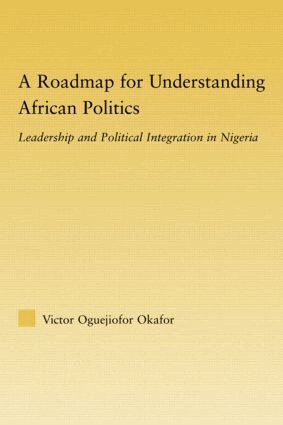
This book examines the impact of post-colonial leadership on political integration in Nigeria, offering an in-depth understanding of the historical and contemporary forces that shape Nigeria''s national politics as well as African politics generally. Okafor discusses how Nigeria''s pre-colonial and colonial political histories along with contemporary external forces like neo-colonialism, as well as internal social, economic and political structures and developments, have affected emerging post-independence politics in the country. The study climaxes with an Africa-centered theory of political and integrative leadership and then uses it as a prism for analyzing six Nigerian post-independence political leaderships, encompassing Nigeria''s First and Second Republics, along with their military interregna. The concluding chapter includes a discussion of the implications of the study for leadership and political integration in Africa in general.
658 kr
Läs direkt efter köp
This book examines the impact of post-colonial leadership on political integration in Nigeria, offering an in-depth understanding of the historical and contemporary forces that shape Nigeria''s national politics as well as African politics generally. Okafor discusses how Nigeria''s pre-colonial and colonial political histories along with contemporary external forces like neo-colonialism, as well as internal social, economic and political structures and developments, have affected emerging post-independence politics in the country. The study climaxes with an Africa-centered theory of political and integrative leadership and then uses it as a prism for analyzing six Nigerian post-independence political leaderships, encompassing Nigeria''s First and Second Republics, along with their military interregna. The concluding chapter includes a discussion of the implications of the study for leadership and political integration in Africa in general.