
Victor Roy Squires – författare
Visar alla böcker från författaren . Handla med fri frakt och snabb leverans.
7 produkter
7 produkter
Häftad, Engelska, 2019
993 kr
Skickas inom 10-15 vardagar
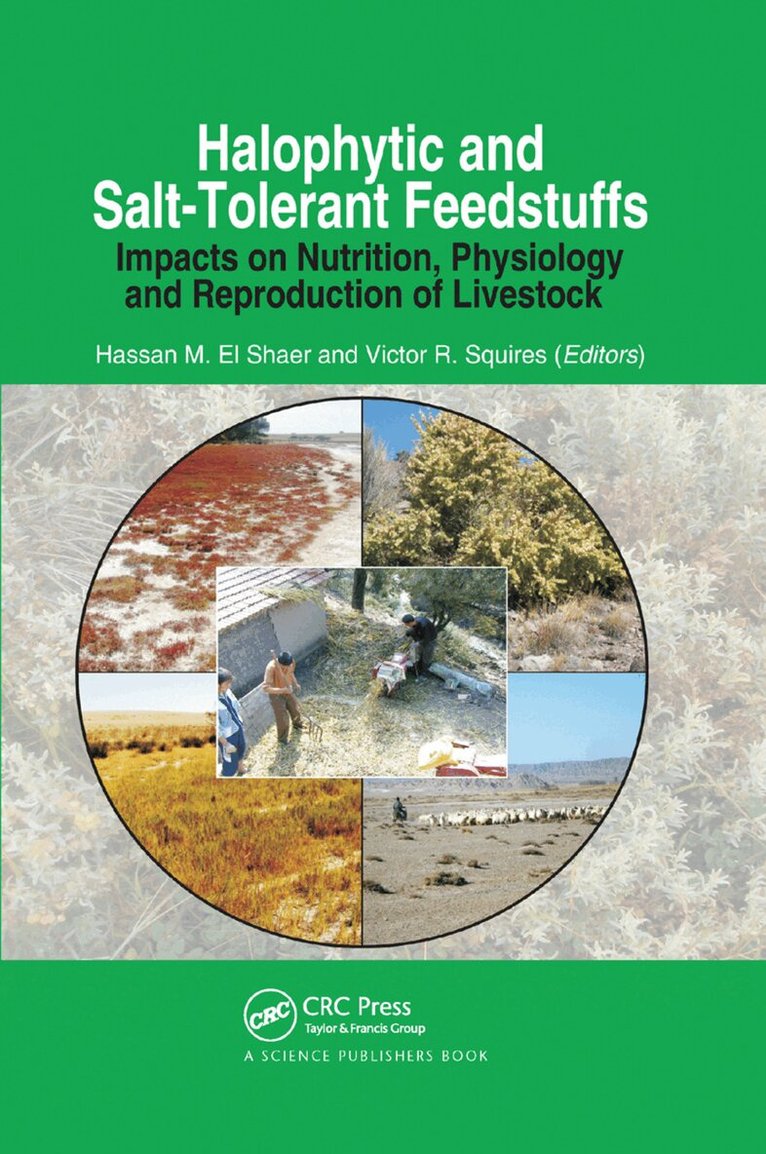
Naturally occurring salt tolerant and halophytic plants (trees, shrubs, grasses, and forbs) have always been utilized by livestock as a supplement or drought reserve. Salt tolerant forage and fodder crops are now being planted over wide areas. Increasingly, large-scale production of fodder on formerly abandoned irrigated cropland has allowed salt tolerant and halophytic feedstuffs to be mainstreamed into the supply chain for feedlots. Feeding salty feeds to livestock has been evaluated in many countries with good outcomes especially as a way to improve livestock nutrition and productivity. Better ways have been devised to use these potentially valuable feed resources. These feedstuffs are best fed in mixed rations. Substituting conventional fodder with up to 30 percent of the diets comprising halophytic feedstuffs have proved most successful for ruminant livestock but special formulations have been devised for poultry and rabbits. There are big savings on the import of costly feedstuffs and benefits to livelihoods of those dependent on scattered, sparse and unreliable forage/fodder in the world’s drylands that cover about 40 percent of the world’s land surface.This book is written by leading authorities from many different countries. It reviews past and current work on the animal-oriented aspects of the utilization of feedstuffs derived from salt tolerant and halophytic plants. It brings to the reader (scientist, researcher, academics and their students, policy makers, and livestock operators) an up-to-date analysis of the important issues related to salt-rich feedstuffs (nutrition, productivity, and reproduction).
E-bok
PDF, Engelska, 20143 530 kr
Läs direkt efter köp
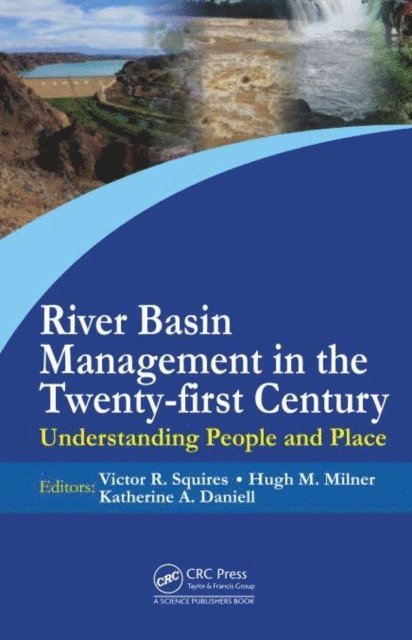
Worldwide development of agriculture and industry creates burgeoning demands on natural resources. Management of the rivers and the surrounding landscape is one of the important tasks for today and for the foreseeable future. Lessons learned from centuries of management (and mismanagement) have been distilled into principles and practices which for
Inbunden, Engelska, 2015
2 923 kr
Skickas inom 10-15 vardagar
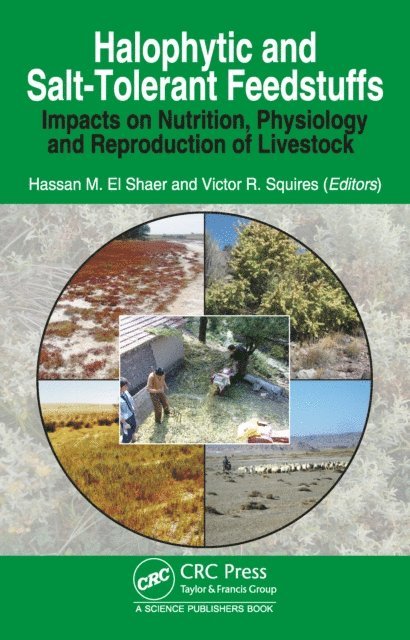
Naturally occurring salt tolerant and halophytic plants (trees, shrubs, grasses, and forbs) have always been utilized by livestock as a supplement or drought reserve. Salt tolerant forage and fodder crops are now being planted over wide areas. Increasingly, large-scale production of fodder on formerly abandoned irrigated cropland has allowed salt tolerant and halophytic feedstuffs to be mainstreamed into the supply chain for feedlots. Feeding salty feeds to livestock has been evaluated in many countries with good outcomes especially as a way to improve livestock nutrition and productivity. Better ways have been devised to use these potentially valuable feed resources. These feedstuffs are best fed in mixed rations. Substituting conventional fodder with up to 30 percent of the diets comprising halophytic feedstuffs have proved most successful for ruminant livestock but special formulations have been devised for poultry and rabbits. There are big savings on the import of costly feedstuffs and benefits to livelihoods of those dependent on scattered, sparse and unreliable forage/fodder in the world’s drylands that cover about 40 percent of the world’s land surface.This book is written by leading authorities from many different countries. It reviews past and current work on the animal-oriented aspects of the utilization of feedstuffs derived from salt tolerant and halophytic plants. It brings to the reader (scientist, researcher, academics and their students, policy makers, and livestock operators) an up-to-date analysis of the important issues related to salt-rich feedstuffs (nutrition, productivity, and reproduction).
E-bok
PDF, Engelska, 20151 194 kr
Läs direkt efter köp
Naturally occurring salt tolerant and halophytic plants (trees, shrubs, grasses, and forbs) have always been utilized by livestock as a supplement or drought reserve. Salt tolerant forage and fodder crops are now being planted over wide areas. Increasingly, large-scale production of fodder on formerly abandoned irrigated cropland has allowed salt t
E-bok
PDF, 20183 006 kr
Läs direkt efter köp
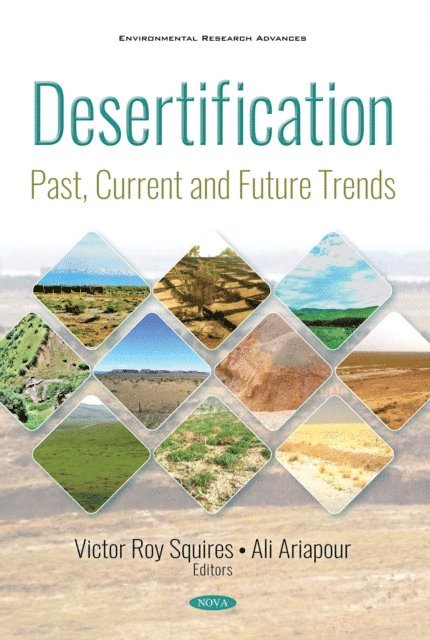
This book (with a foreword by eminent desertification specialist, Dr. Alan Grainger of Leeds University) provides a synthesis of what desertification means in the present day context of worldwide concerns about land degradation in the face of global (including climate) change, burgeoning populations, urbanization, and loss of biodiversity. It defines and describes desertification in its many forms and examines efforts to combat land degradation. The authors present some models that relate to the current impact of climate change on desertification as well as the medium to long term, and offer case studies on efforts to combat desertification in the major regions of the world. In the last chapter, we attempt to synthesize the whole book in the context of the post-2015 agreements on climate change (the Paris Accord) and the UN Sustainable Development Goals (SDG).Chapters concerning the historical context of desertification consider the definition and meanings associated with the word "e;desertification"e;; discuss the global extent and severity of the many types of desertification; and explain the current status of desertification in the "e;post-2015 context"e;. The book also discusses the impacts of desertification on ecosystems and people along with biodiversity; dust and sand storms from desertified landscapes; and the people affected by desertification. Chapters also focus on desertification and climate change, and consider the nexus between climate, soil, water and people; climate variability, land use and livelihoods affected by desertification are also analyzed.Chapters on combating desertification focus on combating desertification and act as an overview of proven practices with a detailed case study from China. Finally, synthesis and conclusions are consider the future of those affected by desertification, dealing firstly with medium to long term future outlooks and secondly with attempting to sum up the trends.
E-bok
PDF, Engelska, 20194 260 kr
Läs direkt efter köp
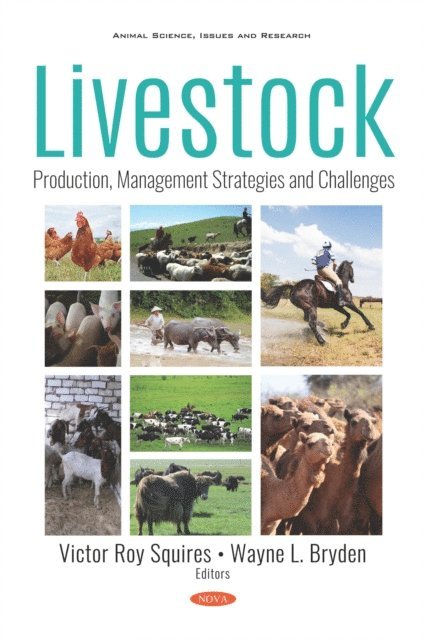
This book brings together and discusses information relating to animal production systems in different parts of the world. Throughout this book there are examples of systems comprised of a collection of interdependent and interactive elements that act together to accomplish a desired outcome. As indicated in the Preface, editors sought to give a broad description of existing systems of livestock production in different parts of the world. They discuss some of their important components and try to identify why and how these components have interacted with the systems being described. By editorial concept and by cross-referencing between chapters. this book should serve as a synthesis of several key issues. Along with the extensive bibliography (some in languages other than English) here, and in each other chapters, we present an approach to global livestock production that is up to date and comprehensive. The editors have commissioned writers from Asia, Africa, Australia, the Americas and Europe. The information they present helps our understanding of the complexity of the issues faced in the rapidly changing world in which we all live. What to do about burgeoning populations, rising living standards, shrinking areas of agricultural and pastoral lands, dilemmas about the morality of eating meat, competition for arable lands to grow food crops for humans or to provide fodder and grain for livestock have not yet been resolved. The book’s purpose is to provide the reader with a synoptic overview of the role of livestock in the economy and culture of peoples from every continent except Antarctica. This book draws together many aspects related to livestock industries around the world, beginning with an overview of the major production systems. Different geographic zones are associated with certain production systems. These are explained and a more in-depth examination (including case studies) of each is presented. Livestock production is the world’s largest user of land, either directly through grazing or indirectly through consumption of fodder and feed grains. Globally, livestock production currently accounts for some 36 percent of the gross value of agricultural production. In the developed countries, this share amounts to half of total production and in developing countries for almost one-third. Worldwide, animal production from livestock (meat, dairy products, eggs, fiber and hides and skins) is the basis of livelihoods of billions of people. The management (care and welfare) of livestock is called animal husbandry. Animal husbandry as a term covers matters relating to livestock production and management, physiology of animals, reproduction, preservation and protection from disease, nutrition and feeding, housing, welfare and behaviour. The predominant production systems in the world range from extensive pastoral systems to intensive landless systems. The classification is justified by its usefulness in identifying livestock development possibilities. Systems at different stages on the development path face widely differing constraints on their further improvement. This book is particularly valuable in this context. The book has 17 chapters in five parts. The authors are drawn from 12 countries, many from the developing world. They are people with in-depth knowledge of the local situation and provide insights into the role, function and interdependence of people and their livestock. The book will be an invaluable addition to the already comprehensive technical literature on the physiology, behaviour, and genetics of both ruminant and non-ruminant livestock (including poultry, rabbits, and even more exotic “mini livestock” species that are part of the food chain. Readership will include livestock specialists who wish to learn more about the global situation, personnel from the donor community, the UN agencies, NGOs, geographers and the curious lay persons.
Inbunden, Engelska, 2014
1 585 kr
Tillfälligt slut
Worldwide development of agriculture and industry creates burgeoning demands on natural resources. Management of the rivers and the surrounding landscape is one of the important tasks for today and for the foreseeable future. Lessons learned from centuries of management (and mismanagement) have been distilled into principles and practices which form the subject matter for this book. It provides both a global perspective and an entrée to the special problems associated with management of transboundary rivers.