Vidar Halldorsson – författare
Visar alla böcker från författaren Vidar Halldorsson. Handla med fri frakt och snabb leverans.
4 produkter
4 produkter
336 kr
Skickas inom 10-15 vardagar
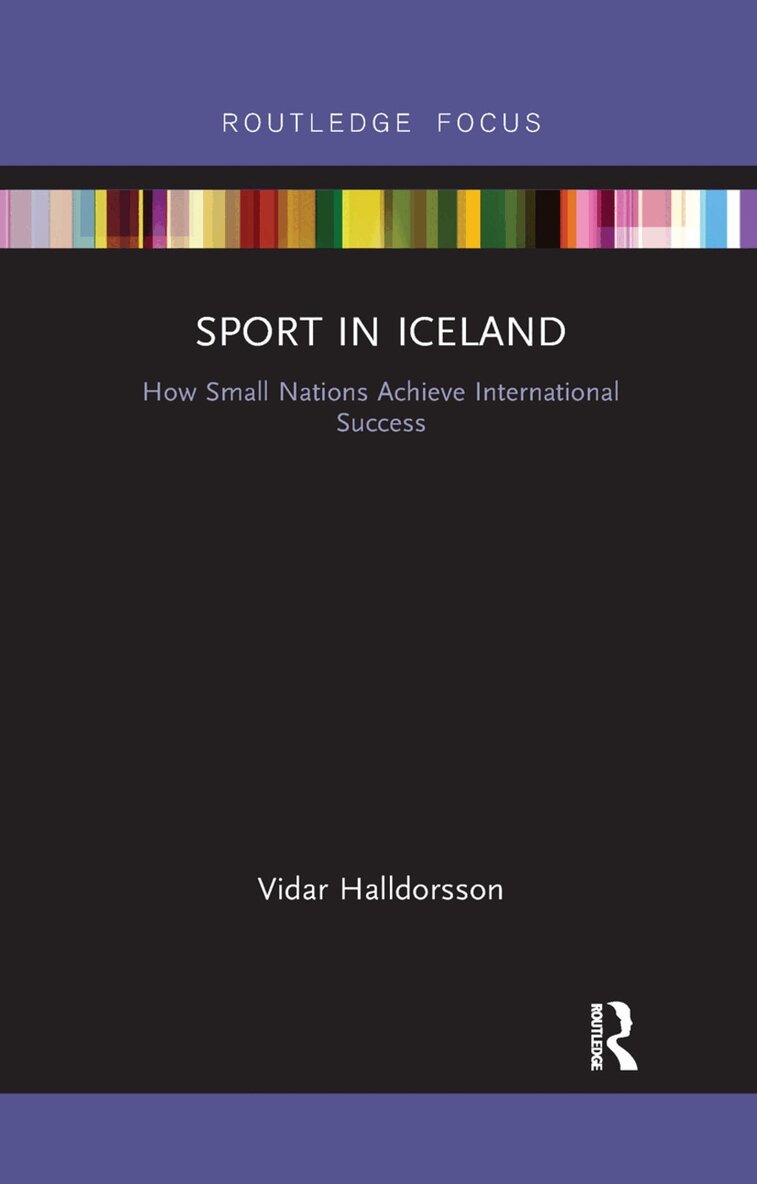
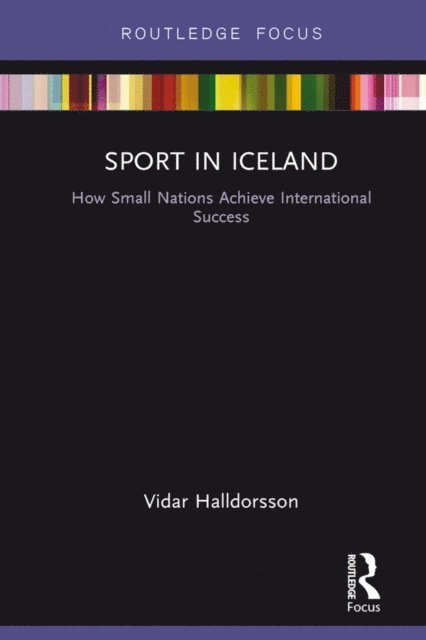
Iceland is a tiny Nordic nation with a population of just 330,000 and no professional sports leagues, and yet its soccer, basketball and handball teams have all qualified for major international tournaments in recent years. This fascinating study argues that team sport success is culturally produced and that in order to understand collective achievement we have to consider the socio-cultural context. Based on unparalleled access to key personnel, including top coaches, athletes and administrators, the book explores Icelandic cultural capital as a factor in sporting success, from traditions of workmanship, competitive play and teamwork to international labour migration and knowledge transfer. The first book to focus specifically on the socio-cultural aspects of a small nation’s international sporting success, this is an original and illuminating contribution to the study of the sociology of sport. Sport in Iceland: How small nations achieve international success is fascinating reading for team sport enthusiasts, coaches, managers and organisers, as well as for any student or scholar with an interest in the sociology of sport, strategic sports development, sports policy or sports administration.
How Digital Screen Use Alienates Human Societies
A Treatise on Social Magic and Its Decadence
Häftad, Engelska, 2026
613 kr
Kommande
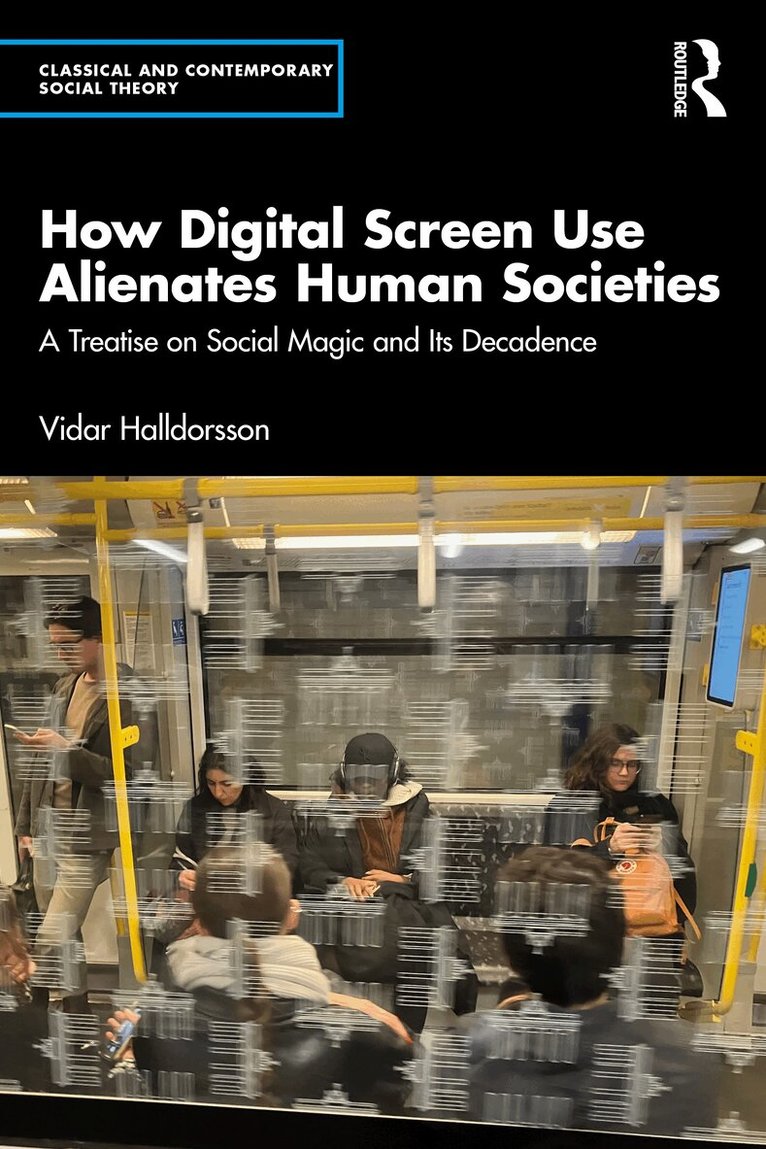
Halldorsson’s How Digital Screen Use Alienates Human Societies examines recent processes of technological rationalism, which were intensified by the Covid-pandemic, and explores how they alienate human societies in the name of progress. Challenging the prevailing assumptions of such ‘progress’, the book argues that these processes undermine the essential ‘social magic’ – the everyday human sociality that builds communities – which results in societal fragmentation, marked by alienation in the form of social isolation, consumption, polarisation, fear, and conflict.The paradox of how increased connectivity through digital networks, can lead to lack of human connection is the critical question this book pursues. It explores how intense processes of technological rationalisation has undermined human sociality and alienated the world by replacing human-to-human relationships with human-to-machine interactions. The author argues that communication with/through screen machines is incapable of replacing vital social relationships that breed ‘social magic’ and build communities. This disconnection, which is driven by technological capitalism, undermines human sociality and causes alienation. Ultimately, the book asserts that humanity needs more social magic, fostered through human-to-human relationships – and offers critical sociological analysis and potential remedies.This book is a critical academic treatise. It will be of interest to social science scholars and students as well as a broader audience seeking to resist the relentless makeover of human societies, in the name of technological rationalisation, and make the world more humane, meaningful, and magical.
How Digital Screen Use Alienates Human Societies
A Treatise on Social Magic and Its Decadence
Inbunden, Engelska, 2026
2 245 kr
Kommande
Halldorsson’s How Digital Screen Use Alienates Human Societies examines recent processes of technological rationalism, which were intensified by the Covid-pandemic, and explores how they alienate human societies in the name of progress. Challenging the prevailing assumptions of such ‘progress’, the book argues that these processes undermine the essential ‘social magic’ – the everyday human sociality that builds communities – which results in societal fragmentation, marked by alienation in the form of social isolation, consumption, polarisation, fear, and conflict.The paradox of how increased connectivity through digital networks, can lead to lack of human connection is the critical question this book pursues. It explores how intense processes of technological rationalisation has undermined human sociality and alienated the world by replacing human-to-human relationships with human-to-machine interactions. The author argues that communication with/through screen machines is incapable of replacing vital social relationships that breed ‘social magic’ and build communities. This disconnection, which is driven by technological capitalism, undermines human sociality and causes alienation. Ultimately, the book asserts that humanity needs more social magic, fostered through human-to-human relationships – and offers critical sociological analysis and potential remedies.This book is a critical academic treatise. It will be of interest to social science scholars and students as well as a broader audience seeking to resist the relentless makeover of human societies, in the name of technological rationalisation, and make the world more humane, meaningful, and magical.
914 kr
Skickas inom 10-15 vardagar
Iceland is a tiny Nordic nation with a population of just 330,000 and no professional sports leagues, and yet its soccer, basketball and handball teams have all qualified for major international tournaments in recent years. This fascinating study argues that team sport success is culturally produced and that in order to understand collective achievement we have to consider the socio-cultural context. Based on unparalleled access to key personnel, including top coaches, athletes and administrators, the book explores Icelandic cultural capital as a factor in sporting success, from traditions of workmanship, competitive play and teamwork to international labour migration and knowledge transfer. The first book to focus specifically on the socio-cultural aspects of a small nation’s international sporting success, this is an original and illuminating contribution to the study of the sociology of sport. Sport in Iceland: How small nations achieve international success is fascinating reading for team sport enthusiasts, coaches, managers and organisers, as well as for any student or scholar with an interest in the sociology of sport, strategic sports development, sports policy or sports administration.