Vladimir Antchak - Böcker
Visar alla böcker från författaren Vladimir Antchak. Handla med fri frakt och snabb leverans.
7 produkter
7 produkter
2 150 kr
Skickas inom 10-15 vardagar
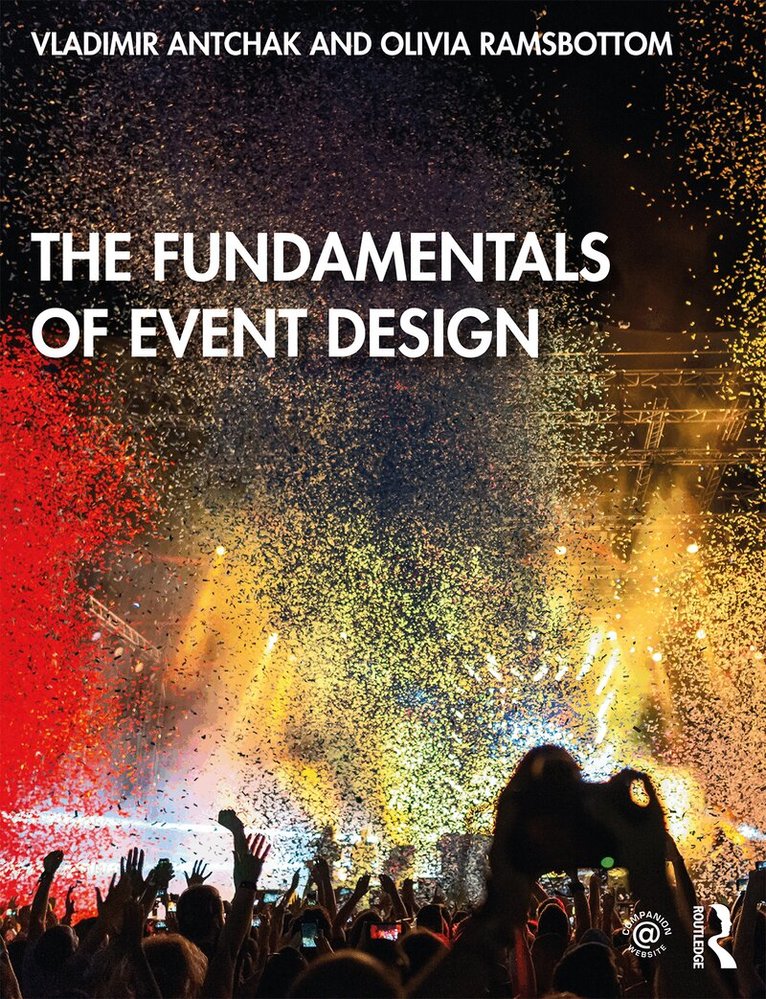
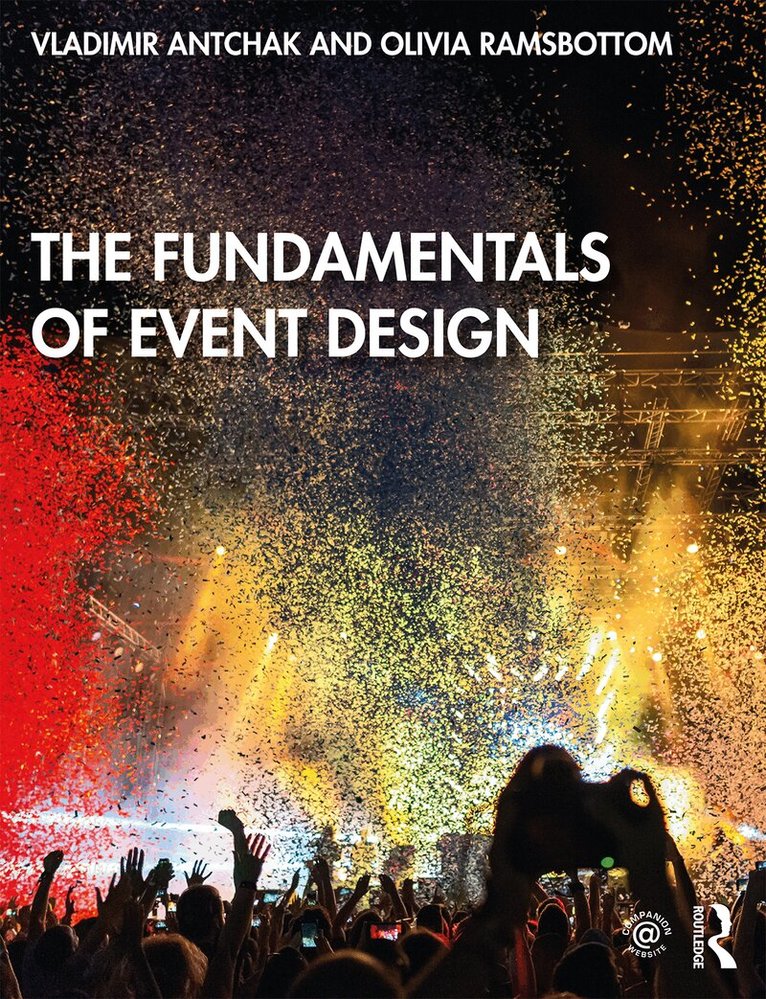
The Fundamentals of Event Design aims to rethink current approaches to event design and production. The textbook explores the relationship between event design and multiple visitor experiences, as well as interactivity, motivation, sensory stimuli and co-creative participation.Structured around the key phases of event design, the book covers all the critical dimensions of event concepting, atmospherics, the application of interactive technologies, project management, team leadership, creative marketing and sustainable production. The concepts of authenticity, creativity, co-creation, imagineering and storytelling are discussed throughout, and practical step-by-step guidance is provided on how to create and deliver unique and memorable events. The chapters include industry voices offering real-life insight from leading international event practitioners and individual and/or team assignments to stimulate learners’ creativity, visualisation and problem solving. This is the first textbook in event design that integrates areas of anthropology, social psychology, management, marketing, graphic design and interactivity. Focusing on bringing theory into practice, this is essential reading for all Events Management students.
593 kr
Skickas inom 10-15 vardagar
The Fundamentals of Event Design aims to rethink current approaches to event design and production. The textbook explores the relationship between event design and multiple visitor experiences, as well as interactivity, motivation, sensory stimuli and co-creative participation.Structured around the key phases of event design, the book covers all the critical dimensions of event concepting, atmospherics, the application of interactive technologies, project management, team leadership, creative marketing and sustainable production. The concepts of authenticity, creativity, co-creation, imagineering and storytelling are discussed throughout, and practical step-by-step guidance is provided on how to create and deliver unique and memorable events. The chapters include industry voices offering real-life insight from leading international event practitioners and individual and/or team assignments to stimulate learners’ creativity, visualisation and problem solving. This is the first textbook in event design that integrates areas of anthropology, social psychology, management, marketing, graphic design and interactivity. Focusing on bringing theory into practice, this is essential reading for all Events Management students.
609 kr
Kommande
The Fundamentals of Event Design provides a clear and accessible introduction to designing engaging, immersive and memorable event experiences. Moving beyond a traditional management-led approach, the book presents events as experience platforms shaped by emotion, interaction, storytelling and audience participation.Organised around the key stages of the event design process, the book explores how event experiences are planned, shaped and delivered in practice. It introduces essential ideas such as design thinking, imagineering, atmospherics, sensory design, storytelling, interactivity and co-creation, alongside the practical realities of project management, team leadership, creative marketing and sustainable production. Throughout the book, theory is closely linked to practice, offering step-by-step guidance on turning creative ideas into workable and impactful event concepts.This fully updated Second Edition reflects the fast-changing nature of the events industry and includes:expanded coverage of emerging technologies such as hybrid and virtual events;clearer guidance on sustainability, positioning it as a core part of event design rather than an add-on;new discussion of the impact of COVID-19 on the events industry, exploring how the pandemic reshaped event design, accelerated digital innovation, and changed audience expectations around safety, flexibility and experience;new and updated case studies and industry examples.Balancing contemporary research with real-world application, The Fundamentals of Event Design equips readers with the tools and confidence needed to design events that are engaging, meaningful and relevant in today’s experience-led economy. It is essential reading for undergraduate and postgraduate Events Management students, as well as for aspiring event designers who want to move beyond managing events to designing experiences.
2 397 kr
Kommande
The Fundamentals of Event Design provides a clear and accessible introduction to designing engaging, immersive and memorable event experiences. Moving beyond a traditional management-led approach, the book presents events as experience platforms shaped by emotion, interaction, storytelling and audience participation.Organised around the key stages of the event design process, the book explores how event experiences are planned, shaped and delivered in practice. It introduces essential ideas such as design thinking, imagineering, atmospherics, sensory design, storytelling, interactivity and co-creation, alongside the practical realities of project management, team leadership, creative marketing and sustainable production. Throughout the book, theory is closely linked to practice, offering step-by-step guidance on turning creative ideas into workable and impactful event concepts.This fully updated Second Edition reflects the fast-changing nature of the events industry and includes:expanded coverage of emerging technologies such as hybrid and virtual events;clearer guidance on sustainability, positioning it as a core part of event design rather than an add-on;new discussion of the impact of COVID-19 on the events industry, exploring how the pandemic reshaped event design, accelerated digital innovation, and changed audience expectations around safety, flexibility and experience;new and updated case studies and industry examples.Balancing contemporary research with real-world application, The Fundamentals of Event Design equips readers with the tools and confidence needed to design events that are engaging, meaningful and relevant in today’s experience-led economy. It is essential reading for undergraduate and postgraduate Events Management students, as well as for aspiring event designers who want to move beyond managing events to designing experiences.
616 kr
Skickas inom 5-8 vardagar
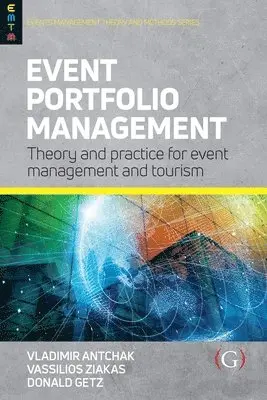
Event Portfolio Management explores the phenomenon of the event portfolio as a policy tool for cities and destinations. Divided into two parts – ‘Theory’ and ‘Practice’ – the book critically analyses and summarises key underpinnings behind portfolio theory development and identifies key trends and issues in the event portfolio approach. It examines the processes of event portfolio development and management, leveraging, stakeholder networking and collaboration, portfolio design, risk assessment and evaluation. With a wide geographical reach, the book introduces the results of empirical research from different international case studies, including Auckland, Wellington and Dunedin in New Zealand, Canberra and Melbourne in Australia, and Manchester and Edinburgh in the UK. The Event Management Theory and Methods Series examines the extent to which mainstream theory is employed to develop event-specific theory, and to influence the very core practices of event management and event tourism. Each compact volume contains overviews of mainstream management theories and methods, examples from the events literature, case studies, and guidance on all aspects of planned-event management. The series introduces the theory, shows how it is being used in the events sector through a literature review, incorporates examples and case studies written by researchers and/or practitioners, and contains methods that can be used effectively in the real world.Series editor: Donald Getz PhD., Professor Emeritus, University of Calgary, Canada.This is an indispensable specialist text for events students, scholars and practitioners. With additional online resource material, the book is ideal for lecturers who teach event tourism and need theoretical foundations and case studies for their classes. It is a valuable source of reference for students undertaking events and tourism programmes. For destination managers and other industry professionals, the book provides a theoretical and practical guide to developing successful and sustainable portfolios of events. Vladimir Antchak, PhD., is Senior Lecturer in Applied Management at the University of Derby, UK. Vassilios Ziakas, PhD., is Associate Professor in Sport Management at Plymouth Marjon University, UK.Donald Getz, PhD., is Professor Emeritus at the University of Calgary, Canada and Visiting Professor at the University of Derby, UK.
1 850 kr
Skickas inom 5-8 vardagar
The first text to fully explore the issue of ownership and governance of international events. Split onto two distinct parts of ‘Theory’ and ‘Cases’, it presents cases from sports as well as non-sports events, in addition to general principles regarding ownership and governance based on historical, legal and managerial considerations.Ownership and Governance of International Events explores these events as global common goods owned by communities of participants, be they athletes, spectators, visitors, tourists, fans, media consumers, local residents and their required partnership between public authorities (at local, regional and national levels) and private bodies (NGOs and commercial organisations). It argues that this perspective of an event as a ‘common good’ helps mega events to be better sustained over the long run and facilitates their acceptability by local residents and wider public opinion.
637 kr
Skickas inom 5-8 vardagar
The first text to fully explore the issue of ownership and governance of international events. Split onto two distinct parts of ‘Theory’ and ‘Cases’, it presents cases from sports as well as non-sports events, in addition to general principles regarding ownership and governance based on historical, legal and managerial considerations.Ownership and Governance of International Events explores these events as global common goods owned by communities of participants, be they athletes, spectators, visitors, tourists, fans, media consumers, local residents and their required partnership between public authorities (at local, regional and national levels) and private bodies (NGOs and commercial organisations). It argues that this perspective of an event as a ‘common good’ helps mega events to be better sustained over the long run and facilitates their acceptability by local residents and wider public opinion.