Vrej N Nersessian – författare
Visar alla böcker från författaren Vrej N Nersessian. Handla med fri frakt och snabb leverans.
11 produkter
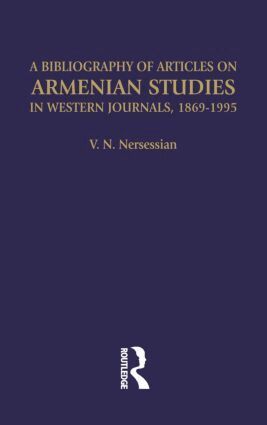
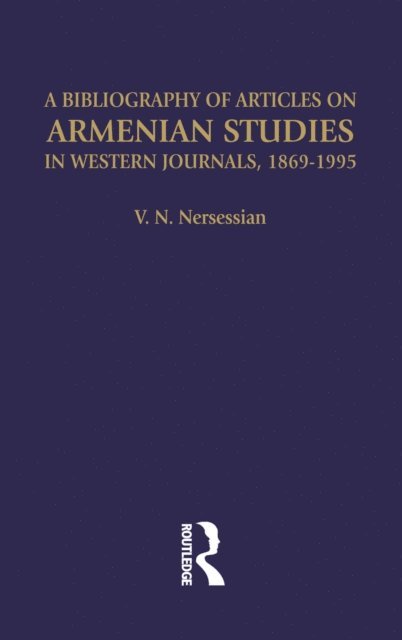
Bibliography of Articles on Armenian Studies in Western Journals, 1869-1995
Av Vrej N Nersessian, Vrej N. Nersessian
Inbunden, 1997
2512 kr
Lägg i varukorg
Covers a comprehensive range of periodicals - well over 165 in all.
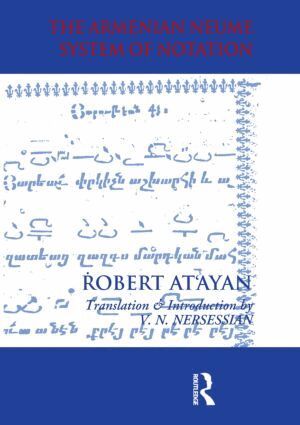
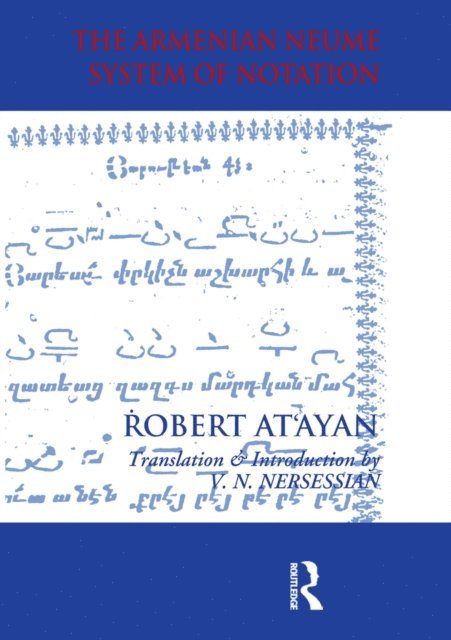
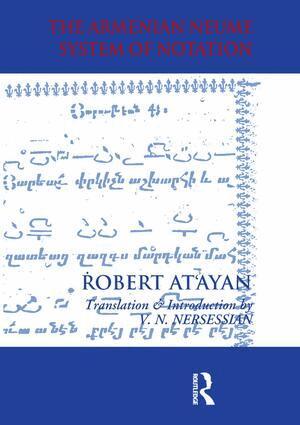
Armenian Neume System of Notation
Study and Analysis
Av R. A. At'ayan, Vrej N Nersessian m. fl.
Inbunden, 1999
2586 kr
Lägg i varukorg
The study of the Armenian system of notation called Khazs (Neumes) is of significance both for Armenian and Byzantine music from a historical and aesthetic point of view. Over the centuries the Armenian people have created a musical culture which is largely inaccessible because of the fact that to …
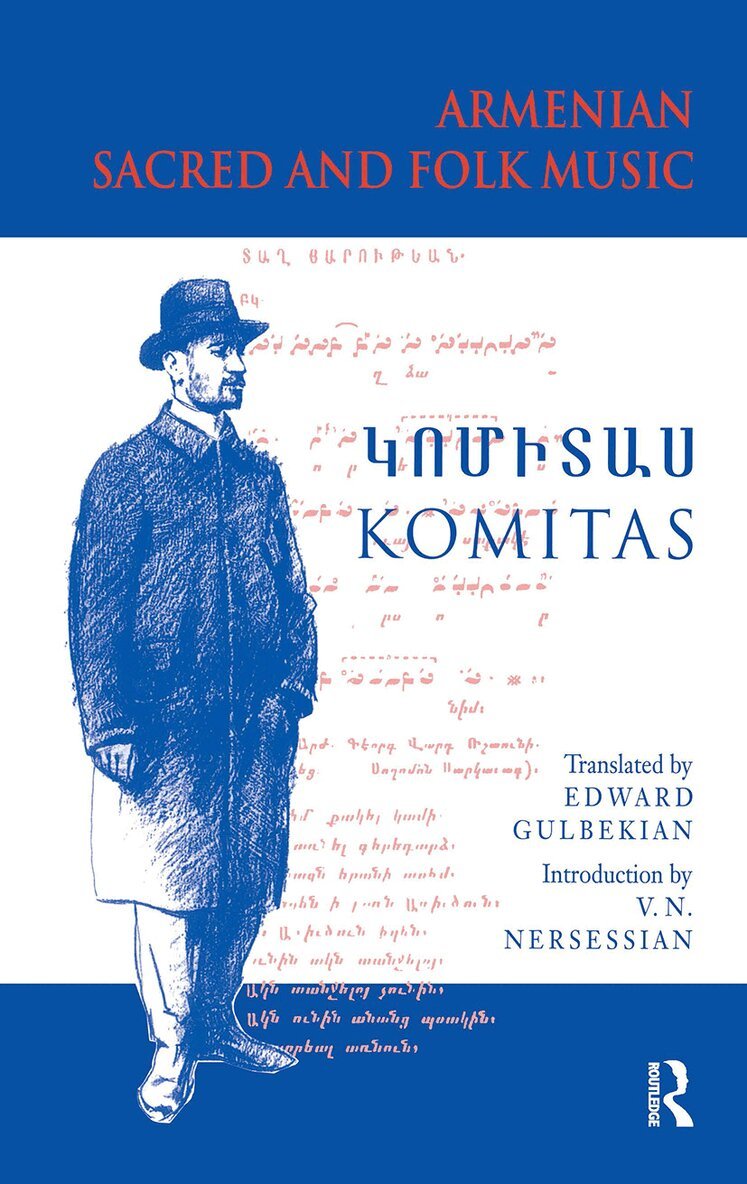
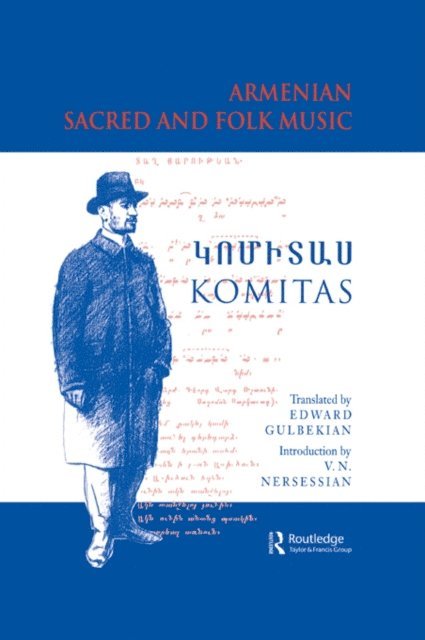
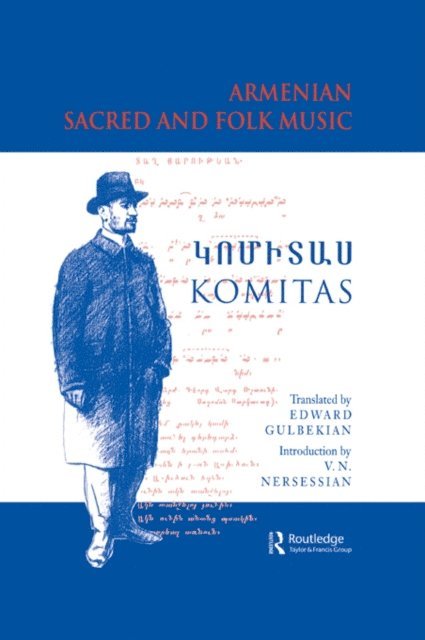
Armenian Sacred and Folk Music
Av Komitas Vardapet Komitas, Vrej N Nersessian m. fl.
Inbunden, 1997
2586 kr
Lägg i varukorg
Translated by E. Gulbekian, edited with introduction by N.V. Nersessian. Komitas Vardapet was the giant of Armenian sacred and folk music. Eight of Komitas's principal musicological studies have been selected from his Collected Works published in Yerevan in 1941.
Bibliography of Articles on Armenian Studies in Western Journals, 1869-1995
Av Vrej N. Nersessian, Vrej N Nersessian
E-bok, 2013
819 kr
Lägg i varukorg
Covers a comprehensive range of periodicals - well over 165 in all.
Bibliography of Articles on Armenian Studies in Western Journals, 1869-1995
Av Vrej N. Nersessian, Vrej N Nersessian
E-bok, 2013
819 kr
Lägg i varukorg
Covers a comprehensive range of periodicals - well over 165 in all.
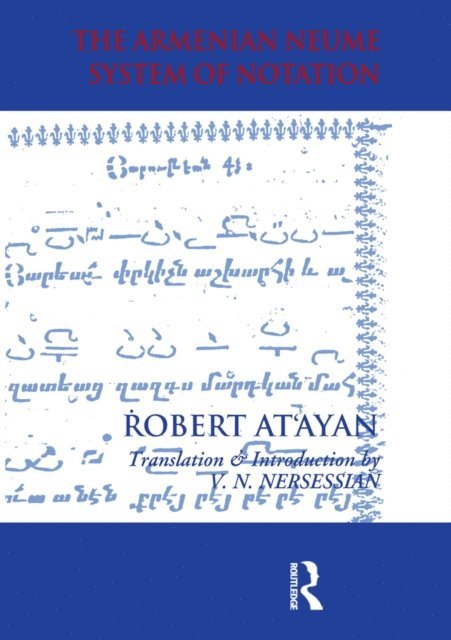
Armenian Neume System of Notation
Study and Analysis
Av Vrej N. Nersessian, Vrej N Nersessian m. fl.
E-bok, 2013
942 kr
Lägg i varukorg
The study of the Armenian system of notation called Khazs (Neumes) is of significance both for Armenian and Byzantine music from a historical and aesthetic point of view. Over the centuries the Armenian people have created a musical culture which is largely inaccessible because of the fact that to …
Armenian Neume System of Notation
Study and Analysis
Av Vrej N. Nersessian, Vrej N Nersessian m. fl.
E-bok, 2013
963 kr
Lägg i varukorg
The study of the Armenian system of notation called Khazs (Neumes) is of significance both for Armenian and Byzantine music from a historical and aesthetic point of view. Over the centuries the Armenian people have created a musical culture which is largely inaccessible because of the fact that to …
Armenian Sacred and Folk Music
Av Vrej N. Nersessian, Vrej N Nersessian m. fl.
E-bok, 2013
963 kr
Lägg i varukorg
Translated by E. Gulbekian, edited with introduction by N.V. Nersessian. Komitas Vardapet was the giant of Armenian sacred and folk music. Eight of Komitas''s principal musicological studies have been selected from his Collected Works published in Yerevan in 1941.
Armenian Sacred and Folk Music
Av Vrej N. Nersessian, Vrej N Nersessian m. fl.
E-bok, 2013
942 kr
Lägg i varukorg
Translated by E. Gulbekian, edited with introduction by N.V. Nersessian. Komitas Vardapet was the giant of Armenian sacred and folk music. Eight of Komitas''s principal musicological studies have been selected from his Collected Works published in Yerevan in 1941.
Armenian Sacred and Folk Music
Av Komitas Vardapet Komitas, Vrej N Nersessian m. fl.
Häftad, 2016
817 kr
Lägg i varukorg
Translated by E. Gulbekian, edited with introduction by N.V. Nersessian. Komitas Vardapet was the giant of Armenian sacred and folk music. Eight of Komitas's principal musicological studies have been selected from his Collected Works published in Yerevan in 1941.
Armenian Neume System of Notation
Study and Analysis
Av R. A. At'ayan, Vrej N Nersessian m. fl.
Häftad, 2015
817 kr
Lägg i varukorg
The study of the Armenian system of notation called Khazs (Neumes) is of significance both for Armenian and Byzantine music from a historical and aesthetic point of view. Over the centuries the Armenian people have created a musical culture which is largely inaccessible because of the fact that to …