W. H. C. Frend – författare
Visar alla böcker från författaren W. H. C. Frend. Handla med fri frakt och snabb leverans.
4 produkter
4 produkter
Inbunden, Engelska, 1985
3 518 kr
Skickas inom 7-10 vardagar
Oxford Scholarly Classics is a new series that makes available again great academic works from the archives of Oxford University Press. Reissued in uniform series design, the reissues will enable libraries, scholars, and students to gain fresh access to some of the finest scholarship of the last century.
Häftad, Engelska, 2020
406 kr
Skickas inom 5-8 vardagar
Inbunden, Engelska, 2020
624 kr
Skickas inom 5-8 vardagar
E-bok
PDF, Engelska, 20141 152 kr
Läs direkt efter köp
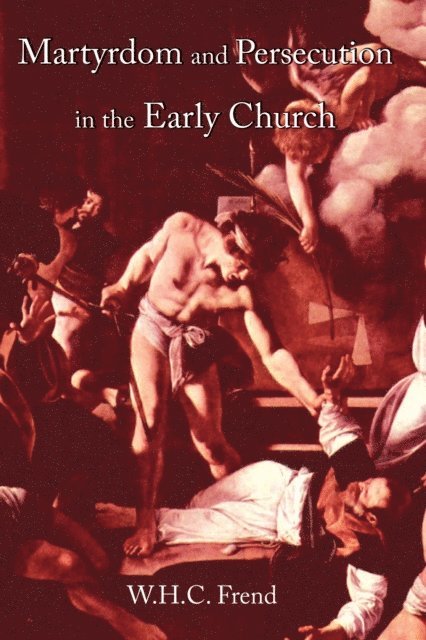
Although the story of the triumphant rise of Christianity has often been told, it was a triumph achieved through blood and tribulation. The literal meaning of the term martyr meant "e;witness,"e; but among early Christians it quickly acquired a harsher meaning--one who died for the faith--and that witness through death was responsible for many conversions, including those of Justin Martyr, who himself offered just such witness, and perhaps even Tertullian. Persecution was seen by early Christians, as by later historians, as one of the crucial influences on the development of the early church and Christian belief. Why did the Roman Empire persecute Christians? Why did thousands of Christians not merely accept, but welcome martyrdom?In his classic work, Martyrdom and Persecution in the Early Church, the late W. H. C. Frend explores the mindset of Christians who suffered persecution as well as the motivations of those who persecuted them. He shows the critical importance of Jewish ideas to early Christians, heavily influenced as they were by the story of Daniel and the revolt of the Maccabean. He argues that the Christian concept of martyrdom held in such high regard among early Christians can only be understood as springing from Jewish roots. Frend explores a number of major persecutions to show both common themes and variations, and examines also the relationship between the heavenly kingdom of Christ and the rule of the earthly emperor. In doing so, he shows how persecution formed an essential part in a providential philosophy of history that has profoundly influenced European political thought.