W. H. Shearin – författare
Visar alla böcker från författaren W. H. Shearin. Handla med fri frakt och snabb leverans.
4 produkter
4 produkter
Inbunden, Engelska, 2015
1 118 kr
Skickas inom 5-8 vardagar
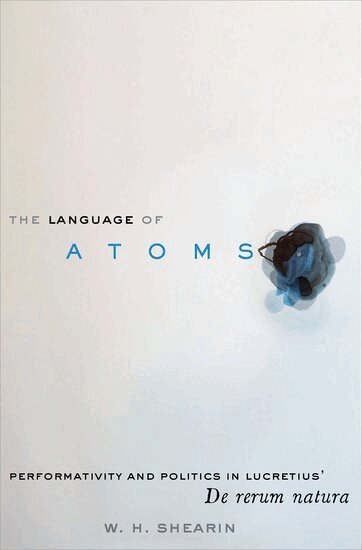
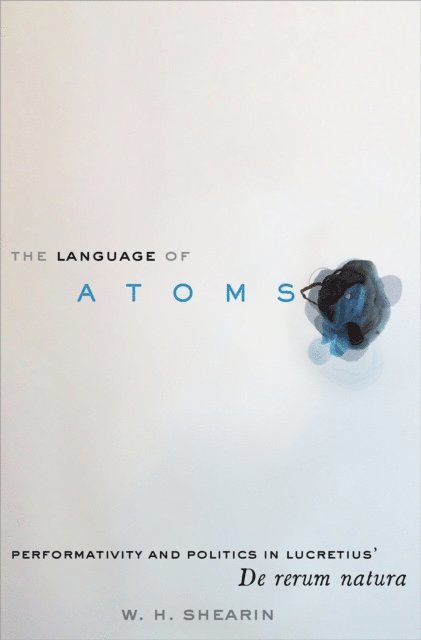
The Language of Atoms argues that ancient Epicurean writing on language offers a theory of performative language. Such a theory describes how languages acts, providing psychic therapy or creating new verbal meanings, rather than passively describing the nature of the universe. This observation allows us new insight into how Lucretius, our primary surviving Epicurean author, uses language in his great poem, De rerum natura (On the Nature of Things). The book begins with a double contention: on the one hand, while scholarship on Lucretius has looked to connect Lucretius' text to its larger cultural and historical context, it has never turned to speech act theory in this quest. This omission is striking at least in so far as speech act theory was developed precisely as a way of locating language (including texts) within a theory of action. The book studies Lucretius' work in the light of performative language, looking at promising, acts of naming, and the larger political implications of these linguistic acts. The Language of Atoms locates itself at the intersection of both older scholarly work on Epicureanism and recent developments on the reception history, and will thus offer scholars across the humanities a challenging new perspective on Lucretius' work.
E-bok
PDF, Engelska, 20141 167 kr
Läs direkt efter köp
While scholarship on Lucretius has looked to connect De rerum natura to its larger cultural and historical context, it has never turned to speech act theory in this quest. This omission is striking at least in so far as speech act theory was developed precisely as a way of locating language (including texts) within a theory of action. At its root speech act theory is about how language is part of history and acts within it, and it thus holds promise for addressing this long-standing scholarly concern. Further, as this book asserts, speech act theory is not some modern development that one may apply to De rerum natura but rather a theory native, at least in some respects, to Epicurus'' school. The argument contends that a central problem in Epicurean semantics may be resolved if we allow that Epicurus (or his school) developed an understanding of performative language. It reads the fragmentary remains of Epicurus'' writing on language against central texts of speech act theory such as J. L. Austin''s How to Do Things with Words and Émile Benveniste''s definition of the performative as a form of speaking in which the act of speech creates its own referent. The book moves on to consider the larger place of performativity within De rerum natura, and the poem''s insight on the acts of promising and naming. Bridging critical theory and ancient philosophy, The Language of Atoms will engage scholars in a host of humanities disciplines, including Classics, Philosophy, and Comparative Literature.
Inbunden, Engelska, 2012
1 546 kr
Skickas inom 5-8 vardagar
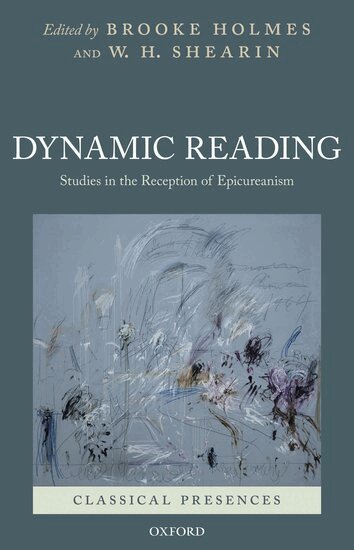
Dynamic Reading examines the reception history of Epicurean philosophy through a series of eleven case studies, which range chronologically from the latter days of the Roman Republic to late twentieth-century France and America. Rather than attempting to separate an original Epicureanism from its later readings and misreadings, this collection studies the philosophy together with its subsequent reception, focusing in particular on the ways in which it has provided terms and conceptual tools for defining how we read and respond to texts, artwork, and the world more generally. Whether it helps us to characterize the "swerviness" of literary influence, the transformative effects of philosophy, or the "events" that shape history, Epicureanism has been a dynamic force in the intellectual history of the West. These essays seek to capture some of that dynamism.
E-bok
PDF, Engelska, 20111 323 kr
Läs direkt efter köp
Dynamic Reading examines the reception history of Epicureanism in the West, focusing in particular on the ways in which it has provided conceptual tools for defining how we read and respond to texts, art, and the world more generally.