W. Raymond Wood – författare
Visar alla böcker från författaren W. Raymond Wood. Handla med fri frakt och snabb leverans.
8 produkter
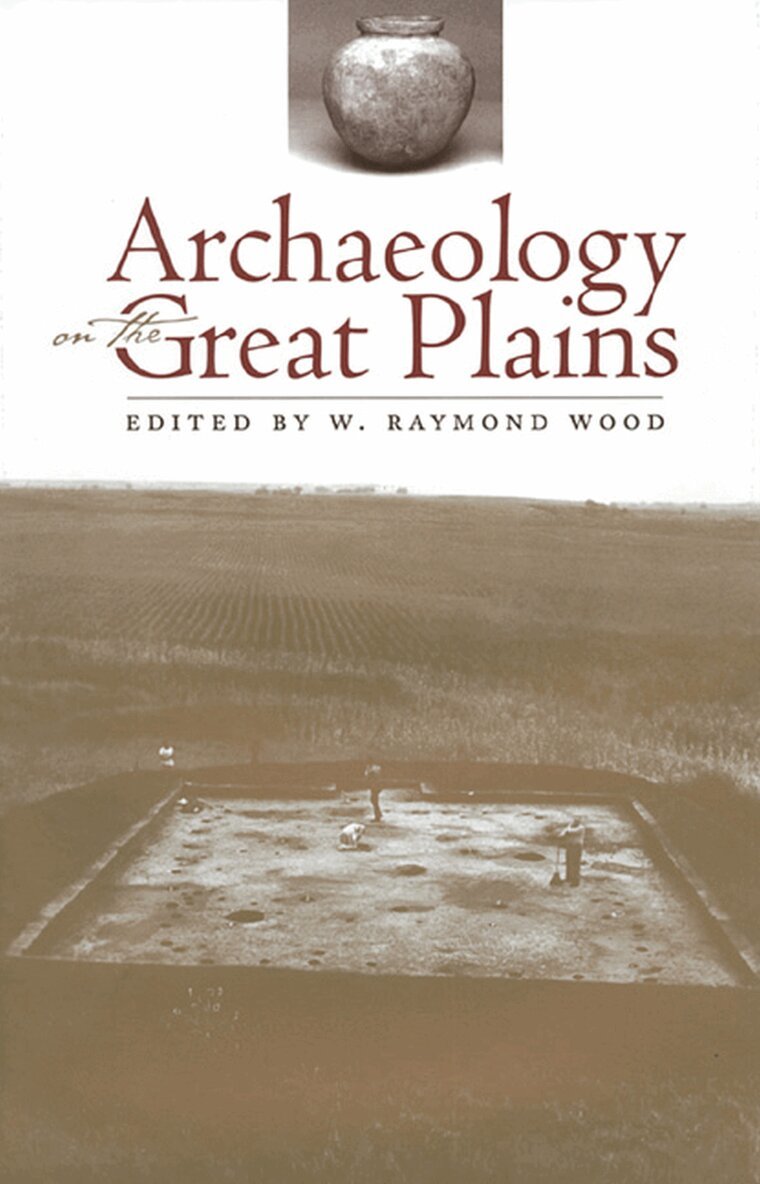
Archaeology on the Great Plains
Av W. Raymond Wood, W.Raymond Wood
Häftad, 1998
488 kr
Lägg i varukorg
A collection of contributions covering more than 12,000 years of Native American and Euro-American occupation of the Great Plains. There are summaries, discussions of important archaeological sites, and a bibliography.
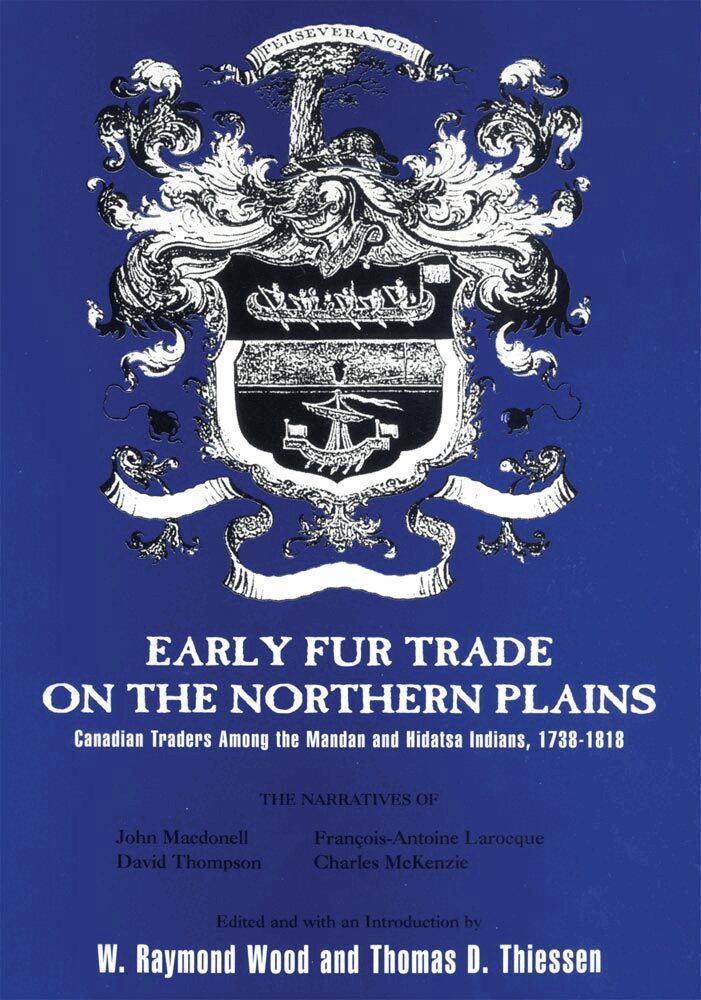
Early Fur Trade on the Northern Plains
Canadian Traders Among the Mandan and Hidatsa Indians, 1738–1818
Av W. Raymond Wood, Thomas D. Thiessen m. fl.
Häftad, 2000
343 kr
Lägg i varukorg
Long before their first contact with whites, the Mandan and Hidatsa villagers along the Missouri River in what is now central North Dakota had established a prosperous center for a vast intertribal trade network across the Northern Plains. Early white fur traders, learning of the existence of these …
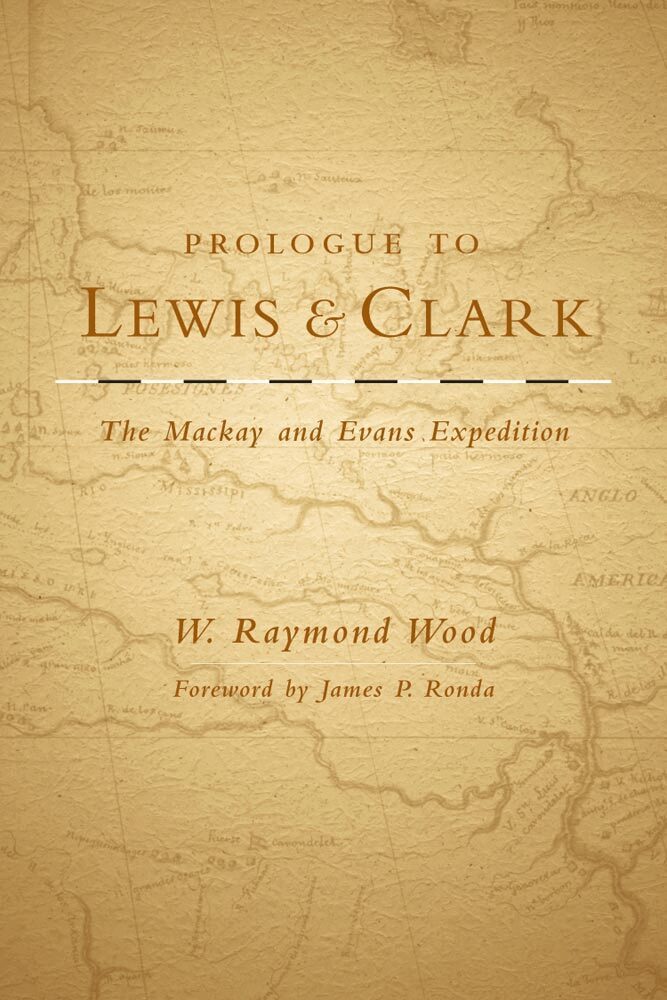
Prologue to Lewis and Clark
The Mackay and Evans Expedition
Häftad, 2005
250 kr
Lägg i varukorg
To follow the journeys made by Mackay and Evans up the Missouri and across the plains in 1795-97 is to begin to appreciate the kind of world Lewis and Clark found when they voyaged up the river in 1804. . . . Of all those waterways, none has captured the American imagination more than the Missouri. …
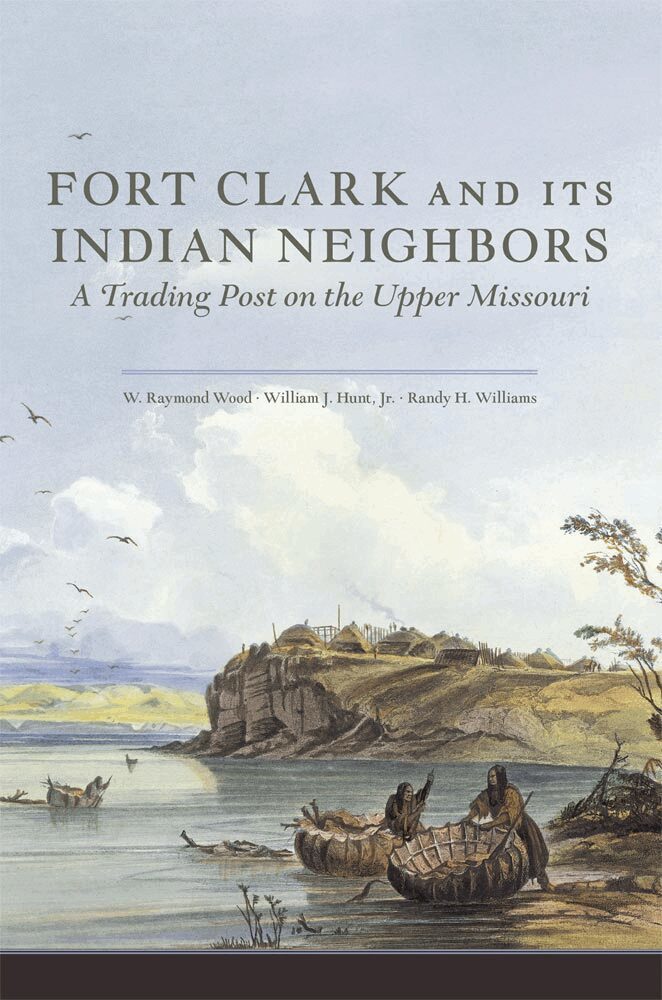
Fort Clark and Its Indian Neighbors
A Trading Post on the Upper Missouri
Av W. Raymond Wood, William J. Hunt m. fl.
Häftad, 2016
255 kr
Lägg i varukorg
A thriving fur trade post between 1830 and 1860, Fort Clark, in what is today western North Dakota, also served as a way station for artists, scientists, missionaries, soldiers, and other western chroniclers traveling along the Upper Missouri River. The written and visual legacies of these visitors …
Prehistoric Man and His Environments
A Case Study in the Ozark Highland
Av R. Bruce McMillan, W. Raymond Wood
E-bok, 2014
831 kr
Lägg i varukorg
Prehistoric Man and His Environments: A Case Study in the Ozark Highland offers a preliminary model for the paleoecology of the western Ozark Highland in Missouri for the last 35,000 years and an interpretation of how humans have adapted to and exploited the area for the 10,500 years they are known …
Or Go Down in Flame
A Navigator''s Death Over Schweinfurt
E-bok, 2021
82 kr
Lägg i varukorg
Though Anglo-American air power may be unrivaled in today’s world, this was certainly not the case during Europe’s last great war. Decades ago, when our airmen flew against Germany, horrific casualties resulted on both sides, and certain battles fought by the Allied powers can be termed nothing …
Prologue to Lewis and Clark
The Mackay and Evans Expedition
Inbunden, 2003
412 kr
Tillfälligt slut
To follow the journeys made by Mackay and Evans up the Missouri and across the plains in 1795-97 is to begin to appreciate the kind of world Lewis and Clark found when they voyaged up the river in 1804. . . . Of all those waterways, none has captured the American imagination more than the Missouri. …
Fort Union & Fort William
Letter Book & Journal, 1833-1835
Av W. Raymond Wood, Michael M. Casler
Häftad, 2020
354 kr
Tillfälligt slut
From 1828 until the late 1860s, the Upper Missouri Outfit of the American Fur Company controlled the fur trade on the upper Missouri River from headquarters at Fort Union on the western edge of present-day North Dakota. In contrast, Fort William, an outpost of the rival Missouri Fur Company located …