Wayne Slater – författare
Visar alla böcker från författaren Wayne Slater. Handla med fri frakt och snabb leverans.
3 produkter
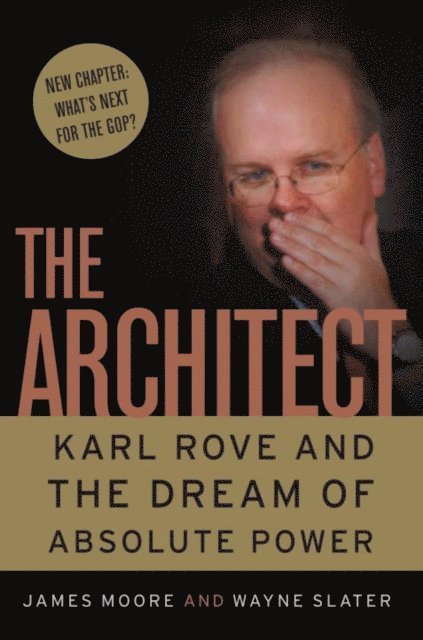
Architect
Karl Rove and the End of the Democratic Party
E-bok, 2006
95 kr
Lägg i varukorg
President George W. Bush dubbed Karl Rove “The Architect” for his skill in creating an unprecedented campaign and fund-raising machine. But Rove’s ambitions have always been far more sweeping—to build a right-wing dynasty that can dominate American politics for decades. Rove’s master plan imagines …
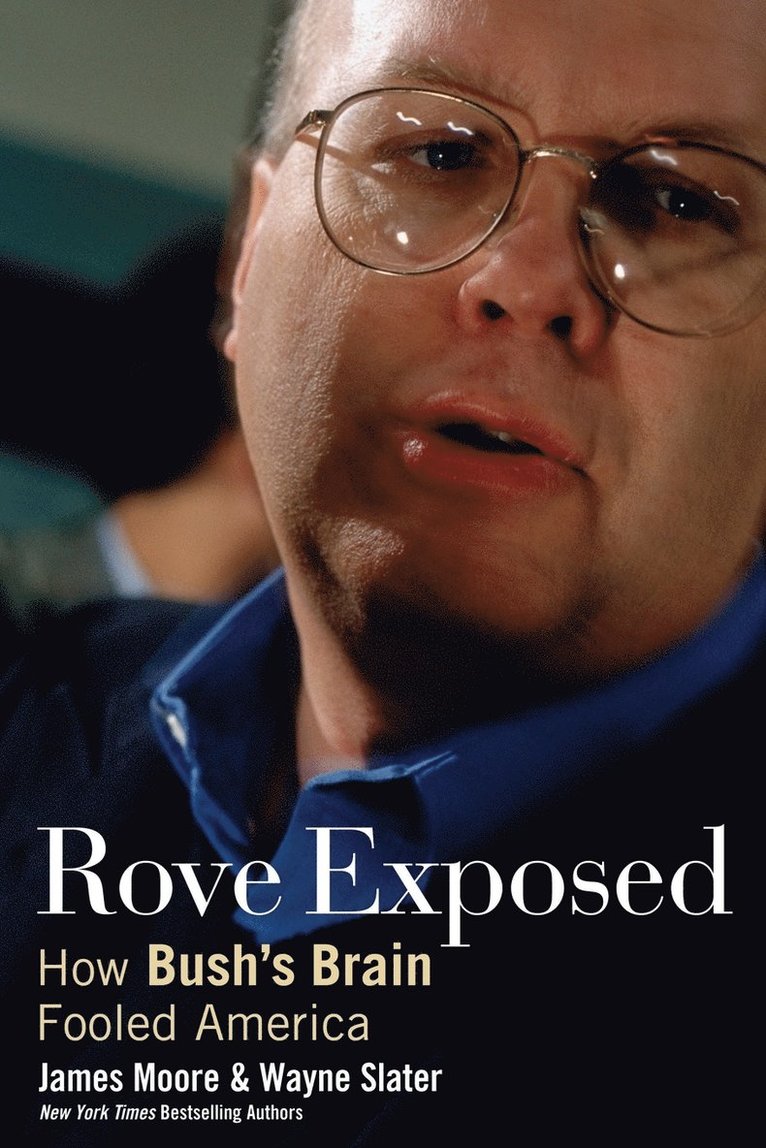
Rove Exposed
How Bush's Brain Fooled America
Häftad, 2005
85 kr
Lägg i varukorg
With Bush as President, many suspect that the most powerful individual in the US is Karl Rove. Although Rove is officially listed as White House Senior Advisor, responsible for managing the Office of Political Affairs, the Office of Public Liaison, and the Office of Strategic Initiatives at the …
Bloomsbury Handbook of Literacy
Av Naomi Flynn, Holly Joseph m. fl.
Inbunden, 2027
1886 kr
Kommande
This collection of international, research-informed case studies gives a unique range of perspectives on the state of literacy in the twenty first century, as both a discipline and a function of everyday life. Expanding the focus of current debate beyond Western, English speaking contexts, it …