Wayne Wei-siang Hsieh – författare
Visar alla böcker från författaren Wayne Wei-siang Hsieh. Handla med fri frakt och snabb leverans.
10 produkter
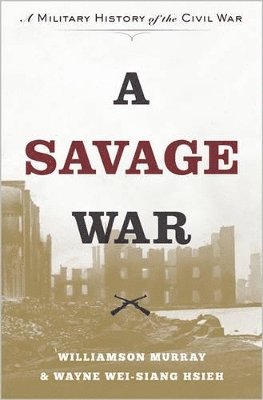
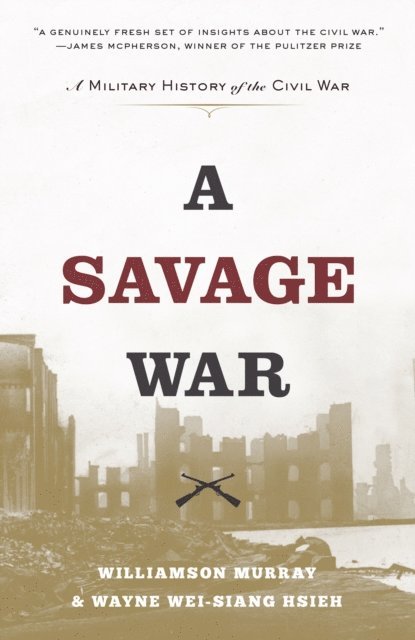
Savage War
A Military History of the Civil War
Av Williamson Murray, Wayne Wei-siang Hsieh
Inbunden, 2016
317 kr
Lägg i varukorg
The Civil War represented a momentous change in the character of war. It combined the projection of military might across a continent on a scale never before seen with an unprecedented mass mobilization of peoples. Yet despite the revolutionizing aspects of the Civil War, its leaders faced the same …
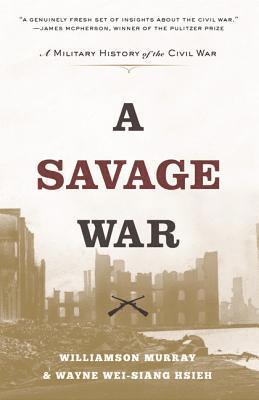
Savage War
A Military History of the Civil War
Av Williamson Murray, Wayne Wei-siang Hsieh
Häftad, 2018
183 kr
Lägg i varukorg
How the Civil War changed the face of warThe Civil War represented a momentous change in the character of war. It combined the projection of military might across a continent on a scale never before seen with an unprecedented mass mobilization of peoples. Yet despite the revolutionizing aspects of …
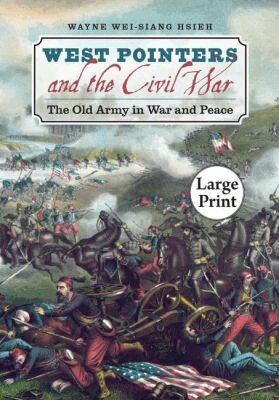
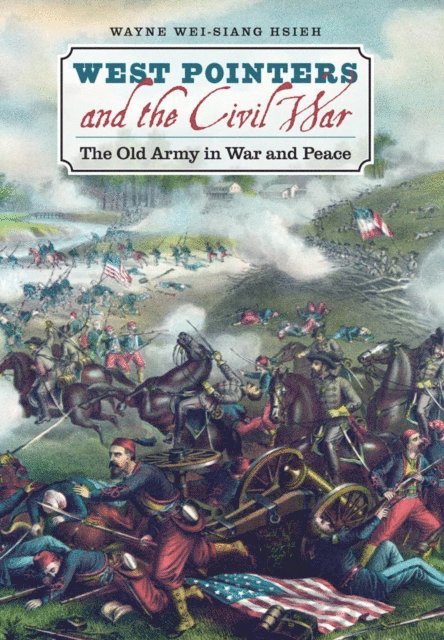
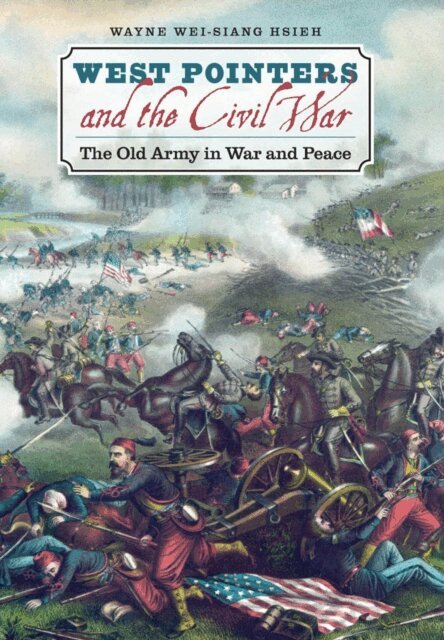
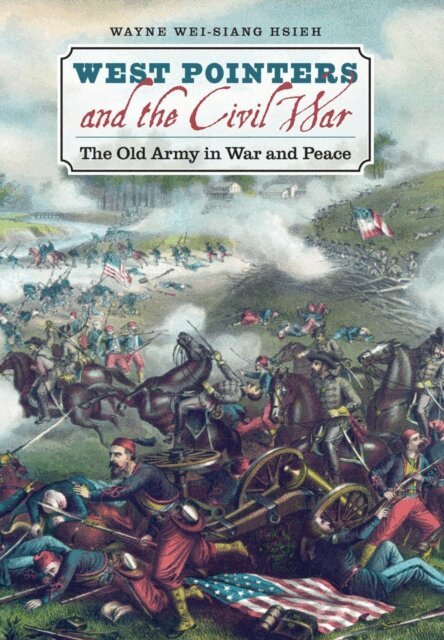
West Pointers and the Civil War
The Old Army in War and Peace
Häftad, 2010
674 kr
Lägg i varukorg
Most Civil War generals were graduates of West Point, and many of them helped transform the U.S. Army from what was little better than an armed mob that performed poorly during the War of 1812 into the competent fighting force that won the Mexican War. Wayne Wei-siang Hsieh demonstrates how the …
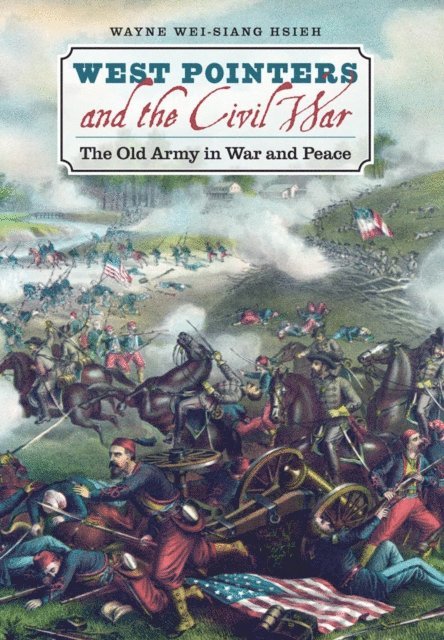
West Pointers and the Civil War
The Old Army in War and Peace
E-bok, 2009
339 kr
Lägg i varukorg
Most Civil War generals were graduates of West Point, and many of them helped transform the U.S. Army from what was little better than an armed mob that performed poorly during the War of 1812 into the competent fighting force that won the Mexican War. Wayne Wei-siang Hsieh demonstrates how the …
Savage War
A Military History of the Civil War
Av Wayne Wei-Siang Hsieh, Williamson Murray
E-bok, 2018
242 kr
Lägg i varukorg
How the Civil War changed the face of war The Civil War represented a momentous change in the character of war. It combined the projection of military might across a continent on a scale never before seen with an unprecedented mass mobilization of peoples. Yet despite the revolutionizing aspects of …
West Pointers and the Civil War
The Old Army in War and Peace
E-bok, 2009
1159 kr
Lägg i varukorg
Most Civil War generals were graduates of West Point, and many of them helped transform the U.S. Army from what was little better than an armed mob that performed poorly during the War of 1812 into the competent fighting force that won the Mexican War. Wayne Wei-siang Hsieh demonstrates how the …
West Pointers and the Civil War
The Old Army in War and Peace
Häftad, 2014
457 kr
Lägg i varukorg
Most Civil War generals were graduates of West Point, and many of them helped transform the U.S. Army from what was little better than an armed mob that performed poorly during the War of 1812 into the competent fighting force that won the Mexican War. Hsieh demonstrates how the ""old army"" …
West Pointers and the Civil War
The Old Army in War and Peace
Ljudbok, 2009
293 kr
Lägg i varukorg
The task of transforming America’s ragtag militia into a professional fighting force in the first half of the nineteenth century was a difficult one. Americans had long supported a tradition of militia and distrusted professional soldiers. By the time of the Civil War, however, most of the …
West Pointers and the Civil War
The Old Army in War and Peace
E-bok, 2009
339 kr
Lägg i varukorg
Most Civil War generals were graduates of West Point, and many of them helped transform the U.S. Army from what was little better than an armed mob that performed poorly during the War of 1812 into the competent fighting force that won the Mexican War. Wayne Wei-siang Hsieh demonstrates how the …
West Pointers and the Civil War
The Old Army in War and Peace
E-bok, 2009
1023 kr
Lägg i varukorg
Most Civil War generals were graduates of West Point, and many of them helped transform the U.S. Army from what was little better than an armed mob that performed poorly during the War of 1812 into the competent fighting force that won the Mexican War. Wayne Wei-siang Hsieh demonstrates how the old …