Werner Menski – författare
Visar alla böcker från författaren Werner Menski. Handla med fri frakt och snabb leverans.
8 produkter
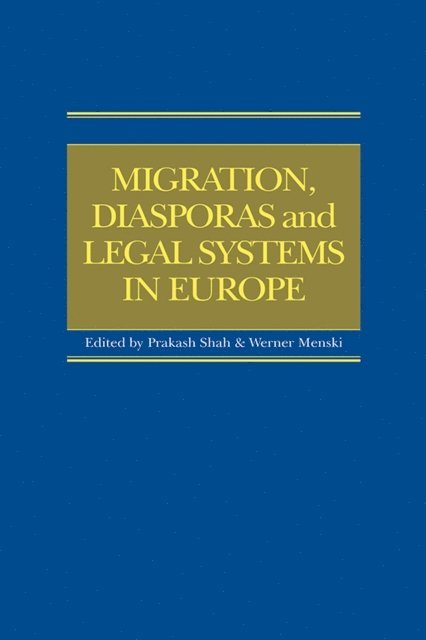
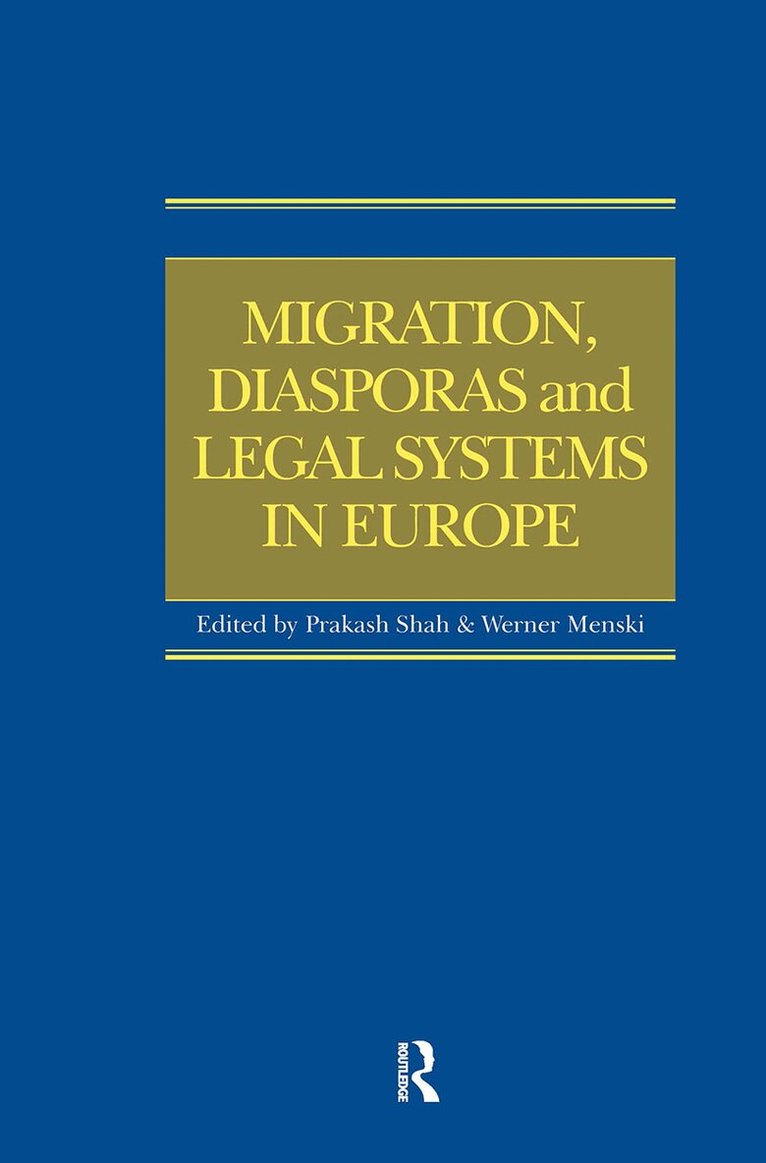
Migration, Diasporas and Legal Systems in Europe
Av Werner Menski, Prakash Shah
E-bok, 2020
2740 kr
Lägg i varukorg
At a time when issues concerning migration and the formation of diasporic communities have come to be critical for all European legal systems, this volume reflects, discusses and analyzes the questions raised by diasporas who have established themselves in Europe over more than fifty years of …
Migration, Diasporas and Legal Systems in Europe
Av Werner Menski, Prakash Shah
E-bok, 2020
2740 kr
Lägg i varukorg
At a time when issues concerning migration and the formation of diasporic communities have come to be critical for all European legal systems, this volume reflects, discusses and analyzes the questions raised by diasporas who have established themselves in Europe over more than fifty years of …
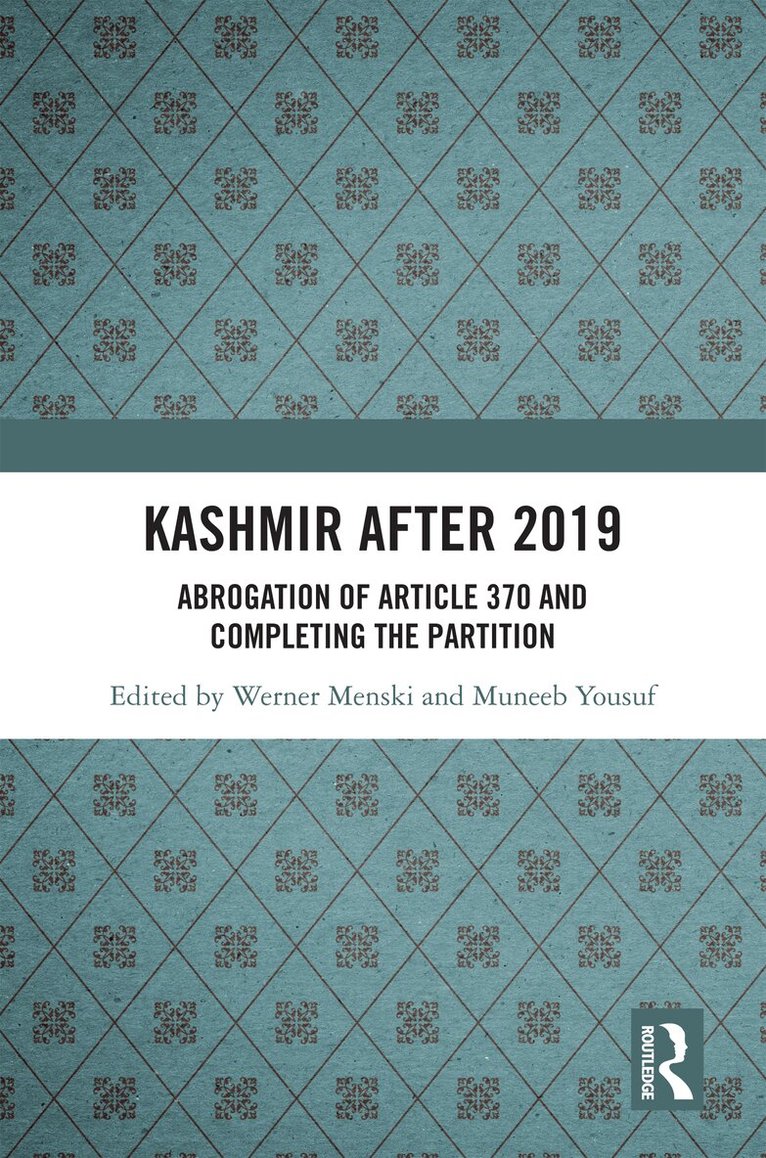
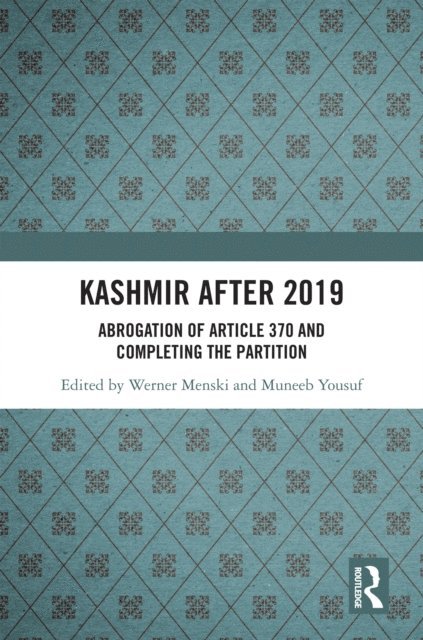
Kashmir after 2019
Abrogation of Article 370 and Completing the Partition
Av Werner Menski, Muneeb Yousuf
Inbunden, 2025
2512 kr
Lägg i varukorg
This interdisciplinary volume portrays India’s removal of Article 370 and of Jammu and Kashmir's special status in August 2019 as an effort to stop the suffering of its highly diverse people. While the state had been divided between the only two successor nations allowed in 1947, local people were …
Kashmir after 2019
Abrogation of Article 370 and Completing the Partition
Av Werner Menski, Muneeb Yousuf
Häftad, 2026
706 kr
Lägg i varukorg
This interdisciplinary volume portrays India’s removal of Article 370 and of Jammu and Kashmir's special status in August 2019 as an effort to stop the suffering of its highly diverse people. While the state had been divided between the only two successor nations allowed in 1947, local people were …
Kashmir after 2019
Abrogation of Article 370 and Completing the Partition
Av Muneeb Yousuf, Werner Menski
E-bok, 2025
838 kr
Lägg i varukorg
This interdisciplinary volume portrays India’s removal of Article 370 and of Jammu and Kashmir''s special status in August 2019 as an effort to stop the suffering of its highly diverse people. While the state had been divided between the only two successor nations allowed in 1947, local people were …
Kashmir after 2019
Abrogation of Article 370 and Completing the Partition
Av Muneeb Yousuf, Werner Menski
E-bok, 2025
856 kr
Lägg i varukorg
This interdisciplinary volume portrays India’s removal of Article 370 and of Jammu and Kashmir''s special status in August 2019 as an effort to stop the suffering of its highly diverse people. While the state had been divided between the only two successor nations allowed in 1947, local people were …
Migration, Diasporas and Legal Systems in Europe
Av Prakash Shah, Werner Menski
Inbunden, 2006
2303 kr
Lägg i varukorg
At a time when issues concerning migration and the formation of diasporic communities have come to be critical for all European legal systems, this volume reflects, discusses and analyzes the questions raised by diasporas who have established themselves in Europe over more than fifty years of …
Kashmir after 2019
Completing the Partition
Av Werner Menski, Muneeb Yousuf
Häftad, 2021
667 kr
Tillfälligt slut
Kashmir after 2019: Completing the Partition studies the post-2019 Kashmir situation, using an interdisciplinary conceptual framework by employing the kite methodology to analyse law-related conflict scenarios, facilitating a rigorous stakeholder analysis. The unfinished Partition of the Indian …