William A. Lindeke – författare
Visar alla böcker från författaren William A. Lindeke. Handla med fri frakt och snabb leverans.
3 produkter
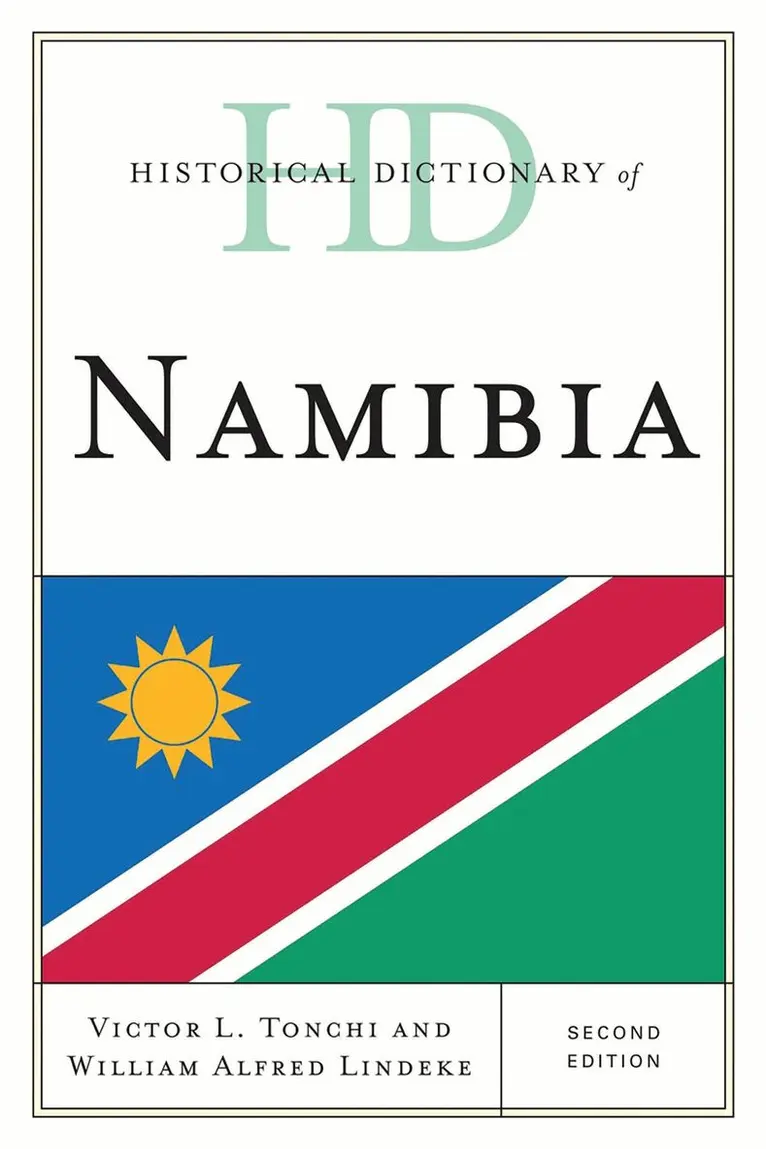
Historical Dictionary of Namibia
Av Victor L. Tonchi, William A. Lindeke m. fl.
Inbunden, 2012
2330 kr
Lägg i varukorg
On March 21, 1990, Sam Nujoma was sworn in as the first president of independent Namibia. This ceremony marked the end of a struggle that lasted more than two decades and a period of colonialism that lasted more than a century. Finally, after decades long wars over grazing in the 19th century, …
Historical Dictionary of Namibia
Av Victor L. Tonchi, William A. Lindeke m. fl.
E-bok, 2012
2512 kr
Lägg i varukorg
On March 21, 1990, Sam Nujoma was sworn in as the first president of independent Namibia. This ceremony marked the end of a struggle that lasted more than two decades and a period of colonialism that lasted more than a century. Finally, after decades long wars over grazing in the 19th century, …
Nuclear Weapons in the University Classroom
An Interdisciplinary Teaching Reference
Av Michael S. Hamilton, William A. Lindeke m. fl.
Häftad, 1990
317 kr
Tillfälligt slut
A teaching reference for faculty who want to develop or improve course offerings on nuclear weapons and arms control as part of an interdisciplinary curriculum geared toward undergraduates. The first chapter presents a survey of 75 university courses based on analysis of data gleaned from relevant …