William C. Wicken – författare
Visar alla böcker från författaren William C. Wicken. Handla med fri frakt och snabb leverans.
7 produkter
7 produkter
Häftad, Engelska, 2002
486 kr
Skickas inom 5-8 vardagar
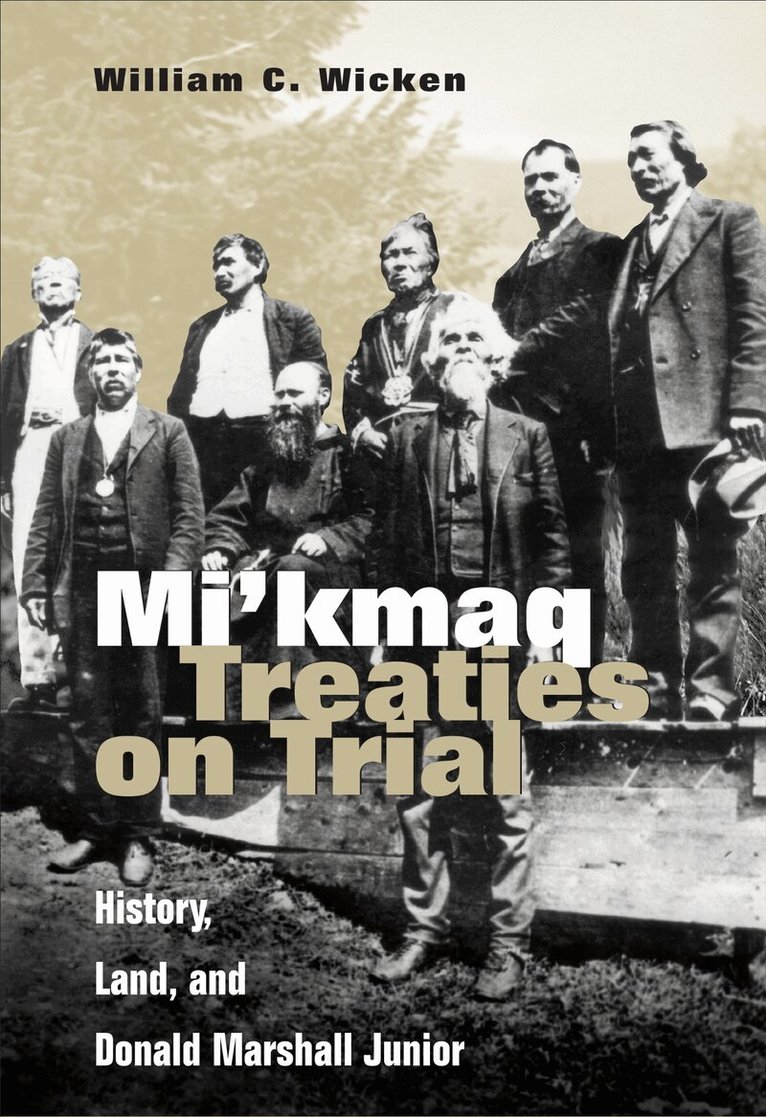
In 1725-6 the British colonial government of Nova Scotia signed a treaty of friendship and peace with the local Mi'kmaq people. This treaty explicitly acknowledged the co-existence of Mi'kmaq and British law - but much of its meaning stemmed from its complex negotiation, which was influenced by the history of aboriginal-European relations in Acadia prior to 1726. William Wicken argues that after 1749 a more forceful British military presence led officials to re-interpret the treaty in the light of its own interests.From 1994 to 1996, the author was an expert witness for the defence at the Marshall trial, during which the Supreme Court of Canada integrated aboriginal perspectives on treaty-making into current interpretations. Dr Wicken was one of the historians who gathered and presented the historical evidence to the court. This timely and original work intersperses close analysis of the 1726 treaty with discussions of the Marshall case, and shows how the inter-cultural relationships and power dynamics of the past, have shaped both the law and the social climate of the present. The author argues that the treaties must be viewed in their historical context, and that of the oral tradition of Mi'kmaq people, to be properly understood.Current high-profile legal cases involving aboriginal rights lend this work a special significance among the legal and academic communities, where it is destined to spark debate. It is of particular relevance to history and native studies students.
Häftad, Engelska, 2012
444 kr
Skickas inom 5-8 vardagar
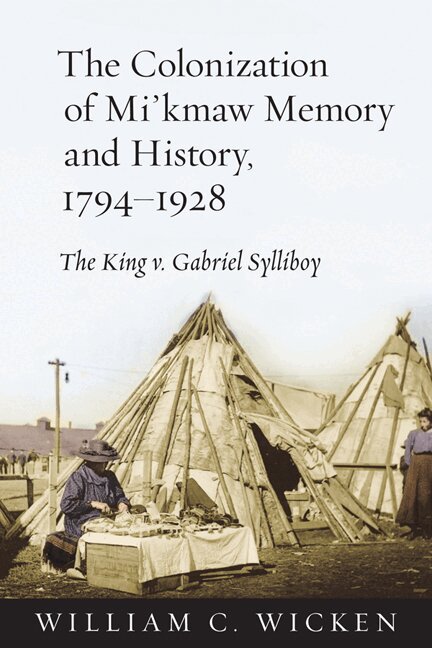
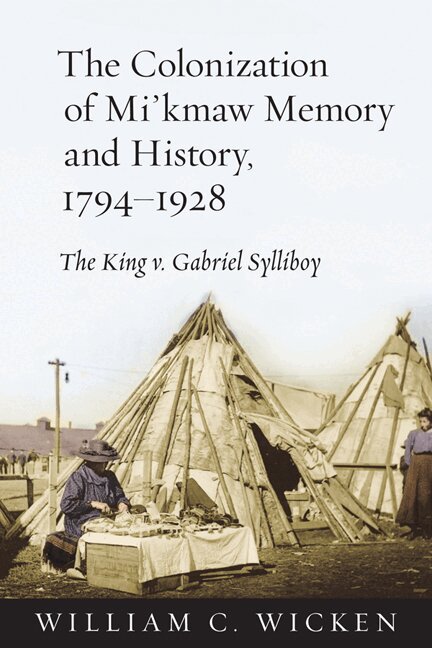
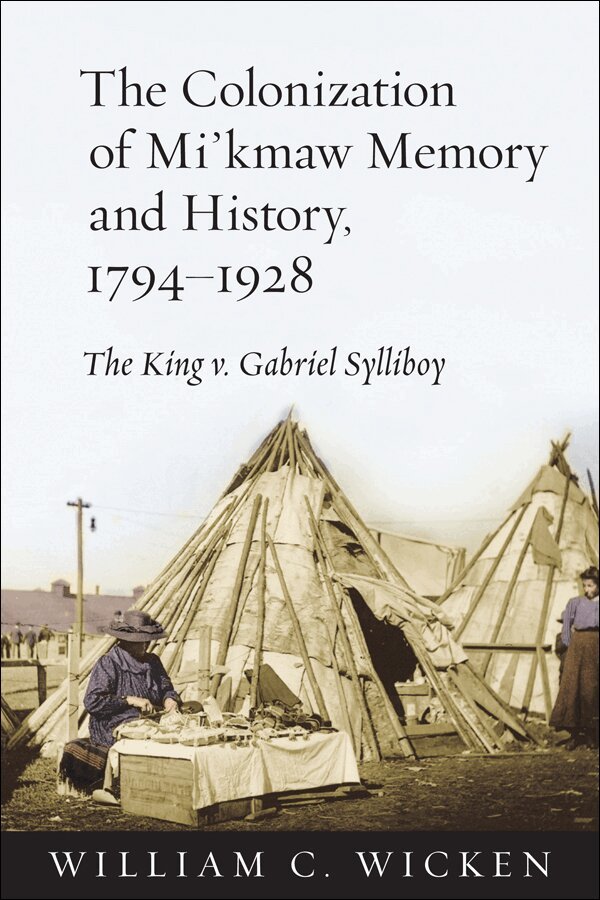
In 1927, Gabriel Sylliboy, the Grand Chief of the Mi'kmaw of Atlantic Canada, was charged with trapping muskrats out of season. At appeal in July 1928, Sylliboy and five other men recalled conversations with parents, grandparents, and community members to explain how they understood a treaty their people had signed with the British in 1752. Using this testimony as a starting point, William Wicken traces Mi'kmaw memories of the treaty, arguing that as colonization altered Mi'kmaw society, community interpretations of the treaty changed as well.The Sylliboy case was part of a broader debate within Canada about Aboriginal peoples' legal status within Confederation. In using the 1752 treaty to try and establish a legal identity separate from that of other Nova Scotians, Mi'kmaw leaders contested federal and provincial attempts to force their assimilation into Anglo-Canadian society. Integrating matters of governance and legality with an exploration of historical memory, The Colonization of Mi'kmaw Memory and History offers a nuanced understanding of how and why individuals and communities recall the past.
Inbunden, Engelska, 2012
805 kr
Skickas inom 5-8 vardagar
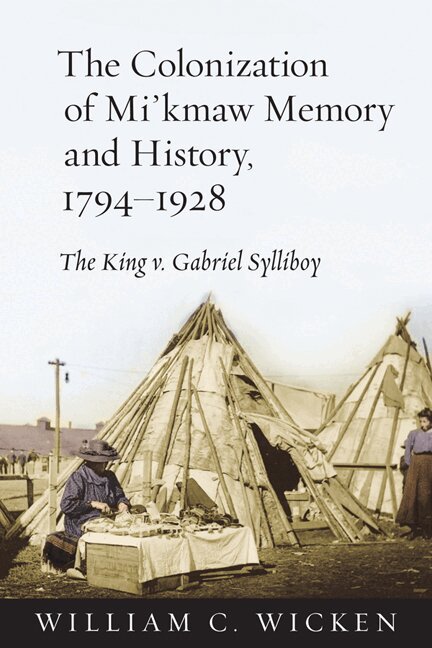
In 1927, Gabriel Sylliboy, the Grand Chief of the Mi'kmaw of Atlantic Canada, was charged with trapping muskrats out of season. At appeal in July 1928, Sylliboy and five other men recalled conversations with parents, grandparents, and community members to explain how they understood a treaty their people had signed with the British in 1752. Using this testimony as a starting point, William Wicken traces Mi'kmaw memories of the treaty, arguing that as colonization altered Mi'kmaw society, community interpretations of the treaty changed as well.The Sylliboy case was part of a broader debate within Canada about Aboriginal peoples' legal status within Confederation. In using the 1752 treaty to try and establish a legal identity separate from that of other Nova Scotians, Mi'kmaw leaders contested federal and provincial attempts to force their assimilation into Anglo-Canadian society. Integrating matters of governance and legality with an exploration of historical memory, The Colonization of Mi'kmaw Memory and History offers a nuanced understanding of how and why individuals and communities recall the past.
E-bok
PDF, Engelska, 2002598 kr
Läs direkt efter köp
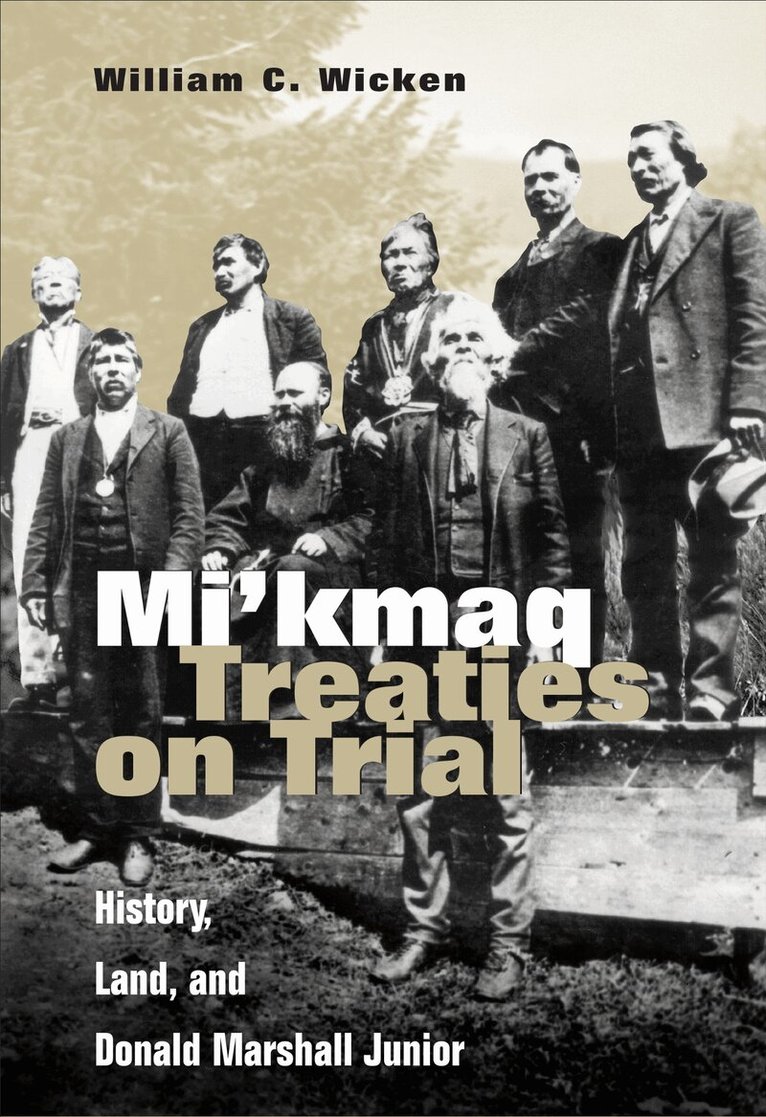
In 1725-6 the British colonial government of Nova Scotia signed a treaty of friendship and peace with the local Mi'kmaq people. This treaty explicitly acknowledged the co-existence of Mi'kmaq and British law - but much of its meaning stemmed from its complex negotiation, which was influenced by the history of aboriginal-European relations in Acadia prior to 1726. William Wicken argues that after 1749 a more forceful British military presence led officials to re-interpret the treaty in the light of its own interests.From 1994 to 1996, the author was an expert witness for the defence at the Marshall trial, during which the Supreme Court of Canada integrated aboriginal perspectives on treaty-making into current interpretations. Dr Wicken was one of the historians who gathered and presented the historical evidence to the court. This timely and original work intersperses close analysis of the 1726 treaty with discussions of the Marshall case, and shows how the inter-cultural relationships and power dynamics of the past, have shaped both the law and the social climate of the present. The author argues that the treaties must be viewed in their historical context, and that of the oral tradition of Mi'kmaq people, to be properly understood.Current high-profile legal cases involving aboriginal rights lend this work a special significance among the legal and academic communities, where it is destined to spark debate. It is of particular relevance to history and native studies students.
E-bok
PDF, Engelska, 20041 117 kr
Läs direkt efter köp
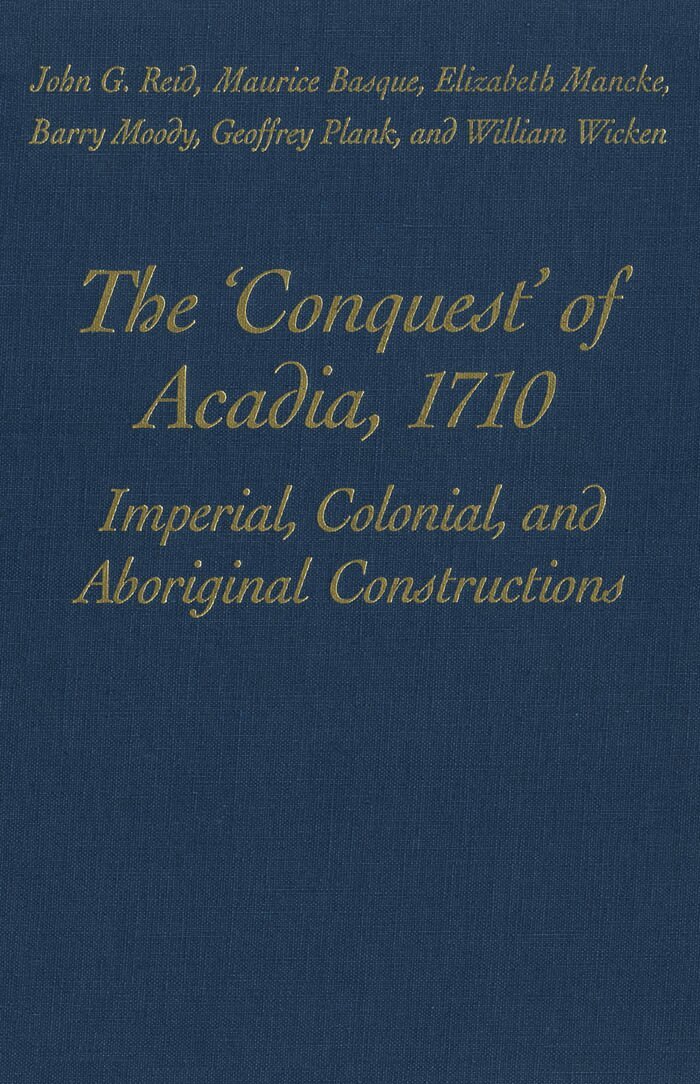
The conquest of Port-Royal by British forces in 1710 is an intensely revealing episode in the history of northeastern North America. Bringing together multi-layered perspectives, including the conquest's effects on aboriginal inhabitants, Acadians, and New Englanders, and using a variety of methodologies to contextualise the incident in local, regional, and imperial terms, six prominent scholars form new conclusions regarding the events of 1710. The authors show that the processes by which European states sought to legitimate their claims, and the terms on which mutual toleration would be granted or withheld by different peoples living side by side are especially visible in the Nova Scotia that emerged following the conquest. Important on both a local and global scale, The 'Conquest' of Acadia will be a significant contribution to Acadian history, native studies, native rights histories, and the socio-political history of the eighteenth century.
E-bok
PDF, Engelska, 2012540 kr
Läs direkt efter köp
In 1927, Gabriel Sylliboy, the Grand Chief of the Mi'kmaw of Atlantic Canada, was charged with trapping muskrats out of season. At appeal in July 1928, Sylliboy and five other men recalled conversations with parents, grandparents, and community members to explain how they understood a treaty their people had signed with the British in 1752. Using this testimony as a starting point, William Wicken traces Mi'kmaw memories of the treaty, arguing that as colonization altered Mi'kmaw society, community interpretations of the treaty changed as well.The Sylliboy case was part of a broader debate within Canada about Aboriginal peoples' legal status within Confederation. In using the 1752 treaty to try and establish a legal identity separate from that of other Nova Scotians, Mi'kmaw leaders contested federal and provincial attempts to force their assimilation into Anglo-Canadian society. Integrating matters of governance and legality with an exploration of historical memory, The Colonization of Mi'kmaw Memory and History offers a nuanced understanding of how and why individuals and communities recall the past.
E-bok
Engelska, 2012535 kr
Läs direkt efter köp
In 1927, Gabriel Sylliboy, the Grand Chief of the Mi'kmaw of Atlantic Canada, was charged with trapping muskrats out of season. At appeal in July 1928, Sylliboy and five other men recalled conversations with parents, grandparents, and community members to explain how they understood a treaty their people had signed with the British in 1752. Using this testimony as a starting point, William Wicken traces Mi'kmaw memories of the treaty, arguing that as colonization altered Mi'kmaw society, community interpretations of the treaty changed as well.The Sylliboy case was part of a broader debate within Canada about Aboriginal peoples' legal status within Confederation. In using the 1752 treaty to try and establish a legal identity separate from that of other Nova Scotians, Mi'kmaw leaders contested federal and provincial attempts to force their assimilation into Anglo-Canadian society. Integrating matters of governance and legality with an exploration of historical memory, The Colonization of Mi'kmaw Memory and History offers a nuanced understanding of how and why individuals and communities recall the past.