William Easttom II - Böcker
572 kr
Skickas inom 7-10 vardagar
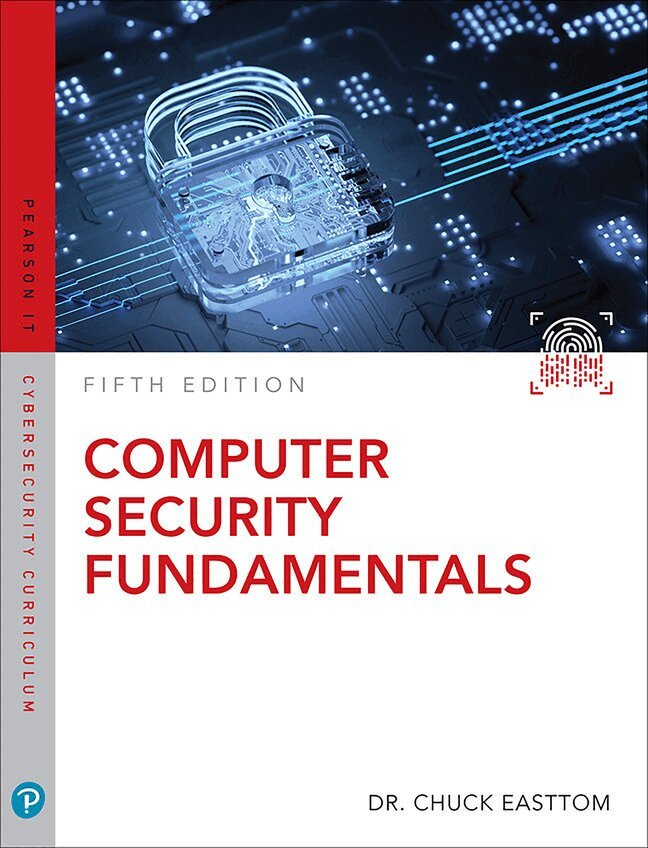
ONE-VOLUME INTRODUCTION TO COMPUTER SECURITY
Clearly explains core concepts, terminology, challenges, technologies, and skills
Covers today's latest attacks and countermeasures
The perfect beginner's guide for anyone interested in a computer security career
Dr. Chuck Easttom brings together complete coverage of all basic concepts, terminology, and issues, along with all the skills you need to get started. Drawing on 30 years of experience as a security instructor, consultant, and researcher, Easttom helps you take a proactive, realistic approach to assessing threats and implementing countermeasures. Writing clearly and simply, he addresses crucial issues that many introductory security books ignore, while addressing the realities of a world where billions of new devices are Internet-connected.
This guide covers web attacks, hacking, spyware, network defense, security appliances, VPNs, password use, and much more. Its many tips and examples refl ect new industry trends and the state-of-the-art in both attacks and defense. Exercises, projects, and review questions in every chapter help you deepen your understanding and apply all you've learned.
LEARN HOW TO
Identify and prioritize potential threats to your network Use basic networking knowledge to improve security Get inside the minds of hackers, so you can deter their attacks Implement a proven layered approach to network security Resist modern social engineering attacks Defend against today's most common Denial of Service (DoS) attacks Halt viruses, spyware, worms, Trojans, and other malware Prevent problems arising from malfeasance or ignorance Choose the best encryption methods for your organization Compare security technologies, including the latest security appliances Implement security policies that will work in your environment Scan your network for vulnerabilities Evaluate potential security consultants Master basic computer forensics and know what to do if you're attacked Learn how cyberterrorism and information warfare are evolving
653 kr
Skickas inom 7-10 vardagar
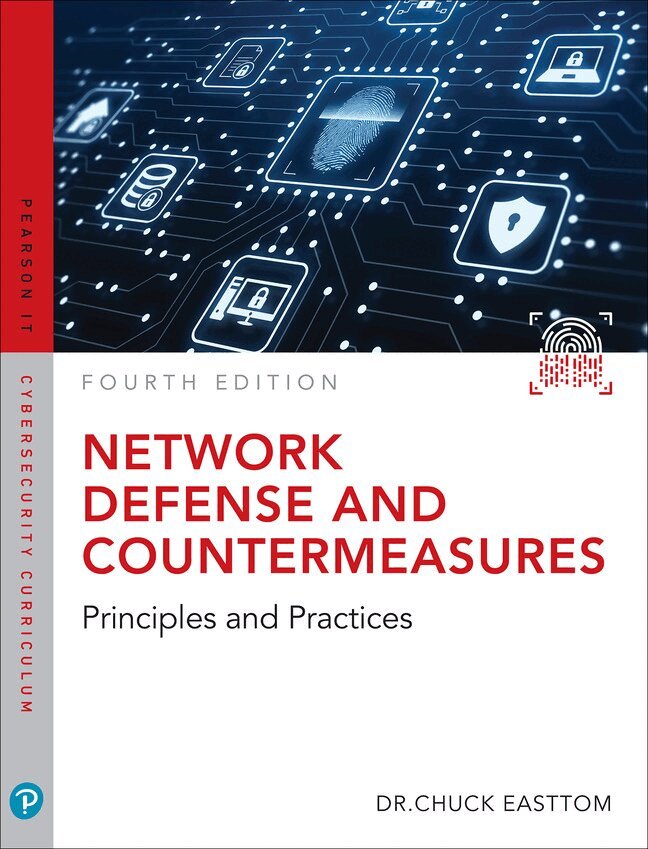
All you need to know about defending networks, in one book
Clearly explains concepts, terminology, challenges, tools, and skills Covers key security standards and models for business and government The perfect introduction for all network/computer security professionals and studentsWelcome to today's most useful and practical introduction to defending modern networks. Drawing on decades of experience, Chuck Easttom brings together updated coverage of all the concepts, terminology, techniques, and solutions you'll need to be effective.
Easttom thoroughly introduces the core technologies of modern network security, including firewalls, intrusion-detection systems, and VPNs. Next, he shows how encryption can be used to safeguard data as it moves across networks.
You'll learn how to harden operating systems, defend against malware and network attacks, establish robust security policies, and assess network security using industry-leading standards and models. You'll also find thorough coverage of key issues such as physical security, forensics, and cyberterrorism.
Throughout, Easttom blends theory and application, helping you understand both what to do and why. In every chapter, quizzes, exercises, projects, and web resources deepen your understanding and help you use what you've learned—in the classroom and in your career.
LEARN HOW TO
Evaluate key network risks and dangers Choose the right network security approach for your organization Anticipate and counter widespread network attacks, including those based on "social engineering" Successfully deploy and apply firewalls and intrusion detection systems Secure network communication with virtual private networks Protect data with cryptographic public/private key systems, digital signatures, and certificates Defend against malware, including ransomware, Trojan horses, and spyware Harden operating systems and keep their security up to date Define and implement security policies that reduce risk Explore leading security standards and models, including ISO and NIST standards Prepare for an investigation if your network has been attacked Understand the growing risks of espionage and cyberterrorism925 kr
Skickas inom 7-10 vardagar
925 kr
Skickas inom 7-10 vardagar
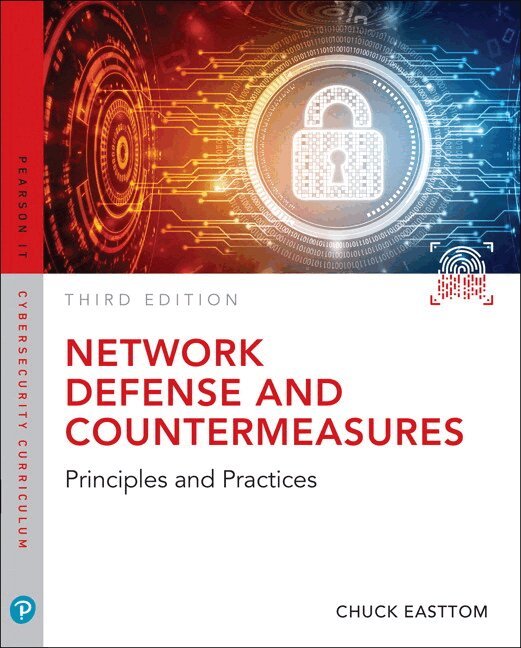
All you need to know about defending networks, in one book
· Clearly explains concepts, terminology, challenges, tools, and skills
· Covers key security standards and models for business and government
· The perfect introduction for all network/computer security professionals and students
Welcome to today’s most useful and practical introduction to defending modern networks. Drawing on decades of experience, Chuck Easttom brings together updated coverage of all the concepts, terminology, techniques, and solutions you’ll need to be effective.
Easttom thoroughly introduces the core technologies of modern network security, including firewalls, intrusion-detection systems, and VPNs. Next, he shows how encryption can be used to safeguard data as it moves across networks.
You’ll learn how to harden operating systems, defend against malware and network attacks, establish robust security policies, and assess network security using industry-leading standards and models. You’ll also find thorough coverage of key issues such as physical security, forensics, and cyberterrorism.
Throughout, Easttom blends theory and application, helping you understand both what to do and why. In every chapter, quizzes, exercises, projects, and web resources deepen your understanding and help you use what you’ve learned–in the classroom and in your career.
Learn How To
· Evaluate key network risks and dangers
· Choose the right network security approach for your organization
· Anticipate and counter widespread network attacks, including those based on “social engineering”
· Successfully deploy and apply firewalls and intrusion detection systems
· Secure network communication with virtual private networks
· Protect data with cryptographic public/private key systems, digital signatures, and certificates
· Defend against malware, including ransomware, Trojan horses, and spyware
· Harden operating systems and keep their security up to date
· Define and implement security policies that reduce risk
· Explore leading security standards and models, including ISO and NIST standards
· Prepare for an investigation if your network has been attacked
· Understand the growing risks of espionage and cyberterrorism