William Gervase Clarence-Smith – författare
Visar alla böcker från författaren William Gervase Clarence-Smith. Handla med fri frakt och snabb leverans.
18 produkter
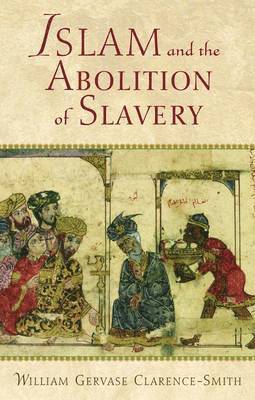
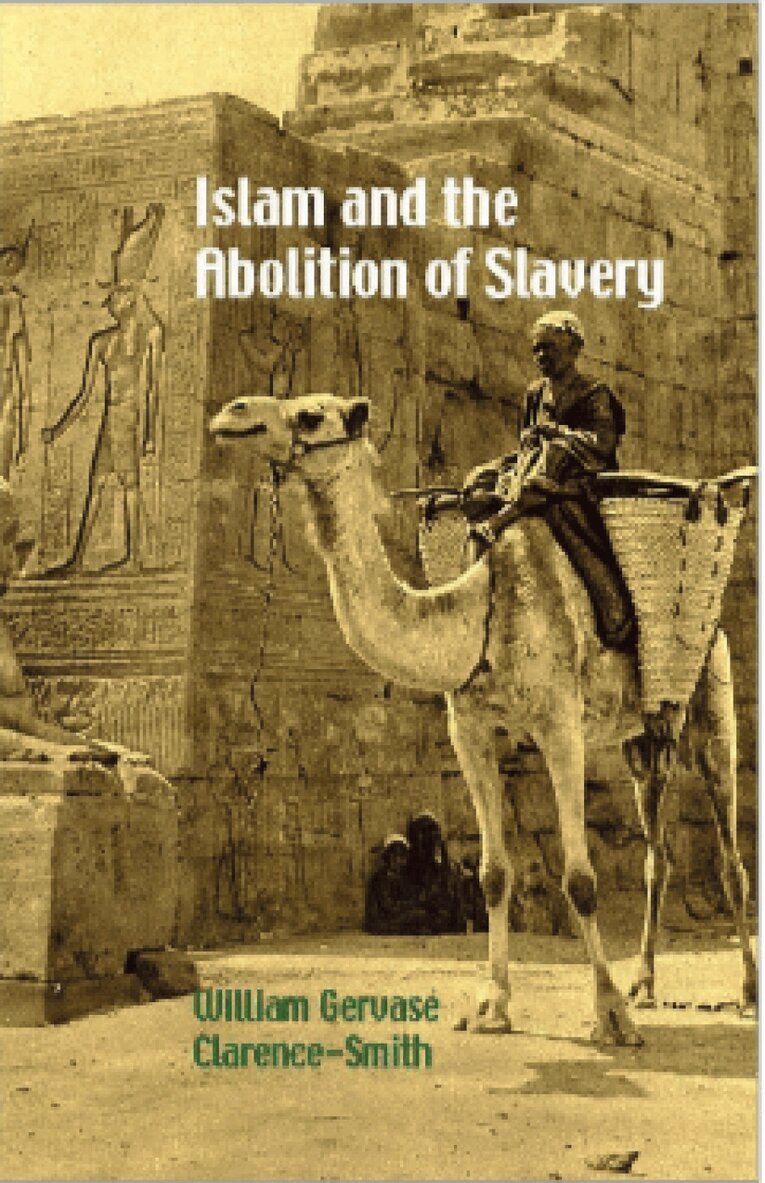
Islam and the Abolition of Slavery
Av William Gervase Clarence-Smith
Inbunden, 2006
779 kr
Lägg i varukorg
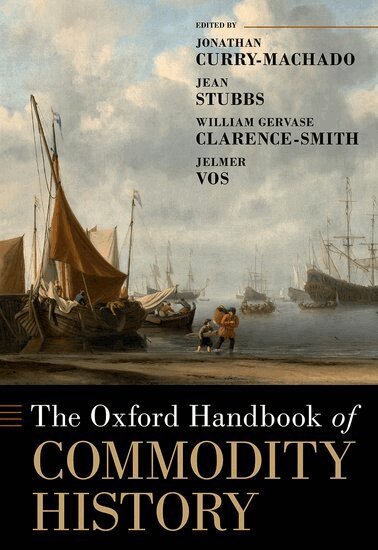
The Oxford Handbook of Commodity History
Av Jonathan Curry-Machado, Jean Stubbs m. fl.
Inbunden, 2024
3007 kr
Lägg i varukorg
Commodities provide a lens through which local and global histories can be understood and written. The study of commodity history follows these goods as they make their way from land and water through processing and trade to eventual consumption. It is a fast-developing field with collaborative, …
Cocoa and Chocolate, 1765-1914
Av William Gervase Clarence-Smith
Inbunden, 2000
3262 kr
Lägg i varukorg
Cocoa and Chocolate,1765-1914 focuses on the period from the Seven Years War, to the First World War, when a surge of economic liberalism and globalisation should have helped cocoa producers to overcome rural poverty, just as wool transformed the economy of Australia, and tea that of Japan. The …
Cocoa and Chocolate, 1765-1914
Av William Gervase Clarence-Smith
Häftad, 2015
949 kr
Lägg i varukorg
Cocoa and Chocolate,1765-1914 focuses on the period from the Seven Years War, to the First World War, when a surge of economic liberalism and globalisation should have helped cocoa producers to overcome rural poverty, just as wool transformed the economy of Australia, and tea that of Japan. The …
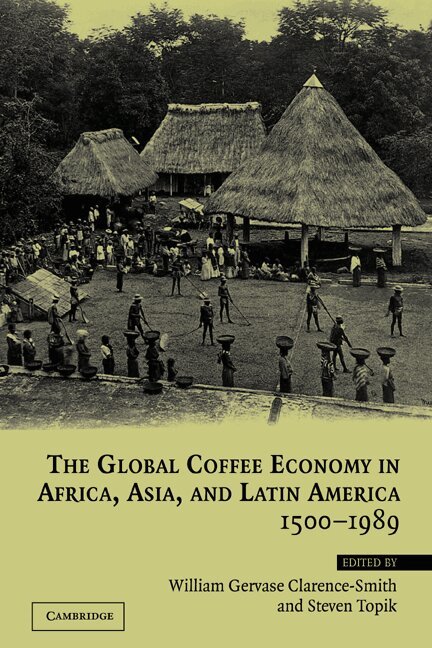
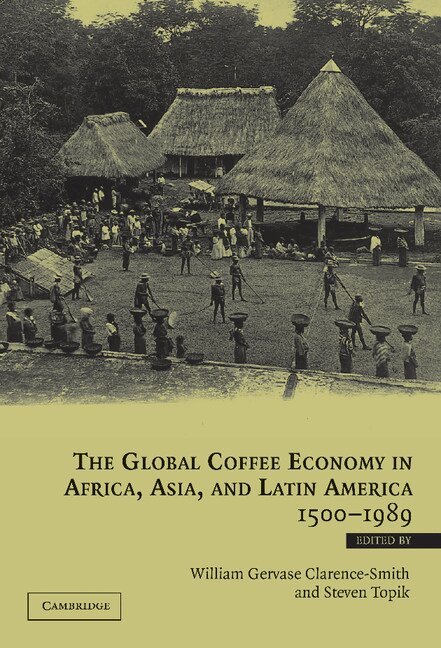
The Global Coffee Economy in Africa, Asia, and Latin America, 1500-1989
Av William Gervase Clarence-Smith, Steven Topik
Häftad, 2006
955 kr
Lägg i varukorg
Coffee beans grown in Brazil, Colombia, Vietnam, or one of the other hundred producing lands on five continents remain a palpable and long-standing manifestation of globalization. For five hundred years coffee has been grown in tropical countries for consumption in temperate regions. This 2003 …
The Global Coffee Economy in Africa, Asia, and Latin America, 1500-1989
Av William Gervase Clarence-Smith, Steven Topik
Inbunden, 2003
2214 kr
Lägg i varukorg
Coffee beans grown in Brazil, Colombia, Vietnam, or one of the other hundred producing lands on five continents remain a palpable and long-standing manifestation of globalization. For five hundred years coffee has been grown in tropical countries for consumption in temperate regions. This 2003 …
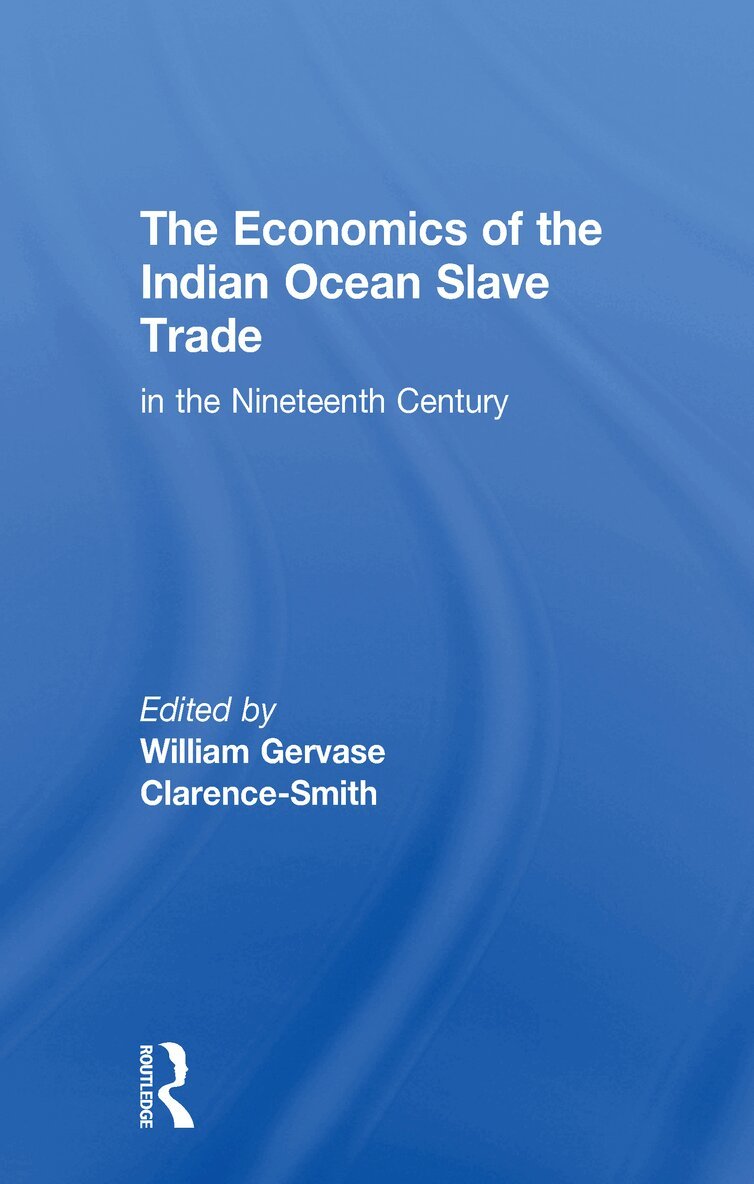
Economics of the Indian Ocean Slave Trade in the Nineteenth Century
Av William Gervase Clarence-Smith
Inbunden, 1989
2826 kr
Lägg i varukorg
First Published in 1989. Well over a million slaves were exported from Indian Ocean and Red Sea ports in Eastern Africa during the nineteenth century, and millions more were shifted around the interior of the continent and along the coast of East Africa. And yet we still know remarkably little …
Cocoa and Chocolate, 1765-1914
Av William Gervase Clarence-Smith
E-bok, 2003
1124 kr
Lägg i varukorg
Cocoa and Chocolate,1765-1914 focuses on the period from the Seven Years War, to the First World War, when a surge of economic liberalism and globalisation should have helped cocoa producers to overcome rural poverty, just as wool transformed the economy of Australia, and tea that of Japan. The …
Cocoa and Chocolate, 1765-1914
Av William Gervase Clarence-Smith
E-bok, 2003
1099 kr
Lägg i varukorg
Cocoa and Chocolate,1765-1914 focuses on the period from the Seven Years War, to the First World War, when a surge of economic liberalism and globalisation should have helped cocoa producers to overcome rural poverty, just as wool transformed the economy of Australia, and tea that of Japan. The …
Economics of the Indian Ocean Slave Trade in the Nineteenth Century
Av William Gervase Clarence-Smith
E-bok, 2013
960 kr
Lägg i varukorg
First Published in 1989. Well over a million slaves were exported from Indian Ocean and Red Sea ports in Eastern Africa during the nineteenth century, and millions more were shifted around the interior of the continent and along the coast of East Africa. And yet we still know remarkably little …
Economics of the Indian Ocean Slave Trade in the Nineteenth Century
Av William Gervase Clarence-Smith
E-bok, 2013
960 kr
Lägg i varukorg
First Published in 1989. Well over a million slaves were exported from Indian Ocean and Red Sea ports in Eastern Africa during the nineteenth century, and millions more were shifted around the interior of the continent and along the coast of East Africa. And yet we still know remarkably little …
Economics of the Indian Ocean Slave Trade in the Nineteenth Century
Av William Gervase Clarence-Smith
Häftad, 2015
832 kr
Lägg i varukorg
First Published in 1989. Well over a million slaves were exported from Indian Ocean and Red Sea ports in Eastern Africa during the nineteenth century, and millions more were shifted around the interior of the continent and along the coast of East Africa. And yet we still know remarkably little …
Cocoa Pioneer Fronts since 1800
The Role of Smallholders, Planters and Merchants
Av William Gervase Clarence-Smith
E-bok, 1996
803 kr
Lägg i varukorg
The livelihood of Third World farmers conflicts with saving the remaining tropical forests. The advantages of growing cocoa in cleared primary forest drive from the fertility of virgin soils and low concentrations of weeds, pests and diseases. The consequent emergence of new ''pioneer fronts'' has …
Cocoa Pioneer Fronts since 1800
The Role of Smallholders, Planters and Merchants
Av William Gervase Clarence-Smith
Häftad, 1996
552 kr
Lägg i varukorg
The livelihood of Third World farmers conflicts with saving the remaining tropical forests. The advantages of growing cocoa in cleared primary forest drive from the fertility of virgin soils and low concentrations of weeds, pests and diseases. The consequent emergence of new 'pioneer fronts' has …
Islam and the Abolition of Slavery
Av William Gervase Clarence-Smith
Häftad, 2020
338 kr
Lägg i varukorg
In this important book, Clarence-Smith provides the first general survey of the Islamic debate on slavery. Sweeping away entrenched myths, he hopes to stimulate more research on the neglected topic. He draws on examples from the 'abode of Islam', from the Philippines to Senegal and from the …
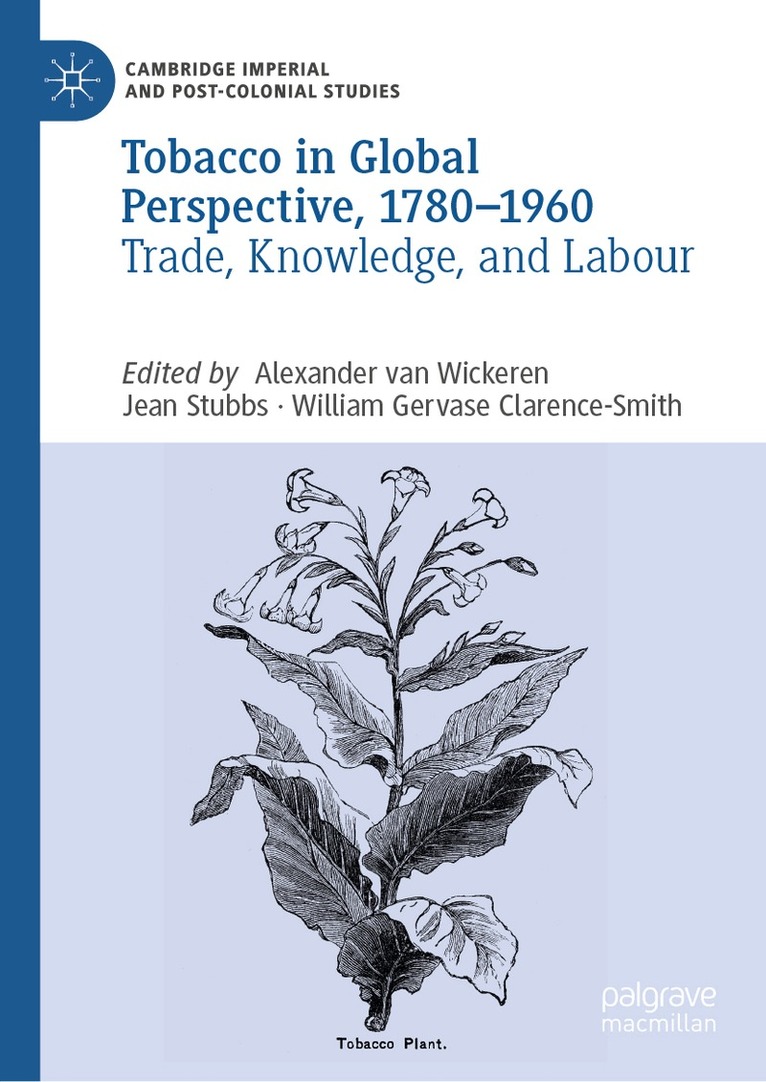
Tobacco in Global Perspective, 1780–1960
Trade, Knowledge, and Labour
Av Alexander van Wickeren, Jean Stubbs m. fl.
Inbunden, 2024
1507 kr
Lägg i varukorg
This edited collection provides an in-depth analysis of the imperial, colonial, and postcolonial history of tobacco from 1780 to 1960, which was one of the major periods of change in the global tobacco economy. It brings together case-studies from known and lesser-known tobacco regions of the world …
Tobacco in Global Perspective, 1780-1960
Trade, Knowledge, and Labour
Av William Gervase Clarence-Smith, Jean Stubbs m. fl.
E-bok, 2024
1838 kr
Lägg i varukorg
This edited collection provides an in-depth analysis of the imperial, colonial, and postcolonial history of tobacco from 1780 to 1960, which was one of the major periods of change in the global tobacco economy. It brings together case-studies from known and lesser-known tobacco regions of the world …
Tobacco in Global Perspective, 1780–1960
Trade, Knowledge, and Labour
Av Alexander van Wickeren, Jean Stubbs m. fl.
Häftad, 2025
1352 kr
Lägg i varukorg
This edited collection provides an in-depth analysis of the imperial, colonial, and postcolonial history of tobacco from 1780 to 1960, which was one of the major periods of change in the global tobacco economy. It brings together case-studies from known and lesser-known tobacco regions of the world …