William J. Fielding – författare
Visar alla böcker från författaren William J. Fielding. Handla med fri frakt och snabb leverans.
14 produkter
Caveman Within Us
HIS PECULIARITIES AND POWERS: HOW WE CAN ENLIST HIS AID FOR HEALTH
Inbunden, 1999
742 kr
Lägg i varukorg
This is Volume III of thirty-eight in the General Psychology series. First published in 1922 this study looks at the ‘caveman’ aspects of human character, his peculiarities and powers and how an individual can enlist his help for health and efficiency.
Caveman Within Us
HIS PECULIARITIES AND POWERS: HOW WE CAN ENLIST HIS AID FOR HEALTH
Häftad, 2013
374 kr
Lägg i varukorg
This is Volume III of thirty-eight in the General Psychology series. First published in 1922 this study looks at the ‘caveman’ aspects of human character, his peculiarities and powers and how an individual can enlist his help for health and efficiency.
Caveman Within Us
HIS PECULIARITIES AND POWERS: HOW WE CAN ENLIST HIS AID FOR HEALTH
E-bok, 2014
438 kr
Lägg i varukorg
This is Volume III of thirty-eight in the General Psychology series. First published in 1922 this study looks at the ‘caveman’ aspects of human character, his peculiarities and powers and how an individual can enlist his help for health and efficiency.
Caveman Within Us
HIS PECULIARITIES AND POWERS: HOW WE CAN ENLIST HIS AID FOR HEALTH
E-bok, 2014
438 kr
Lägg i varukorg
This is Volume III of thirty-eight in the General Psychology series. First published in 1922 this study looks at the ‘caveman’ aspects of human character, his peculiarities and powers and how an individual can enlist his help for health and efficiency.
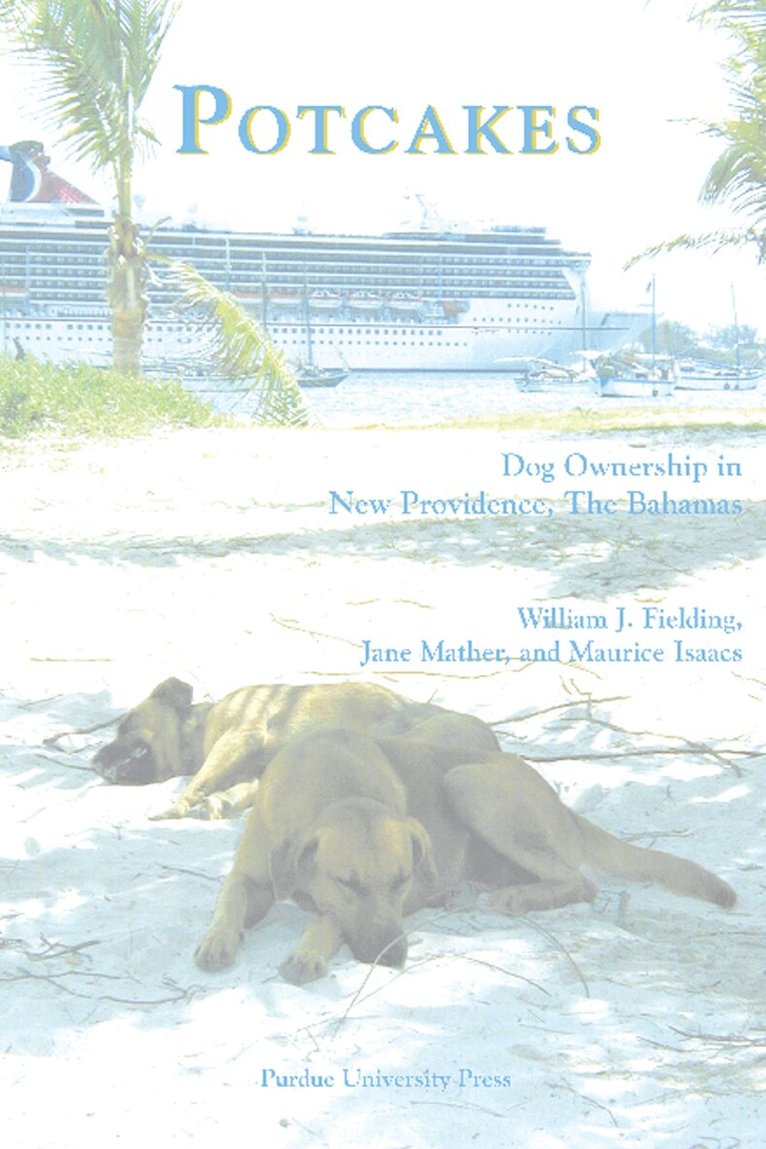
Potcakes
Dog Ownership in New Providence, the Bahamas
Av William J. Fielding, Jane Mather m. fl.
Inbunden, 2005
817 kr
Lägg i varukorg
Although The Bahamas is not alone, either in the Caribbean, or elsewhere in having a pet over-population problem, this publication appears to be the first to provide a systematic study of dog ownership in a Caribbean society. The dog population in The Bahamas consists mainly of mongrels called …