William N. Still – författare
Visar alla böcker från författaren William N. Still. Handla med fri frakt och snabb leverans.
8 produkter
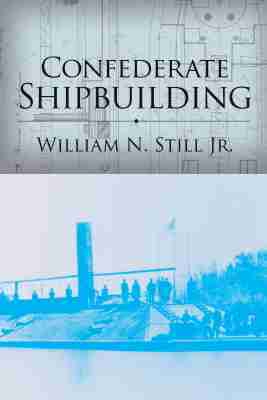
Confederate Shipbuilding
Inbunden, 1987
299 kr
Lägg i varukorg
This work covers the real grounds for the Confederacy's failure to build a successful navy. The South's major problems with shipbuilding concerned facilities, materials, and labour. Each of these subjects is discussed, and the text concludes by joining these problems to the issues of the Civil War.
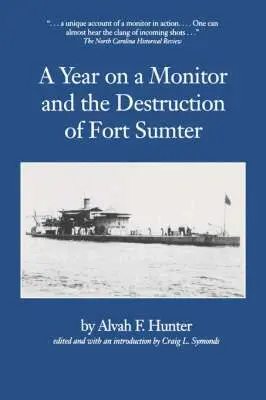
Year on a Monitor and the Destruction of Fort Sumter
Av Alvah F. Hunter, Craig L. Symonds m. fl.
Häftad, 1991
211 kr
Lägg i varukorg
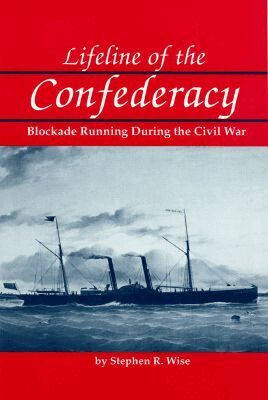
Lifeline of the Confederacy
Blockade Running During the Civil War
Av Stephen R. Wise, Jr. Still, William N. m. fl.
Häftad, 1991
284 kr
Lägg i varukorg
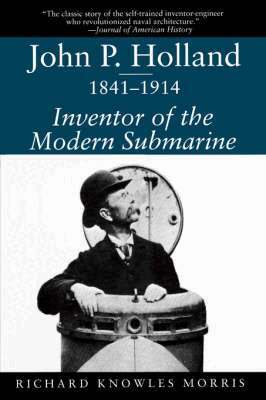
John P.Holland, 1841-1914
Inventor of the Modern Submarine
Av Richard K. Morris, Jr. Still, William N. m. fl.
Häftad, 1998
233 kr
Lägg i varukorg
A classic of maritime history updated with new information, John P. Holland, 1841–1914 is the sole full-length biography of the man whose technological innovations led to the launching of the first modern submarine in May 1897. While David Bushnell may be considered the father of the submarine, …
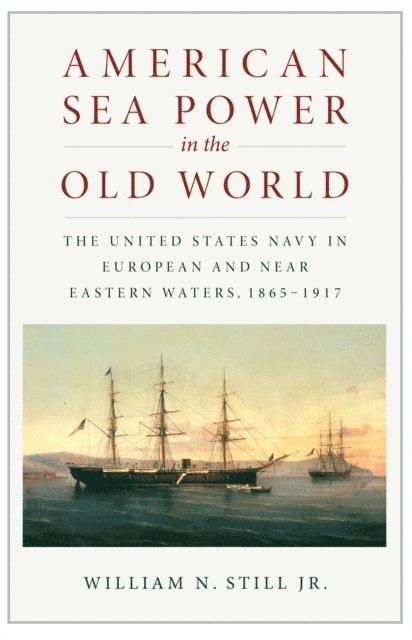
American Sea Power in the Old World
The United States Navy in Europeanand Near Eastern Waters, 1865-1917
E-bok, 2018
368 kr
Lägg i varukorg
This classic study examines the deployment of U.S. naval vessels in European and Near Eastern waters from the end of the Civil War until the United States declared war in April 1917. Initially these ships were employed to visit various ports from the Baltic Sea to the eastern Mediterranean and …
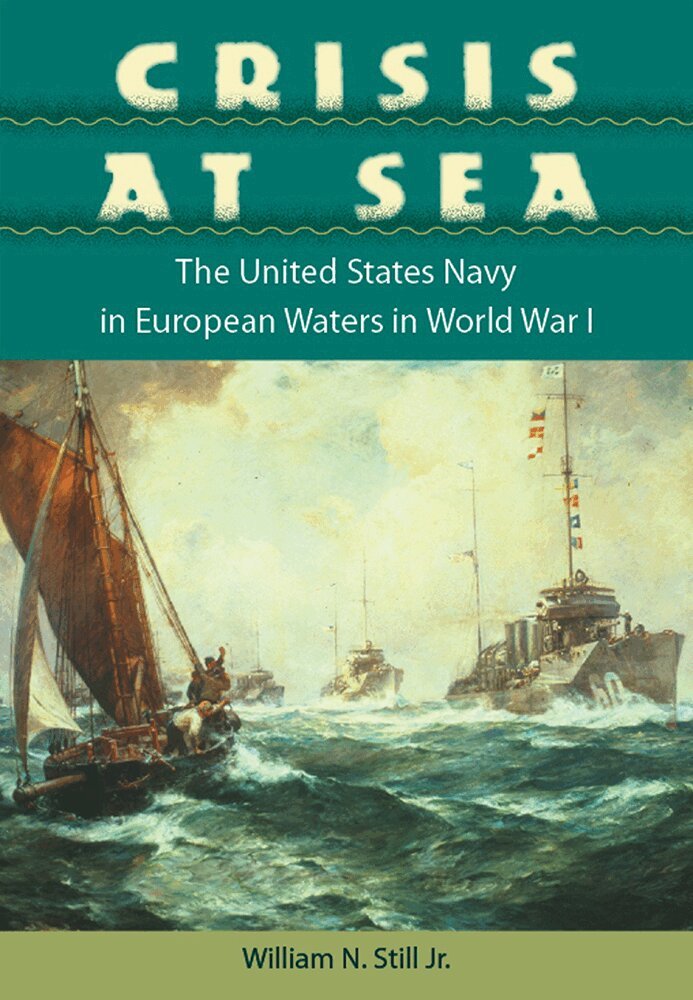
Crisis at Sea
The United States Navy in European Waters in World War I
Av William N. Still, James C. Bradford
Inbunden, 2007
1163 kr
Tillfälligt slut
Crisis at Sea is the first comprehensive history of the United States Navy in European waters during World War I. Drawing on vast American, British, German, French, and Italian sources, the author presents the U.S. Naval experience as America moved into the modern age of naval warfare. Not limited …