William Nester – författare
Visar alla böcker från författaren William Nester. Handla med fri frakt och snabb leverans.
22 produkter
22 produkter
Inbunden, Engelska, 2000
1 062 kr
Skickas inom 10-15 vardagar
During 1763 and 1764, a loose coalition of Native American tribes ranging from the Appalachian Mountains to the Mississippi River and from the Ohio Valley to the Great Lakes revolted against the oppression and neglect of their newly installed British masters. This Great Uprising ranks among the most successful wars in Native American history with the assault and capture of nine forts, the siege of Forts Detroit and Pitt, and, finally, a negotiated peace that met most of their demands. Yet, the victories proved to be fleeting as tribal enthusiasm waned. Within a generation, another wave of settlers and a frontier war would conquer much of what the unfortunate tribes would cling to with their victory.There would be no simple solution to the conflict. Now nearly dependent on the white man's technology and trade, tribal leaders were forced to face the prospects of an uncertain future. Supplies captured from the forts would last only so long, and the war had diverted valuable manpower from the yearly hunt. While the British had managed to quell the uprising, they did so largely through diplomacy, and they paid a high political price with negotiations conceding nearly every tribal demand. However, within a generation yet another wave of settlers and a frontier war would conquer much of what the unfortunate tribes would cling to with their victory.
Inbunden, Engelska, 2000
1 062 kr
Skickas inom 10-15 vardagar
By 1756 the wilderness war for control of North America that erupted two years earlier between France and England had expanded into a global struggle among all of Europe's Great Powers. Its land and sea battles raged across the North American continent, engulfed Europe and India, and stretched from the Atlantic to the Mediterranean, Indian, and Pacific waters. The new conflict, now commonly known as the Seven Years' War of 1756-1763, was a direct continuation of the last French and Indian War. This study explores the North American campaigns in relation to events elsewhere in the world, from the ministries of Whitehall and Versailles to the land and sea battles in Europe, Africa, South Asia, and the Caribbean.Few wars have had a more decisive effect on international relations and national development. The French and Indian War resulted in France's expulsion from almost all of the Western Hemisphere, except for some tiny islands in the Caribbean and St. Lawrence. Britain emerged as the world's dominant sea power and would remain so for two centuries. Finally, within a generation or two the vast debts incurred by Whitehall and Versailles in waging this war would help to stimulate revolutions in America and France that would forever change world history.
Inbunden, Engelska, 2000
1 062 kr
Skickas inom 10-15 vardagar
For more than a century and a half, from 1607 to 1763, Britain and France struggled to master the eastern half of North America. They fought five blood-soaked wars and continuously provoked various Indian tribes to raise arms against each other's subjects for the mastery of the land. The last French and Indian War, from 1754 to 1760, would dwarf all previous conflicts in the number of troops, expense, geographical expanse, and total casualties. Placing the French and Indian War in a broad historical context, this study examines the struggle for North America during the two preceding centuries and includes not only the conflict between France and Britain, but also the parts played by various Indian tribes and the other European powers.The last French and Indian War makes for colorful reading with its array of inept and daring commanders, epic heroism among the troops, far-flung battles and sieges, and creaking fleets of warships. Ironically, America's most famous founder, George Washington, helped to spark the war, first by trudging through the wilderness in the dead of winter with a message from Virginia Governor Dinwiddie to the French to abandon their forts in the upper Ohio River valley, then a half year later by ordering the war's first shots when his troops ambushed Captain Jumonville, and finally when he ignominiously surrendered his force at Fort Necessity and unwittingly signed a surrender document in French naming himself Jumonville's assassin. Topical chapters discuss the economic, political, social, and military attributes of the participants, and narrative chapters examine the campaigns of the war's first two years.
Inbunden, Engelska, 2023
422 kr
Skickas inom 5-8 vardagar
War in Europe began with the first human migrants. Rival bands fought for thousands of years before the Greeks and Romans began writing about their military history, first as legend—for instance, the hero Achilles battling the Trojans—and then as fact. War developed from sticks and stones to bronze, iron, and steel, including armor and edged weapons. Then came gunpowder, guns, and cannons, which eventually replaced edged weapons. Finally, in the nineteenth and twentieth centuries, technology exploded: railroads, steamships, telegraphs, machine guns, automobiles, airplanes, and tanks enabled European states to muster, equip, arm, transport, and command more men than ever before, with more firepower than ever before. In the past seventy-five years, atomic weapons changed the military landscape of Europe—as have the internet and cyber warfare. In this colorful new telling of European warfare—and indeed European history through the continent’s all too numerous wars and conflicts—William Nester describes millennia of armed conflict. He covers the “greatest hits” of military history both ancient and current: Thermopylae, the Peloponnesian War, the wars of the Roman Empire across the continent, the Battle of Hastings, the Crusades, Agincourt, Waterloo, Napoleon and Wellington, the Somme, the Spanish Civil War, Stalingrad and Normandy, Churchill, Hitler, and Stalin, Bosnia, and up through Putin’s attempts to redraw the map of Europe. Nester highlights how warfare has been deeply entwined with European statesmanship and undergirds modern institutions such as NATO and the European Union. Europe’s sense of itself is bound up in its military history. Land of War is an epic odyssey from Europe’s mythic origins through its latest violent conflicts.
Inbunden, Engelska, 2024
422 kr
Skickas inom 5-8 vardagar
Inbunden, Engelska, 2024
270 kr
Skickas
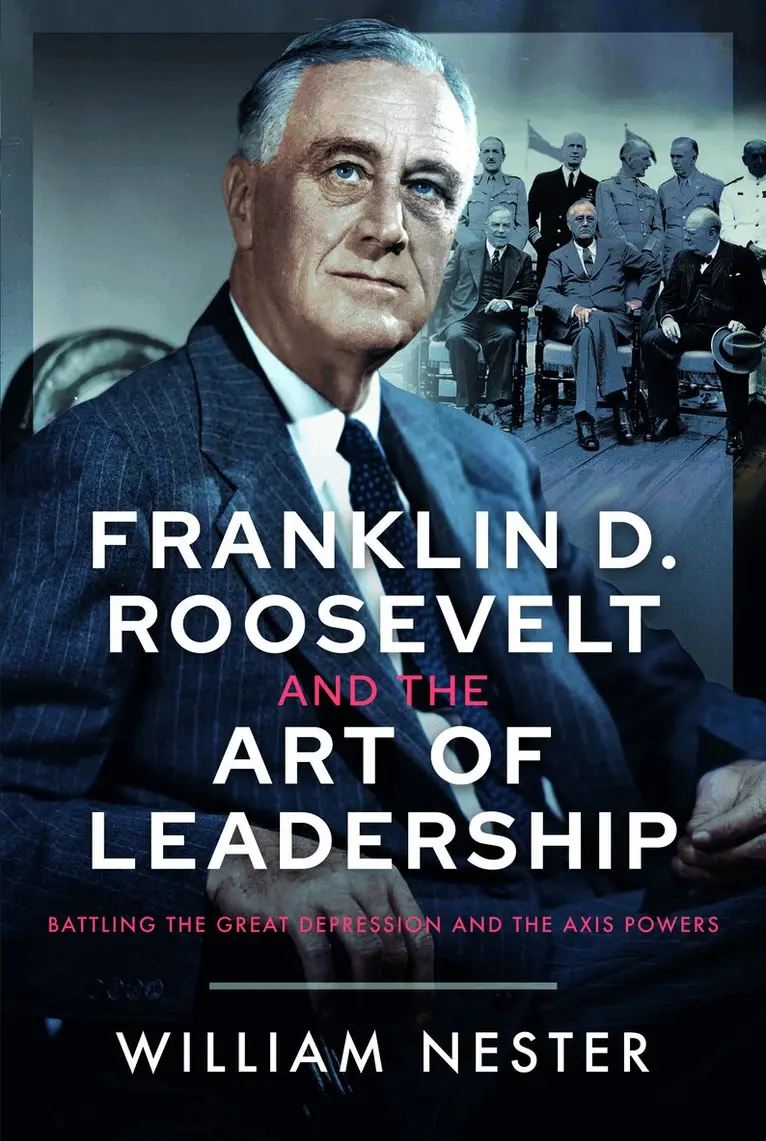
After their independence and civil wars, Americans never faced a greater threat than the sixteen years of global depression followed by global war from 1929 to 1945\. Franklin Delano Roosevelt was the president for the last dozen of those years, during which he led the nation first to alleviate the Great Depression then led an international alliance that vanquished the fascist powers during the Second World War. Along the way, he established the modern presidency with centralized powers to make and implement domestic and foreign policies. He was naturally a master politician who eventually, through daunting trials and errors, became an accomplished statesman.For all that, historians regularly rank Roosevelt among the top three presidents. Yet, most historians and countless others criticize Roosevelt for an array of things that he did or failed to do. Conservatives lambast him for creating a welfare state and trying to pack federal courts with liberal judges while liberals condemn him for interning 120,000 Japanese-Americans during the war and doing little to advance civil rights for African Americans. Critics blister war commander Roosevelt for caving into strategies demanded by powerful leaders that squandered countless lives and treasure in literal and figurative dead ends. These include Prime Minister Churchill’s push to invade the Italian peninsula and General MacArthur’s determination to recapture the Philippines.At times, his policies violated his principles. Like President Wilson during the Second World War, Roosevelt championed self-determination but not for every nation. He badgered Churchill to break up Britain’s empire while bowing to Stalin’s brutal communist conquest of eastern Europe. And those are just the opening barrages against Roosevelt. Although he won four presidential elections with overwhelming majorities, nearly as many people reviled him as they adored him._Franklin D. Roosevelt and the Art of Leadership_ explores the dynamic among Roosevelt’s character, personality, and presidential power with which he asserted policies that overcame first the Great Depression and then the Axis powers during the Second World War. Along the way, the book raises and answers key questions. What were Roosevelt’s leadership skills and how did he develop them over time? Which New Deal policies succeeded, which failed, and what explains those results? Which war strategies succeeded, which failed, and what explains those results? What policies rooted in Roosevelt’s instincts proved to be superior to alternatives grounded in thick official reports advocated by his advisors? Finally, how does Roosevelt rank as an American and global leader?
Inbunden, Engelska, 2025
262 kr
Skickas
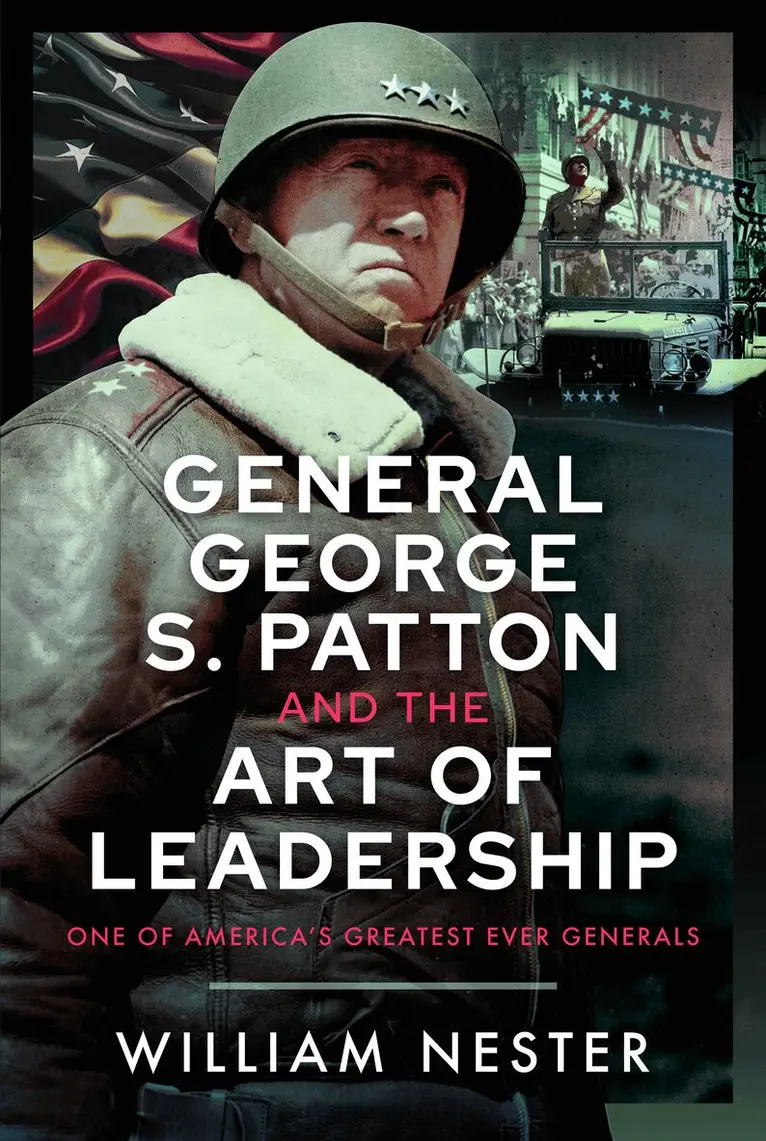
For General George S. Patton, “Leadership is the thing that wins battles. I have it—but I’ll be damned if I can define it. Probably it consists in knowing what you want to do and then doing it and getting mad if anyone steps in the way. Self-confidence and leadership are twin brothers.”Indeed, Patton excelled at virtually every dimension of leadership, most vitally as a war commander. His record as a general is clear. The larger, more armored, and better supplied his armies, and the freer he was to decide what to do with them, the more rapid and further they advanced to inflict more defeats on the enemy. In that no other American army commander matched him during World War II. That ranks Patton among the Valhalla of America’s greatest generals, with him most resembling Thomas “Stonewall” Jackson and Nathan Bedford Forrest as a fast-moving, hard-hitting commander who repeatedly outflanked and devastated enemy forces.Patton led from the front and tried to inspire his troops by being a model officer who exemplified bravery, problem-solving, tactical brilliance, and decisiveness. He was in near constant motion from his headquarters to rear echelon and front line troops, everywhere exhorting them to greater efforts and overcoming challenges, at times enduring shell fire, strafing, mines, snipers, and other dangers. His greatest attribute was his drive to be the best at whatever he chose or was ordered to do. He recognized that developing a successful military career depended not just on will and chance but on incessant training and study. Yet he believed that instincts were just as vital as skills in being a successful leader: “I have a sixth sense in war and…can put myself in the enemies head and I am also willing to take chances.”Patton harbored plenty of flaws. He was a narcissist who constantly strove to be center-stage and outshine his rivals. He contrived an idealized version of himself as the epitome of the brilliant general and fearless soldier, immaculately dressed, and spent his life playing that role. He was a braggart who regaled listeners with at times exaggerated tales of his past deeds and those yet to come. His boasting did have one positive element. He sought to surpass his past glories with greater future victories.Patton seesawed between elation and despair, rage and compassion. He could chew out a subordinate for some mistake in the morning and comfort him for a similar mistake in the afternoon. His quick-temper and provocative views often overpowered his self-control. Twice that cost him an army command. During Germany’s occupation in August 1945, he casually quipped to several reporters that being a Nazi in Germany was no different from being a Republican or Democrat in the United States. For that Eisenhower relieved him from Third Army’s command. Most notoriously, during the Sicily campaign he slapped two soldiers suffering combat fatigue that he accused of malingering.General George S. Patton and the Art of Leadership is his most psychologically penetrating biography that captures the paradoxical character behind his brilliant military feats and often dismaying failures. Throughout Patton explains his values and deeds through hundreds of quotes along with scores of insights from those who knew him—comrades and critics alike.
Inbunden, Engelska, 2025
262 kr
Skickas
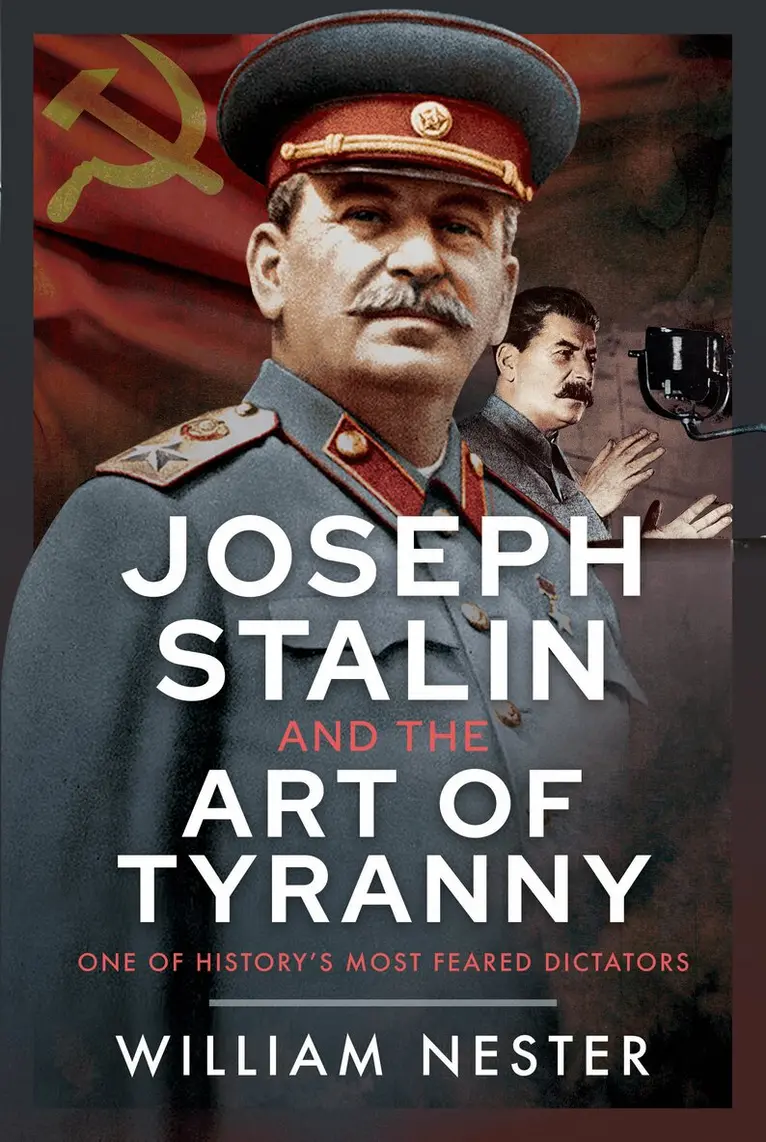
Joseph Stalin and the Art of Tyranny examines authoritarian rule, revealing how tyrants sustain power through a mix of comfort, terror, love, and fear, often convincing their subjects of their divine purpose. Such leaders build systems of loyalists and subservient institutions, enabling unchecked authority.Joseph Stalin exemplifies this tyranny. As Soviet leader from 1929 to 1953, he implemented totalitarian policies, nationalizing industry and agriculture, controlling economic production through five-year plans, and eliminating dissent through imprisonment, forced labour, or execution. His brutal regime caused an estimated 20 million deaths.Despite this grim legacy, Stalin’s reputation remains divisive. In Western democracies, he is remembered as a genocidal dictator, but in Russia he often ranks among the most admired historical figures, illustrating the paradox of his influence.Stalinism served as a model for Communist regimes in China, Vietnam, and Cuba, shaping their governance. While many of these nations transitioned toward democracy, countries like Russia, China, and North Korea continue to echo Stalinist practices. Modern leaders such as Saddam Hussein, Vladimir Putin, and Xi Jinping have adopted similar strategies of control.Joseph Stalin and the Art of Tyranny offers crucial insights into authoritarianism, revealing the enduring appeal and devastating impact of totalitarian rule.
Inbunden, Engelska, 2025
262 kr
Skickas
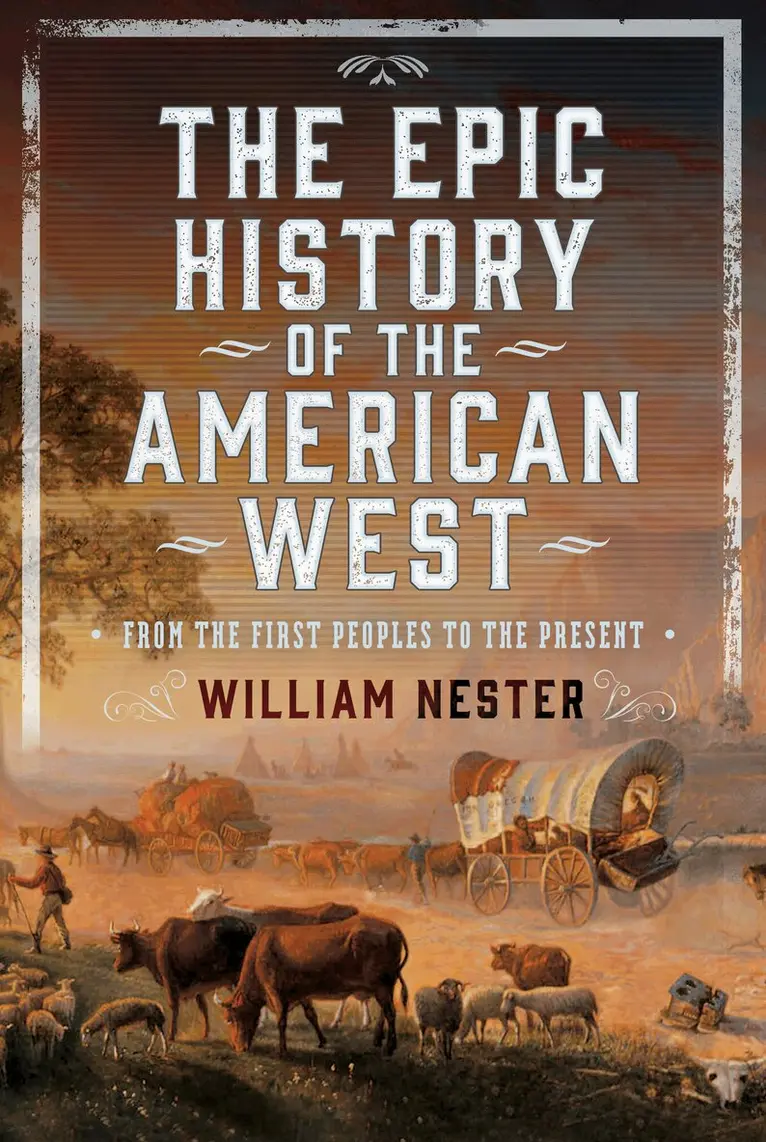
The American West evokes powerful imagery—warriors on horseback, cowboys in saloons, and pioneers in wagons heading westward. It symbolizes freedom, reinvention, and the American Dream. However, this idealized image obscures the complex, often violent history of the West, which is as unjust as it is inspiring.Historians debate the boundaries of the American West, but it's clear that it’s a dynamic concept—both a place and an idea, evolving over time. For three centuries, the frontier and western history overlapped until the frontier disappeared in 1890. Early narratives celebrated explorers, settlers, and entrepreneurs who developed the West, portraying them as heroic figures.However, modern historians criticize this "triumphant" view, highlighting the exploitation, racism, and ecological damage caused by Western expansion. They focus on marginalized groups—racial minorities, women, and workers—while critiquing the often-overlooked injustices faced by Indigenous peoples and others. This revisionist perspective emphasizes the darker aspects of Western history, challenging previous glorifications of development and heroism.The Epic History of the American West bridges traditional and revisionist views, exploring the region’s complex legacy, from violent struggles to ongoing cultural and ideological conflicts. It reflects the West’s enduring significance, blending history and mythology to reveal its multifaceted nature.
Inbunden, Engelska, 2026
270 kr
Skickas
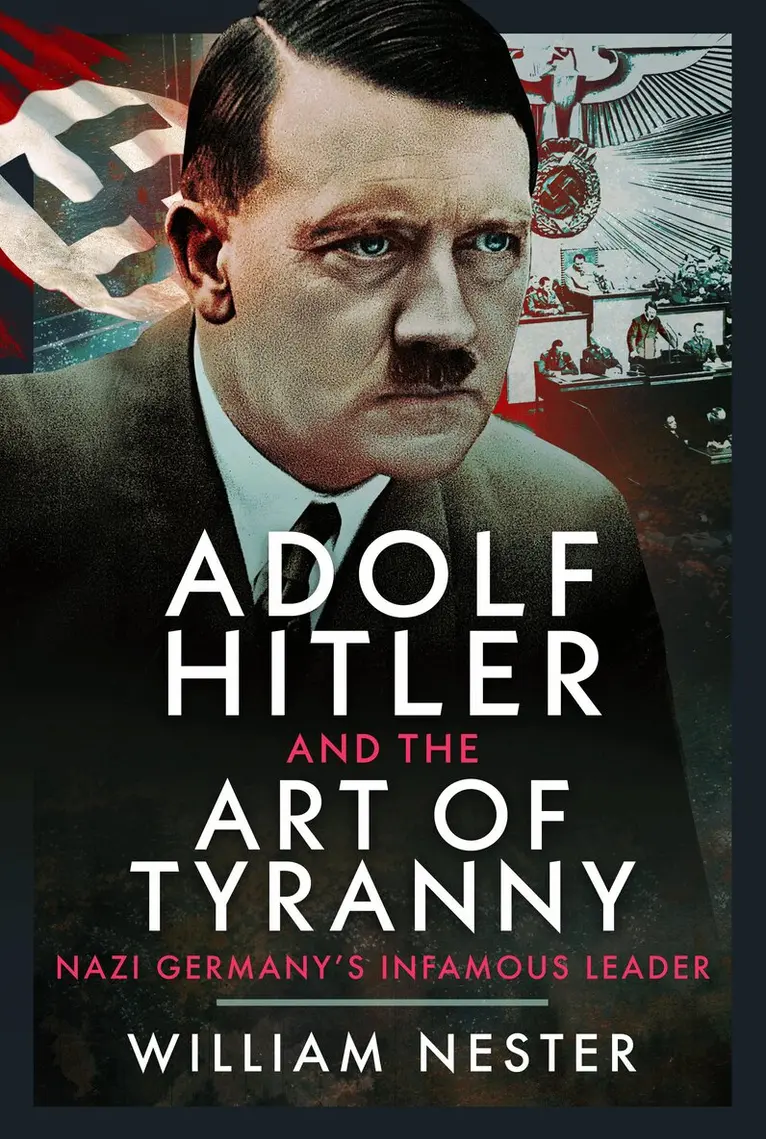
Adolf Hitler may be history’s most notorious tyrant. Surely no one’s name is more often evoked to epitomize evil and the deliberate infliction of suffering on vulnerable individuals and groups?Through exceptional will and luck Hitler struggled up through the ranks of political power until he became Germany’s master. He then sought to dominate Europe. Determined to unite all German-speaking peoples in one nation, he embarked on a series of aggressions that culminated in a war that engulfed and devastated most of Europe and North Africa, and left tens of millions of people dead, maimed, or homeless. Along with his political opponents, he condemned Jews and other ‘inferior peoples’ as Germany’s enemies, and eventually had around six million of them arrested and systematically slaughtered.Adolf Hitler and the Art of Tyranny answers with depth and clarity three core questions. What made Hitler who he was; why did he do what he did; and what were the results? Many other questions radiate from these. For instance, how did Hitler get tyrannical power? Or why was the Third Reich destroyed after just a dozen years? Many more crucial questions and arrays of answers follow.Hitler, of course, did not act alone. He enthroned himself atop power pyramids that included the Nazi Party, government, military, secret police, industrial associations, religious institutions, and other social organizations. He commanded countless ‘willing executioners’ of his plans and orders. To a rational, knowledgeable person, Hitler’s mass appeal is puzzling. How could someone as histrionic, vulgar, shallow, bullying, and extreme as Hitler inspire such adoration and fanatical acts by millions of people?
Inbunden, Engelska, 2026
270 kr
Kommande
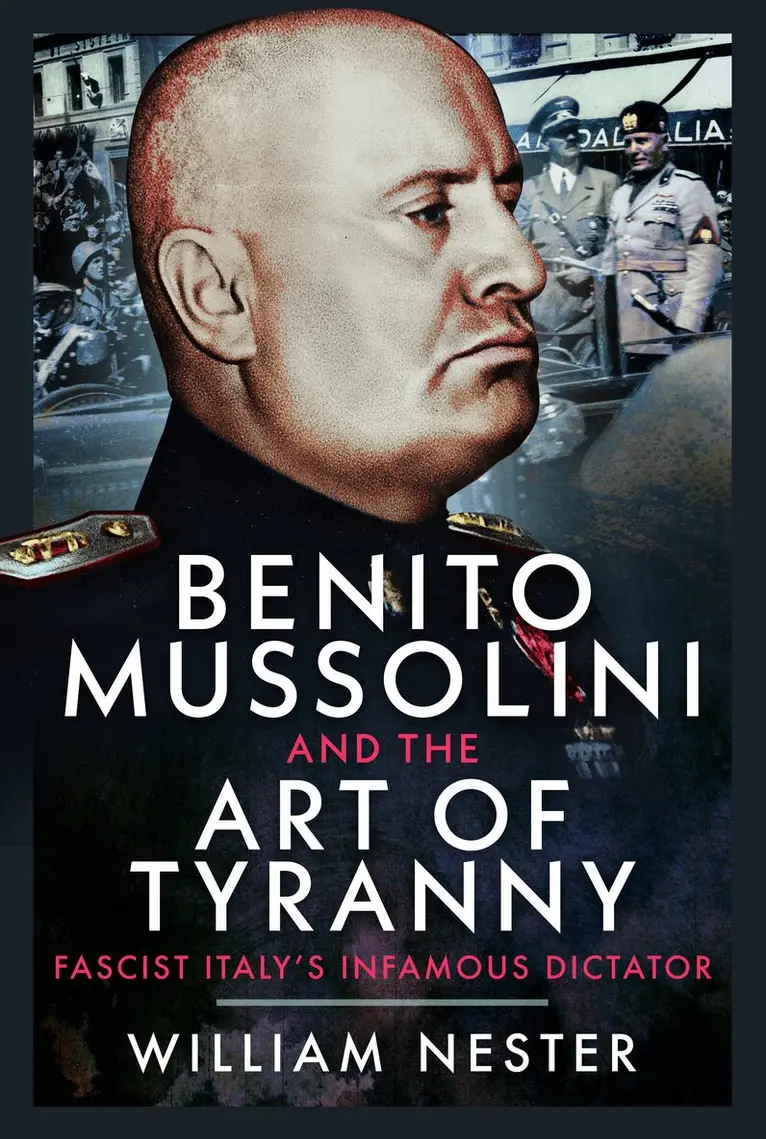
The art of tyranny involves aspirants taking and keeping uninhibited, arbitrary power over others. Benito Mussolini is among the world’s most recognizable tyrants with his scowl, jutting jaw, bald dome, booming voice, chopping fists, squat body, and wide stance. He founded the Fascist movement dedicated to transforming Italy’s liberal democracy into a regime that mingled authoritarianism, nationalism, populism, corporatism, vigilantism, and imperialism with himself the all-powerful ‘Duce’ or leader.By threatening to march on Rome with his Blackshirt militia, Mussolini bullied King Victor Emmanuel III into naming him prime minister. He ruled Italy from 30 October 1922 until 25 July 1943, achieving supreme power just thirteen months after taking power. With an overwhelming legislative majority, he issued decrees and had laws approved that granted him dictatorial powers, outlawed all political parties except for his Fascist Party, and jailed or drove into exile most of his opponents. Yet Mussolini’s dictatorship was limited as the king remained the head of state with the latent power to dismiss him as prime minister backed by the need and courage to do so. That time eventually came.Until the war years, most Italians enthusiastically embraced Mussolini’s dictatorship because his economic and nationalist policies boosted their living standards, hope, and pride. Mussolini oversaw a corporatist economy where the state partnered with industrial, agrarian, labour, and energy groups to expand production, productivity, wages, and quality of life. Yet, Mussolini ultimately failed catastrophically as a tyrant when he tried to fulfil his promise to make Italy as great a modern imperial nation as the ancient Roman empire. The series of military disasters that Italy’s military suffered eventually turned even his closest supporters against him. On 25 July 1943, the Fascist National Council voted 19 to 8 with 1 abstention that he resign. Later that day, King Victor Emmanuel III summoned him, announced that he would replace him as prime minister with General Pietro Badoglio, and had him arrested and imprisoned. It was the beginning of what was to be his fatal demise.Benito Mussolini and the Art of Tyranny explores the nature of the dictator and his regime and their strengths, weaknesses, triumphs, disasters, and legacies.
Inbunden, Engelska, 2023
262 kr
Skickas
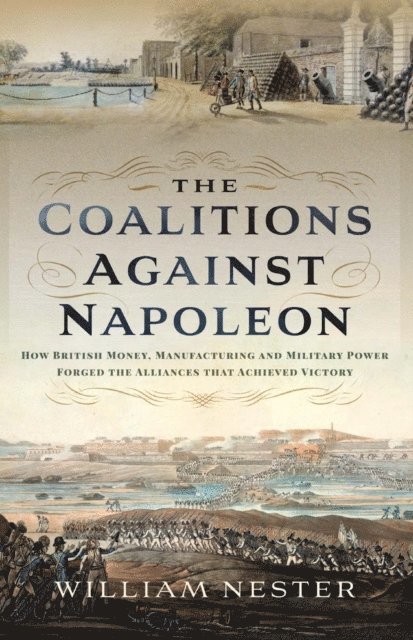
Britain alone could not hope to defeat the might of Napoleonic France which, through enforced conscription, had become a nation in arms. But British leaders had a long history of forging alliances to counter their rivals and when revolution ravaged France in 1793 and a lev e en masse raised a huge patriotic army, it was through a coalition of monarchies that French ambitions were restrained - a coalition made possible by British gold and British industry.When Napoleon seized the reins of power in France, he too introduced conscription and, once again, it was a succession of British led and funded coalitions which eventually brought Napoleon to his knees. During the years 1793 to 1815, the British Government formed and underwrote seven coalitions that cost Britain 1,657,854,518 as the national debt tripled from 290,000,000 to 860,000,00\. Of that, British subsidies to around thirty allies amounted to 65,830,228, along with staggering amounts of war supplies mass produced by British factories and shipped to allies.Britain's leading role in Europe did not end with Waterloo. Immediately following the Sixth Coalition, and amidst the Seventh Coalition, Britain constructed, with the other great powers, a security system of cooperation and consultation called the Concert of Europe' that prevented a serious war among them for two generations.Britain's power to underwrite those coalitions came from a related series of revolutions - agrarian, mercantile, financial, technological, manufacturing, cultural, and political that developed over the proceeding century. For many reasons that happened in Britain and not elsewhere. Of them, cultural values may be most crucial. Constraints were fewer and incentives greater for enterprising Britons to invest, invent, buy, and sell in ways that enriched themselves and their nation more than elsewhere. During the eighteenth century, Britain's leaders mastered a virtuous power cycle of victorious wars, expanding production, captured territories and markets, and more income.During a speech before Congress in December 1940, President Franklin D. Roosevelt called on Americans to be an arsenal of democracy' to aid Britain and other countries threatened by the imperialistic fascist powers. Britain played exactly the same role during the Napoleonic era. The Coalitions Against Napoleon explores how Britain developed and asserted the financial, manufacturing, and military power to achieve that goal.
Inbunden, Engelska, 2024
262 kr
Skickas
The Civil War fascinates Americans like no other war in their history. Many Americans are still fighting some of the war's issues in an Odyssey that stretches back to the first settlement and will persist until the end of time. The war itself was an Iliad of brilliant generals like Grant, Sherman, and Sheridan for the Union, or Lee, Jackson, and Forrest for the Confederacy; epic battles like Gettysburg and Chickamauga; epic sieges like Vicksburg and Petersburg; and epic naval combats such as Monitor versus Merrimack, or Kearsarge versus Alabama.It was America's most horrific war, with more dead than all others combined. Around 625,000 soldiers and 125,000 civilians died from various causes, bringing the total to 750,000 people. Of 31 million Americans, 2.1 million northerners and 880,000 southerners donned uniforms.Why did eleven states eventually ban together to rebel against the United States? President Jefferson Davis began an answer when he said: If the Confederacy falls, there should be written on its tombstone, Died of a Theory.' That theory justified the enslavement of blacks by whites as a natural right and duty of a superior race over an inferior race; a theory, it was believed, that morally and economically elevated both races. Although slavery was the Civil War's core cause, there were related chronic conflicts over the nature of government, citizenship, liberty, property, equality, wealth, race, identity, justice, crime, voting, power, and history - some of which issues have never entirely gone away.America's Unending Civil War is unique among thousands of books on the subject. None before has explored the Civil War's related and enduring conflicts of ideas and principles through four centuries of a nation's history.
Inbunden, Engelska, 2020
262 kr
Skickas
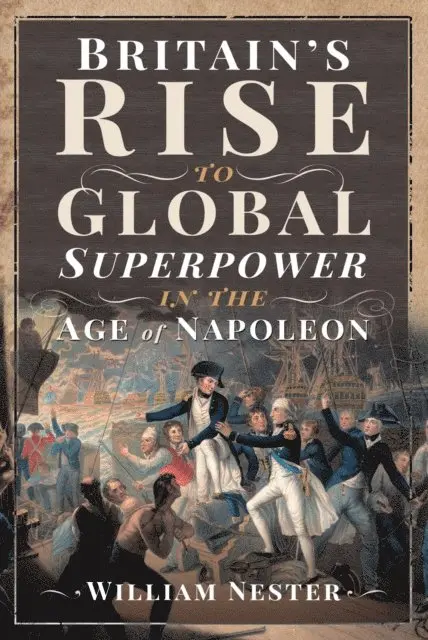
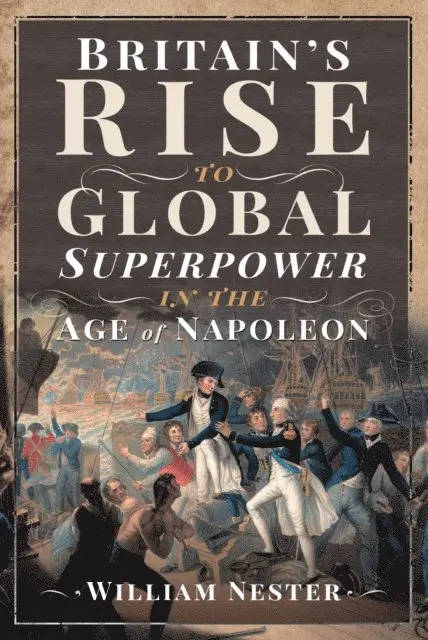
The art of power consists of getting what one wants. That is never more challenging than when a nation is at war. Britain fought a nearly non-stop war against first revolutionary then Napoleonic France from 1793 to 1815\. During those twenty-two years, the British government formed, financed, and led seven coalitions against France. The French inflicted humiliating defeats on the first five coalitions. Eventually Britain and its allies prevailed, not once but twice by vanquishing Napoleon temporarily in 1814 and definitively in 1815.French revolutionaries had created and a new form of warfare, which Napoleon perfected. Never before had a government mobilized so much of a realm's manpower, industry, finance, and patriotism, nor, under Napoleon, wielded it more effectively and ruthlessly to pulverize and conquer one's enemies.Britain struggled up a blood-soaked learning curve to master this new form of warfare. With time the British made the most of their natural strategic and economic advantages. Britons were relatively secure and prosperous in their island realm. British merchants, manufacturers, and financiers dominated global markets. The Royal Navy not only ruled the waves that lapped against the nation's shores but those ploughed by international commerce around the world. Yet even with those assets victory was not inevitable. Two military geniuses are the most vital reasons why Britain and its allies vanquished France when and how they did. General Arthur Wellesley, the Duke of Wellington and Admiral Horatio Nelson respectively mastered warfare on land and at sea.This is the first book of its kind. Of the hundreds of books on the era, none before has explored all of Britain's land and sea campaigns from the first in 1793 to the last in 1815\. In this vividly written and meticulously researched book, readers will experience each level of war from the debates over grand strategy in London to the horrors of combat engulfing soldiers and sailors in distant lands and seas. Haunting voices of participants echo from two centuries ago, culled from speeches, diaries, and letters. _Britain's Rise to Global Superpower in the Age of Napoleon_ reveals how decisively or disastrously the British army and navy wielded the art of military power during the Age of Revolution and Napoleon.
Inbunden, Engelska, 2021
313 kr
Skickas
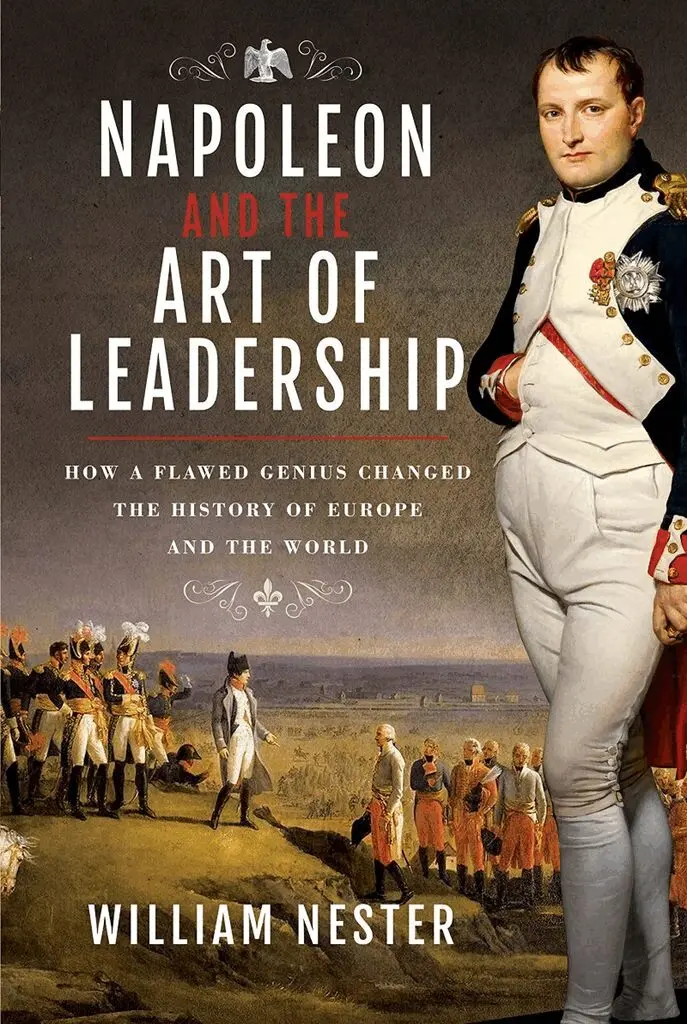
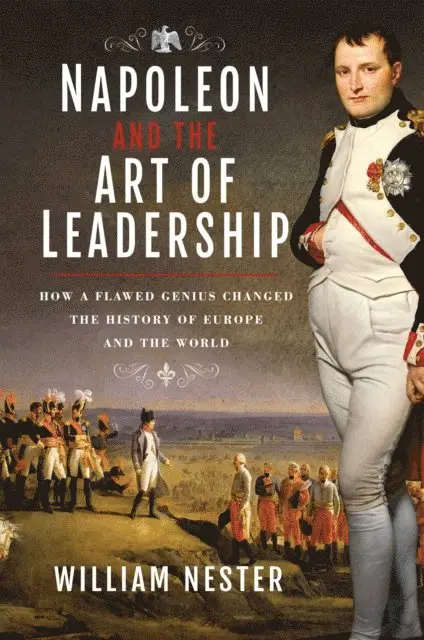
No one in history has provoked more controversy than Napoleon Bonaparte. Was he an enlightened ruler or brutal tyrant? Was he an insatiable warmonger or a defender of France against the aggression of the other great powers. Was he kind or cruel, farsighted or blinkered, a sophisticate or a philistine, a builder or a destroyer? Napoleon was at once all that his partisans laud, his enemies condemn, and much more. He remains fascinating, both because he so dramatically changed the course of history and had such a complex, paradoxical character.One thing is certain, if the art of leadership is about getting what one wants, then Napoleon was among history's greatest masters. He understood and asserted the dynamic relationship among military, economic, diplomatic, technological, cultural, psychological, and thus political power. War was the medium through which he was able to demonstrate his innate skills, leading his armies to victories across Europe. He overthrew France's corrupt republican government in a coup then asserted near dictatorial powers. Those powers were then wielded with great dexterity in transforming France from feudalism to modernity with a new law code, canals, roads, ports, schools, factories, national bank, currency, and standard weights and measures. With those successes, he convinced the Senate to proclaim him France's emperor and even got the pope to preside over his coronation. He reorganized swaths of Europe into new states and placed his brothers and sisters on the thrones.This is Napoleon as has never been seen before. No previous book has explored deeper or broader into his seething labyrinth of a mind and revealed more of its complex, fascinating, provocative, and paradoxical dimensions. Napoleon has never before spoken so thoroughly about his life and times through the pages of a book, nor has an author so deftly examined the veracity or mendacity of his words. Within are dimensions of Napoleon that may charm, appall, or perplex, many buried for two centuries and brought to light for the first time._Napoleon and the Art of Leadership_ is a psychologically penetrating study of the man who had such a profound effect on the world around him that the entire era still bears his name.
Häftad, Engelska, 2028
175 kr
Kommande
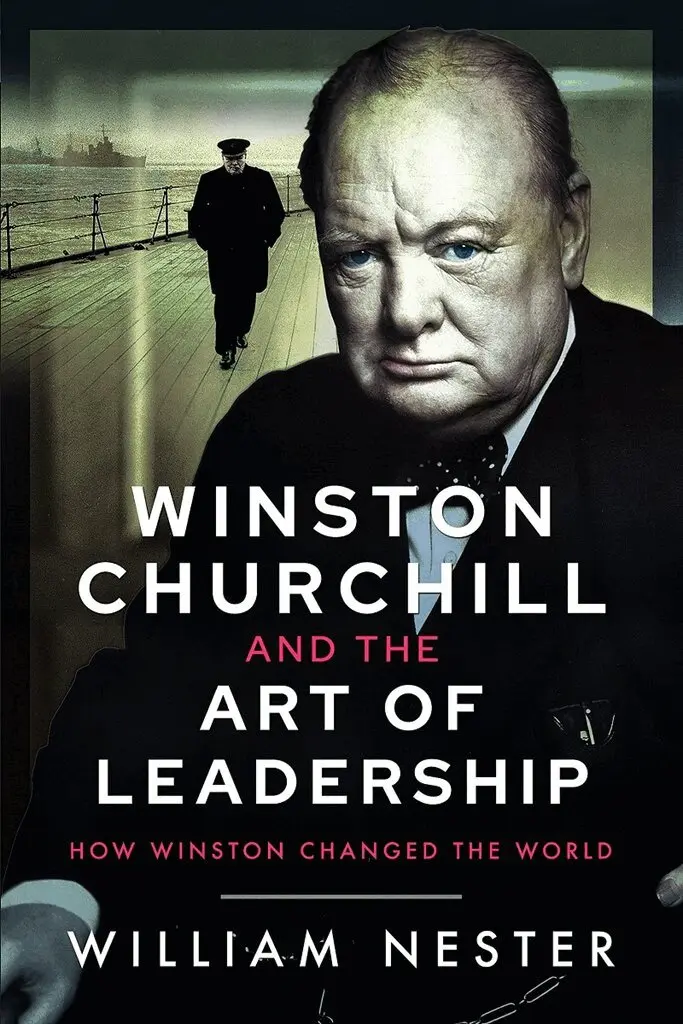
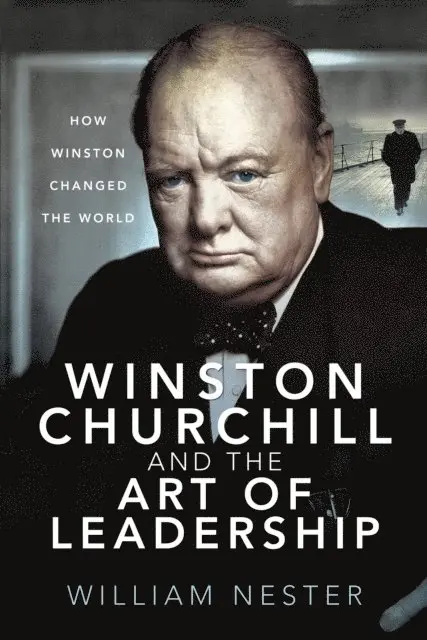
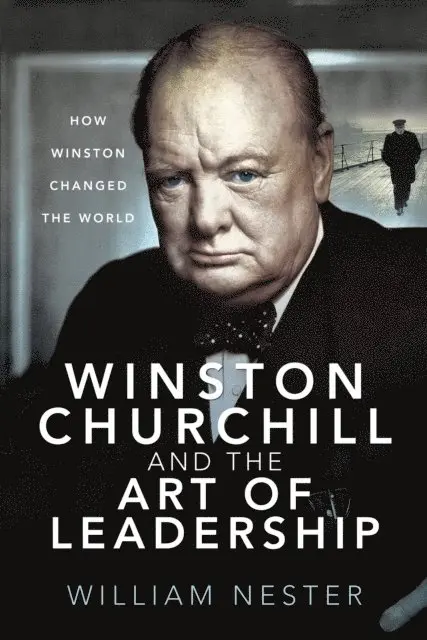
Many indeed, are the biographies of Winston Churchill, one of the most influential figures of the twentieth century. But what was that influence and how did he use it in the furtherance of his and his country's ambitions? For the first time, Professor William Nestor has delved into the life and actions of Churchill to examine just how skillfully he manipulated events to placed him in positions of power.His thirst for power stirred political controversy wherever he intruded. Those who had to deal directly with him either loved or hated him. His enemies condemned him for being an egoist, publicity hound, double-dealer, and Machiavellian, accusations that his friends and even he himself could not deny. He could only serve Britain as a statesman and a reformer because he was a wily politician who won sixteen of twenty-one elections that he contested between 1899 and 1955. The House of Commons was Churchill's political temple where he exalted in the speeches and harangues on the floor and the backroom horse-trading and comradery. Most of his life he was a Cassandra, warning against the threats of Communism, Nazism, and nuclear Armageddon. With his ability to think beyond mental boxes and connect far-flung dots, he clearly foretold events to which virtually everyone else was oblivious. Yet he was certainly not always right and was at times spectacularly wrong.This is the first book that explores how Churchill understood and asserted the art of power, mostly through hundreds of his own insights expressed through his speeches and writings.
Inbunden, Engelska, 2012
464 kr
Skickas inom 3-6 vardagar
From 1789 to 1800, the Federalist and Republican parties held opposing visions for America's future. Led by Alexander Hamilton, the Federalists sought to establish a strong central government that would lead an American commercial, financial, technological, industrial, and military revolution, and thus propel the United States into the ranks of the world's great powers. Thomas Jefferson and the Republicans feared that new wealth, power, and competing interests would corrupt the classic republic they envisioned. Instead, they extolled the romantic notion of a republic of yeoman farmers, states' rights, and frontiers defended by militias and gunboats, all presided over by a weak federal government. Hamilton's vision largely prevailed in battles with the Republicans over the Bank of the United States, the role and composition of the army and navy, the Whiskey Rebellion, the French Revolution, the Indian war in the Northwest Territory, British confiscations of American ships and sailors, the Jay and Pinckney treaties, and a "quasi" naval war with France, among other conflicts. But, ultimately, Jefferson and his Republican Party would triumph in the 1800 election and permanently eclipse the Federalists. Historians and general readers alike will be riveted by William Nester's portrayal of the struggle between Federalists and Republicans—a conflict whose core issues resonate in the divisive politics of today's America.
Inbunden, Engelska, 2013
337 kr
Skickas inom 5-8 vardagar
The Jeffersonian Vision, 1801–1815, reveals how the nation’s leaders understood and asserted power during those crucial years between Thomas Jefferson’s inauguration as the third president and the firing of the last shots at the Battle of New Orleans. Seeking to overcome the bitter political animosities that had plagued the years leading up to his presidency, Jefferson declared in his inaugural address that “we are all Federalists, we are all Republicans.” His words proved to be prescient. The Republican Party, soon to be renamed the Democratic Party, would dominate American politics for another half century. Most Americans laud Jefferson’s presidency for the purchase of the Louisiana Territory, which extended the United States westward to the Rocky Mountains, and for the launch of the Lewis and Clark expedition, which journeyed to the Pacific Ocean and back. But critics then and since have blasted Jefferson and his immediate successor, James Madison, for a series of ideologically driven blunders. Jefferson envisioned a largely autarkic nation with yeoman farmers serving as its economic and political backbone. That notion was at odds with an America whose wealth was increasingly gleaned from foreign markets. The Republican policy of wielding partial or complete trade embargos as a diplomatic weapon repeatedly backfired, inflicting grievous damage on America’s economy and culminating with an unnecessary war with Britain that was devastating to America’s power and wealth, if not its honor. Despite their philosophical and political differences, Federalists and Republicans alike proved capable enough at the art of power when they headed the nation. They implemented a spectrum of mostly appropriate means, first to win independence and then to consolidate and eventually expand American wealth and territory. Readers today will recognize the roots of red state/blue state conflict in these earliest competing visions of the roots of American power-and of what America might be.
Inbunden, Engelska, 2012
296 kr
Skickas inom 5-8 vardagar
Haunted Victory: The American Crusade to Destroy Saddam and Impose Democracy on Iraq explores the dynamic trajectory of beliefs, actions, and their consequences in what will forever be debated as among the most controversial and costly operations in U.S. history in terms of security, power, wealth, and honor. While many others have written about the Iraq War, William Nester unveils the moral dilemmas that entangled the George W. Bush administration and the American public through each stage of planning, selling, fighting, and attempting to end the Iraq War.Nester includes vivid revelations of the administration’s internal tugs-of-war over whether to invade Iraq and then how to fight the war. Nester pulls no punches and discloses who deserves credit for what went right and who deserves condemnation for what went wrong. In his engaging style, Nester has written a page-turner. General readers, students, and experts alike will eagerly welcome Haunted Victory for its concise and comprehensive analysis of the key facets of the Iraq War.
Inbunden, Engelska, 2012
327 kr
Skickas inom 5-8 vardagar
Insurgencies are like the hydra, the many-headed beast of Greek mythology. Once one begins, the measures a government takes to eliminate militants—to cut off the insurgency's head—can provoke countless others to join the enemy ranks. Tactical victories often breed strategic defeats. Traditional "search, destroy, and withdraw" missions that rely on firepower to wipe out rebels frequently destroy the livelihoods and loved ones of innocent people caught in the cross fire. U.S. troops have seen the pattern repeated as their initially successful offensives toppled enemy regimes in Afghanistan and Iraq but soon transformed into grueling guerrilla wars.Hearts, Minds, and Hydras outlines the reasons for these worsening situations. The most crucial were self-defeating decisions made by the George W. Bush administration, whose neoconservatism and hubris rather than careful analysis of genuine threats, national interests, and reasonable options shaped its policies. Although the Americans were eventually able to contain and diminish the insurgency in Iraq, the one in Afghanistan not only steadily intensified but also spread into neighboring Pakistan. The near abandonment of the war in Afghanistan and the neoconservative campaign in Iraq were godsends for al Qaeda and all other enemies of the United States. Then, as America's position deteriorated in both wars, the neoconservatives became even more determined to stay the course. William Nester analyzes some of the more prominent dilemmas haunting American policymakers now struggling to win in Afghanistan, fight terrorism in the United States, and reshape their relationship with Pakistan. In doing so, he reveals the nature of that all-too-real monster of insurgency, what feeds it, and how to starve it.
Inbunden, Engelska, 2013
522 kr
Skickas inom 3-6 vardagar
As William Nester asserts in The Age of Jackson, it takes quite a leader to personify an age. A political titan for thirty-three years (1815–1848), Andrew Jackson possessed character, beliefs, and acts that dominated American politics. Although Jackson returned to his Tennessee plantation in March 1837 after serving eight years as president, he continued to overshadow American politics. Two of his protégés, Martin "the Magician" van Buren and James "Young Hickory" Polk, followed him to the White House and pursued his agenda. Jackson provoked firestorms of political passions throughout his era. Far more people loved than hated him, but the fervor was just as pitched either way. Although the passions have subsided, the debate lingers. Historians are split over Jackson's legacy. Some extol him as among America's greatest presidents, citing his championing of the common man, holding the country together during the nullification crisis, and eliminating the national debt. Others excoriate him as a mean-spirited despot who shredded the Constitution and damaged the nation's development by destroying the Second Bank of the United States, defying the Supreme Court, and grossly worsening political corruption through his spoils system. Still others condemn his forcibly expelling more than forty thousand Native Americans from their homes and along the Trail of Tears, which led far west of the Mississippi River, with thousands perishing along the way. In his clear-eyed assessment of one of the most divisive leaders in American history, Nester provides new insight into the age-old debate about the very nature of power itself.
Inbunden, Engelska, 2014
532 kr
Skickas inom 3-6 vardagar
Although Abraham Lincoln was among seven presidents who served during the tumultuous years between the end of the Mexican War and the end of the Reconstruction era, history has not been kind to the others: Zachary Taylor, Millard Fillmore, Franklin Pierce, James Buchanan, Andrew Johnson, and Ulysses S. Grant. In contrast, history sees Abraham Lincoln as a giant in character and deeds. During his presidency, he governed brilliantly, developed the economy, liberated four million people from slavery, reunified the nation, and helped enact the Homestead Act, among other accomplishments. He proved to be not only an outstanding commander in chief but also a skilled diplomat, economist, humanist, educator, and moralist. Lincoln achieved that and more because he was a master of the art of American power. He understood that the struggle for hearts and minds was the essence of politics in a democracy. He asserted power mostly by appealing to people's hopes rather than their fears. All along he tried to shape rather than reflect prevailing public opinions that differed from his own. To that end, he was brilliant at bridging the gap between progressives and conservatives by reining in the former and urging on the latter. His art of power ultimately reflected his unswerving devotion to the Declaration of Independence's principles and the Constitution's institutions, or as he so elegantly expressed it, "to a government of the people, by the people, and for the people."