William Penuel - Böcker
Visar alla böcker från författaren William Penuel. Handla med fri frakt och snabb leverans.
4 produkter
4 produkter
604 kr
Skickas inom 10-15 vardagar
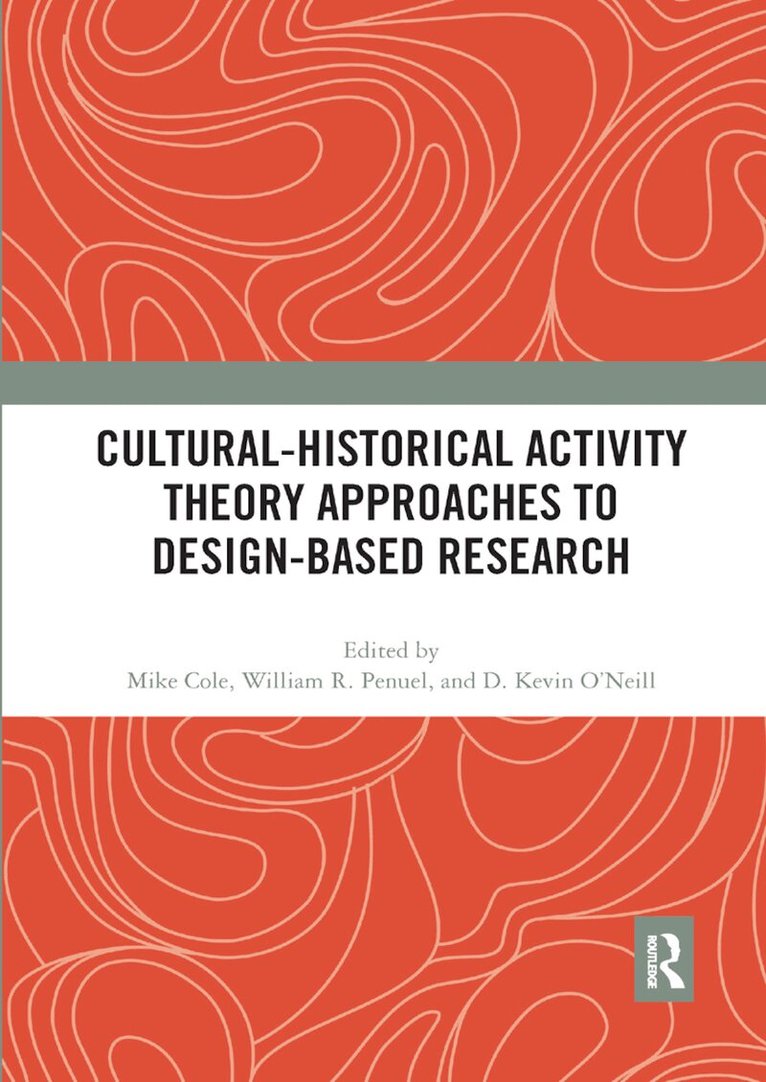
Most intervention research in education aims to demonstrate the efficacy of specific programs and practices. The assumption is that if researchers can produce evidence-based programs that work in a variety of settings, educators will take them up on a large scale. Unfortunately, this approach largely neglects the role that out-of-school experiences can and do play in learning, and assumes that contexts are peripheral to intervention success. However, we know from decades of research that contexts profoundly shape the nature and effects of interventions. Further, researchers may produce interventions that are not usable or sustainable when they do so without incorporating the voices of educators, community members, and families.Design-based research offers a more collaborative approach to organizing for equitable educational change. This approach to developing and testing innovations in classrooms (and other settings) intertwines design and research closely. The essays in this volume draw on inspiration from the work of L.S. Vygotsky and his colleagues, highlighting ways that design research can foreground cultural, historical, and institutional processes as central constituents of learning.Each essay considers concrete ways that institutional contexts shape interventions; how design can support the agency of local participants in developing new learning arrangements and resources; and how communities can organize both with and without researcher-interventionists to address historical inequities linked to race, language, and poverty. As an ensemble, these essays offer productive new approaches for expanding design research methodologies to encompass both issues and contexts that have often been absent in most learning sciences research. This book was originally published as a special issue of The Journal of the Learning Sciences.
2 044 kr
Skickas inom 10-15 vardagar
Most intervention research in education aims to demonstrate the efficacy of specific programs and practices. The assumption is that if researchers can produce evidence-based programs that work in a variety of settings, educators will take them up on a large scale. Unfortunately, this approach largely neglects the role that out-of-school experiences can and do play in learning, and assumes that contexts are peripheral to intervention success. However, we know from decades of research that contexts profoundly shape the nature and effects of interventions. Further, researchers may produce interventions that are not usable or sustainable when they do so without incorporating the voices of educators, community members, and families.Design-based research offers a more collaborative approach to organizing for equitable educational change. This approach to developing and testing innovations in classrooms (and other settings) intertwines design and research closely. The essays in this volume draw on inspiration from the work of L.S. Vygotsky and his colleagues, highlighting ways that design research can foreground cultural, historical, and institutional processes as central constituents of learning.Each essay considers concrete ways that institutional contexts shape interventions; how design can support the agency of local participants in developing new learning arrangements and resources; and how communities can organize both with and without researcher-interventionists to address historical inequities linked to race, language, and poverty. As an ensemble, these essays offer productive new approaches for expanding design research methodologies to encompass both issues and contexts that have often been absent in most learning sciences research. This book was originally published as a special issue of The Journal of the Learning Sciences.
1 435 kr
Skickas inom 10-15 vardagar
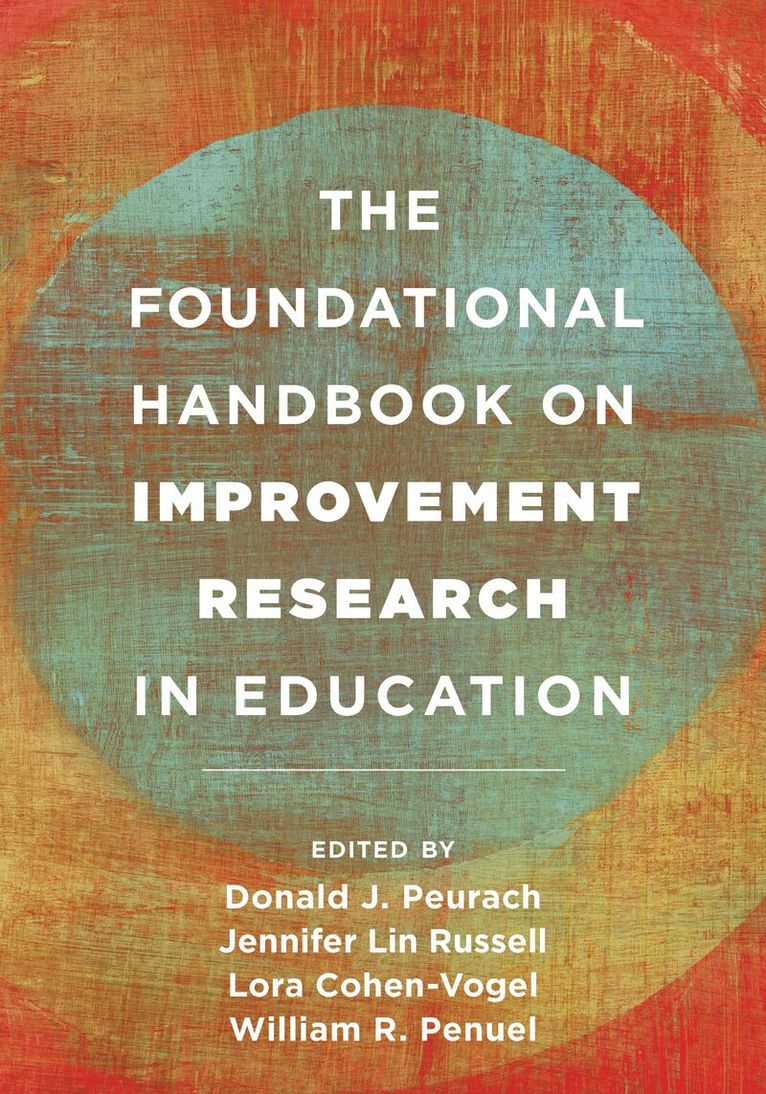
The Foundational Handbook on Improvement Research in Education is a pathbreaking effort to build a field of research committed to producing the practical knowledge needed to advance educational access, quality, and equity. This is research distinguished by the use of inclusive, iterative approaches to analysis, design, implementation, and evaluation to understand and address educational opportunities, needs, and problems grounded deeply in school and community contexts. Designed for researchers, students, and educators, the handbook elaborates the intellectual foundations, explores the organizational and policy contexts, reviews approaches, and examines methods of improvement research. It features contributions from a plural community of researchers with expertise in the learning sciences, instructional improvement, organizational and policy studies, and research methodologies, many with extensive experience collaborating with teachers, leadership, families, and advocates in local problem solving and design.
500 kr
Skickas inom 10-15 vardagar
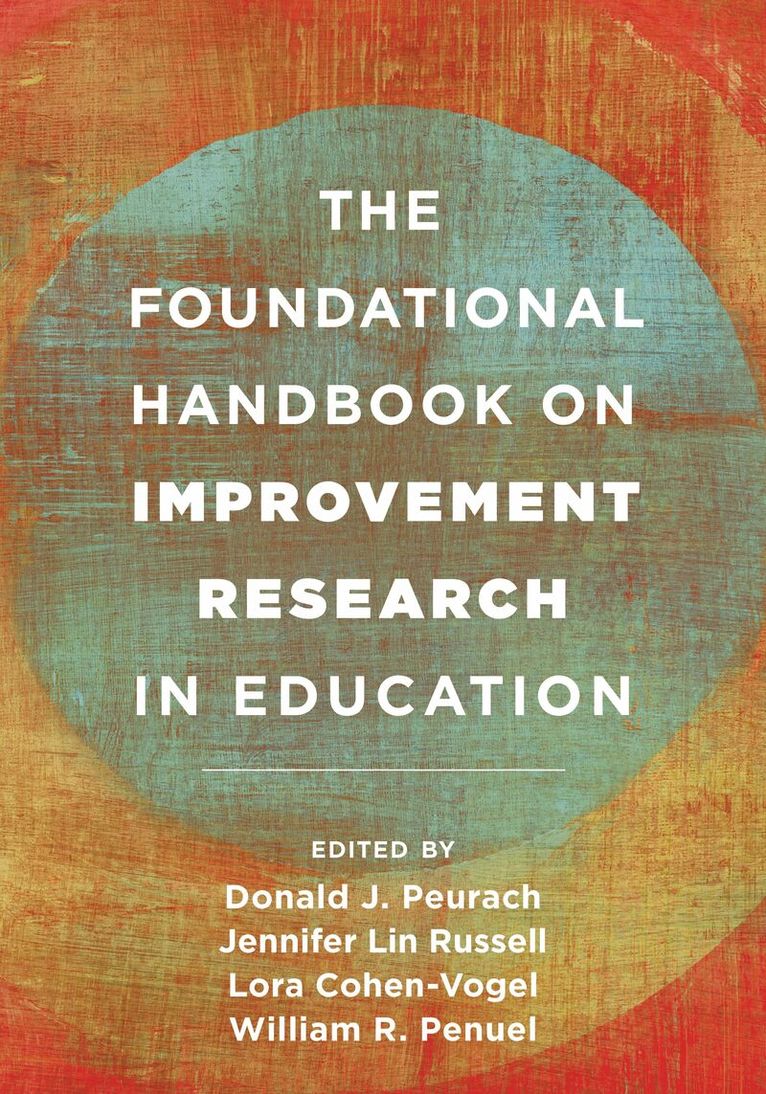
The Foundational Handbook on Improvement Research in Education is a pathbreaking effort to build a field of research committed to producing the practical knowledge needed to advance educational access, quality, and equity. This is research distinguished by the use of inclusive, iterative approaches to analysis, design, implementation, and evaluation to understand and address educational opportunities, needs, and problems grounded deeply in school and community contexts. Designed for researchers, students, and educators, the handbook elaborates the intellectual foundations, explores the organizational and policy contexts, reviews approaches, and examines methods of improvement research. It features contributions from a plural community of researchers with expertise in the learning sciences, instructional improvement, organizational and policy studies, and research methodologies, many with extensive experience collaborating with teachers, leadership, families, and advocates in local problem solving and design.