William W. Haddad – författare
Visar alla böcker från författaren William W. Haddad. Handla med fri frakt och snabb leverans.
5 produkter
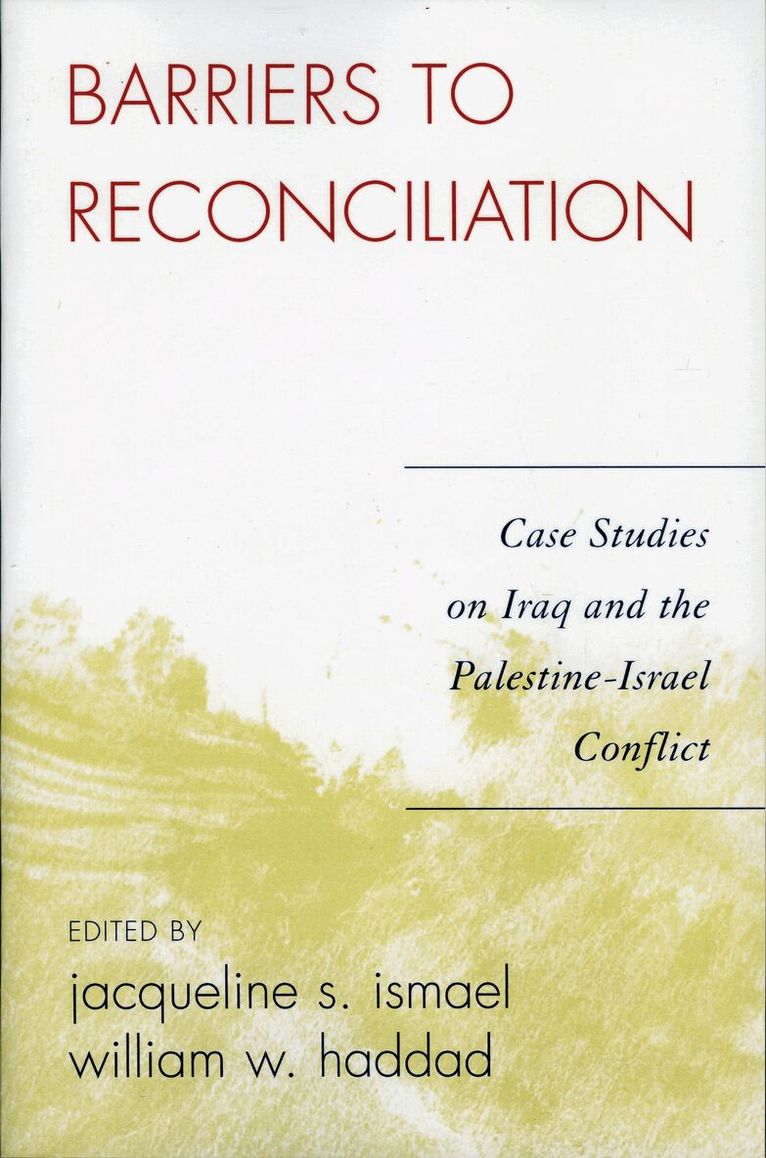
Barriers to Reconciliation
Case Studies on Iraq and the Palestine-Israel Conflict
Av Jacqueline S. Ismael, William W. Haddad
Häftad, 2006
784 kr
Lägg i varukorg
This work features a collection of essays regarding patterns of conflict, settlement, and political reconstruction in Palestine, Israel, and Iraq. The case studies in this volume represent the individual efforts of scholars to address issues underlying conflict in these troubled nations. The …
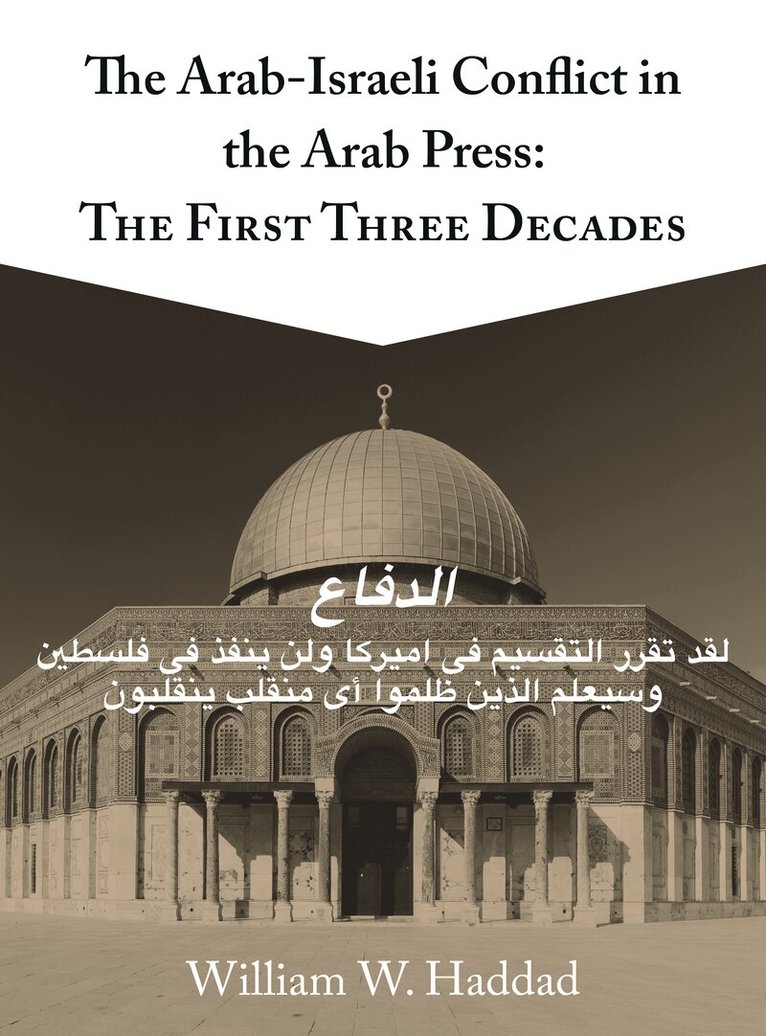
Arab-Israeli Conflict in the Arab Press
The First Three Decades
E-bok, 2018
396 kr
Lägg i varukorg
This monograph provides a much-needed history of the Arab print media as well as an in-depth study of translated Arab media sources, remedying a remarkable gap in Western intellectual culture. Setting the scene, the manuscript begins with a brief historical narrative of Arab newspapers from the …
Arab-Israeli Conflict in the Arab Press
The First Three Decades
E-bok, 2018
409 kr
Lägg i varukorg
This monograph provides a much-needed history of the Arab print media as well as an in-depth study of translated Arab media sources, remedying a remarkable gap in Western intellectual culture. Setting the scene, the manuscript begins with a brief historical narrative of Arab newspapers from the …
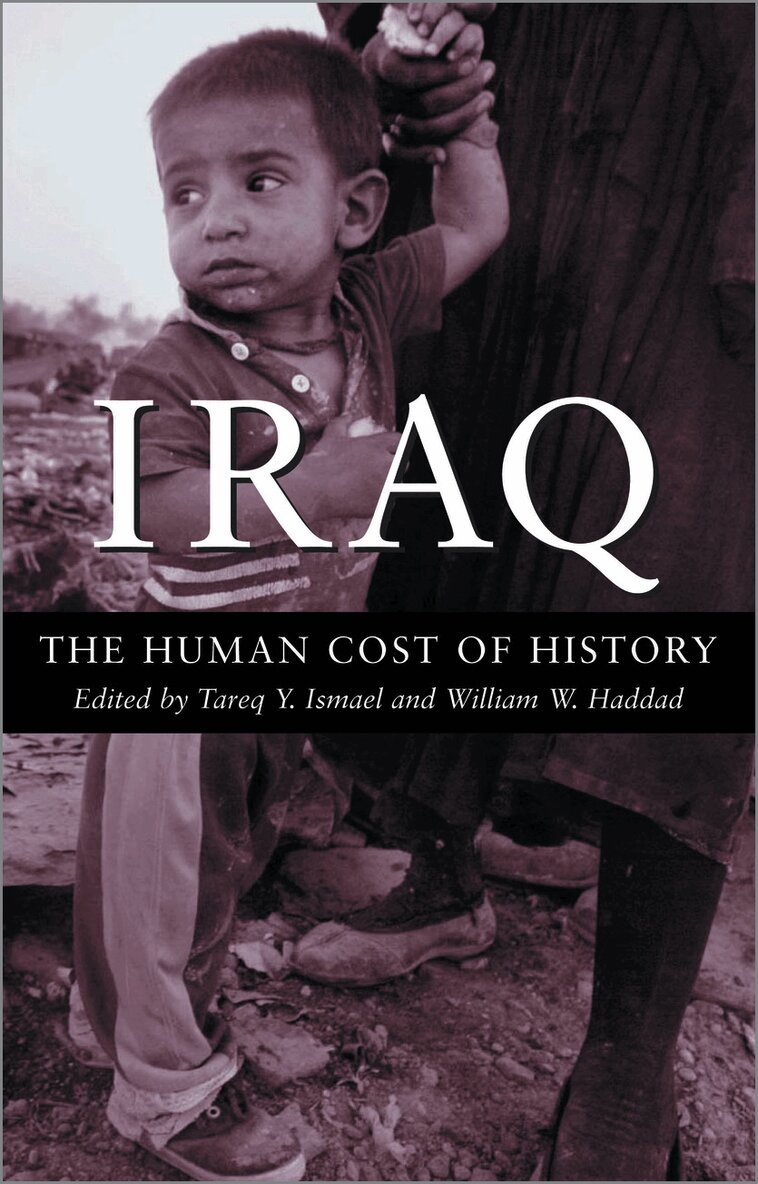
Iraq
The Human Cost of History
Av Tareq Y. Ismael, William W. Haddad
Inbunden, 2003
972 kr
Tillfälligt slut
The people of Iraq have suffered for more than a decade from the most severe sanctions ever imposed on any nation in history. United Nations' sanctions against Iraq began in August 1990, as an attempt to force Iraq out of Kuwait. This book reveals why the sanctions regime has failed in its most …
Arab-Israeli Conflict in the Arab Press
The First Three Decades
Häftad, 2018
379 kr
Tillfälligt slut
This monograph provides a much-needed history of the Arab print media as well as an in-depth study of translated Arab media sources, remedying a remarkable gap in Western intellectual culture. Setting the scene, the manuscript begins with a brief historical narrative of Arab newspapers from the …