Willy A Schmid – författare
Visar alla böcker från författaren Willy A Schmid. Handla med fri frakt och snabb leverans.
7 produkter
7 produkter
Häftad, Engelska, 2011
455 kr
Skickas inom 10-15 vardagar
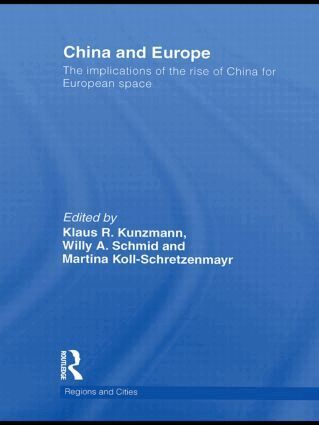
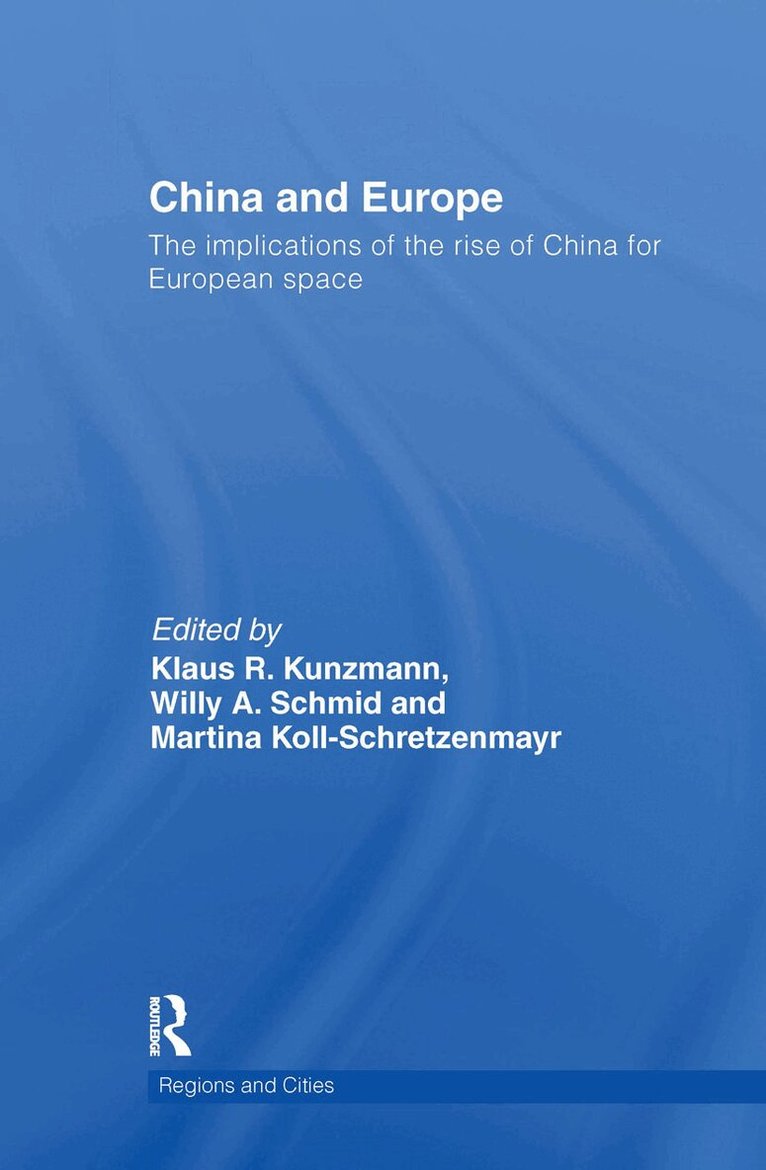
What are the likely long-term implications of this shift to Asia for the cities and regions of Europe? To just ‘wait and see’ cannot be the response, nor the hope that the attractiveness of Asia will diminish over time and that the economic growth will slow down. Will Europe be able to retain its economic power? There is a need to think about possible futures for the cities and regions of Europe when industrial production is reduced, when high-tech and bio-tech industries do not compensate for the loss of industrial jobs, when Europe’s supremacy in financial services is eroding, or even when Chinese capital is investing in Europe to exploit the territorial capital of the ‘old’ continent. China and Europe address the challenges for the cities and regions of Europe that may be the consequences of such development trends. Contributions by policy-makers and academic observers will prepare the ground for debating the dimensions ‘economy’, ‘knowledge and culture’, ‘environment and mobility’, ‘quality of life’, and ‘governance’ of this challenge.
Inbunden, Engelska, 2009
1 478 kr
Skickas inom 10-15 vardagar
What are the likely long-term implications of this shift to Asia for the cities and regions of Europe? To just ‘wait and see’ cannot be the response, nor the hope that the attractiveness of Asia will diminish over time and that the economic growth will slow down. Will Europe be able to retain its economic power? There is a need to think about possible futures for the cities and regions of Europe when industrial production is reduced, when high-tech and bio-tech industries do not compensate for the loss of industrial jobs, when Europe’s supremacy in financial services is eroding, or even when Chinese capital is investing in Europe to exploit the territorial capital of the ‘old’ continent. China and Europe address the challenges for the cities and regions of Europe that may be the consequences of such development trends. Contributions by policy-makers and academic observers will prepare the ground for debating the dimensions ‘economy’, ‘knowledge and culture’, ‘environment and mobility’, ‘quality of life’, and ‘governance’ of this challenge.
E-bok
Engelska, 2009524 kr
Läs direkt efter köp
China and Europe addresses the challenges for the cities and regions of Europe that may be the consequences of such development trends.
E-bok
PDF, Engelska, 2009519 kr
Läs direkt efter köp
China and Europe addresses the challenges for the cities and regions of Europe that may be the consequences of such development trends.
Inbunden, Engelska, 2004
1 090 kr
Skickas inom 10-15 vardagar
Hans van Ginkel Rector, United Nations University The challenges of the world's future are linked to the growing share of the global population that will reside in urban areas. UN projections indicate that by 2030 the world's urban population share will rise to 60 percent. Of the two billion added to the global population, 99 percent will be added to the urban areas of the world. Of this number, 95 percent will be in countries of the developing world. As most people will live in urban areas we had better work to build and organize them as both attractive and less resource consuming places. That is, to promote sustainable urban development is to promote the creation of dense human settlements that are livable and have reduced their impacts on larger scale ecosystems. While much attention has been focused on the "mega-cities," those with a population of over 10 million, the amount of people living in these places will remain almost constant while the smaller and medium size cities will be the great absorbers of the world's urban population. Indeed, it is predicted that while the absolute number of people that will live in urban centers of 10 million or more will increase from approximately 263 to 375 million between 2000 and 20 IS, their share of the total urban population will only increase from 9. 2 percent to 9. 8 percent, a 6. 34 percent increase.
E-bok
PDF, Engelska, 20131 408 kr
Läs direkt efter köp
Hans van Ginkel Rector, United Nations University The challenges of the world''s future are linked to the growing share of the global population that will reside in urban areas. UN projections indicate that by 2030 the world''s urban population share will rise to 60 percent. Of the two billion added to the global population, 99 percent will be added to the urban areas of the world. Of this number, 95 percent will be in countries of the developing world. As most people will live in urban areas we had better work to build and organize them as both attractive and less resource consuming places. That is, to promote sustainable urban development is to promote the creation of dense human settlements that are livable and have reduced their impacts on larger scale ecosystems. While much attention has been focused on the "mega-cities," those with a population of over 10 million, the amount of people living in these places will remain almost constant while the smaller and medium size cities will be the great absorbers of the world''s urban population. Indeed, it is predicted that while the absolute number of people that will live in urban centers of 10 million or more will increase from approximately 263 to 375 million between 2000 and 20 IS, their share of the total urban population will only increase from 9. 2 percent to 9. 8 percent, a 6. 34 percent increase.
Del 5 - Alliance for Global Sustainability Bookseries
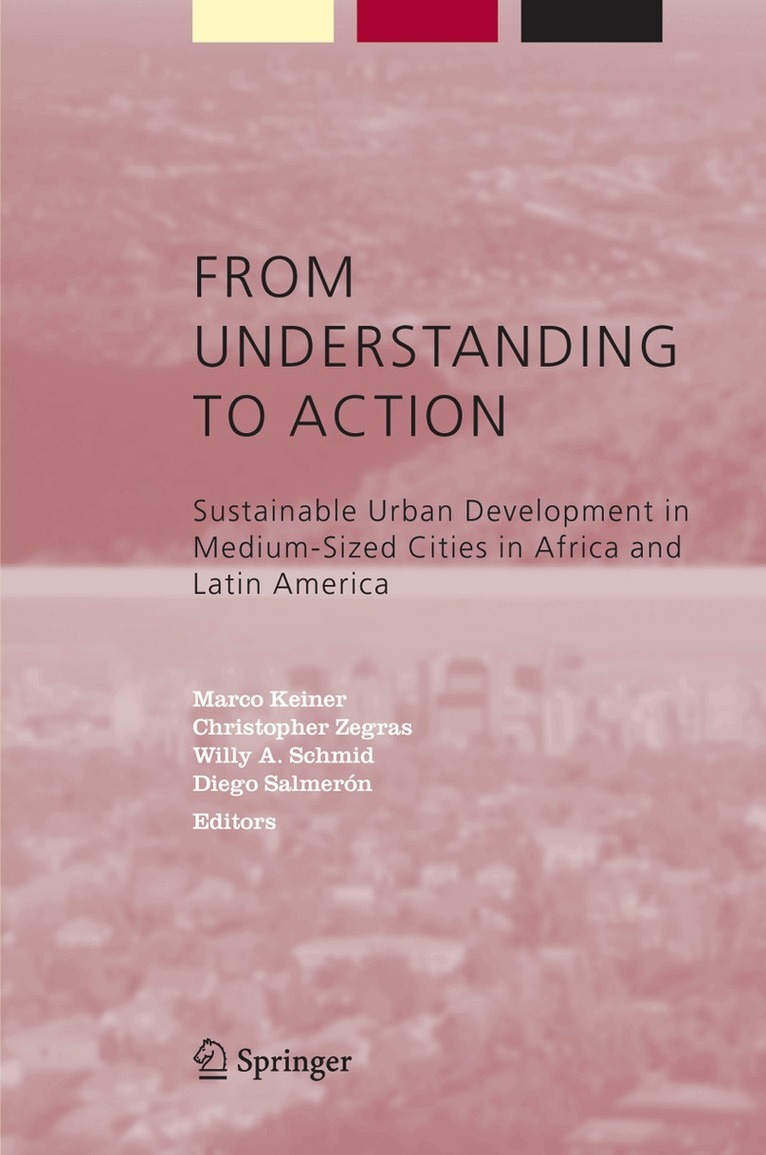
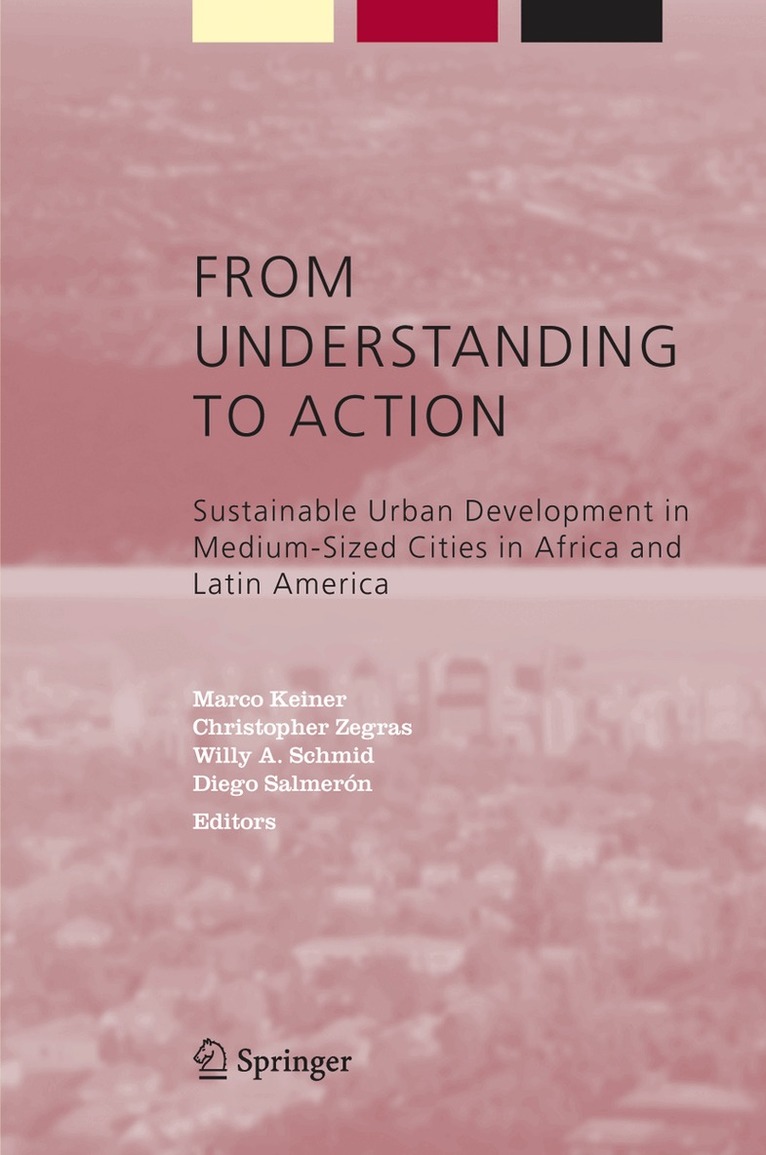
From Understanding to Action
Sustainable Urban Development in Medium-Sized Cities in Africa and Latin America
Häftad, Engelska, 2010
1 090 kr
Skickas inom 10-15 vardagar
Hans van Ginkel Rector, United Nations University The challenges of the world's future are linked to the growing share of the global population that will reside in urban areas. UN projections indicate that by 2030 the world's urban population share will rise to 60 percent. Of the two billion added to the global population, 99 percent will be added to the urban areas of the world. Of this number, 95 percent will be in countries of the developing world. As most people will live in urban areas we had better work to build and organize them as both attractive and less resource consuming places. That is, to promote sustainable urban development is to promote the creation of dense human settlements that are livable and have reduced their impacts on larger scale ecosystems. While much attention has been focused on the "mega-cities," those with a population of over 10 million, the amount of people living in these places will remain almost constant while the smaller and medium size cities will be the great absorbers of the world's urban population. Indeed, it is predicted that while the absolute number of people that will live in urban centers of 10 million or more will increase from approximately 263 to 375 million between 2000 and 20 IS, their share of the total urban population will only increase from 9. 2 percent to 9. 8 percent, a 6. 34 percent increase.