Wim van Meurs – författare
Visar alla böcker från författaren Wim van Meurs. Handla med fri frakt och snabb leverans.
6 produkter
Enlarged EU – Enlarged Neighbourhood
Perspectives of the European Neighbourhood Policy
Av Nicolas Hayoz, Leszek Jesien m. fl.
Häftad, 2005
1055 kr
Lägg i varukorg
Since May 2004 the European Union borders countries that have not yet accomplished their transformation process or are still struggling for stability.These countries are now the neighbours of the European Union, but are they also candidates for accession? The European Neighbourhood policy is a …
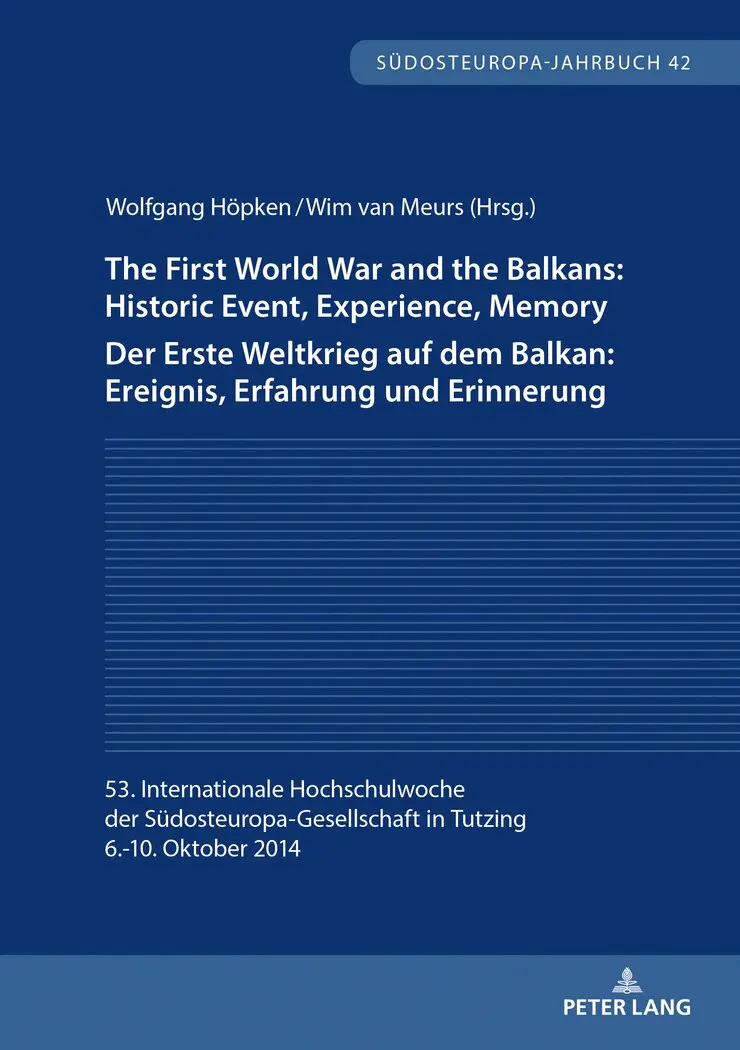
First World War and the Balkans: Historic Event, Experience, Memory Der Erste Weltkrieg auf dem Balkan: Ereignis, Erfahrung und Erinnerung
53. Internationale Hochschulwoche der Suedosteuropa-Gesellschaft in Tutzing 6.-10. Oktober 2014
Av Wolfgang Höpken, Wim van Meurs
Häftad, 2018
848 kr
Lägg i varukorg
The centenary of the „Great War" not only inspired the memory on this "great seminal catastrophe of this century", but has also reopened the question of its interpretation and description. Within these discussions the Balkans have also gained an increased importance. Following the concept of a …
Prospects and Risks Beyond EU Enlargement
Southeastern Europe: Weak States and Strong International Support
E-bok, 2013
734 kr
Lägg i varukorg
Werner Weidenfeld Since the signing of the Treaties of Rome in 1957, Western European history has been an ongoing process integrating and enlarging European institutions. Over the course of that time, the institutions now known as the European Union have become a major pillar for the security and …
Prospects and Risks Beyond EU Enlargement
Southeastern Europe: Weak States and Strong International Support
Häftad, 2003
552 kr
Lägg i varukorg
Werner Weidenfeld Since the signing of the Treaties of Rome in 1957, Western European history has been an ongoing process integrating and enlarging European institutions. Over the course of that time, the institutions now known as the European Union have become a major pillar for the security and …
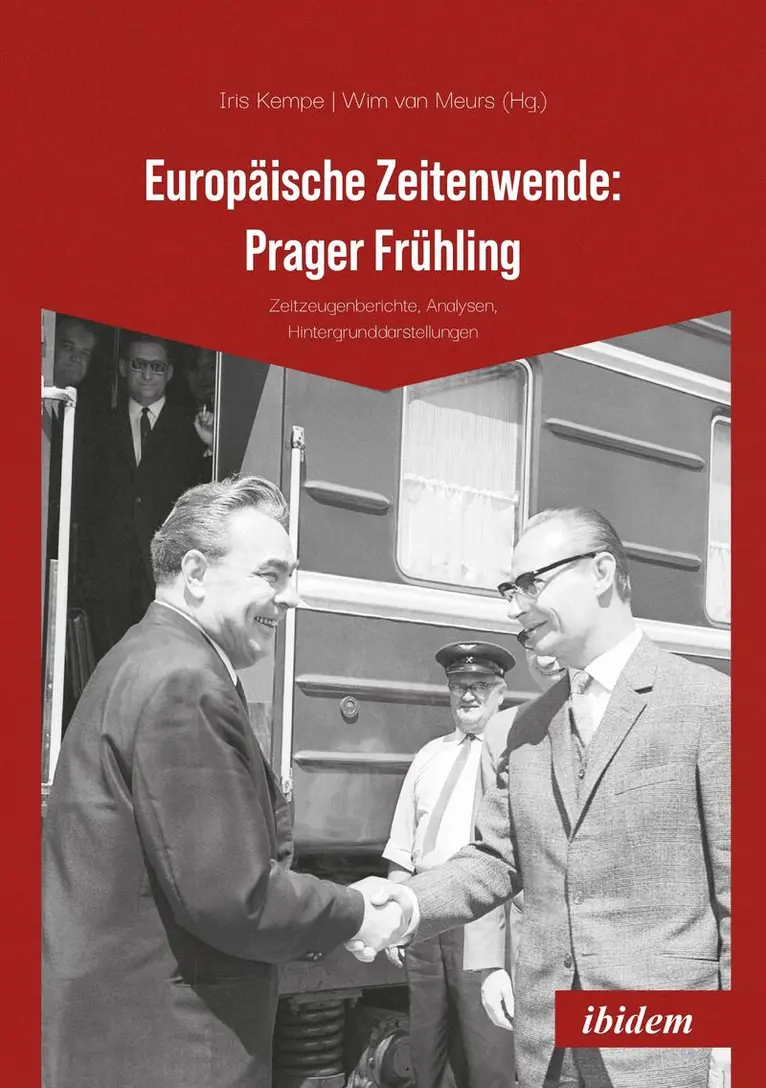
Europäische Zeitenwende: Prager Frühling
Zeitzeugenberichte, Analysen, Hintergrunddarstellungen
Häftad, 2021
300 kr
Lägg i varukorg
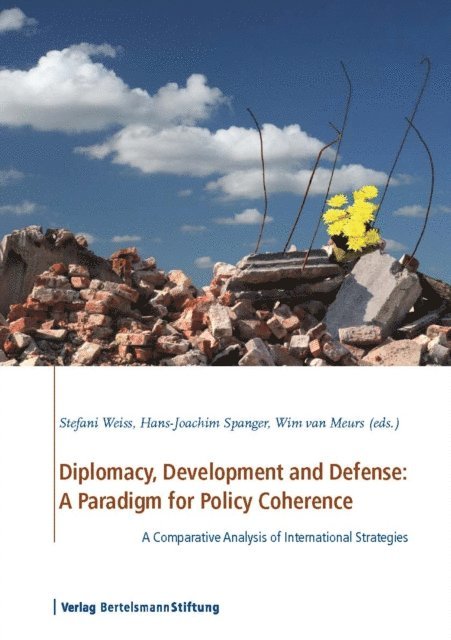
Diplomacy, Development and Defense: A Paradigm for Policy Coherence
A Comparative Analysis of International Strategies
Av Wim van Meurs, Hans-Joachim Spanger m. fl.
E-bok, 2010
45 kr
Lägg i varukorg
The end of the Cold War radically changed both classic policies of national and collective security and international strategies for conflict management and the stabilization of precarious states. The threat of Islamic extremism and the wars in Afghanistan and Iraq have shattered any illusions of a …