Wolfgang Schivelbusch – författare
Visar alla böcker från författaren Wolfgang Schivelbusch. Handla med fri frakt och snabb leverans.
12 produkter
12 produkter
Häftad, Svenska, 1998
175 kr
Skickas
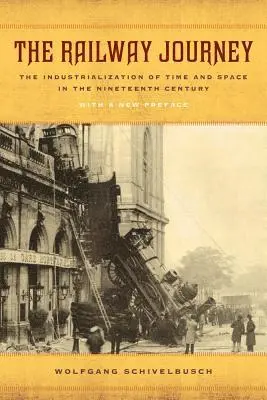
Wolfgang Schivelbusch tar i Järnvägsresandets historia läsaren med på en ständigt överraskande färd genom det nya samhälle som järnvägsresandet skapat. Järnvägen bidrog inte bara till att bana väg för den industriella revolutionen, utan ändrade också människors vardagsliv och sociala relationer, deras upplevelser av tid och rum. Hans studie över järnvägsepoken är ett viktigt bidrag till civilisationsprocessens historia och den visar hur tekniska nydaningar medfört förändringar i den moderna människans psykiska struktur. Den första svenska utgåvan av boken har länge varit slutsåld. I Arkivs utgåva har Gunnar Sandin sett över sin gamla äversättning och försett boken med ett kapitel om järnvägsresandets historia i Sverige.
Häftad, Engelska, 1995
355 kr
Skickas inom 5-8 vardagar
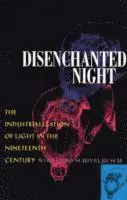
Tells the story of the development of artificial light in the nineteenth century. This title reveals the ways that the technology of artificial illumination helped forge modern consciousness. It discusses a range of subject including the political symbolism of street lamps, the rise of night-life and the shop window, and more.
Häftad, Engelska, 2004
320 kr
Skickas inom 3-6 vardagar
Häftad, Engelska, 2011
228 kr
Skickas inom 5-8 vardagar
Häftad, Engelska
535 kr
Skickas inom 3-6 vardagar
Del 18 - Weimar & Now: German Cultural Criticism
In a Cold Crater
Cultural and Intellectual Life in Berlin, 1945-1948
Häftad, Engelska, 2018
483 kr
Skickas inom 5-8 vardagar
Although the three conspicuous cultures of Berlin in the twentieth century—Weimar, Nazi, and Cold War—are well documented, little is known about the years between the fall of the Third Reich and the beginning of the Cold War. In a Cold Crater is the history of this volatile postwar moment, when the capital of the world's recently defeated public enemy assumed great emotional and symbolic meaning.This is a story not of major intellectual and cultural achievements (for there were none in those years), but of enormous hopes and plans that failed. It is the story of members of the once famous volcano-dancing Berlin intelligentsia, torn apart by Nazism and exile, now re-encountering one another. Those who had stayed in Berlin in 1933 crawled out of the rubble, while many of the exiles returned with the Allied armies as members of the various cultural and re-educational units. All of them were eager to rebuild a neo-Weimar republic of letters, arts, and thought. Some were highly qualified and serious. Many were classic opportunists. A few came close to being clowns. After three years of "carnival," recreated by Schivelbusch in all its sound and fury, they were driven from the stage by the Cold War.As Berlin once again becomes the German capital, Schivelbusch's masterful cultural history is certain to captivate historians and general readers alike.This title is part of UC Press's Voices Revived program, which commemorates University of California Press’s mission to seek out and cultivate the brightest minds and give them voice, reach, and impact. Drawing on a backlist dating to 1893, Voices Revived makes high-quality, peer-reviewed scholarship accessible once again using print-on-demand technology. This title was originally published in 1999.
E-bok
PDF, Engelska, 2024335 kr
Läs direkt efter köp
Although the three conspicuous cultures of Berlin in the twentieth century—Weimar, Nazi, and Cold War—are well documented, little is known about the years between the fall of the Third Reich and the beginning of the Cold War. In a Cold Crater is the history of this volatile postwar moment, when the capital of the world's recently defeated public enemy assumed great emotional and symbolic meaning. This is a story not of major intellectual and cultural achievements (for there were none in those years), but of enormous hopes and plans that failed. It is the story of members of the once famous volcano-dancing Berlin intelligentsia, torn apart by Nazism and exile, now re-encountering one another. Those who had stayed in Berlin in 1933 crawled out of the rubble, while many of the exiles returned with the Allied armies as members of the various cultural and re-educational units. All of them were eager to rebuild a neo-Weimar republic of letters, arts, and thought. Some were highly qualified and serious. Many were classic opportunists. A few came close to being clowns. After three years of "carnival," recreated by Schivelbusch in all its sound and fury, they were driven from the stage by the Cold War. As Berlin once again becomes the German capital, Schivelbusch's masterful cultural history is certain to captivate historians and general readers alike.This title is part of UC Press's Voices Revived program, which commemorates University of California Press’s mission to seek out and cultivate the brightest minds and give them voice, reach, and impact. Drawing on a backlist dating to 1893, Voices Revived makes high-quality, peer-reviewed scholarship accessible once again using print-on-demand technology. This title was originally published in 1999.
Del 18 - Weimar & Now: German Cultural Criticism
In a Cold Crater
Cultural and Intellectual Life in Berlin, 1945-1948
Inbunden, Engelska, 2024
1 473 kr
Skickas inom 3-6 vardagar
Although the three conspicuous cultures of Berlin in the twentieth century—Weimar, Nazi, and Cold War—are well documented, little is known about the years between the fall of the Third Reich and the beginning of the Cold War. In a Cold Crater is the history of this volatile postwar moment, when the capital of the world's recently defeated public enemy assumed great emotional and symbolic meaning.This is a story not of major intellectual and cultural achievements (for there were none in those years), but of enormous hopes and plans that failed. It is the story of members of the once famous volcano-dancing Berlin intelligentsia, torn apart by Nazism and exile, now re-encountering one another. Those who had stayed in Berlin in 1933 crawled out of the rubble, while many of the exiles returned with the Allied armies as members of the various cultural and re-educational units. All of them were eager to rebuild a neo-Weimar republic of letters, arts, and thought. Some were highly qualified and serious. Many were classic opportunists. A few came close to being clowns. After three years of "carnival," recreated by Schivelbusch in all its sound and fury, they were driven from the stage by the Cold War.As Berlin once again becomes the German capital, Schivelbusch's masterful cultural history is certain to captivate historians and general readers alike.This title is part of UC Press's Voices Revived program, which commemorates University of California Press’s mission to seek out and cultivate the brightest minds and give them voice, reach, and impact. Drawing on a backlist dating to 1893, Voices Revived makes high-quality, peer-reviewed scholarship accessible once again using print-on-demand technology. This title was originally published in 1999.
Häftad, Engelska, 1993
227 kr
Skickas inom 3-6 vardagar
E-bok
Tyska, 2021227 kr
Läs direkt efter köp
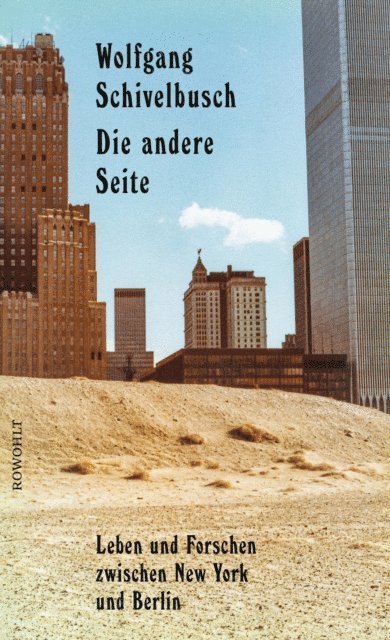
Wolfgang Schivelbusch blickt auf die Zeiten seines Lebens zurück und formt daraus zugleich eine kulturgeschichtliche Biographie der Bundesrepublik. Ein Leben, das durchweg in Beziehung zu den USA gestanden hat: die GIs im Frankfurter Freibad, denen er als Kind bewundernd gegenüberstand, die Studentenrevolte und sein Aufbruch in das gritty New York von 1970 und das intellektuelle Leben dort, der Blick aus seiner Wohnung auf das World Trade Center bis zur Rückkehr nach Deutschland. Schivelbusch bringt in diesem Buch die Themen zusammen, die ihn sein Leben lang beschäftigt haben: die Beziehung von Geist und Macht, die Kultur der Niederlage, Physiologie und Konsumtion. Als melancholisch-distanzierter Zeitzeuge beschreibt er den Weg aus der Eindeutigkeit der Nachkriegszeit zum existenziellen Unbehagen der Gegenwart auf beiden Seiten des Atlantiks. Das Buch ist Autobiographie und Zeitdiagnostik in einem.
E-bok
Tyska, 2012170 kr
Läs direkt efter köp
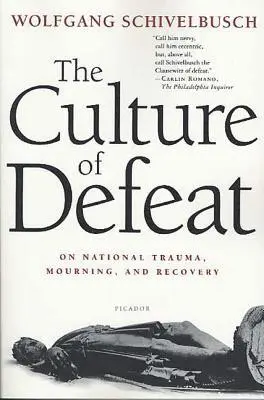
Zehn Jahre nach dem letzten großen Zusammenbruch, dem des sowjetischen Imperiums, scheint die Zeit reif für eine Reihe historischer Fragen.Destilliert aus der Geschichte der drei Niederlagenklassiker – des amerikanischen Südens nach 1865, Frankreichs nach 1871 und Deutschlands nach 1918 –, lassen sie sich etwa so formulieren: Wie wurden im Zeitalter der Erlöserideologie des Nationalsozialismus große Zusammenbrüche erlebt? Welche Mythen von Verrat oder Heroisierung bildeten sich dabei? Und welcher Zusammenhang besteht zwischen dem äußeren Unterliegen und jenen inneren Revolutionen, die der verlorene Krieg überall zur Folge hat?Wolfgang Schivelbusch ist diesen Fragen nachgegangen, und er zeichnet die aus tiefer Demütigung kommenden Energieschübe nach, die Niederlagen bringen. So legten sich die amerikanischen Südstaaten nach dem Bürgerkrieg erfolgreich ein legendenhaftes Images zu, das unter anderem «Vom Winde verweht» und seine Plantagenromantik schuf; so kam es in Frankreich nach 1871 zu umfassenden politischen und kulturellen Neuerungen; so brach das Deutsche Reich, nachdem der Erste Weltkrieg verloren war, auf etlichen Feldern in eine kraftvolle Moderne auf.Schivelbuschs Buch wird Staub aufwirbeln, auch weil es voller aktueller Bezugspunkte ist. Und es verweist auf die eigentümliche Stärke der Besiegten: daß sie früher und besser wissen, was die Stunde geschlagen hat.
Del 861 - WAT Wagenbachs andere Taschenbücher
Geschichte der Eisenbahnreise
Häftad, Tyska, 2023
193 kr
Skickas inom 3-6 vardagar