Xin Wei – författare
Visar alla böcker från författaren Xin Wei. Handla med fri frakt och snabb leverans.
4 produkter
4 produkter
Häftad, Engelska, 2019
562 kr
Skickas inom 10-15 vardagar
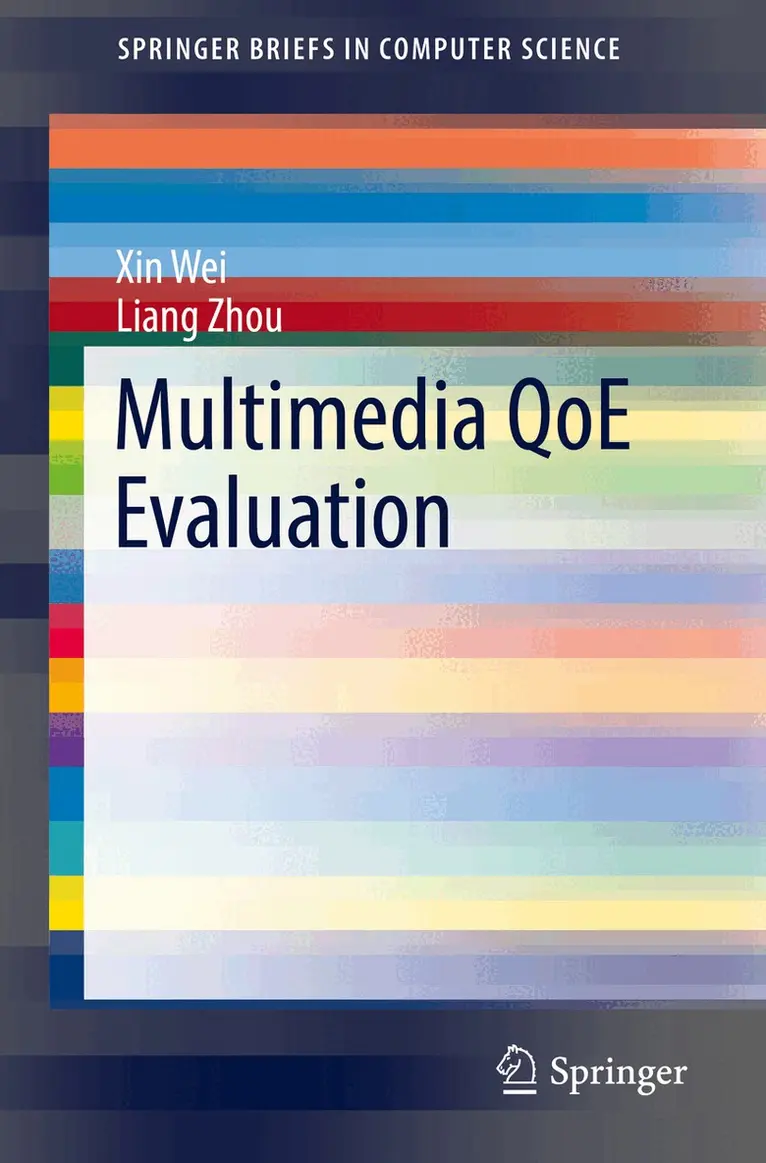
This SpringerBrief discusses the most recent research in the field of multimedia QoE evaluation, with a focus on how to evaluate subjective multimedia QoE problems from objective techniques. Specifically, this SpringerBrief starts from a comprehensive overview of multimedia QoE definition, its influencing factors, traditional modeling and prediction methods. Subsequently, the authors introduce the procedure of multimedia service data collection, preprocessing and feature extractions. Then, describe several proposed multimedia QoE modeling and prediction techniques in details. Finally, the authors illustrate how to implement and demonstrate multimedia QoE evaluation in the big data platform. This SpringerBrief provides readers with a clear picture on how to make full use of multimedia service data to realize multimedia QoE evaluation. With the exponential growth of the Internet technologies, multimedia services become immensely popular. Users can enjoy multimedia services from operators or content providers by TV, computers and mobile devices. User experience is important for network operators and multimedia content providers. Traditional QoS (quality of service) can not entirely and accurately describe user experience. It is natural to research the quality of multimedia service from the users’ perspective, defined as multimedia quality of experience (QoE). However, multimedia QoE evaluation is difficult, because user experience is abstract and subjective, hard to quantify and measure. Moreover, the explosion of multimedia service and emergence of big data, all call for a new and better understanding of multimedia QoE.This SpringerBrief targets advanced-level students, professors and researchers studying and working in the fields of multimedia communications and information processing. Professionals, industry managers, and government research employees working in these same fields will also benefit from this SpringerBrief.
E-bok
Engelska, 2019734 kr
Läs direkt efter köp
This SpringerBrief discusses the most recent research in the field of multimedia QoE evaluation, with a focus on how to evaluate subjective multimedia QoE problems from objective techniques. Specifically, this SpringerBrief starts from a comprehensive overview of multimedia QoE definition, its influencing factors, traditional modeling and prediction methods. Subsequently, the authors introduce the procedure of multimedia service data collection, preprocessing and feature extractions. Then, describe several proposed multimedia QoE modeling and prediction techniques in details. Finally, the authors illustrate how to implement and demonstrate multimedia QoE evaluation in the big data platform. This SpringerBrief provides readers with a clear picture on how to make full use of multimedia service data to realize multimedia QoE evaluation. With the exponential growth of the Internet technologies, multimedia services become immensely popular. Users can enjoy multimedia services from operators or content providers by TV, computers and mobile devices. User experience is important for network operators and multimedia content providers. Traditional QoS (quality of service) can not entirely and accurately describe user experience. It is natural to research the quality of multimedia service from the users’ perspective, defined as multimedia quality of experience (QoE). However, multimedia QoE evaluation is difficult, because user experience is abstract and subjective, hard to quantify and measure. Moreover, the explosion of multimedia service and emergence of big data, all call for a new and better understanding of multimedia QoE.This SpringerBrief targets advanced-level students, professors and researchers studying and working in the fields of multimedia communications and information processing. Professionals, industry managers, and government research employees working in these same fields will also benefit from this SpringerBrief.
Inbunden, Engelska, 2025
1 945 kr
Skickas inom 10-15 vardagar
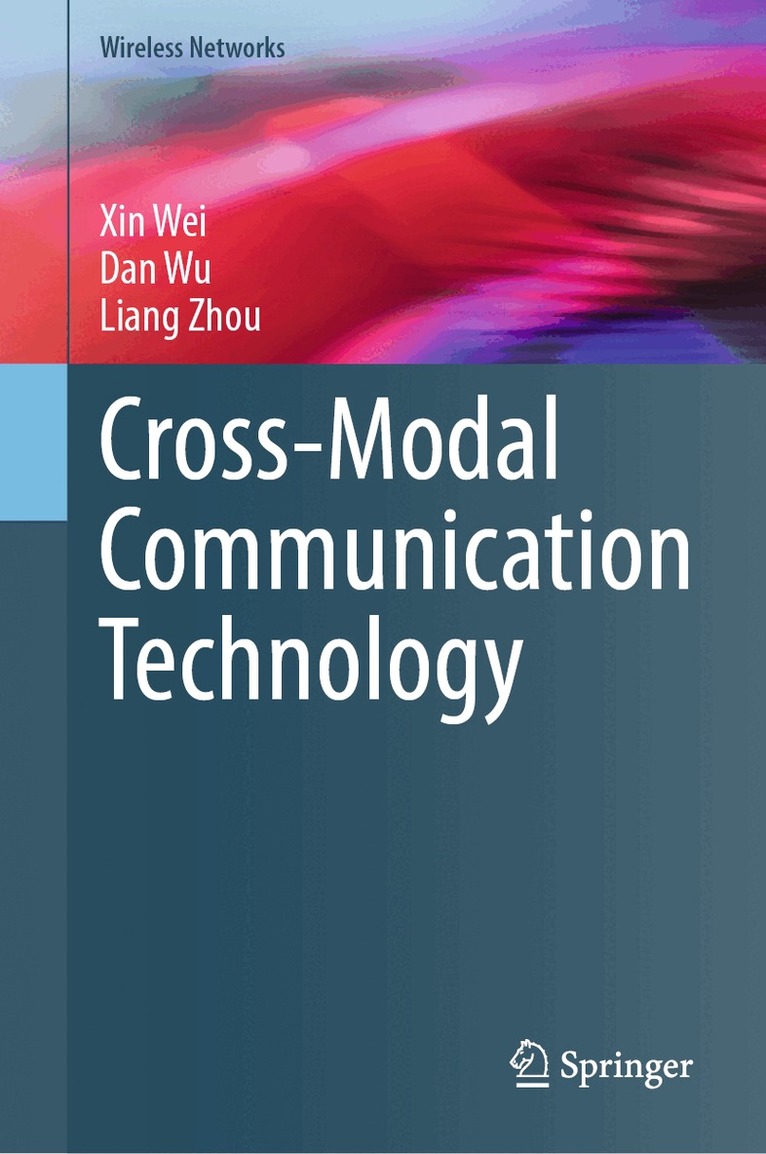
This book offers a systematic and in-depth investigation on Cross-Modal Communication Technology. In chapter 1, the authors present the background and motivation of this domain. In chapter 2, the authors outline multi-modal services and a general cross-modal communication architecture, including typical service categories, communication requirements, architectural details, challenges, and design principles. In chapters 3, 4, and 5, the authors respectively propose three key techniques within the cross-modal communication architecture: cross-modal coding, cross-modal transmission and cross-modal signal recovery. For each technique, the authors provide an in-depth presentation of the representative algorithms and the related experimental results. chapter 6 describes an established database and the three developed cross-modal communication prototype systems. Chapter 7 introduces extended techniques, such as cross-modal semantic communications, cross-modal communications in extremely low-resource scenarios. Finally, the authors provide a summary of the entire book and discuss future research directions in chapter 8. The readers will gain a deep understanding of the development and technical details of this new communication paradigm for the emerging multi-modal services.Currently, haptic information is gradually being integrated into traditional audio-visual-dominant multimedia services, forming multi-modal services. Multi-modal services have been considered killer applications in the B5G and 6G eras, including remote industrial robotic grasping, tele-surgery and diagnosis, online immersive shopping and gaming, etc. To support the thriving multi-modal services, the cross-modal communication paradigm is proposed. Compared with traditional multimedia communications, the cross-modal communication paradigm is characterized by the collaborative transmission and processing of audio, visual, haptic signals and streams. By fully exploring the potential correlations among audio, visual, and haptic modalities, it enhances natural human-machine interactions and immersive experiences in multi-modal services, while meeting the requirements of low latency, high reliability, and high throughput.This book targets graduate and undergraduate students majoring in the areas of wireless communications, computer science and engineering, and electrical engineering as well as researchers working in this field. Professionals seeking multimedia communications for the emerging multi-modal services will also want to purchase this book.
E-bok
Engelska, 20252 524 kr
Läs direkt efter köp
This book offers a systematic and in-depth investigation on Cross-Modal Communication Technology. In chapter 1, the authors present the background and motivation of this domain. In chapter 2, the authors outline multi-modal services and a general cross-modal communication architecture, including typical service categories, communication requirements, architectural details, challenges, and design principles. In chapters 3, 4, and 5, the authors respectively propose three key techniques within the cross-modal communication architecture: cross-modal coding, cross-modal transmission and cross-modal signal recovery. For each technique, the authors provide an in-depth presentation of the representative algorithms and the related experimental results. chapter 6 describes an established database and the three developed cross-modal communication prototype systems. Chapter 7 introduces extended techniques, such as cross-modal semantic communications, cross-modal communications in extremely low-resource scenarios. Finally, the authors provide a summary of the entire book and discuss future research directions in chapter 8. The readers will gain a deep understanding of the development and technical details of this new communication paradigm for the emerging multi-modal services. Currently, haptic information is gradually being integrated into traditional audio-visual-dominant multimedia services, forming multi-modal services. Multi-modal services have been considered killer applications in the B5G and 6G eras, including remote industrial robotic grasping, tele-surgery and diagnosis, online immersive shopping and gaming, etc. To support the thriving multi-modal services, the cross-modal communication paradigm is proposed. Compared with traditional multimedia communications, the cross-modal communication paradigm is characterized by the collaborative transmission and processing of audio, visual, haptic signals and streams. By fully exploring the potential correlations among audio, visual, and haptic modalities, it enhances natural human-machine interactions and immersive experiences in multi-modal services, while meeting the requirements of low latency, high reliability, and high throughput. This book targets graduate and undergraduate students majoring in the areas of wireless communications, computer science and engineering, and electrical engineering as well as researchers working in this field. Professionals seeking multimedia communications for the emerging multi-modal services will also want to purchase this book.