Yael Kali - Böcker
Visar alla böcker från författaren Yael Kali. Handla med fri frakt och snabb leverans.
2 produkter
2 produkter
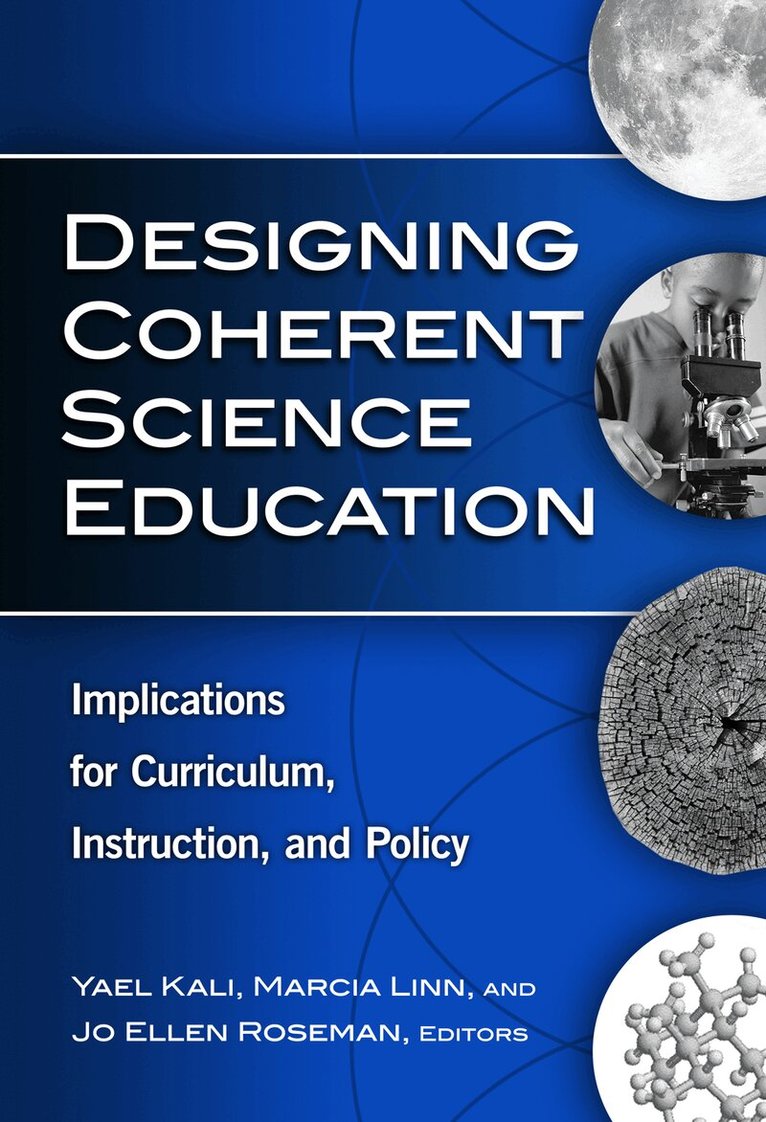
Designing Coherent Science Education
Implications for Curriculum, Instruction, and Policy
Häftad, Engelska, 2008
566 kr
Skickas inom 11-20 vardagar
This edited collection synthesizes current research on the most promising methods and models for designing coherent science instruction. Arising from the National Science Foundation-funded Delineating and Evaluating Coherent Instructional Designs for Education (DECIDE) project, this volume combines the insights of researchers from two Centers for Teaching and Learning. The book offers principles and criteria for design of instruction leading to coherent understanding of science. It discusses how courses can help students interpret contemporary scientific dilemmas like global warming and take full advantage of technology. Too often in today's science classes, students learn isolated facts rather than connections among ideas and are unprepared to apply scientific thinking and principles outside of checking off answers on standardized tests.""Designing Coherent Science Education"" demonstrates how effective instruction prepares learners to connect scientific principles to the schoolyard and beyond. ""Designing Coherent Science Education"" offers policy recommendations to transform science courses so that they meet the needs of all students and lure more students into scientific careers. The collection further addresses how to use technology in the classrooms to design coherent science instruction.
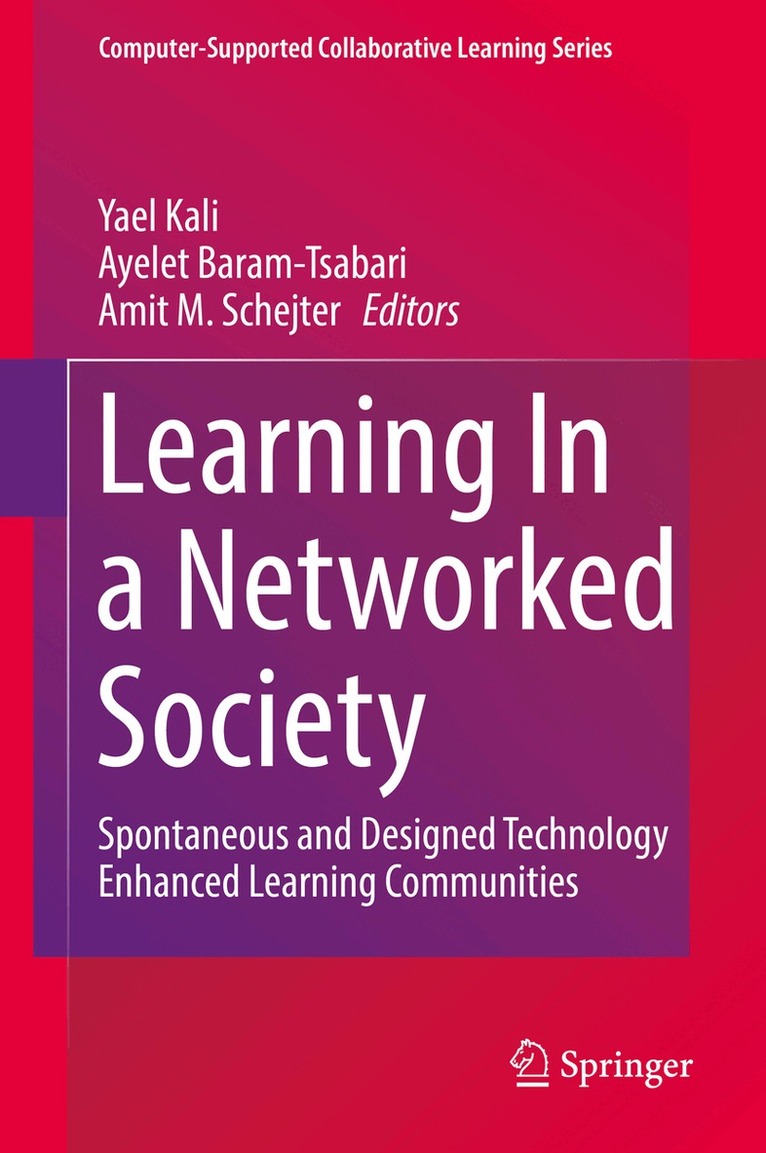
Learning In a Networked Society
Spontaneous and Designed Technology Enhanced Learning Communities
Inbunden, Engelska, 2019
1 532 kr
Skickas inom 10-15 vardagar
One of the most significant developments in contemporary education is the view that knowing and understanding are anchored in cultural practices within communities. This shift coincides with technological advancements that have reoriented end-user computer interaction from individual work to communication, participation and collaboration. However, while daily interactions are increasingly engulfed in mobile and networked Information and Communication Technologies (ICT), in-school learning interactions are, in comparison, technologically impoverished, creating the phenomenon known as the school-society digital disconnect. This volume argues that the theoretical and practical tools of scientists in both the social and educational sciences must be brought together in order to examine what types of interaction, knowledge construction, social organization and power structures: (a) occur spontaneously in technology-enhanced learning (TEL) communities or (b) can be created by design of TEL. This volume seeks to equip scholars and researchers within the fields of education, educational psychology, science communication, social welfare, information sciences, and instructional design, as well as practitioners and policy-makers, with empirical and theoretical insights, and evidence-based support for decisions providing learners and citizens with 21st century skills and knowledge, and supporting well-being in today’s information-based networked society.