Yahya El-Lahib – författare
Visar alla böcker från författaren Yahya El-Lahib. Handla med fri frakt och snabb leverans.
6 produkter
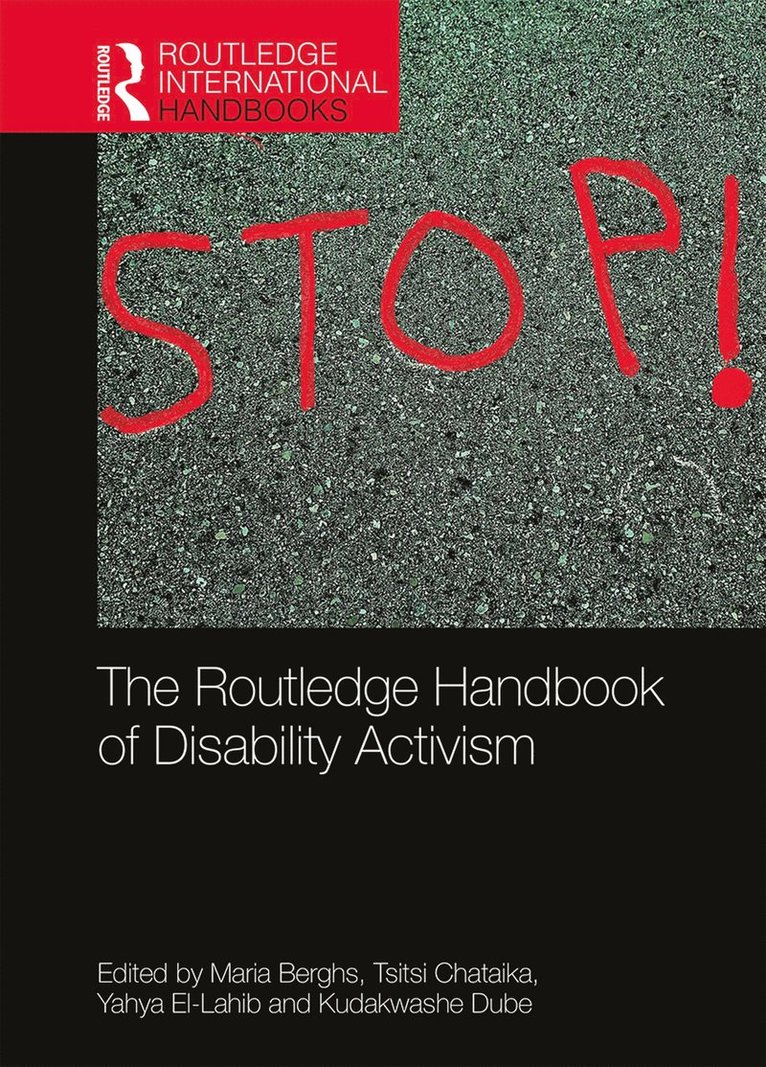
Routledge Handbook of Disability Activism
Av Maria Berghs, Tsitsi Chataika m. fl.
Inbunden, 2019
3793 kr
Lägg i varukorg
The onslaught of neoliberalism, austerity measures and cuts, impact of climate change, protracted conflicts and ongoing refugee crisis, rise of far right and populist movements have all negatively impacted on disability. Yet, disabled people and their allies are fighting back and we urgently need …
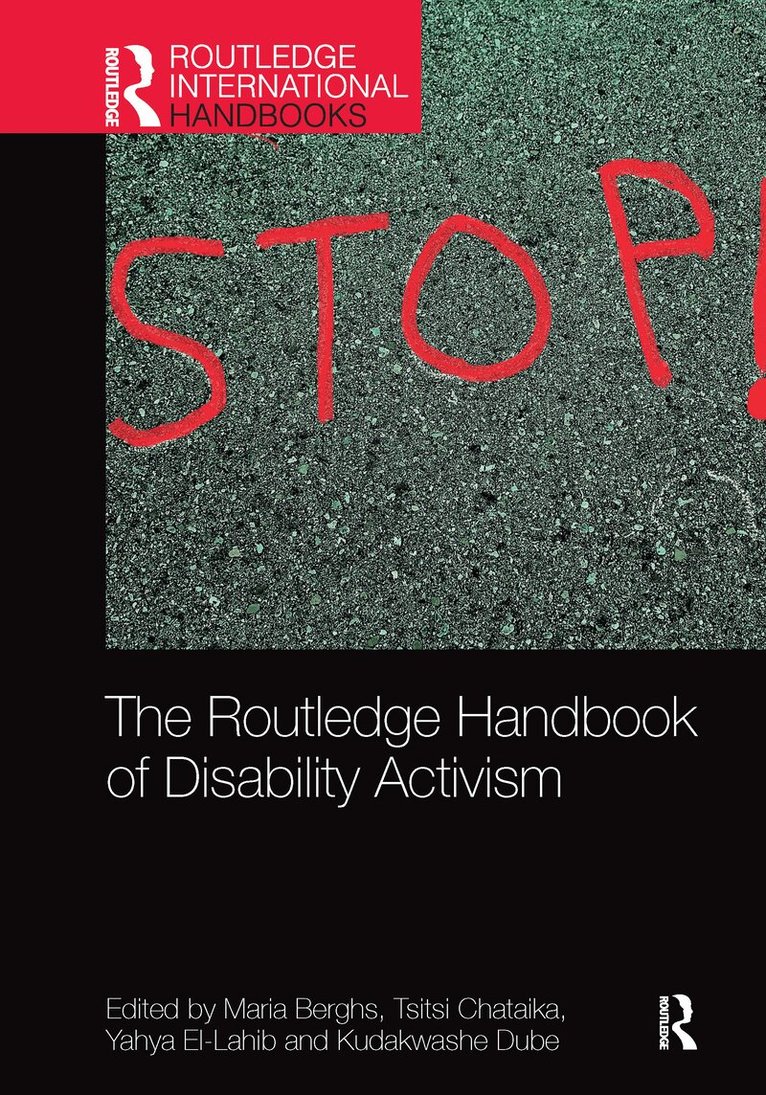
Routledge Handbook of Disability Activism
Av Maria Berghs, Tsitsi Chataika m. fl.
Häftad, 2021
750 kr
Lägg i varukorg
The onslaught of neoliberalism, austerity measures and cuts, impact of climate change, protracted conflicts and ongoing refugee crisis, rise of far right and populist movements have all negatively impacted on disability. Yet, disabled people and their allies are fighting back and we urgently need …
Routledge Handbook of Disability Activism
Av Kudakwashe Dube, Yahya El-Lahib m. fl.
E-bok, 2019
813 kr
Lägg i varukorg
The onslaught of neoliberalism, austerity measures and cuts, impact of climate change, protracted conflicts and ongoing refugee crisis, rise of far right and populist movements have all negatively impacted on disability. Yet, disabled people and their allies are fighting back and we urgently need …
Routledge Handbook of Disability Activism
Av Kudakwashe Dube, Yahya El-Lahib m. fl.
E-bok, 2019
795 kr
Lägg i varukorg
The onslaught of neoliberalism, austerity measures and cuts, impact of climate change, protracted conflicts and ongoing refugee crisis, rise of far right and populist movements have all negatively impacted on disability. Yet, disabled people and their allies are fighting back and we urgently need …
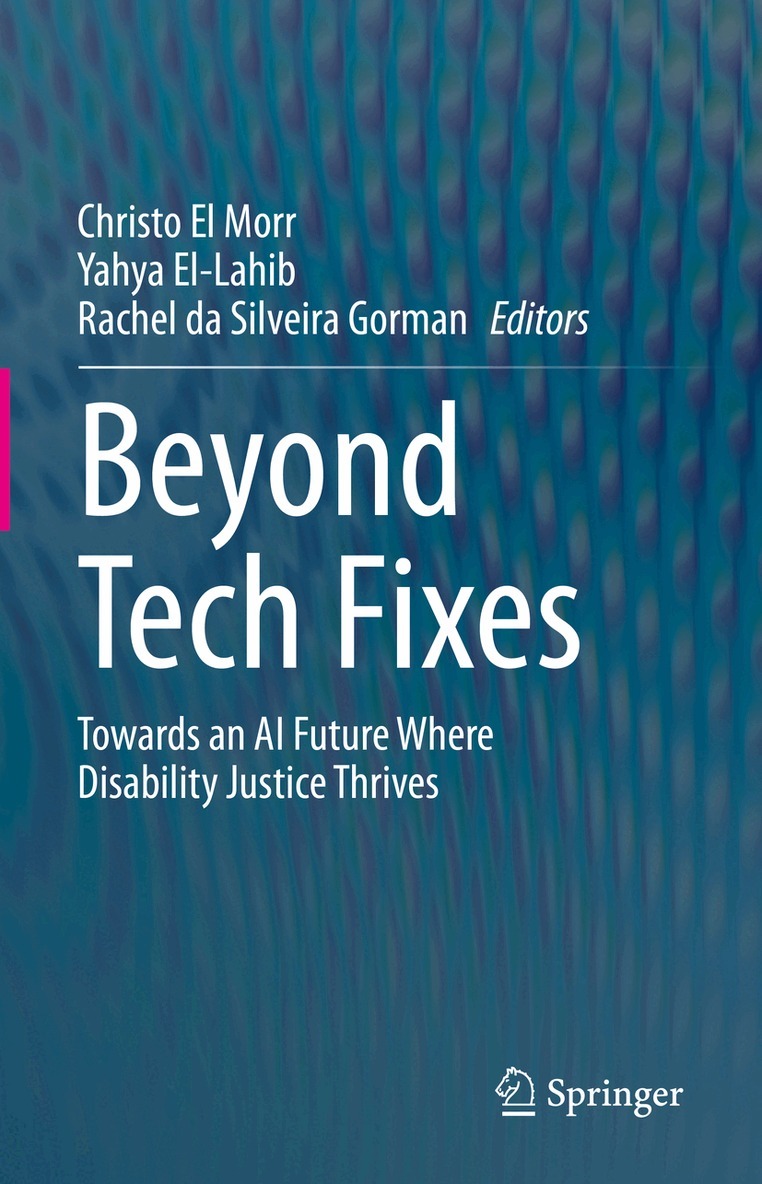
Beyond Tech Fixes
Towards an AI Future Where Disability Justice Thrives
Av Christo El Morr, Yahya El-Lahib m. fl.
Inbunden, 2025
1970 kr
Lägg i varukorg
This book offers a bold and critical examination of the intersections between artificial intelligence (AI) and disability justice. Rather than framing AI as a neutral or purely beneficial tool, the book interrogates how AI systems reproduce ableism, deepen systemic exclusions, and perpetuate …
Beyond Tech Fixes
Towards an AI Future Where Disability Justice Thrives
Av Rachel da Silveria Gorma, Yahya El-Lahib m. fl.
E-bok, 2025
2517 kr
Lägg i varukorg
This book offers a bold and critical examination of the intersections between artificial intelligence (AI) and disability justice. Rather than framing AI as a neutral or purely beneficial tool, the book interrogates how AI systems reproduce ableism, deepen systemic exclusions, and perpetuate …