
Yakub Halabi – författare
Visar alla böcker från författaren . Handla med fri frakt och snabb leverans.
6 produkter
6 produkter
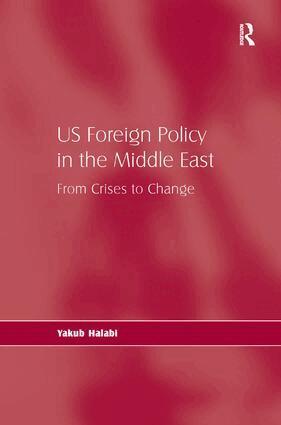
Inbunden, Engelska, 2009
3 580 kr
Skickas inom 3-6 vardagar
US foreign policy in the Middle East has for the most part been shaped by the eruption of major crises that have revealed the deficiency in and bankruptcy of existing consensus and conceptions. Crises generate a new set of ideas to address the roots of the crisis and construct a new reality that would best serve US interests. Further, crises stimulate new ideological and ideational debates that de-legitimate existing practices and prevailing ideas. Yakub Halabi analyzes the way ideas and conceptions have guided US foreign policy in the Middle East, the erection of institutions through which these ideas were brought into practice, and the manner in which these ideas became obsolete and were modified by new ideas. The selection of crises examined is persuasive and provides a critical lens to observe important turning points in American foreign policy.
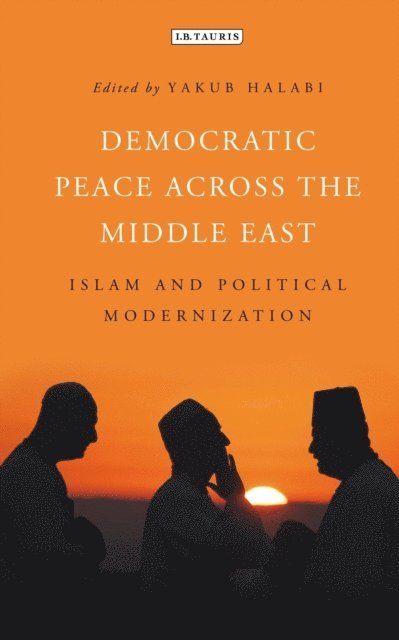
E-bok
PDF, Engelska, 20161 898 kr
Läs direkt efter köp
From Tunisia to Egypt and from Israel to Iran, the debates surrounding the concept of democracy in the Middle East are never straightforward. This has been particularly evident since the events of 2009 in Iran and the uprisings across the Arab world in late 2010 and 2011. Against this backdrop, Democratic Peace across the Middle East critically analyses the prospects for democracy throughout the region, specifically asking whether political and social modernisation are absolute preconditions for democratic peace to take hold in the region, or whether democracy without modernisation might be enough. It explores the dynamics between neo-patriarchy and Islam on the one hand, and democratisation and modernisation on the other, and also considers the prospect of the political accommodation of opposition groups. Incorporating an analysis of a variety of key dynamics which affect each Middle Eastern country in turn, such as tribal and sectarian identity, Islamism and the structure of political party systems, this book will appeal to those researching the Middle East and its patterns of rule.
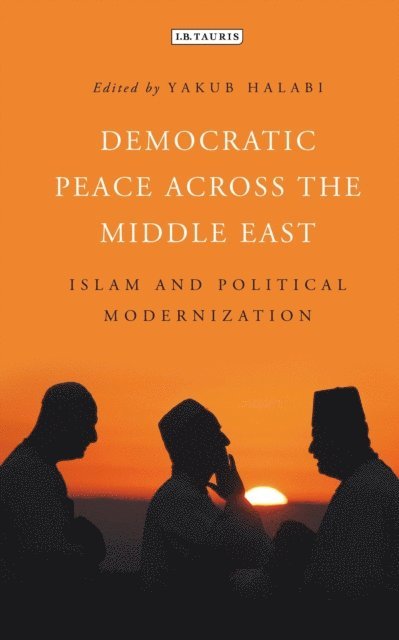
E-bok
Engelska, 20162 026 kr
Läs direkt efter köp
From Tunisia to Egypt and from Israel to Iran, the debates surrounding the concept of democracy in the Middle East are never straightforward. This has been particularly evident since the events of 2009 in Iran and the uprisings across the Arab world in late 2010 and 2011. Against this backdrop, Democratic Peace across the Middle East critically analyses the prospects for democracy throughout the region, specifically asking whether political and social modernisation are absolute preconditions for democratic peace to take hold in the region, or whether democracy without modernisation might be enough. It explores the dynamics between neo-patriarchy and Islam on the one hand, and democratisation and modernisation on the other, and also considers the prospect of the political accommodation of opposition groups. Incorporating an analysis of a variety of key dynamics which affect each Middle Eastern country in turn, such as tribal and sectarian identity, Islamism and the structure of political party systems, this book will appeal to those researching the Middle East and its patterns of rule.
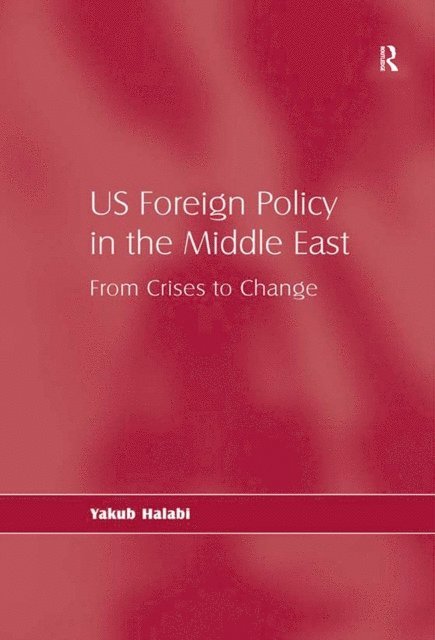
E-bok
Engelska, 2016992 kr
Läs direkt efter köp
US foreign policy in the Middle East has for the most part been shaped by the eruption of major crises that have revealed the deficiency in and bankruptcy of existing consensus and conceptions. Crises generate a new set of ideas to address the roots of the crisis and construct a new reality that would best serve US interests. Further, crises stimulate new ideological and ideational debates that de-legitimate existing practices and prevailing ideas. Yakub Halabi analyzes the way ideas and conceptions have guided US foreign policy in the Middle East, the erection of institutions through which these ideas were brought into practice, and the manner in which these ideas became obsolete and were modified by new ideas. The selection of crises examined is persuasive and provides a critical lens to observe important turning points in American foreign policy.
E-bok
PDF, Engelska, 2016992 kr
Läs direkt efter köp
US foreign policy in the Middle East has for the most part been shaped by the eruption of major crises that have revealed the deficiency in and bankruptcy of existing consensus and conceptions. Crises generate a new set of ideas to address the roots of the crisis and construct a new reality that would best serve US interests. Further, crises stimulate new ideological and ideational debates that de-legitimate existing practices and prevailing ideas. Yakub Halabi analyzes the way ideas and conceptions have guided US foreign policy in the Middle East, the erection of institutions through which these ideas were brought into practice, and the manner in which these ideas became obsolete and were modified by new ideas. The selection of crises examined is persuasive and provides a critical lens to observe important turning points in American foreign policy.
Inbunden, Engelska, 2016
1 822 kr
Skickas inom 10-15 vardagar
From Tunisia to Egypt and from Israel to Iran, the debates surrounding the concept of democracy in the Middle East are never straightforward. This has been particularly evident since the events of 2009 in Iran and the uprisings across the Arab world in late 2010 and 2011. Against this backdrop, Democratic Peace across the Middle East critically analyses the prospects for democracy throughout the region, specifically asking whether political and social modernisation are absolute preconditions for democratic peace to take hold in the region, or whether democracy without modernisation might be enough. It explores the dynamics between neo-patriarchy and Islam on the one hand, and democratisation and modernisation on the other, and also considers the prospect of the political accommodation of opposition groups. Incorporating an analysis of a variety of key dynamics which affect each Middle Eastern country in turn, such as tribal and sectarian identity, Islamism and the structure of political party systems, this book will appeal to those researching the Middle East and its patterns of rule.